
Elite Corporate Retreats Shift Towards Immersive Mediterranean Journeys and High Value Rewards

Published
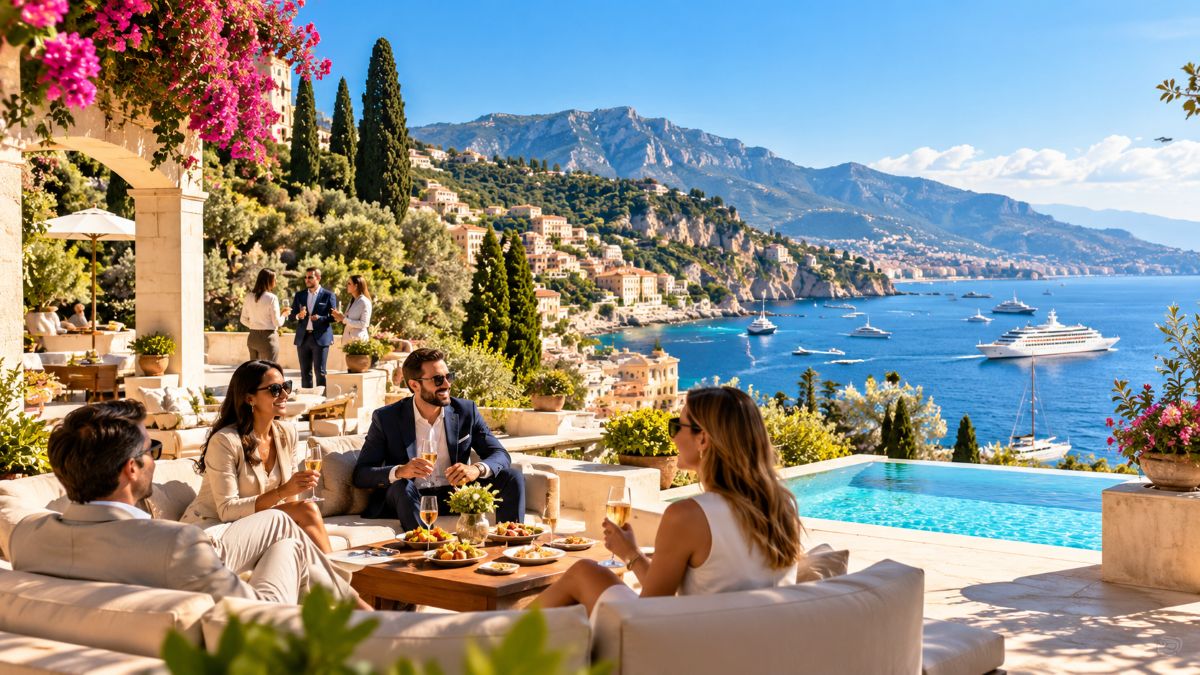
Image generated with Ai
Global enterprise leadership is orchestrating a profound recalibration in corporate reward architecture, departing from standard luxury perks in favour of deeply contextual, regenerative journeys. Modern industry analysis reveals that high-performing executives and critical commercial partners seek genuine regional engagement over superficial resort holidays. Corporate planners are answering this requirement by crafting itineraries focused on personal enrichment, heritage immersion, and bespoke hospitality. Destination stewardship and deep cultural dialogue have evolved from secondary considerations into core requirements for premier incentive schemes. As multinational organisations strive to strengthen post-pandemic commercial culture and reinforce loyalty, high-calibre journeys provide a distinctive instrument for sustainable human capital development.
Among the European destinations gaining significant commercial interest, Puglia represents a definitive benchmark for experiential sophistication. Situated along the sun-drenched southeastern coast of Italy, this historical territory balances architectural grandeur with authentic agricultural traditions. Corporate groups are welcomed into restored masserie, centuries-old fortified estates repurposed into world-class private enclaves. These historic properties grant executive teams total privacy alongside unfiltered exposure to local viticulture, culinary craft, and architectural wonders. By moving away from standardised chain hotels, corporate organisers deliver an elevated sense of bespoke exclusivity that builds enduring affinity, strengthens professional camaraderie, and validates the exceptional contributions of honoured team members across modern global enterprises.
Strategic Realignment of Modern Performance Incentives
The rationale underpinning performance incentive travel has matured beyond simple recreational escapism into an intentional business strategy. Organisations recognise that singular, culturally grounded journeys yield enduring psychological attachment to company objectives. Executive gatherings within regional settings facilitate cross-functional conversations that rarely occur within standard corporate environments. When professionals gather within an authentic rural sanctuary, professional barriers diminish, fostering creative problem-solving and authentic collaboration. The experiential depth of such programmes creates narrative resonance that persists well after participants return to day-to-day operations.
Investment committees require rigorous measurement criteria to validate expenditure on high-value travel programmes. Modern executive directors evaluate success across retention rates of key talent, channel distribution loyalty, and quantifiable productivity uplifts following program delivery. The modern financial calculation demonstrates that high-tier bespoke retreats substantially reduce talent acquisition overheads by visibly confirming elite contributor value. Sustainable investment relies upon curating moments that money cannot simply purchase off the shelf, transforming standard reward budgets into formidable strategic instruments.
Advertisement
Advertisement
| Programme Strategic Dimension | Conventional Luxury Tour | Immersion Incentive Experience | Organisational Advantage |
|---|---|---|---|
| Core Property Selection | International chain resort | Restored agricultural masseria | Absolute privacy and historical authenticity |
| Cultural Engagement Style | Passive sightseeing excursion | Artisan workshops and private culinary masterclasses | Heightened emotional engagement and personal growth |
| Operational Environmental Impact | High commercial consumption | Direct regional procurement and conservation | Enhanced corporate social governance profile |
| Enterprise Value Metric | Short-term delegate morale | Long-term commercial loyalty and high retention | Tangible protection of institutional knowledge |
Regional Immersion Through Heritage Masseria Estates
Puglia’s distinct topography and architectural vernacular offer a refined framework for high-level recognition programmes. The landscape of centuries-old olive orchards, dry stone boundaries, and whitewashed hamlets creates a serene contrast to demanding executive routines. Masserie estates, originally conceived as fortified communal farms, provide security, expansive private grounds, and authentic Italian hospitality. Teams residing together within these heritage properties participate in structured communal feasts featuring regional produce, heritage olive oil, and ancient grain preparations. Such sensory immersion deepens personal relationships and elevates mutual understanding among commercial stakeholders.
Bespoke programmatic delivery requires thorough destination management, prioritising local expertise over generic multinational travel services. Successful planners commission regional guides, private transport specialists, and master craftsmen who convey the living narrative of the Mediterranean basin. Delegates learn heritage bread-making methods from village bakers, traverse coastal limestone formations alongside local marine biologists, and engage directly with independent winemakers. These encounters cultivate respect for cultural heritage while transforming typical corporate rewards into meaningful human achievements that resonate deeply with participants.
Advertisement
Advertisement
Governance and Risk Mitigation in Executive Destinations
Choosing an appropriate destination requires rigorous governance, logistical competence, and comprehensive destination intelligence. Planners must evaluate international transit connectivity, seasonal microclimates, medical infrastructure, and security readiness before confirming remote locations. A well-designed incentive travel programme must balance authentic countryside exploration with absolute comfort, efficiency, and delegate care. Detailed planning protocols safeguard against operational delays, ensuring that executive time is respected and maximized throughout the entire journey.
Corporate governance also requires adherence to sustainable operational guidelines and transparent operational accountability. Environmental mitigation strategies, including supporting local heritage restoration initiatives and eliminating unnecessary air travel transfers, ensure the retreat aligns with modern enterprise values. Forward-looking corporate organisations understand that luxury travel must benefit host communities as much as invited participants. By investing directly into local regional economies, organisations leave a positive legacy while offering an extraordinary, memorable reward for world-class professional achievement.
Frequently Asked Questions
What distinguishes experiential incentive travel from standard luxury tourism? Experiential travel focuses on bespoke regional access, hands-on cultural immersion, and curated encounters unavailable to individual holidaymakers, fostering deep brand loyalty and lasting professional cohesion.
Why is Puglia increasingly chosen for corporate incentive programmes? The region offers unique masseria accommodation, authentic culinary traditions, private coastal enclaves, and preserved countryside, delivering exceptional privacy and sophisticated cultural engagement for executive delegations.
How do organisations measure return on investment for executive retreats? Enterprises track participant retention rates, subsequent performance improvements, customer lifetime value from commercial partners, and qualitative surveys assessing post-trip workplace engagement.
What logistical factors must corporate planners consider when booking rural estates? Key logistical requirements include private transport coordination, local healthcare access, property buyout terms, private event licensing, and the availability of modern presentation facilities within historical structures.
Advertisement
Advertisement
How does regional sourcing impact corporate sustainability goals during travel? Procuring hospitality, food, and guiding services from indigenous producers minimises freight footprint, sustains rural artisan economies, and supports corporate social responsibility mandates.
What is the ideal participant size for an immersive masseria retreat? Historic masserie typically host between twenty and seventy guests, making them suitable for elite recognition groups seeking complete property exclusivity without public disruption.
How far in advance should companies secure reservations for Mediterranean properties? High-demand heritage estates throughout Southern Europe require booking ten to fourteen months ahead to secure exclusive property buyouts during optimal shoulder-season months.
Can historic Italian properties accommodate modern audiovisual business requirements? Most restored premier masserie integrate discreet high-speed internet and audiovisual systems into ancient stone halls, allowing corporate sessions without compromising historical charm.
Why is shoulder season preferred for Southern European incentive itineraries? Spring and autumn provide comfortable temperatures for open-air pursuits, fewer tourist crowds, and optimal availability of cultural artisans and culinary purveyors.
How do bespoke rewards contribute to talent retention strategies? Unique, aspirational travel experiences validate personal contribution far more meaningfully than routine monetary bonuses, creating powerful emotional bonds between top professionals and enterprise leadership.
Advertisement
