
India Highlights Mumbai As A One-Day Travel Destination With Heritage, Food And Coastal Icons

Published
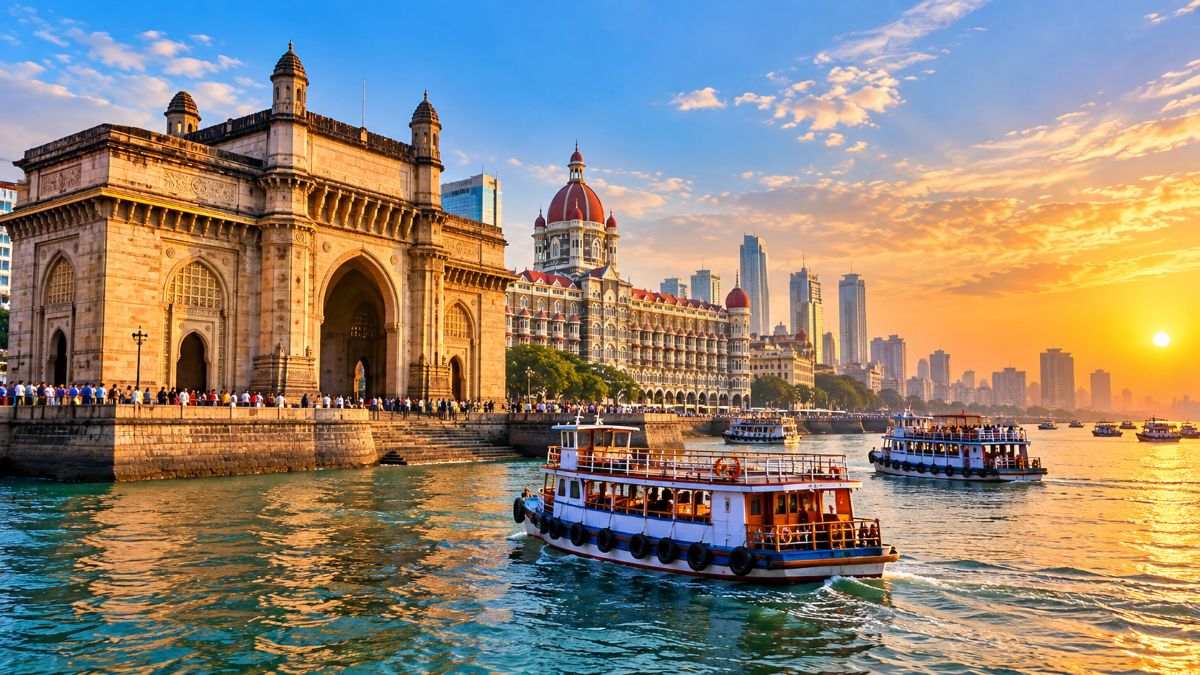
Mumbai continues to attract short-break travellers with a compact mix of historic architecture, cultural districts, waterfront landmarks, religious heritage, street food and modern cityscapes. A carefully planned day can connect several of the metropolis’s best-known experiences, beginning in the historic centre and moving towards the Arabian Sea before reaching the western suburbs. The result is a travel experience that reveals different sides of the city without requiring a lengthy stay.
A one-day Mumbai itinerary can start at Chhatrapati Shivaji Maharaj Terminus, continue through Kala Ghoda and its museum district, and then move towards Marine Drive and Mohammed Ali Road. Later stops can include Chor Bazaar and Haji Ali Dargah before travellers cross towards Bandra and view the Bandra-Worli Sea Link. The day can conclude around Bandra West or the Gateway of India, depending on transport conditions and personal interests. This route combines architectural heritage, local cuisine, spiritual culture, shopping, contemporary neighbourhood life and coastal scenery, making Mumbai particularly suitable for travellers seeking a concentrated introduction to one of India’s most dynamic cities.
Advertisement
Advertisement
Mumbai Offers A Diverse Experience Within A Single Day
Mumbai’s geographical spread can make first-time sightseeing appear complicated, but several major attractions can be grouped into logical sections. South Mumbai provides the strongest concentration of heritage and cultural landmarks, while the western suburbs offer a contrasting atmosphere shaped by contemporary dining, entertainment and residential life.
The following structure provides a practical framework for travellers planning a full day:
Advertisement
Advertisement
| Attraction | Main Experience | Suitable Time |
|---|---|---|
| Chhatrapati Shivaji Maharaj Terminus | Heritage architecture | Morning |
| Kala Ghoda | Art and historic streets | Morning |
| Chhatrapati Shivaji Maharaj Vastu Sangrahalaya | Art and history | Late morning |
| Marine Drive | Coastal promenade | Late morning |
| Mohammed Ali Road | Local cuisine | Afternoon |
| Chor Bazaar | Market culture | Afternoon |
| Haji Ali Dargah | Spiritual heritage | Afternoon |
| Bandra-Worli Sea Link | Modern infrastructure | Late afternoon |
| Bandra West | Dining and neighbourhood culture | Evening |
| Gateway of India | Waterfront landmark | Evening |
Chhatrapati Shivaji Maharaj Terminus Begins The Heritage Journey
Chhatrapati Shivaji Maharaj Terminus provides a dramatic starting point for exploring Mumbai. The historic railway station was completed in 1887 and is recognised as a UNESCO World Heritage Site.
Advertisement
Advertisement
Its architecture combines Victorian Gothic influences with Indian decorative traditions, creating one of the city’s most distinctive historic facades. Travellers do not need to board a train to appreciate the building, although observing the constant movement of commuters provides an immediate impression of Mumbai’s extraordinary urban rhythm.
An early visit can also help travellers make better use of the remainder of the day, particularly when several attractions are scheduled across different parts of the city.
Kala Ghoda Adds Art Culture And Heritage Architecture
Kala Ghoda offers a natural continuation of the morning route. The district is associated with galleries, cultural institutions, heritage buildings, cafés and public spaces.
Its name means “black horse” and has historical links to an equestrian statue that once stood in the area. Today, the neighbourhood has a distinctly artistic identity and provides opportunities to experience Mumbai through architecture and creative culture rather than only through major monuments.
Travellers with limited time can explore the surrounding streets on foot before continuing towards the nearby museum district.
Advertisement
Advertisement
Chhatrapati Shivaji Maharaj Vastu Sangrahalaya Explores Indian Heritage
The Chhatrapati Shivaji Maharaj Vastu Sangrahalaya offers an opportunity to explore India’s artistic and historical traditions. Its Indo-Saracenic architecture complements collections covering subjects including archaeology, art and natural history.
Visitors can encounter sculptures, miniature paintings and objects representing different periods and regions. The museum can be particularly useful for travellers seeking historical context before exploring Mumbai’s streets.
Because a one-day itinerary has limited hours, visitors should decide in advance whether they want an extensive museum visit or a shorter introduction before continuing towards the coast.
Marine Drive Brings The Arabian Sea Into The Itinerary
Marine Drive provides one of Mumbai’s most recognisable urban landscapes. The broad coastal promenade follows a curved section of the Arabian Sea and is closely associated with the city’s famous evening skyline.
A daytime walk reveals another side of the area, with residents exercising, meeting friends and spending time beside the water. Travellers can pause here rather than rushing immediately between attractions.
Advertisement
Advertisement
The promenade also demonstrates the importance of Mumbai’s coastline to its identity. The relationship between dense urban development and the sea remains one of the defining characteristics of the city.
Mohammed Ali Road Introduces Mumbai Through Food
The afternoon can shift towards Mohammed Ali Road, where food becomes a major part of the travel experience. The area is known for bustling food stalls and dishes associated with Mumbai’s diverse culinary traditions.
Nihari, seekh kebabs and freshly prepared breads are among the options visitors may encounter. Food choices vary considerably, so travellers should consider dietary requirements, food hygiene and individual preferences before ordering.
The neighbourhood is valuable not simply because of its cuisine but because eating locally provides a direct way to experience the cultural diversity that has shaped Mumbai over generations.
Chor Bazaar Offers A Glimpse Into Mumbai Market Culture
Chor Bazaar provides a contrasting experience after the food-focused stop. The market is associated with vintage furniture, decorative objects, old posters, clocks, collectables and other second-hand goods.
Advertisement
Advertisement
Stories surrounding the market’s name and history have been repeated over generations, although individual anecdotes should be regarded as local folklore unless independently established. The market’s enduring attraction comes from its atmosphere and the variety of objects available.
Travellers considering purchases should examine an item’s condition and provenance carefully, particularly where goods are described as antique or historically important.
Haji Ali Dargah Adds A Spiritual Dimension
Haji Ali Dargah is among Mumbai’s most recognisable religious landmarks. The white marble complex stands offshore and is associated with the Sufi saint Pir Haji Ali Shah Bukhari.
The approach to the shrine is affected by tidal conditions, making timing an important consideration. Visitors should check current local tide information before travelling and avoid attempting the causeway when access is unsafe or unavailable.
As a religious site, the dargah also requires respectful behaviour. Travellers should follow local expectations regarding clothing, photography and conduct while visiting.
Advertisement
Advertisement
Bandra-Worli Sea Link Connects Historic And Modern Mumbai
The journey can then move towards the Bandra-Worli Sea Link, providing a striking contrast with the older architecture encountered earlier in the day.
The cable-stayed bridge has become an important part of Mumbai’s modern visual identity and offers memorable views across the coastal landscape. Late afternoon can provide particularly attractive natural light, although traffic conditions should be considered when planning the journey.
The transition towards Bandra demonstrates how rapidly Mumbai’s architectural and social character changes across relatively short distances.
Bandra West Brings Contemporary Mumbai Into Focus
Bandra West offers a lively evening environment shaped by restaurants, cafés, boutiques and creative spaces. Areas around Hill Road and Pali Hill provide opportunities to experience a more contemporary side of Mumbai.
For travellers following a demanding sightseeing schedule, this is a useful point to slow down for dinner. Regional seafood, Indian specialities and modern interpretations of local cuisine can all be found across the neighbourhood.
Advertisement
Advertisement
Rather than treating Bandra simply as another sightseeing stop, visitors can use the evening to observe the city’s contemporary dining and social culture.
Gateway Of India Creates A Memorable Waterfront Finale
The Gateway of India provides an alternative or final destination for the day. Completed in 1924, the basalt arch stands prominently beside Mumbai Harbour and remains one of the city’s most recognisable landmarks.
The surrounding waterfront becomes particularly atmospheric after sunset, when the monument is illuminated and visitors gather around the open public space.
Travellers with more time can consider visiting Elephanta Caves on a separate excursion. The rock-cut complex offers a substantially different historical experience but requires additional travel time, making it difficult to combine comfortably with all ten stops in a single day.
Practical Planning Makes Short Visits More Comfortable
Mumbai’s traffic, weather and distances between neighbourhoods can significantly influence a one-day itinerary. Travellers should allow flexibility rather than scheduling every attraction down to the minute.
Advertisement
Advertisement
Metro services, taxis, auto-rickshaws and app-based transport can all play a role, while walking remains particularly useful around the heritage districts of South Mumbai.
October to February is generally regarded as a more comfortable period for sightseeing because conditions are typically cooler and drier than during the monsoon. Travellers visiting during the rainy season should allow additional time for weather and traffic disruption.
Most importantly, visitors should prioritise experiences rather than attempting to spend equal amounts of time at every attraction. Mumbai’s strength lies in the transitions between its landmarks, neighbourhoods and people.
Mumbai Combines Heritage Cuisine And Coastal Scenery
A carefully structured one-day itinerary demonstrates why Mumbai remains an appealing destination for short city breaks. Its historic railway architecture, cultural institutions, markets, religious landmarks, distinctive food and Arabian Sea waterfront can be experienced within a concentrated journey.
The route also reveals a city defined by contrasts. Colonial-era architecture sits alongside modern infrastructure, traditional food districts operate close to contemporary neighbourhoods, and spiritual landmarks share the wider urban landscape with commercial and entertainment centres.
Advertisement
Advertisement
For travellers with only one day available, Mumbai offers enough variety to create a substantial introduction to the city’s history, culture and contemporary identity while leaving plenty of reasons to return for a longer stay.
Frequently Asked Questions
What are the main places to visit in Mumbai in one day?
The route can include Chhatrapati Shivaji Maharaj Terminus, Kala Ghoda, the Chhatrapati Shivaji Maharaj Vastu Sangrahalaya, Marine Drive, Mohammed Ali Road, Chor Bazaar, Haji Ali Dargah, Bandra-Worli Sea Link, Bandra West and the Gateway of India.
Where should a Mumbai sightseeing day begin?
Chhatrapati Shivaji Maharaj Terminus is a practical starting point because it combines major heritage value with access to central Mumbai.
Advertisement
Advertisement
How much time is needed at Marine Drive?
A short walk can take around 30 minutes, while travellers wanting to relax beside the sea may wish to spend considerably longer.
What food is associated with Mohammed Ali Road?
Visitors may find nihari, seekh kebabs, breads and various regional specialities, although availability and menus differ between establishments.
Can Haji Ali Dargah be visited throughout the day?
Advertisement
Advertisement
Access is influenced by tides, so visitors should check conditions before travelling to the shrine.
Is Chor Bazaar suitable for tourists?
Yes. It can appeal to visitors interested in vintage goods, markets, furniture, decorative objects and Mumbai’s trading culture.
What is the best season for Mumbai sightseeing?
October through February generally offers more comfortable conditions for outdoor sightseeing than the wetter monsoon period.
Advertisement
Advertisement
How can visitors travel between Mumbai attractions?
The Metro, taxis, auto-rickshaws and app-based transport can be combined with walking, depending on the distance and traffic.
Can Elephanta Caves be visited during the same day?
It is possible only with substantial time planning, but adding the caves to a ten-stop city itinerary can make the day rushed.
What makes Mumbai suitable for a short city break?
Mumbai combines heritage architecture, museums, food, religious landmarks, markets, contemporary neighbourhoods and coastal scenery within one metropolitan destination.
Advertisement
