

Prague Moves Beyond Traditional Czech Cuisine as Michelin-Starred Restaurants and Innovative Dining Transform Tourism in 2026

Published
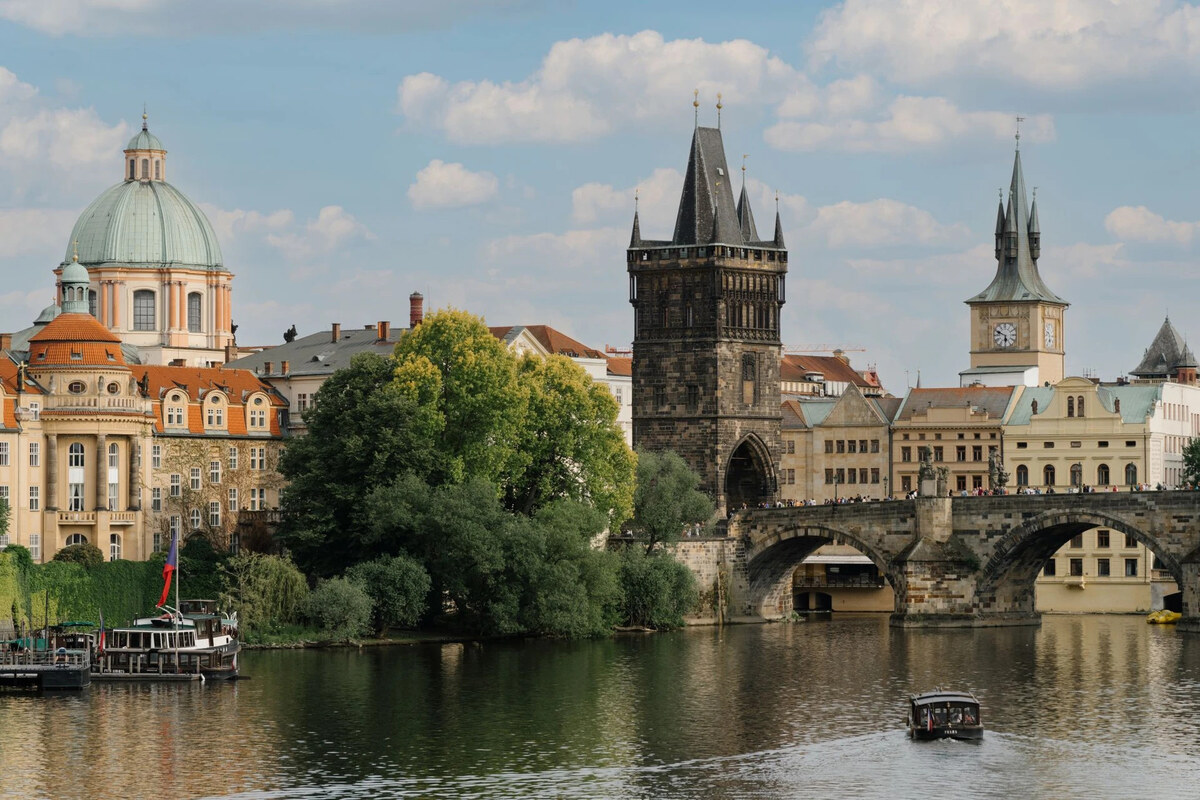
Prague is strengthening its position as a leading European culinary tourism destination in 2026, following the nationwide expansion of the Michelin Guide, growing international recognition for Czech gastronomy and the development of innovative restaurants across the capital. From Michelin-starred Czech tasting menus and contemporary Vietnamese dining to restored historic cafés, independent bakeries and luxury steakhouses, the city’s evolving food scene is creating fresh opportunities for international tourism. The transformation comes after the Michelin Guide unveiled its first countrywide Czechia selection on 11 December 2025, recognising 79 restaurants and bringing greater attention to the country’s culinary heritage, local ingredients and increasingly diverse hospitality sector.
Michelin Recognition Places Czechia on the Global Culinary Tourism Map
Czechia’s culinary industry achieved a significant milestone when the Michelin Guide expanded beyond Prague to assess restaurants throughout the country. The announcement, made in Mariánské Lázně in December 2025, introduced a broader international platform for Czech restaurants and their distinctive cooking traditions.
Advertisement
Advertisement
The nationwide selection included one two-star restaurant, eight one-star establishments, 18 Bib Gourmand restaurants and 52 additional Michelin-recommended restaurants. Four establishments also received Michelin Green Stars for their approaches to responsible gastronomy.
79
Michelin-selected restaurants
Advertisement
Advertisement
9
Michelin-starred restaurants
18
Bib Gourmand restaurants
Advertisement
Advertisement
4
Michelin Green Stars
Source: Michelin Guide Czechia
Advertisement
Advertisement
Prague accounts for five of the country’s eight one-star restaurants, including La Degustation Bohême Bourgeoise, Field, LEVITATE, Casa De Carli and Štangl. Restaurant Papilio in Vysoký Újezd, near Prague, became the country’s first two-Michelin-star establishment. Its recognition extends the potential for premium food experiences beyond the capital. The Czech tourism authority has also reported that Michelin included Czechia among its 16 destinations to visit for food in 2026, further strengthening the country’s international gastronomic profile.
La Degustation Bohême Bourgeoise Reinvents Czech Culinary Heritage
La Degustation Bohême Bourgeoise remains one of Prague‘s most significant fine-dining establishments, demonstrating how traditional Czech recipes can be transformed through modern cooking techniques. Located on Haštalská Street, the Michelin-starred restaurant operates within a historic building featuring vaulted ceilings, contemporary interiors and an open kitchen. Its cuisine centres on seasonal Czech ingredients, carefully designed tasting menus and refined interpretations of familiar regional flavours.
Czech wines form an important part of the experience, while non-alcoholic pairings provide alternatives for guests who prefer to avoid alcohol. For international visitors, the restaurant connects traditional Czech hospitality with the standards associated with contemporary European fine dining. Its continued Michelin recognition also reinforces Prague’s ability to attract gastronomy-focused travellers seeking distinctive local culinary experiences.
Taro Brings Vietnamese-Czech Flavours into Prague’s Fine-Dining Scene
Prague’s growing reputation for international cuisine is closely connected to its Vietnamese community, whose influence has become an important part of the city’s food culture. Taro, situated on Národní Street, presents contemporary Vietnamese cuisine through an intimate chef’s-counter concept.
Advertisement
Advertisement
Established by Vietnamese-Czech brothers, the restaurant brings together family recipes, Asian flavours and culinary influences developed through life in Czechia. Its open kitchen allows guests to observe chefs preparing a seasonal five-course menu, creating an interactive experience that combines dining with culinary craftsmanship. The restaurant also offers wine, cocktail and non-alcoholic pairings.
Taro received recognition in the Michelin Guide’s recommended selection, while its chef earned the Michelin Young Chef Award in 2025. The restaurant represents Prague’s increasingly multicultural culinary identity and demonstrates how immigrant food traditions are contributing to the city’s expanding tourism offering.
Restaurant 420 Transforms Prague’s Historic Centre into a Gastronomic Destination
Situated opposite Prague’s Astronomical Clock, Restaurant 420 combines the city’s historic architecture with modern interpretations of Central European cuisine. Its location places contemporary gastronomy directly within one of Prague’s busiest sightseeing districts. The restaurant occupies an atmospheric historic setting, with a striking glass-covered courtyard and an emphasis on carefully prepared regional dishes.
Its culinary highlights include veal tartare, cabbage soup accompanied by ham hock croquettes and confit rabbit leg. An in-house bakery and butchery operation in the building’s vaulted cellar contribute to its distinctive dining concept. These features connect contemporary restaurant service with traditional food preparation and craftsmanship. Restaurant 420 also received three toques in the 2026 Gault&Millau Czech Republic guide, providing additional recognition beyond the Michelin system.
Bjukitchen Introduces a Fresh Chapter in Prague’s Brunch Culture
Beyond luxury restaurants and elaborate tasting menus, Prague is developing a more varied daytime dining scene through independent cafés and bakeries. Bjukitchen, located near the Wenceslas Square area, reflects this changing approach to casual gastronomy. The establishment focuses on freshly prepared seasonal food, handmade bakery products and relaxed café dining.
Its menu includes soft-scrambled eggs with pecorino, grilled cheese sandwiches with potato and pesto, homemade granola and speciality coffee. Sweet offerings include soft-serve ice cream and affogato, combining familiar café favourites with contemporary presentation. The restaurant’s emphasis on food prepared from scratch reflects the growing importance of ingredients, freshness and individual character in urban dining. For travellers exploring Prague on shorter city breaks, establishments such as Bjukitchen provide alternatives to traditional sit-down restaurants.
Advertisement
Advertisement
Myšák Preserves Prague’s Historic Pastry and Café Traditions
While Prague’s restaurant industry continues to modernise, historic confectionery establishments remain an important part of the city’s culinary appeal. Myšák, located on Vodičkova Street, traces its heritage to 1911 and represents Prague’s longstanding tradition of elegant pastry shops and cafés. The establishment serves traditional Czech desserts, including sweet buns accompanied by vanilla custard and rakvička, a delicate pastry traditionally served with whipped cream.
Hazelnut-caramel sundaes and other confectionery specialities complement its classic offerings. For visitors, Myšák provides an opportunity to experience Prague’s culinary history through traditional desserts rather than formal dining. The establishment also demonstrates how historic hospitality interiors and established recipes can remain relevant to contemporary tourism. Such cafés add further depth to the city’s food tourism landscape by connecting architecture, social traditions and local confectionery.
Le Petit Beefbar Brings International Luxury Dining to Historic Prague
Prague’s culinary transformation is also visible within its luxury hotel industry, where restored heritage buildings are accommodating new international restaurant concepts. Le Petit Beefbar au Grand Café operates within W Prague, housed in the historic building formerly known as the Grand Hotel Evropa. The restaurant combines contemporary international cuisine with an interior that celebrates the property’s architectural heritage.
Its restored surroundings feature rich mahogany detailing, pink marble columns and decorative elements associated with the building’s historic character. The menu highlights premium beef sourced from countries including Japan, Australia and Argentina. Additional specialities include short rib quesadillas, seabass sashimi scarpetta and signature hot cookies. The restaurant broadens the range of upscale dining available in Prague beyond traditional Czech and continental European cooking.
Prague’s Culinary Growth Extends Beyond Michelin-Starred Restaurants
Prague’s evolving food culture is not limited to expensive tasting menus. The city’s restaurant industry now accommodates traditional Czech establishments, international kitchens, casual cafés, bakeries and contemporary fine dining. This diversity is reflected in the second Gault&Millau Czech Republic guide, released for 2026. The guide selected 421 restaurants, with 334 establishments receiving at least one toque. Its recognition extends across different culinary styles and dining formats.
La Degustation Bohême Bourgeoise and LEVITATE were among the restaurants awarded four toques, while Taro and Restaurant 420 appeared in the three-toque category. These results provide another indication of Prague’s position within the country’s wider gastronomic landscape. Travellers can combine high-end dining with historic pastry shops, neighbourhood restaurants and informal daytime food experiences.
Advertisement
Advertisement
Culinary Tourism Creates New Opportunities for Hotels and Tour Operators
Prague’s changing gastronomic identity creates opportunities for destination management organisations, hotels, tour operators and travel advisers developing experience-led products. Traditional sightseeing itineraries built around Prague Castle, Charles Bridge, Old Town Square and Wenceslas Square can be complemented by restaurant reservations, food tastings and visits to historic cafés. Premium travellers can explore Michelin-starred restaurants, while culturally focused visitors can discover Czech pastry traditions and contemporary Vietnamese cuisine.
The capital’s food culture also offers opportunities to develop evening experiences beyond conventional beer-focused tours. The wider Michelin Guide expansion provides additional potential for regional travel, particularly to destinations such as Olomouc, South Moravia and Central Bohemia. However, the available Michelin recognition figures do not independently establish how much additional tourism spending the awards will generate.
Czechia’s Food Tourism Enters a More Diverse Era in 2026
Prague’s culinary transformation reflects three important developments: the modernisation of traditional Czech cuisine, the influence of international communities and the preservation of historic dining culture. Michelin-starred restaurants demonstrate the growing sophistication of local gastronomy, while establishments such as Taro illustrate how multicultural influences are reshaping the city’s food identity.
Historic cafés including Myšák preserve Prague’s established culinary traditions, while modern restaurants and bakeries broaden the choices available to visitors. Together, these developments position gastronomy as an increasingly important part of Prague’s destination appeal. With nationwide Michelin recognition and a growing diversity of culinary experiences, Czechia has a stronger foundation for promoting food-led travel across the country.
Advertisement
