
Guyana Aligns with Suriname, Trinidad and Tobago, Brazil, and Venezuela as MV Barima Ferry Sinking Sparks Major Maritime Emergency, Search and Rescue Efforts, and Fresh Focus on Regional Water Travel Safety
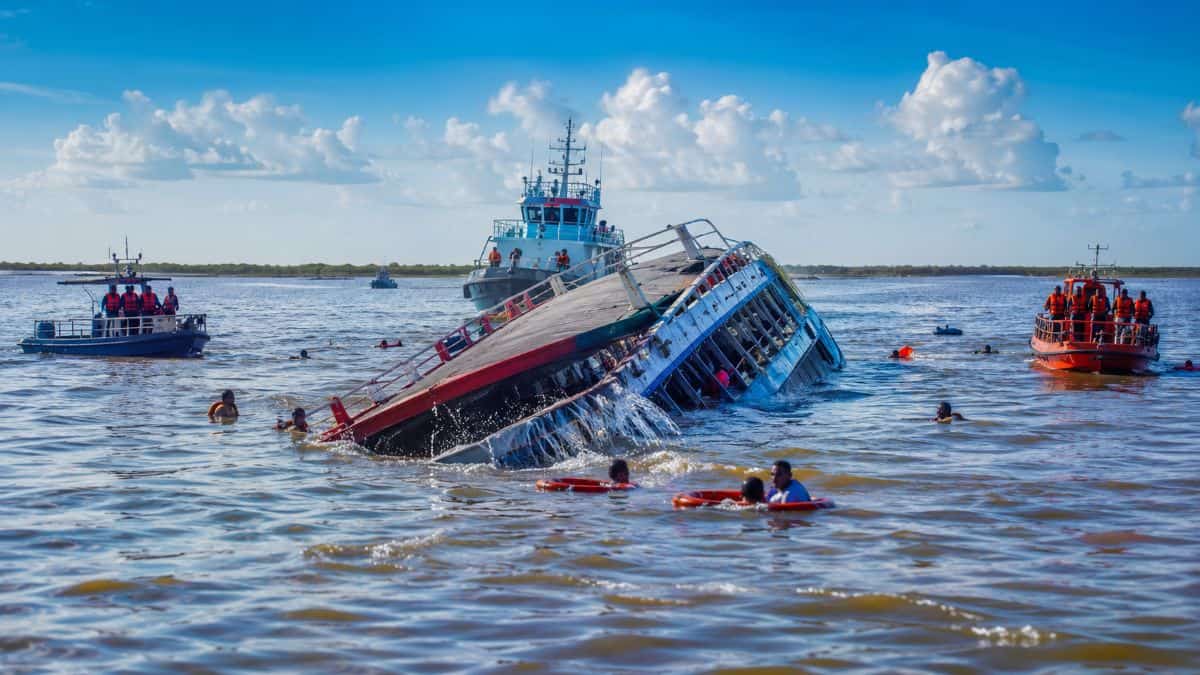
Guyana is confronting one of its most serious maritime emergencies in recent years after the passenger ferry MV Barima sank during its scheduled voyage from Georgetown to Port Kaituma, triggering an extensive search and rescue mission involving government agencies and private vessels. The incident has drawn regional attention across northern South America and the Caribbean, where ferry transportation remains an essential lifeline connecting remote communities. Authorities confirmed that the vessel was carrying 116 passengers when it encountered distress near Iron Punt. Initial rescue efforts brought several survivors to safety, while emergency responders continued searching for the remaining passengers.
The tragedy has renewed discussions about ferry safety standards, emergency preparedness, vessel maintenance, and maritime connectivity throughout the region. Neighboring countries including Suriname, Trinidad and Tobago, Brazil, and Venezuela closely monitor developments because water transport remains critical for trade, tourism, and passenger mobility across interconnected river systems and coastal routes. As Guyana mobilizes national resources under the leadership of senior government officials, the incident highlights the importance of coordinated maritime rescue capabilities and reinforces the need for continuous investment in passenger safety across regional ferry networks.
Advertisement
Advertisement
Guyana Responds to MV Barima Ferry Disaster
| Incident Details | Information |
|---|---|
| Country | Guyana |
| Vessel | MV Barima |
| Route | Georgetown to Port Kaituma |
| Passengers on Board | 116 |
| Incident Location | Near Iron Punt |
| Distress Call Received | 23:01 Local Time |
| Rescue Status | Search and rescue operations ongoing |
| Lead Government Response | Prime Minister Mark Phillips |
Guyanese authorities immediately activated emergency response protocols after receiving a distress signal from the MV Barima late at night. Government agencies coordinated with private boat operators to begin rescue operations in challenging maritime conditions.
Public Works Minister Juan Edghill confirmed that state resources were rapidly deployed while emergency coordination continued throughout the night. The government emphasized that saving lives remained the highest priority as rescue teams searched the surrounding waters.
Advertisement
Advertisement
How the Emergency Unfolded
| Timeline | Development |
|---|---|
| Scheduled Voyage | Ferry departed Georgetown for Port Kaituma |
| Emergency | Vessel reportedly capsized near Iron Punt |
| Distress Alert | Received at 23:01 local time |
| Immediate Response | Government launched search and rescue operation |
| Rescue Assets | State vessels and privately operated boats joined search efforts |
The MV Barima encountered distress during its regular passenger service connecting Georgetown with communities in northwestern Guyana.
Following the distress call, emergency authorities rapidly coordinated maritime assets to reach the accident site. Rescue teams worked under time-sensitive conditions as every minute became increasingly critical for locating survivors.
Advertisement
Advertisement
Officials have continued assessing the situation while gathering verified information regarding passengers and crew.
MV Barima: A Historic Passenger Ferry
| Vessel Information | Details |
|---|---|
| Name | MV Barima |
| Length | Approximately 40 metres (131 feet) |
| Year Built | 1939 |
| Passenger Role | Regional passenger ferry |
| Safety Equipment Reported | 250 life jackets, two rigid life crafts, six inflatable life crafts |
The MV Barima has served as an important transportation link for residents traveling between Georgetown and Port Kaituma.
According to available vessel information, the ferry measured approximately 40 metres in length and was originally built in 1939. Despite its age, authorities indicated the vessel carried significant emergency equipment, including hundreds of life jackets and multiple life craft intended to assist passengers during emergencies.
Investigators are expected to examine how the emergency unfolded and whether the available safety equipment functioned effectively during the evacuation.
Importance of Ferry Transportation in Guyana
| Transport Importance | Impact |
|---|---|
| Remote Community Access | Essential |
| Passenger Mobility | High |
| Regional Connectivity | Critical |
| Tourism Access | Significant |
| Supply Chain Support | Important |
Guyana’s geography presents unique transportation challenges. Rivers, coastal waterways, and remote settlements make ferries indispensable for thousands of residents who depend on regular passenger services.
Communities such as Port Kaituma rely heavily on water transport for daily travel, healthcare access, education, commercial activities, and tourism. Unlike regions connected by extensive highway infrastructure, many destinations remain accessible primarily by boat or aircraft.
Advertisement
Advertisement
The incident therefore affects not only passengers and families but also broader transportation confidence across the country’s river transport system.
Government Coordinates National Emergency Response
| Government Action | Purpose |
|---|---|
| Search and Rescue Deployment | Locate survivors |
| Multi-agency Coordination | Operational management |
| Private Vessel Support | Expand search coverage |
| Senior Leadership Oversight | National emergency response |
Prime Minister Mark Phillips assumed a leading role in coordinating the government’s response while emergency agencies continued operations.
The involvement of senior officials demonstrates the seriousness of the incident and the government’s commitment to directing available resources toward rescue efforts.
Authorities have continued issuing updates as information becomes verified, emphasizing accuracy rather than speculation while rescue operations remain active.
Regional Attention Across Northern South America
| Country | Regional Interest |
|---|---|
| Suriname | Cross-border transport connectivity |
| Trinidad and Tobago | Caribbean maritime safety |
| Brazil | Regional transportation monitoring |
| Venezuela | Northern South American waterways |
| Guyana | National emergency response |
The ferry incident has implications beyond Guyana because maritime transportation forms an essential component of regional mobility.
Neighboring countries maintain close transportation and commercial relationships through coastal shipping, river navigation, tourism, and passenger travel.
Advertisement
Advertisement
The accident reinforces the importance of regional cooperation in maritime emergency planning, search-and-rescue capability development, and passenger vessel safety standards.
Travel Industry Watches Maritime Safety Developments
| Tourism Impact Area | Significance |
|---|---|
| Passenger Confidence | High |
| Ferry Operations | Operational review |
| Travel Planning | Increased awareness |
| Emergency Preparedness | Renewed focus |
Although aviation dominates international tourism, ferries remain vital transportation infrastructure in many destinations worldwide.
Travel professionals recognize that safe ferry services are fundamental for tourism growth, especially in destinations where rivers and coastal waterways provide the primary connection between communities.
Industry observers will likely monitor the investigation’s findings to identify lessons that could strengthen maritime safety practices across similar ferry networks.
Maritime Safety Remains a Priority
Modern passenger ferry operations depend on several interconnected safety measures, including regular vessel inspections, trained crew members, emergency drills, communication systems, navigation equipment, weather monitoring, and accessible lifesaving equipment.
Authorities noted that the MV Barima reportedly carried extensive lifesaving equipment, including life jackets and life crafts. Investigators will examine operational procedures, environmental conditions, vessel performance, and emergency response timelines to determine the factors contributing to the sinking.
Advertisement
Advertisement
Such investigations often provide valuable recommendations that improve maritime regulations and operational standards throughout the industry.
What Travelers Should Know About Ferry Safety
Travelers using passenger ferries anywhere in the world benefit from understanding basic onboard safety procedures before departure.
Passengers should identify emergency exits, note the location of life jackets, listen carefully to crew instructions, remain aware of weather conditions, and follow official guidance during emergencies. Choosing licensed operators and respecting crew safety announcements also contribute to safer journeys.
While ferry travel remains one of the safest and most practical transportation options in many regions, preparedness and effective emergency planning remain essential components of maritime travel.
Investigation Expected Following Rescue Operations
Once rescue efforts conclude, maritime authorities are expected to launch a comprehensive investigation into the circumstances surrounding the sinking.
The inquiry will likely examine the vessel’s condition, maintenance history, operational procedures, weather conditions, communication records, emergency response effectiveness, and compliance with maritime regulations.
Advertisement
Advertisement
Findings from such investigations often influence future policy decisions, infrastructure investments, crew training programs, and passenger safety requirements.
Outlook for Guyana’s Maritime Sector
The immediate priority remains locating passengers and supporting affected families. Beyond the emergency response, the incident is expected to prompt renewed discussions about ferry fleet modernization, maritime infrastructure, emergency preparedness, and long-term transportation resilience.
As Guyana continues expanding its economy and strengthening regional connectivity, ensuring safe and reliable passenger transport will remain central to national development and tourism growth. Lessons emerging from the MV Barima tragedy could ultimately contribute to stronger maritime safety standards benefiting both residents and travelers across the wider region.
Frequently Asked Questions
1. What happened to the MV Barima?
The MV Barima reportedly sank near Iron Punt while traveling from Georgetown to Port Kaituma, prompting a large-scale search and rescue operation.
2. How many passengers were on board?
Authorities stated that the ferry was carrying 116 passengers.
3. Where was the ferry traveling?
The vessel was operating between Georgetown and Port Kaituma in Guyana.
Advertisement
Advertisement
4. Who is leading the government response?
Prime Minister Mark Phillips is leading the national government response alongside emergency agencies.
5. When was the distress call received?
Authorities received the distress call at approximately 23:01 local time.
6. What rescue resources have been deployed?
Government rescue teams, state vessels, and privately operated boats have participated in the search and rescue mission.
7. What safety equipment was reportedly on the ferry?
Officials said the ferry carried approximately 250 life jackets, two rigid life crafts, and six inflatable life crafts.
8. Why is ferry transportation important in Guyana?
Many remote communities rely on ferries for daily transportation, commerce, healthcare access, tourism, and essential services.
9. Will there be an official investigation?
Yes. Maritime authorities are expected to conduct a detailed investigation after rescue operations conclude.
10. What does this incident mean for travelers?
The tragedy underscores the importance of maritime safety, emergency preparedness, and following crew instructions when traveling on passenger ferries while authorities work to strengthen future safety measures.
Advertisement
