
Costa Rica Overtakes Dominica, Peru, Brazil, Traditional All-Inclusive Hubs and Crowded Caribbean and American Ports as Sustainable Travel Demands Explode with Immersive Rainforest Corridors, Luxury Eco-Expeditions, and Community-Led Blue Tourism Operations

Published
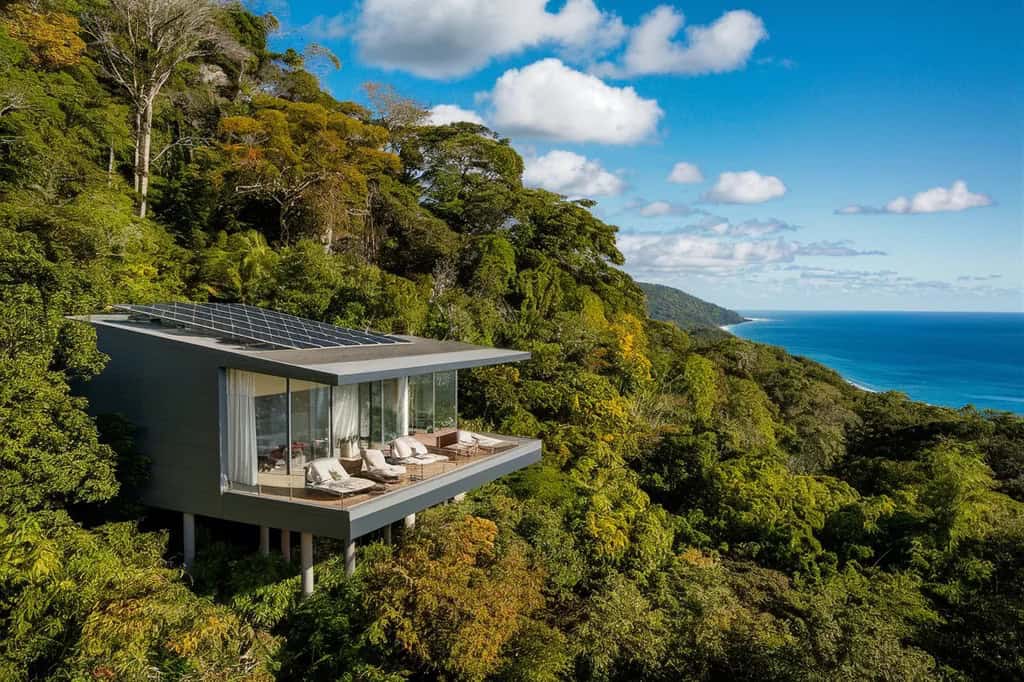
Image generated with Ai
Costa Rica overtakes Dominica, traditional all-inclusive hubs, and crowded Caribbean ports! Discover how sustainable travel demands explode through immersive rainforest corridors and luxury eco-expeditions.
A massive green revolution is transforming global tourism. Currently, Costa Rica overtakes Dominica as the ultimate eco-destination. Consequently, traditional all-inclusive hubs and crowded Caribbean ports are rapidly losing their market share. This shift occurs because sustainable travel demands explode across the entire region. Modern holidaymakers actively avoid generic, high-volume resorts. Instead, they seek out pristine, immersive rainforest corridors that protect native wildlife. Tourism operators are quickly adapting by offering premium, low-impact luxury eco-expeditions. Furthermore, community-led blue tourism operations are completely revitalising coastal economies, ensuring local communities benefit directly from conservation.
The global travel landscape is undergoing an irreversible structural shift. Mindful explorers are rapidly abandoning generic, high-volume holidays. They now actively seek carbon-negative, deeply authentic, and community-led wilderness experiences.
Recent data from the World Travel & Tourism Council indicates that Central and South America’s travel sectors are outperforming the global average in 2026 with a projected 4.1% GDP growth rate. Travelers no longer want simple checklists. Instead, they demand immersive, high-value journeys that directly fund localized habitat preservation and wildlife conservation.
Advertisement
Advertisement
Why is Costa Rica Still Winning the Global Green Race?
The Central American pioneer refuses to yield its sustainability crown. In March 2026, the nation secured the prestigious “Best Nature Destination” title at the inaugural Forbes Travel Awards in Madrid, validating its decades-long commitment to low-impact conservation.
Advertisement
Advertisement
The country protects a staggering 5% of global biodiversity within just 0.03% of the Earth’s surface. Furthermore, its legendary Certificate for Sustainable Tourism has institutionalized zero-waste hospitality. The state has newly deployed extensive electric vehicle charging grids deep inside remote biological reserves like the Osa Peninsula and Tortuguero National Park.
Mindful holidaymakers are combining high-adrenaline waterfall rappelling near Jacó with slow travel itineraries that allow them to spot resplendent quetzals without disrupting delicate breeding cycles. Rather than supporting international conglomerates, travelers choose family-owned restaurants known locally as sodas. This ensures their financial contributions stay directly within the rural economies hosting them.
“The global hospitality market is experiencing a massive, irreversible structural realignment. As this report clearly demonstrates, Costa Rica overtakes Dominica, traditional all-inclusive hubs, and crowded Caribbean ports because modern consumers have fundamentally changed what they value. Wealthy travellers no longer want isolated, artificial luxury that exploits local resources. Instead, sustainable travel demands explode because people want their holidays to have a positive ecological impact.
Advertisement
Advertisement
By investing heavily in immersive rainforest corridors and premium, low-impact luxury eco-expeditions, these forward-thinking destinations have successfully commercialised habitat preservation. This is a brilliant economic strategy. It proves that leaving a forest standing or a coral reef intact generates far more long-term revenue than traditional, high-volume mass tourism. Furthermore, the rapid growth of community-led blue tourism operations addresses the historical issue of economic leakage. By keeping tourism spend directly within local coastal economies, these initiatives turn native communities into active protectors of their own natural infrastructure.
Ultimately, this shift leaves mass-market travel brands with a stark choice: adapt or become obsolete. Crowded cruise terminals and generic resorts are increasingly viewed as outdated concepts. The future belongs entirely to regenerative models that seamlessly combine high-end hospitality with strict, legally mandated environmental conservation. This news report serves as a timely wake-up call for the global leisure industry, proving that environmental sustainability is no longer just an ethical choice—it is now the primary driver of commercial profitability.”
Advertisement
Advertisement
— Anup Kumar Keshan, Founder and Editor-in-Chief, Travel And Tour World
How is the Caribbean Re-engineering Its Sun and Sand Image?
The Caribbean is notoriously vulnerable to economic leakage. Historically, up to 80% of holiday spending immediately left the region through foreign-owned cruise lines and all-inclusive chains.
However, the landmark 2026 Caribbean Travel Trends Report reveals that the region is entering a highly strategic phase focused on demand diversification. Luxury boutique eco-lodges are quickly outpacing traditional resorts. Islands are capitalizing on a remarkable 117% surge in premium travelers originating from South American source markets like Peru and Argentina.
Leading this regional green revolution is the rugged island of Dominica. Known globally as the “Nature Isle,” it posted a spectacular 22% year-over-year tourism growth rate. By rejecting massive cruise ship infrastructure, Dominica successfully shields its volcanic boiling lakes and the pristine Morne Trois Pitons National Park.
The island uses funds generated by its strict Citizenship by Investment program to build climate-resilient infrastructure. Meanwhile, nearby St. Kitts & Nevis is championing “Blue Tourism” initiatives. These community-led projects focus heavily on coral reef rehabilitation, youth-driven mangrove restoration, and strict bans on single-use plastics.
Advertisement
Advertisement
Can the Amazon Basin Balance Survival and Green Travel?

Image generated with Ai
This emerging travel preference perfectly aligns with global data as TTW reveals 50 best eco tourism destinations in the world for 2026, establishing that sustainable, low-impact mountain infrastructure has become the primary driver for high-end international leisure bookings.
The world’s largest tropical rainforest is facing intense ecological pressure from illegal logging and climate change. To fight back, the nine nations sharing the Amazon Basin have turned to Community-Based Ecotourism as a primary shield.
By placing the ownership of eco-lodges directly into the hands of indigenous communities, the region creates an immediate economic alternative to resource extraction. Statistics show that roughly 75% of adventure travel revenue stays within local economies when operations are run by indigenous communities.
Travelers spend days navigating the complex river channels of the Peruvian and Brazilian Amazon alongside native guides who interpret the medicinal uses of endemic flora. Guests stay in cabins built entirely out of certified recycled wood, using solar-harvested power and localized water filtration systems. This model successfully transforms tourists into active financial backers of indigenous territorial rights.
What Role Does Tech Play in Modern Wilderness Protection?
Eco-tourism in 2026 is no longer analog. The rise of “Tech-Enabled Conservation” allows travelers to actively monitor their environmental footprints through dedicated regional mobile applications.
Advertisement
Advertisement
Visitors use advanced citizen science platforms to upload geo-tagged wildlife photos. These images help field biologists track the movements of elusive jaguars (Panthera onca) through the dense thickets of the Brazilian Pantanal.
Furthermore, these digital platforms allow visitors to easily verify the green certifications of local transport providers before booking. Tourists can instantly calculate the precise carbon emissions of their internal travel, with offsetting funds routed automatically to verified community permaculture farms. This transparent integration of technology reduces greenwashing, giving modern travelers clear proof that their money is protecting vulnerable ecosystems.
What is the Future of Travel Across the Americas?
The transition from basic sustainability to active regenerative tourism is defining the future of the Americas. Travel operators are adjusting to a marketplace where travelers demand that their presence leaves a destination visibly better than they found it.
Global sustainable tourism investments are expanding rapidly. Industry projections indicate the sector could reach an astonishing $11.4 trillion globally by 2032.
The focus has shifted entirely away from maximizing raw visitor volume. Instead, destinations are prioritizing high-value, low-footprint travelers who respect local customs and stay longer. By protecting their natural wealth, the nations of the Americas and the Caribbean are proving that habitat preservation is the most profitable long-term strategy available.
Advertisement
Advertisement
The Osa Peninsula stands out as an incredibly wild natural wonder. It contains an impressive variety of flora and fauna.Travelers can discover sustainable tourism initiatives that protect this vast biological corridor. The famous Corcovado National Park provides an intimate look at rare ecosystems. Visitors frequently encounter endangered Baird’s tapirs (Tapirus bairdii) alongside loud troops of squirrel monkeys moving through the dense canopy.
Hinged on strict entry rules, the park allows only a limited number of guided adventurers per day. This smart measure prevents the trail degradation often caused by destructive mass tourism. You can trek to the remote Sirena Ranger Station to see pristine coastal rainforests up close. The surrounding buffer zone features elite eco-lodges that blend seamlessly into the green landscape. Properties like Lapa Rios Lodge use solar power grids to minimise their carbon footprints. They offer comfortable bungalows that put you right next to passing scarlet macaws.
Where Can You Taste the Authentic Flavours of Costa Rica’s Rainforests?

Image generated with Ai
This structural shift is heavily backed by global industry data as TTW announces top 30 eco-tourism destinations in the Americas and Caribbean for 2026, proving that nature-focused infrastructure is now the absolute primary driver of modern international luxury travel bookings.
The culinary scene on the peninsula emphasizes fresh, locally sourced ingredients. Talented local chefs are reimagining classic Central American dishes. You can book an organic dining experience at farm-to-table restaurants that use produce grown in their own backyard gardens. Establishments like El Gavilán Restaurant at Playa Cativo Lodge serve delicious dishes made with freshly picked jungle herbs. They work closely with local artisanal fishers to source only responsibly caught seafood.
For a truly traditional meal, stop by the small family-run eateries known as sodas. These rustic spots serve Casado, a nourishing platter of rice, black beans, fried plantains, and fresh corn tortillas. The open-air restaurant El Eclipse Total at Luna Lodge provides an amazing jungle atmosphere. Diners can enjoy freshly baked whole-grain bread and exotic tropical juices while listening to the sounds of the forest. The kitchen transforms native ingredients like cassava and sweet sweet potatoes into modern culinary art. This focus on local sourcing ensures that your holiday spending supports nearby farming families.
Advertisement
Advertisement
Which Volcanic Wonders Define Dominica’s Geothermal Landscape?
Dominica offers a dramatic alternative to flat, sandy Caribbean resorts. The island features a rugged landscape shaped by powerful volcanic activity. Adventurers can explore climate-resilient travel hubs that highlight the island’s unique mountain geography. The Morne Trois Pitons National Park stands as a beautiful UNESCO World Heritage site filled with geothermal marvels. Its main attraction is the famous Boiling Lake, a flooded fumarole filled with bubbling grey-blue water.
The hike to the lake requires good physical fitness and a knowledgeable local guide. Along the way, you will cross the stark, sulfur-stained landscape of the Valley of Desolation. Afterwards, you can swim through the narrow volcanic rock walls of Titou Gorge. This deep swimming hole rewards tired hikers with a refreshing dip in hidden pools. Nearby, Champagne Reef features underwater geothermal vents that create streams of warm bubbles. Scuba divers can float through these natural bubbles while observing colourful coral formations.
How is Secret Bay Revolutionising Fine Dining in the Caribbean?
Dominica’s luxury scene sets a brilliant example for sustainable travel. The island rejects large cruise ship terminals to focus on low-impact boutique luxury instead. Food lovers can discover innovative culinary experiences that celebrate local Caribbean ingredients. The renowned Bwa Denn restaurant at Secret Bay offers an intimate, two-level dining space set right against the forest. The kitchen operates on an exciting “no-menu” concept led by creative local chefs.
The daily menu changes based on what local fishermen catch each morning. Guests can enjoy a curated six-course Discovery Menu at Zing Zing restaurant, which is limited to just twenty seats per evening. The dishes feature fresh lobster, locally caught mahi-mahi, and seasonal fruits like soursop. For a more casual meal, the iconic Purple Turtle Beach Club in Portsmouth provides a relaxed waterfront setting. You can sample traditional callaloo soup seasoned with aromatic herbs grown in nearby backyards. This approach to dining creates a strong economic link between high-end resorts and local food producers.
Where Should You Go to Witness the Real Peruvian Amazon?
The Peruvian Amazon is a massive wilderness teeming with unique wildlife. It is split into two major regions, each offering different river adventures. Travelers can research indigenous community conservation projects that protect these vulnerable habitats. The northern Pacaya Samiria National Reserve showcases an incredible flooded forest ecosystem. Visitors can cruise down the dark waters to spot beautiful pink river dolphins (Inia geoffrensis).
Advertisement
Advertisement
In the south, the Tambopata National Reserve is famous for its vibrant macaw clay licks. Large flocks of colourful parrots gather along the riverbanks at dawn to feed on mineral-rich clay. For a truly immersive stay, the Treehouse Lodge near Iquitos suspends its guests in comfortable bungalows built high in the trees. You can walk along elevated canopy bridges to view monkeys and sloths at eye level. Meanwhile, the Wayqecha Cloud Forest Lodge offers a cooler mountain setting. Guests can walk along mist-covered orchid trails while learning from visiting international scientists.
What Secrets Lie Within the Ancient Food Traditions of the Amazon?

Image generated with Ai
Jungle cuisine relies on ancient cooking methods that protect natural resources. Native communities use local ingredients to create delicious, Earth-friendly meals. You can sample authentic Amazonian dishes that reflect the deep history of the rainforest. The most famous local specialty is Juane, a traditional dish made for long jungle journeys. It features a seasoned mix of chicken, rice, and local spices wrapped neatly in bijao leaves.
The leaves are tied tightly and boiled over open wood fires to create a rich, smoky flavor. The open-air dining room at Tahuayo Lodge serves this traditional meal alongside fresh jungle fruits like camu camu. The lodge kitchen also prepares sustainably harvested paiche fish sourced from community-managed lakes. Diners can enjoy these dishes paired with refreshing juices made from wild cupuaçu fruits. This traditional style of cooking avoids processed ingredients and supports local sustainable farming. It provides a delicious way for conscious travelers to connect with the living history of the Amazon.
What triggered this sudden travel realignment? The primary cause is severe environmental degradation. For decades, traditional all-inclusive hubs and crowded Caribbean ports generated massive pollution and heavy economic leakage. The clear answer to this crisis is a regional pivot toward conservation. Costa Rica overtakes Dominica because it actively restores ecosystems. The commercial reason for this success is a shift in consumer psychology. Today’s wealthy travellers willingly pay premium rates for immersive rainforest corridors. Ultimately, luxury eco-expeditions and community-led blue tourism operations provide authentic wilderness experiences that mass-market travel brands simply cannot replicate.
Ultimately, the global hospitality landscape has changed forever. Gigantic, destructive holiday complexes are no longer appealing to modern travellers. Instead, Costa Rica overtakes Dominica by proving that habitat preservation is highly profitable. By developing immersive rainforest corridors, these forward-thinking nations successfully protect vulnerable biodiversity while boosting rural economies. High-end luxury eco-expeditions and community-led blue tourism operations have set a new benchmark for the industry. As sustainable travel demands explode globally, traditional all-inclusive hubs and crowded Caribbean ports must modernise. Protecting the planet is officially the world’s ultimate luxury commodity.
Advertisement
