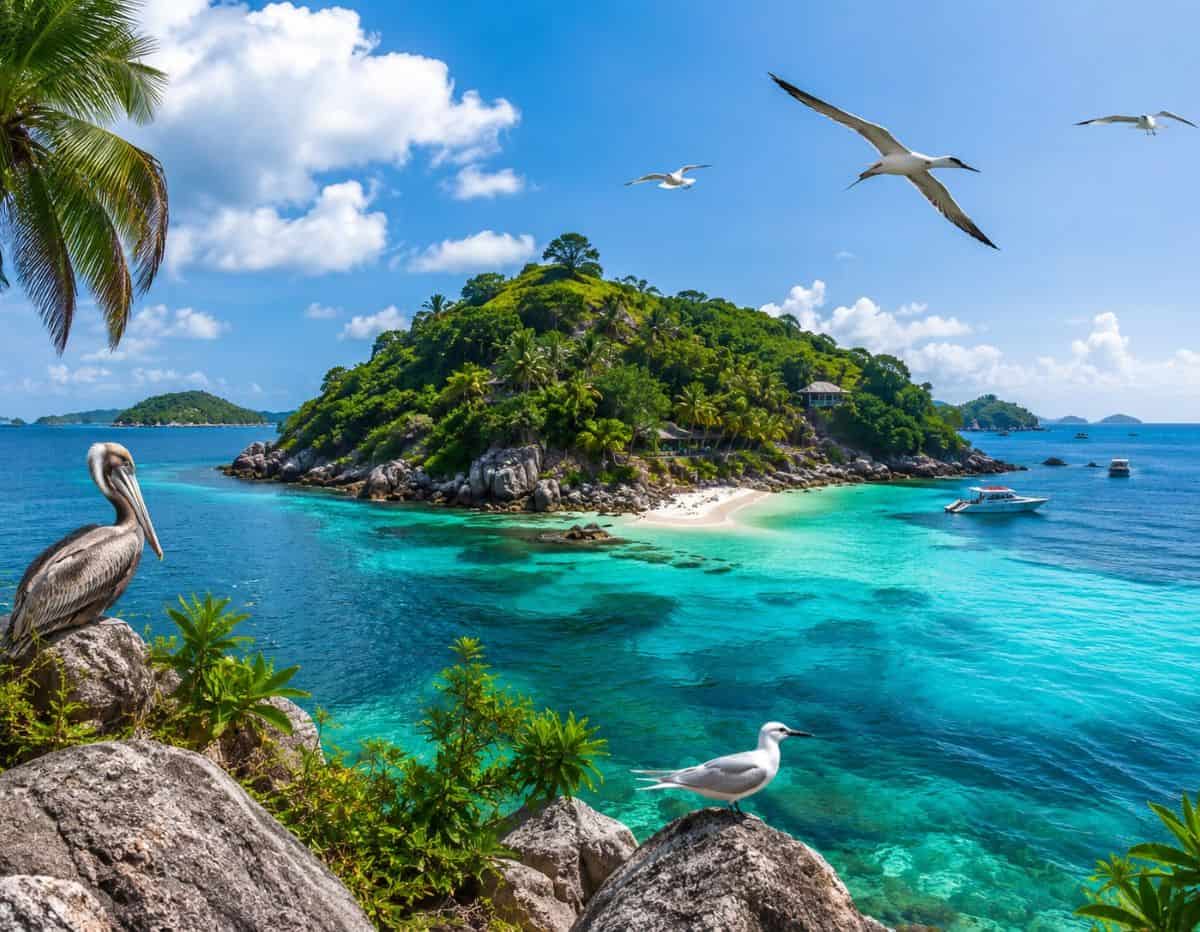
Image generated with Ai
There is more to Brazil than its famous Rio carnival. The Amazon and the cerrados are Brazil’s greatest treasures. Every elusive cat or tail of a macaw can be found in Brazil’s expansive wildlife. Brazil showcased more than its picture-perfect landscapes of the country at the Global Bird Fair in Rutland, UK. Through their presentation of wildlife, ecotourism, and sustainable travel, they won the audiences’ heart. There is something enchanting about nature. Something that is both captivating and inspiring. It’s the ability that undisturbed nature has to sweep you off your feet. The Brazilian delegation left a special kind of magic at Rutland. It’s a magic that we as travelers appreciate more than beautiful architecture or furniture. It lies in the moments that remind us about the true award of travel.
How Does Brazil’s Expanded Presence in Rutland Showcase Its Breathtaking Biomes Across South America?
Observers noted that the South American nation returned to the event in Rutland for its second consecutive year, dramatically enlarging its exhibition footprint to accommodate a formidable delegation. A cohesive group of twelve regional representatives gathered under a unified banner, bringing forward the unique ecological assets of places like Bahia, Mato Grosso do Sul, Mato Grosso, and the coastal haven of Ilhabela in São Paulo. Observers emphasized that this united front effectively displayed the incredible geographic contrast of the country, ranging from aquatic wonderlands to sprawling rainforest canopies. Furthermore, the delegation focused heavily on fostering commercial ties with European operators and specialized itinerary planners, proving that regional destinations can collectively market their resources to achieve maximum international visibility and economic growth.
Industry experts reported that the extended presence enabled local authorities to demonstrate how managed tourism infrastructure actively shields endangered biomes from human encroachment. Rather than offering basic marketing displays, regional experts provided thorough explanations regarding community-led conservation efforts and ethical wildlife management. The global hospitality and tour operating sectors watched closely as these rural regions illustrated how sustainable visitor management builds local financial resilience. Consequently, this collaborative delegation set a new standard for international destination management, proving that ecological protection and commercial profitability can thrive hand-in-hand when backed by clear state vision and community engagement.
Advertisement
Advertisement
What Extraordinary Wildlife Encounters and Conservation Journeys Await Eager International Tourists?
Promotional reports highlighted an extraordinary assortment of low-impact itineraries designed to immerse visitors in raw, untouched ecosystems. Enthusiasts learned about specialized birdwatching routes that traverse dense forests and wetlands, offering rare glimpses of endemic bird species like the brilliant hyacinth macaw and vibrant toucans. Beyond avian excursions, observers detailed how guided expeditions lead travellers deep into the Pantanal for high-stakes jaguar safaris, while coastal ventures off Ilhabela offer world-class humpback whale watching. These carefully curated journeys combine thrilling animal encounters with rigorous educational frameworks, ensuring that every excursion minimizes environmental disturbance while maximizing ecological awareness.
Analyses revealed that these specific tourism activities generate profound socio-economic benefits for remote populations and wilderness areas alike. Revenue collected from high-value, low-density travel directly supports anti-poaching units, habitat restoration projects, and long-term scientific research programs across South America. Furthermore, by placing indigenous guides, regional lodges, and local craftsmen at the core of the visitor experience, these initiatives transform standing forests and living fauna into invaluable economic assets. The global travel industry increasingly views this approach as a essential blueprint for preserving fragile environments while uplifting marginalized rural economies.
Why Are British Travellers Suddenly Flocking to Brazil in Unprecedented Numbers for Ecotourism?
Advertisement
Advertisement
Statistical evaluations indicated a significant realignment in consumer preferences among United Kingdom vacationers, who are increasingly prioritizing sustainability over traditional leisure trips. Official movement data showed an impressive 11.23% increase in British arrivals to Brazil during the first five months of the year, underscoring a strong appetite for wilderness immersion. Experts noted that travellers are deliberately moving away from overcrowded, commercial resort districts in search of deep emotional connections with pristine natural habitats. This shift in visitor behavior reflects a broader global movement toward purposeful travel, where holidaymakers demand transparency, authenticity, and environmental accountability from their chosen destinations.
Economic assessments underlined that this steady influx of UK tourists creates a reliable financial stream that flows directly into rural conservation funds and local infrastructure projects. As international visitors spend capital on guided nature tours and eco-lodges, regional municipalities receive essential tax revenue that funds public amenities and environmental monitoring. The decision to deepen marketing efforts in Rutland strategically capitalizes on this growing market segment, ensuring a steady stream of eco-conscious consumers. Consequently, the global travel sector anticipates that this mutually beneficial relationship will continue to strengthen, driving sustainable development across remote South American communities.
How Will New Digital Platforms Revolutionize Planning for International Natural Park Visits and Sustainable Travel?
Technology experts highlighted the official introduction of the specialized Natural Parks platform, developed by public tourism authorities under the Visit Brasil initiative to streamline reservation logistics. This digital portal was specifically created to assist international visitors in researching, mapping out, and securing entry permits for protected wilderness areas, national reserves, and wildlife sanctuaries across every territory. By centralizing trail regulations, entry permits, and certified local guide contacts into one easily navigable interface, the system removes long-standing logistical hurdles for independent global explorers.
Industry specialists observed that this technological breakthrough drastically improves how delicate ecosystems manage visitor density and environmental foot traffic. The platform provides real-time updates regarding daily park capacities, seasonal breeding closures, and mandatory safety protocols, ensuring that human visitation never exceeds ecological limits. As a result, international adventurers can arrange complex itineraries through Bahia, Mato Grosso, or São Paulo with complete peace of mind, knowing their journeys align with strict conservation standards. This digital evolution establishes a forward-thinking framework for global national park management in an increasingly tech-driven travel market.
Summary of Strategic Global Ecotourism Expansion
Representatives successfully expanded the nation’s global footprint at the Global BirdFair in Rutland, United Kingdom, showcasing remarkable wildlife, ecotourism, and sustainable travel frameworks. Regional highlights from Bahia, Mato Grosso do Sul, Mato Grosso, and Ilhabela proved crucial in attracting international attention and securing vital conservation funding. Furthermore, the rollout of the digital Natural Parks platform simplified travel logistics while maintaining strict environmental oversight. Ultimately, this proactive approach demonstrates how targeted sustainable marketing protects delicate planetary biodiversity while supporting long-term economic prosperity for local communities.
The Final Verdict
There is more to Brazil than its famous Rio carnival. The Amazon and the cerrados are Brazil’s greatest treasures. Every elusive cat or tail of a macaw can be found in Brazil’s expansive wildlife. Brazil showcased more than its picture-perfect landscapes of the country at the Global Bird Fair in Rutland, UK. Through their presentation of wildlife, ecotourism, and sustainable travel, they won the audiences’ heart. There is something enchanting about nature. Something that is both captivating and inspiring. It’s the ability that undisturbed nature has to sweep you off your feet. The Brazilian delegation left a special kind of magic at Rutland. It’s a magic that we as travelers appreciate more than beautiful architecture or furniture. It lies in the moments that remind us about the true award of travel.
Advertisement
Tags: brazil, south america, Tourism Trends, Travel News
Advertisement
Advertisement











Wednesday, September 2, 2026

Tuesday, September 1, 2026

Wednesday, September 2, 2026

Wednesday, September 2, 2026

Tuesday, September 1, 2026
Tuesday, September 1, 2026

Tuesday, September 1, 2026

Tuesday, September 1, 2026