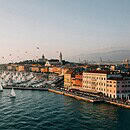
Image generated with Ai
Turkey’s tourism sector is witnessing a powerful resurgence, marked by a significant rise in British visitors despite ongoing geopolitical tensions across the broader region. Official figures released through government-backed tourism agencies indicate a 16 percent year-on-year increase in arrivals from the United Kingdom, underscoring a growing confidence among travelers who are increasingly separating global headlines from on-ground realities. The surge becomes even more dramatic when examining short-term spikes, with a remarkable 64 percent increase recorded during the final week of March, suggesting a strong momentum heading into peak travel months. This sharp uptick reflects not only seasonal demand linked to holiday calendars but also a deeper transformation in traveler behavior, where value, accessibility, and perceived safety outweigh geopolitical anxieties. Turkey’s coastal destinations, long known for their scenic beauty and hospitality infrastructure, are now re-emerging as top contenders in the competitive Mediterranean tourism landscape.
Data aligned with official tourism bodies highlights a critical trend shaping travel decisions: consumer confidence remains resilient even amid regional uncertainty. Government advisories from the United Kingdom continue to maintain a cautious tone regarding developments in surrounding regions, yet they stop short of issuing strict prohibitions against travel to Turkey’s major tourist zones. This nuanced stance has played a crucial role in sustaining demand, allowing tour operators and airlines to maintain operations without significant disruptions. The absence of stringent travel restrictions has effectively acted as a green signal for British holidaymakers, many of whom are prioritizing experiential value over geopolitical noise. The data suggests that travelers are making more informed decisions, relying on verified government guidance rather than reacting solely to media narratives. This shift reflects a broader evolution in global tourism, where travelers are becoming more discerning and data-driven in their choices.
Advertisement
One of the most compelling factors behind Turkey’s tourism growth lies in its geographic positioning, which places its key tourist hubs far from areas of conflict. Cities such as Antalya, Bodrum, and Izmir are located hundreds of miles away from zones experiencing instability, offering a sense of separation and security that resonates strongly with international visitors. Government-backed tourism messaging has emphasized this distance, helping to reassure travelers about safety conditions. The strategic communication of geographic realities has proven effective in countering perceptions of risk, enabling Turkey to maintain its reputation as a safe and accessible destination. This clarity has been instrumental in influencing travel decisions, particularly among British tourists who are increasingly prioritizing destinations that combine accessibility with a perceived sense of stability.
Economic pressures across Europe have significantly altered travel patterns, with rising costs in traditional destinations pushing tourists to explore alternatives. Turkey has emerged as a standout option due to its exceptional value for money, offering high-quality accommodations, dining, and experiences at comparatively lower prices. Currency dynamics and competitive pricing strategies have further enhanced its appeal, allowing travelers to enjoy premium experiences without exceeding their budgets. Government tourism initiatives have actively promoted this advantage, positioning Turkey as a destination where affordability does not compromise quality. For British travelers facing inflationary pressures at home, this combination of affordability and luxury has become a decisive factor, driving increased bookings and repeat visits.
Advertisement
Turkey’s ability to accommodate growing demand is closely linked to sustained investment in tourism infrastructure and capacity expansion. Government-supported projects have focused on enhancing airport efficiency, expanding hotel capacity, and improving transportation networks, ensuring a seamless travel experience for international visitors. These developments have enabled the country to absorb a significant influx of tourists without compromising service quality. The expansion of modern facilities and improved connectivity has also strengthened Turkey’s competitiveness against other Mediterranean destinations. By aligning infrastructure development with tourism growth strategies, the country has created a robust framework capable of supporting long-term demand while maintaining high standards of hospitality.
The dramatic rise in visitor numbers during the final week of March highlights the influence of holiday-driven travel patterns, particularly the timing of Easter in 2026. This seasonal alignment has amplified demand, with many British travelers opting for early spring getaways to Turkey’s coastal resorts. Government tourism data indicates that such calendar-driven spikes play a significant role in shaping annual trends, often setting the tone for the upcoming summer season. The strong performance during this period suggests that Turkey is well-positioned to capitalize on sustained demand, potentially extending its growth trajectory into the peak holiday months. This early momentum serves as a powerful indicator of the country’s resilience and adaptability in a dynamic tourism environment.
As the summer season approaches, Turkey is increasingly poised to challenge established leaders in Mediterranean tourism. Destinations traditionally favored by British travelers are facing growing competition as Turkey leverages its unique combination of affordability, safety, and infrastructure readiness. Government-backed tourism campaigns continue to emphasize these strengths, positioning the country as a compelling alternative to more expensive European destinations. The current trajectory suggests that Turkey could not only match but potentially surpass its previous tourism records, reshaping the competitive landscape of the region. This shift reflects a broader rebalancing within Mediterranean tourism, where emerging preferences are redefining long-standing travel patterns.
The surge in British visitors to Turkey ultimately points to a broader transformation in global travel behavior. Travelers are no longer guided solely by tradition or familiarity but are increasingly influenced by value, verified information, and personal confidence in their choices. Government data and advisory frameworks have played a crucial role in enabling this shift, providing travelers with the clarity needed to make informed decisions. Turkey’s success in attracting British tourists despite regional tensions underscores the importance of strategic communication, infrastructure investment, and competitive positioning in shaping tourism outcomes. As the travel industry continues to evolve, Turkey’s experience offers valuable insights into how destinations can adapt to changing dynamics and capture emerging opportunities in a highly competitive market.
Advertisement
Advertisement
Advertisement
Advertisement
Advertisement











Wednesday, September 2, 2026

Wednesday, September 2, 2026

Wednesday, September 2, 2026

Wednesday, September 2, 2026

Wednesday, September 2, 2026

Tuesday, September 1, 2026

Wednesday, September 2, 2026

Wednesday, September 2, 2026