
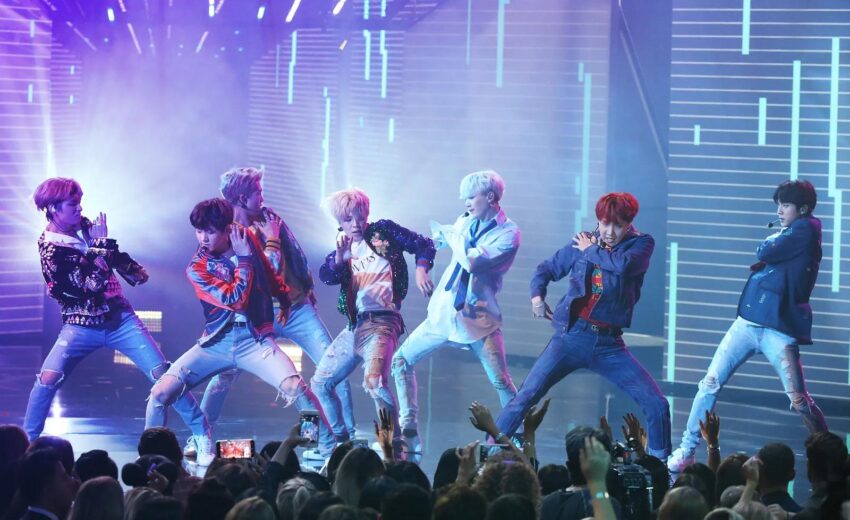
Image generated with Ai
A new wave of travel behaviour is spreading rapidly across the globe. Fans are no longer travelling only for leisure or traditional sightseeing. Instead, they are planning international trips around live music experiences. Reunion concerts of globally popular artists are becoming powerful travel magnets.
This shift is clearly visible in the growing demand for flights, hotels, and city tours during major concert events. Cities hosting large-scale performances are now experiencing sudden spikes in tourist arrivals. Travel companies are adapting quickly to this trend by creating music-focused holiday packages.
Advertisement
The result is a new form of tourism where entertainment and travel are deeply connected. Concert dates are now influencing global mobility patterns in a way never seen before.
Large concerts are now being treated as economic engines by tourism planners. When major global artists perform, entire cities feel the financial impact. Hotels fill up faster, transport systems become busier, and local attractions see increased footfall.
Advertisement
Advertisement
This pattern is especially strong in destinations known for hosting international events. Tourism boards are increasingly recognising music events as strategic tools to boost arrivals and spending. The impact goes beyond ticket sales, extending into restaurants, retail shops, and local experiences.
Small businesses also benefit significantly. Street vendors, souvenir sellers, and local transport operators often see increased income during concert weekends. This chain reaction strengthens the overall tourism economy in host cities.
Modern travellers are planning their journeys in a very different way. Instead of choosing destinations first, many fans now choose concert dates first. Travel plans are built around event calendars, often months in advance.
This behaviour is creating a structured pattern of seasonal tourism peaks. Airlines adjust flight availability, and hotels prepare for sudden demand surges. Even visa applications and tour bookings are influenced by concert announcements.
Travellers also extend their stay to explore surrounding attractions. A concert trip often turns into a full holiday experience, including sightseeing, food exploration, and cultural visits. This increases the economic value of each visitor significantly.
Concert tourism is not limited to the performance itself. Fans often use the opportunity to explore the culture of the host country. This includes visiting museums, historical landmarks, shopping districts, and local food markets.
This cultural extension of travel adds depth to the tourism experience. Visitors engage more deeply with destinations and often return for longer holidays in the future. It also encourages cultural exchange between international fans and local communities.
The combination of music and tourism creates a stronger emotional connection with destinations. Travellers remember not only the concert but also the city that hosted it. This long-term impact benefits destination branding and international reputation.
Online fan communities play a major role in shaping modern travel behaviour. Information about concerts spreads instantly across social media platforms. Fans from different countries coordinate travel plans through digital networks.
This digital connectivity allows large groups of travellers to move in sync across borders. Hotel bookings, flight reservations, and ticket purchases often happen within hours of announcements. This creates a sudden surge in global travel demand.
Social media also influences destination choices. Fans share travel guides, accommodation tips, and local recommendations online. This peer-to-peer exchange reduces travel uncertainty and encourages more international movement.
Governments and tourism authorities are increasingly responding to the rise of music-driven travel. Large concerts are now considered important events in tourism planning strategies. Cities invest in infrastructure to handle the influx of international visitors.
Transport systems are upgraded, public safety measures are strengthened, and event logistics are carefully managed. These preparations ensure smooth movement of large crowds during concert periods.
Tourism boards also promote cities as entertainment destinations. Hosting global artists helps position cities on the international tourism map. This long-term strategy supports economic growth and global recognition.
The connection between music and tourism is expected to grow even stronger in the coming years. Reunion concerts and global tours will continue to attract millions of international travellers.
This trend is reshaping how people view travel. It is no longer just about relaxation or sightseeing. It is also about shared experiences, emotions, and global cultural connection.
Travel industries are already adapting to this change. Airlines, hotels, and tour operators are designing packages specifically for concert travellers. Cities are competing to host major events to attract global attention.
As this trend expands, music will continue to play a central role in shaping international tourism. Concerts are becoming more than performances. They are becoming global travel events that connect people, cultures, and economies across borders.
Advertisement
Advertisement
Advertisement













Friday, September 4, 2026

Friday, September 4, 2026

Friday, September 4, 2026

Thursday, September 3, 2026

Wednesday, September 2, 2026

Friday, September 4, 2026
Friday, September 4, 2026