
Budapest Bans Holiday Rentals in Popular Tourist Area to Tackle Overtourism: What it Means for Visitors in 2026

Published
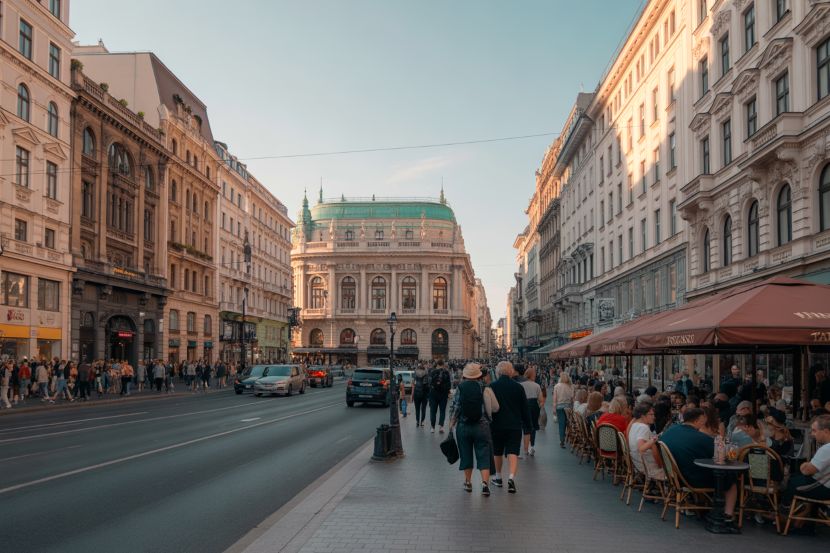 Image generated with Ai
Budapest, Hungary’s capital, is taking a firm stance against overtourism. From January 1, 2026, the popular 6th district, Terézváros, known for its rich cultural and tourist attractions, will officially ban all short-term holiday rentals, including platforms like Airbnb. This move is part of an ongoing effort to restore balance to the district and tackle the increasing pressure from tourism on local residents.
For years, Terézváros has served as Budapest’s Broadway, with a vibrant arts scene, historic theatres, and restaurants along Andrássy Avenue, one of the city’s busiest shopping streets. However, with rising short-term rental listings, locals have voiced concerns over the growing displacement of residents. Now, local authorities are taking action to curb the boom in holiday rentals, which has led to more tourists than long-term inhabitants in some buildings.
Advertisement
Advertisement
Why the Ban is Happening: A Response to Overtourism
Since 2020, short-term holiday rentals in Budapest have surged by 80%. In the 6th district alone, it is reported that up to 50% of the apartments are rented out via Airbnb, displacing locals and transforming the once-residential area into a tourist zone. The Hungarian government and local authorities decided to implement this ban as part of a broader strategy to preserve the character of historic districts and maintain the city’s liveability for residents.
Local officials highlighted that the decision was legally backed by Hungary’s Supreme Court, which ruled that the regulation could be enforced starting in 2026. The law will only affect holiday rentals, leaving traditional hotels and B&Bs untouched. This could lead to increased competition for hotel spaces, potentially raising accommodation prices in the city.
Advertisement
Advertisement
The Impact on Business and Tourism: What Travelers Need to Know
This holiday rental ban is bound to shake up how travelers approach booking stays in Budapest. Here’s a quick breakdown of the key impacts:
- Limited Accommodation Options: With Airbnb listings being pulled from Terézváros, tourists looking to stay in the heart of Budapest will need to rely on traditional hotels or B&Bs. While this can offer more regulated service, it might also lead to higher room rates, particularly in the most sought-after areas.
- Increased Hotel Prices: As Airbnb becomes less of an option, hotel prices are likely to rise due to increased demand. Travelers may find themselves booking further in advance to secure affordable rates, especially during the peak tourist seasons.
- The Rise of Alternative Areas: Tourists who want to avoid the potential price hikes and overcrowded districts might look to other parts of Budapest for short-term rentals. The city’s outskirts and other, lesser-known districts might see a surge in visitors.
- Changes in Local Atmosphere: The move aims to preserve the local feel of Terézváros, but for tourists seeking the lively, tourist-filled atmosphere, this could be a double-edged sword. While some might miss the vibrant street scenes, others may appreciate a quieter experience in the heart of the city.
Key Points to Remember for Tourists:
- The ban only affects short-term rentals such as those on Airbnb, not traditional hotels.
- Starting from 2026, tourists will need to book hotel stays or B&Bs in Terézváros, as Airbnb rentals will be prohibited.
- Hotel prices may increase due to reduced availability of short-term rentals.
- Tourists may want to consider exploring other districts in Budapest for more affordable and authentic stays.
Alternatives for Travelers:
For travelers planning a visit to Budapest, it’s important to plan ahead. Here are a few tips to navigate the changing accommodation landscape:
Advertisement
Advertisement
- Book Early: With fewer short-term rentals available, hotel spaces may become scarce, especially during the peak tourist seasons. Early booking will help secure better prices and options.
- Explore New Areas: Consider staying outside the heavily tourist-centered districts. Areas like the 7th district (Ruin Bars) or quieter spots near the Buda Castle can offer a more local experience.
- Use Reliable Hotel Search Engines: While Airbnb is being banned in certain areas, the city still boasts numerous hotels and B&Bs that can be easily booked through well-known platforms like Booking.com or Expedia.
What’s Next for Budapest’s Tourism and Rental Scene?
Budapest is one of many European cities tackling the complexities of overtourism. In addition to this new rule in Terézváros, other cities like Barcelona are also introducing their own measures to regulate short-term rentals, including complete bans in specific zones. As more cities across Europe face similar challenges, travelers will need to adapt to a changing landscape of accommodation options. The future of travel in these cities will likely involve a balance between protecting local residents and offering visitors a genuine, sustainable experience.
Additional Information for Tourists
Budapest continues to be a must-visit destination for travelers. Whether you are coming for the thermal baths, the Danube River views, or the bustling cultural scene, the city offers a unique combination of history, art, and modern amenities. As you plan your trip, it’s essential to stay informed about new regulations that may impact your accommodation choices. For the latest updates, make sure to check official government and tourism websites for any changes to the city’s travel landscape.
Advertisement
Advertisement
Quick Tips for Visiting Budapest in 2026:
- Plan accommodation early, as hotel prices may rise in the wake of the rental ban.
- Explore alternative districts for a more authentic, budget-friendly stay.
- Keep an eye on government websites for additional updates on tourism policies and regulations.
Disclaimer: The Attached Image in This Article is AI Generated
Advertisement
