
Mediterranean Beaches Reveal a Dangerous Hidden Threat as Toxic Sea Invader Spreads Across Greece, Turkey and Cyprus Summer Holiday Havens

Published
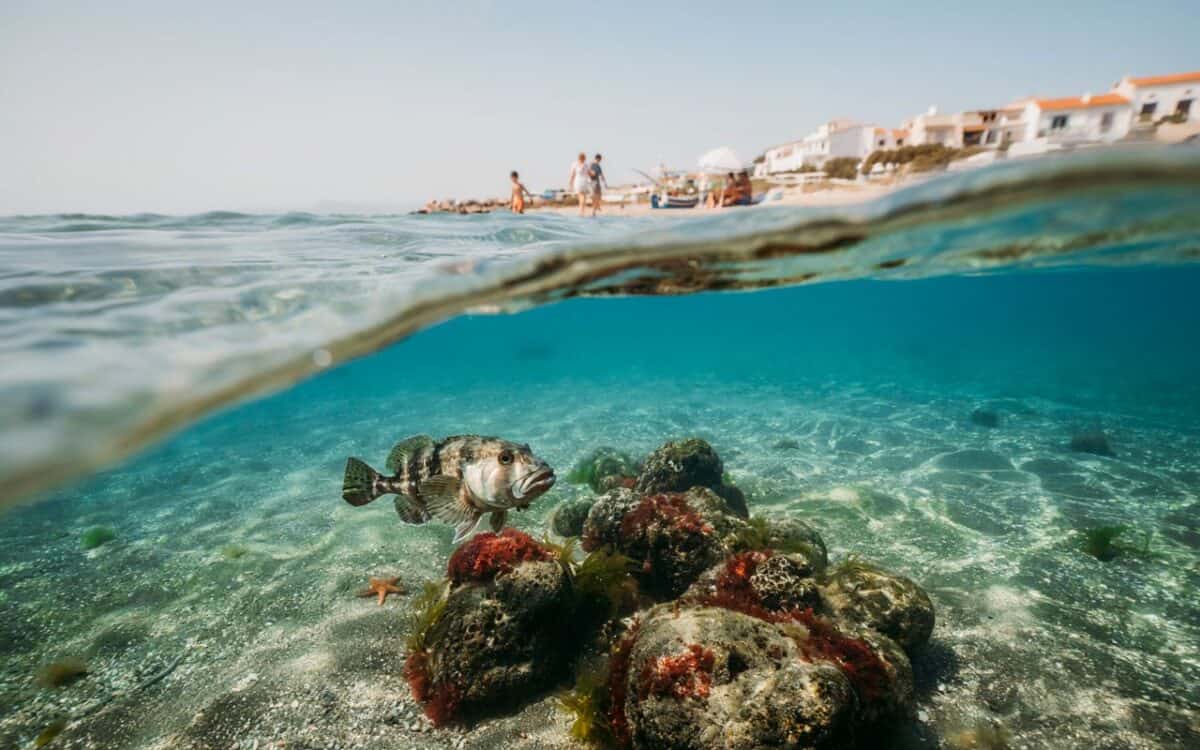
Image generated with Ai
Mediterranean Beaches Reveal a Dangerous Hidden Threat as Toxic Sea Invader Spreads Across Greece, Turkey and Cyprus Summer Holiday Havens. Toxic sea invaders are spreading across popular summer destinations in Greece, Turkey, and Cyprus, and may pose an ecological and public safety hazard for visitors and coastal communities. Mediterranean beaches are in danger due to the expansion of the silver-cheeked toad fish. This poisonous puffer fish, which now enters Mediterranean waters from the Suez Canal, has migrated to warmer seas and the toad fish’s preferred summer vacation regions. While the toxic sea invader doesn’t pose the active threat of a predator to humans, it is dangerous and poisonous to consume or touch. It is advised to avoid contacting potentially dangerous sea creatures, and to follow public safety instructions.
Why is the silver-cheeked toadfish spreading across Mediterranean holiday destinations?
The silver-cheeked toadfish is a marine species originally native to the Indo-Pacific and Red Sea regions. It entered the Mediterranean through the Suez Canal, a process known as Lessepsian migration, and has gradually expanded throughout eastern Mediterranean waters.
Climate change has accelerated the spread because rising sea temperatures have created more suitable conditions for the species to survive and reproduce. As a result, the fish has increasingly appeared in shallow coastal waters near popular tourist destinations where swimmers, snorkellers and fishermen frequently interact with marine environments.
The species has been reported across several major holiday regions:
Advertisement
Advertisement
- Greece’s islands and coastal areas.
- Cyprus beaches.
- Turkey’s Mediterranean Riviera.
- Parts of Croatia, Montenegro and Albania.
The main concern is not that the fish actively targets humans, but that it affects marine ecosystems and creates risks when people handle it. The species damages fishing equipment, competes with native marine life and creates health concerns because of its powerful toxin.
Advertisement
Advertisement
Greece: Why Are Popular Island Destinations Monitoring the Toxic Marine Invader?
Greece has become one of the Mediterranean countries most closely associated with the spread of the invasive silver-cheeked toadfish, a toxic pufferfish species that has expanded into popular coastal holiday areas. The species entered Mediterranean waters through the Suez Canal and has established populations across the eastern Mediterranean, including several Greek island regions where tourism and marine activities are central to the local economy. Rising sea temperatures linked to climate change have helped the species survive and expand into warmer coastal waters, bringing it closer to popular swimming zones.
Major Greek tourism destinations where the species has been reported include:
- Crete: One of Greece’s largest and most visited islands, with areas such as Ierapetra and Heraklion reporting concerns related to fisheries and shallow-water encounters.
- Rhodes and Kos: Popular Dodecanese islands where visitors enjoy beaches, diving and marine activities.
- Cyclades Islands: Famous destinations including Santorini and Mykonos have increased awareness of invasive marine species.
- Athenian Riviera: Coastal areas near Athens, including Varkiza, have recorded incidents involving accidental contact with the fish.
The primary danger is not that the fish attacks swimmers. Marine experts explain that the species is defensive and usually bites when trapped, touched or handled. However, its powerful beak-like jaws can cause serious injuries, particularly to fishermen removing it from nets or hooks.
Advertisement
Advertisement
The larger concern for Greece is ecological and economic. The fish damages fishing equipment, competes with native species and affects local fisheries. Authorities and coastal organisations have issued warnings encouraging swimmers and anglers not to touch unfamiliar fish. Some Greek coastal areas have also explored floating barriers in swimming zones to reduce encounters with invasive marine species.
For tourists, Greece remains a safe and popular holiday destination. Visitors can continue enjoying beaches, islands and marine activities by following basic precautions: avoid touching unknown fish, never attempt to remove the species from fishing equipment and never consume unfamiliar pufferfish.
Advertisement
Advertisement
Cyprus: How Has the Toxic Pufferfish Created Challenges for Beaches and Fisheries?
Cyprus has experienced one of the most significant expansions of the invasive silver-cheeked toadfish in the Mediterranean. The species has been present around Cyprus since the mid-2000s and has spread extensively along the island’s coastline, creating concerns for marine ecosystems, fishermen and coastal tourism.
Cyprus is one of the Mediterranean’s leading beach destinations, attracting visitors to:
- Ayia Napa: Known for beaches, nightlife and marine tourism.
- Limassol: A major coastal city with resorts, restaurants and a busy harbour.
- Larnaca: Popular for beaches, diving and family tourism.
- Paphos: Famous for heritage attractions, coastal scenery and resorts.
The main concern in Cyprus is not widespread danger to swimmers but the ecological damage caused by the invasive species. The fish consumes commercially valuable marine life, including species such as octopus and squid, affecting local fishing communities. Its powerful jaws can also destroy fishing lines, hooks and nets, creating additional costs for fishermen.
The health risk comes from its tetrodotoxin content. The toxin is found in parts of the fish’s body and can cause severe poisoning if consumed. Cooking, freezing or boiling does not remove the danger, which is why the fish is prohibited for consumption under European Union food safety regulations.
Cyprus has introduced measures to control the population, including financial incentives for fishermen who remove the species. The country has reportedly removed more than 100 tonnes of toadfish through targeted removal programmes, supported by government and fisheries initiatives.
Advertisement
Advertisement
For visitors, Cyprus remains a major Mediterranean tourism destination. Tourists should continue enjoying beaches and water activities but should avoid handling marine creatures, especially unfamiliar pufferfish. Swimmers, snorkellers and anglers should maintain distance and report sightings to local authorities where appropriate.

Image generated with Ai
Turkey: Why Are Mediterranean Resort Areas Watching the Spread of the Invasive Fish?
Turkey’s Mediterranean coastline, known as the Turkish Riviera, has become another important region monitoring the spread of the silver-cheeked toadfish. The country’s coastal tourism economy depends heavily on beaches, marine activities, sailing and resort experiences, making marine ecosystem changes particularly significant.
Popular tourism areas where the species has been reported include:
- Antalya: One of Turkey’s largest beach tourism destinations, known for luxury resorts and coastal attractions.
- Bodrum: A major sailing and luxury holiday destination.
- Marmaris: Popular for beaches, cruises and yacht tourism.
- Fethiye: Famous for lagoons, diving and nature-based tourism.
The invasive fish has created challenges mainly for fisheries rather than ordinary beach visitors. Fishermen have reported damage to fishing equipment because the fish’s strong beak-like jaws can cut through lines and damage nets. The species also affects marine ecosystems by competing with native fish populations and consuming commercially important species.
The health concern remains linked to tetrodotoxin poisoning. The fish may look similar to other harmless marine species, creating risks if caught accidentally and consumed. Authorities and marine experts continue advising fishermen and tourists not to handle or eat the fish.
Advertisement
Advertisement
Turkey remains one of the Mediterranean’s strongest tourism markets, attracting millions of visitors every year through its beaches, historical sites and coastal resorts. The presence of the invasive species has not resulted in widespread beach closures, but awareness campaigns are becoming increasingly important.
Visitors exploring Turkey’s coastline should follow simple safety guidance:
- Do not touch unfamiliar marine species.
- Avoid handling pufferfish caught while fishing.
- Use licensed marine activity operators.
- Follow local beach safety advice.
The issue highlights a broader environmental challenge affecting Mediterranean destinations as warmer seas allow invasive species to expand into new areas.

Image generated with Ai
Croatia, Montenegro and Albania: How Is the Marine Invader Reaching Northern Adriatic Tourism Areas?
The spread of the silver-cheeked toadfish has extended beyond the eastern Mediterranean, with reports indicating movement towards parts of the Adriatic coastline. Croatia, Montenegro and Albania have increasingly monitored the species as marine ecosystems continue changing.
Tourism areas affected or monitored include:
Advertisement
Advertisement
Croatia
- Pašman Island
- Adriatic coastal regions
Croatia is one of Europe’s leading coastal tourism destinations, attracting visitors through islands, sailing, beaches and historic cities such as Dubrovnik and Split. The appearance of invasive marine species raises concerns for biodiversity and fishing communities.
Montenegro
- Bečići
- Budva coastal region
Montenegro’s tourism economy depends heavily on Adriatic beaches, resorts and marine experiences. Authorities continue monitoring invasive species because they may affect local fisheries and coastal ecosystems.
Albania
- Vlorë
- Southern coastal areas
Albania has experienced rapid growth in coastal tourism, with visitors increasingly exploring beaches, islands and marine attractions.
Unlike some areas of the eastern Mediterranean, these countries are still monitoring the expansion rather than dealing with widespread tourism disruption. The main concern remains ecological balance, fishing activity and tourist awareness.
For visitors, the same precautions apply:
Advertisement
Advertisement
- Avoid touching unknown fish.
- Do not consume unfamiliar marine species.
- Follow instructions from local beach authorities.
- Report unusual marine sightings when requested.
The arrival of invasive species in new coastal regions demonstrates how climate change and changing sea conditions are influencing Mediterranean tourism environments. However, these destinations remain open and continue welcoming travellers seeking beaches, sailing, diving and coastal experiences.

Image generated with Ai
Traveller Guide: How Can Visitors Stay Safe From the Invasive Toxic Pufferfish in Mediterranean Beaches?
Should Tourists Be Worried About Swimming in Mediterranean Waters?
The appearance of the invasive silver-cheeked toadfish (Lagocephalus sceleratus) has created safety concerns across parts of the Mediterranean, particularly in Greece, Cyprus, Turkey and some Adriatic coastal areas. However, marine experts emphasise that the fish does not actively hunt swimmers, and unprovoked attacks in open water are extremely rare.
The main risks occur when tourists accidentally touch, feed, catch or attempt to remove the fish. The species is defensive and can react aggressively when trapped or handled. Its powerful beak-like jaws can cause painful injuries, especially to fingers and hands.
Visitors can continue enjoying Mediterranean beaches, swimming, snorkelling and coastal activities by following basic safety precautions and respecting local warnings.
What Should Travellers Do If They See the Fish?
Tourists should follow these essential safety rules:
Advertisement
Advertisement
- Never touch the fish: Even if it appears harmless or unusual, avoid handling it.
- Do not attempt to catch it: Swimmers and snorkellers should not approach or capture the fish.
- Never remove it from fishing equipment: Fishermen and visitors should avoid using bare hands when dealing with caught marine animals.
- Do not feed marine life: Feeding can change animal behaviour and increase unwanted encounters.
- Report sightings when necessary: Inform beach authorities, lifeguards or local fisheries departments if the fish appears in busy swimming areas.
The fish can often be recognised by its grey or brown body, white underside and distinctive silver markings along its side.
Why Must Tourists Never Eat This Pufferfish?
The biggest health danger comes from consumption. The silver-cheeked toadfish contains tetrodotoxin (TTX), a powerful neurotoxin also associated with Japanese fugu pufferfish.
The toxin:
- Cannot be removed through cooking.
- Cannot be destroyed by freezing.
- Cannot be neutralised by boiling.
Eating the fish can lead to:
- Numbness.
- Muscle paralysis.
- Breathing difficulties.
- Potentially fatal poisoning.
Because of this danger, consuming the species is prohibited under European Union food safety regulations.
Advertisement
Advertisement
Tourists should avoid buying, preparing or eating unfamiliar pufferfish from local markets, restaurants or informal fishing sources.
What Precautions Should Swimmers and Divers Take?
Visitors participating in marine activities should take additional care, especially in shallow coastal waters where the species is increasingly found.
Recommended precautions include:
- Avoid touching rocks, nets or marine creatures unnecessarily.
- Wear appropriate footwear when exploring shallow areas.
- Keep children away from unfamiliar fish.
- Follow instructions from local beach authorities.
- Choose licensed diving and boat operators.
Divers and snorkellers should maintain a safe distance from marine wildlife and avoid attempting underwater photography that requires touching or approaching animals closely.
Which Mediterranean Destinations Require Extra Awareness?
Travellers visiting the following regions should remain informed:
Advertisement
Advertisement
| Destination | Tourist Areas | Main Advice |
|---|---|---|
| Greece | Crete, Rhodes, Kos, Cyclades, Athenian Riviera | Avoid handling fish and follow beach warnings |
| Cyprus | Ayia Napa, Limassol, Larnaca, Paphos | Be cautious while fishing or exploring shallow waters |
| Turkey | Antalya, Bodrum, Marmaris, Fethiye | Avoid contact with unknown marine species |
| Croatia, Montenegro, Albania | Adriatic coastal areas | Follow local marine safety guidance |
These destinations remain open and continue welcoming millions of visitors. The issue is primarily about responsible interaction with marine environments.
What Is the Most Important Message for Holidaymakers?
The silver-cheeked toadfish represents a growing ecological challenge in the Mediterranean, but it should not prevent tourists from enjoying coastal holidays. The safest approach is simple: look, but do not touch.
Visitors should respect marine life, avoid consuming unknown fish species, follow local warnings and rely on official tourism and beach guidance. With basic awareness, travellers can continue enjoying the Mediterranean’s beaches, islands and marine experiences safely while helping protect fragile coastal ecosystems.
Conclusion
Invasive species present a growing problem for holiday destinations in the Mediterranean. Marine life on popular beaches in Greece, Turkey, and Cyprus is spreading. The Mediterranean is home to several species that are a low risk to human life. Consumers are not at risk because they are not a threat to swimmers.
The invasive species combine toxins and a painfull bite. There is impact on regional l ecosystems and local fishing crises. The best solution for consumers is to stay educated as opposed to not vacationing in the Mediterranean. There are several ways to reduce contact with Mediterranean marine life.
Following warnings plastered around popular beach destinations and listening to local advice are effective methodologies when striving to reduce contact with marine life. This advice will also help support tourism in the Mediterranean as well as protecting the local environments.
Advertisement
