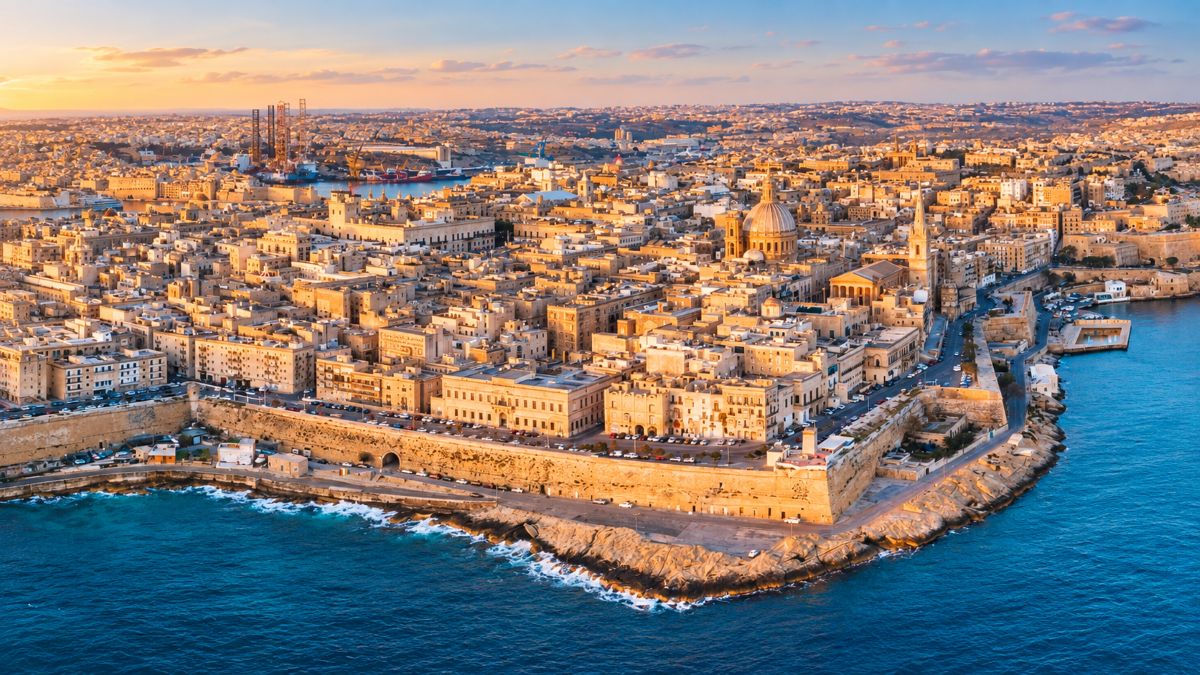
Malta is preparing to take centre stage in the international travel and tourism industry as Valletta hosts the 26th World Travel & Tourism Council Global Summit from 7 to 9 October 2026. More than 200 chief executives and senior tourism leaders are expected to gather at the Mediterranean Conference Centre for three days of high-level discussions focused on the forces reshaping global travel. The summit will bring together decision makers from hospitality, aviation, cruise, travel technology, distribution, financial services and destination investment, giving Malta an unusually prominent role in conversations about the industry’s future.
The event comes at a pivotal moment for Travel & Tourism, as artificial intelligence, changing traveller expectations, geopolitical developments and the demand for more sustainable growth continue to alter how destinations and companies operate. Under the theme “FUTU[RE]SET: Shaping the Future of Travel & Tourism”, the summit is expected to examine how businesses and governments can respond to disruption while maintaining competitiveness, attracting investment and creating long-term value. For Malta, hosting the event is also a strategic opportunity to showcase its tourism infrastructure, connectivity, hospitality offering and investment potential to influential global executives.
Advertisement
The scale of the 2026 WTTC Global Summit reflects the breadth of the modern travel economy. Confirmed attendees include senior executives from some of the world’s largest hotel groups, airlines, travel technology companies, cruise operators, financial organisations and destination businesses.
| Category | Details |
|---|---|
| Location | Valletta, Malta |
| Venue | Mediterranean Conference Centre, Valletta |
| Dates | 7–9 October 2026 |
| Host Country | Malta |
| Event | 26th WTTC Global Summit |
| Expected Crowd | More than 200 global CEOs and senior Travel & Tourism leaders, alongside government and international organisation representatives |
| Hospitality | Malta will showcase its hotels, resorts, restaurants, visitor services and Mediterranean hospitality to international tourism decision-makers |
| Accommodation | Delegates are expected to use hotels and other accommodation options in Valletta and surrounding areas, supporting local hospitality businesses |
| Exhibitors / Industry Representation | Hospitality, aviation, cruises, travel technology, travel distribution, investment, financial services and destination organisations |
| Major Companies Represented | Hilton, IHG Hotels & Resorts, Four Seasons, Capital A, Trip.com Group, MSC and other global travel businesses |
| Spanish Representation | Iberostar, Barceló Hotel Group, Meliá Hotels International, Piñero, City Sightseeing Worldwide, Alpitour World and Turespaña |
| Key Technology Focus | Artificial intelligence, digital transformation and emerging technologies shaping travel |
| Main Tourism Themes | Innovation, investment, sustainability, competitiveness, consumer expectations and geopolitical change |
| Public-Sector Participation | Governments, tourism authorities and international organisations |
| Business Opportunities | Tourism investment, partnerships, networking, destination development and international collaboration |
| Destination Showcase | Malta’s tourism attractions, connectivity, infrastructure, hospitality offering and investment potential |
| Economic Importance | Travel & Tourism is forecast by WTTC to contribute US$4.9 billion to Malta’s economy in 2026 |
| Jobs Supported | Approximately 72,200 jobs in Malta are forecast to be supported by Travel & Tourism in 2026 |
| Previous Summit | Rome, Italy, in 2025 |
| 2026 Summit Theme | “FUTU[RE]SET: Shaping the Future of Travel & Tourism” |
| Strategic Importance | Positions Malta as a meeting point for global tourism leaders and strengthens its international visibility as a tourism and investment destination |
Among the prominent figures expected in Valletta are Christopher J. Nassetta, President and CEO of Hilton; Elie Maalouf, Global CEO of IHG Hotels & Resorts; Alejandro Reynal, President and CEO of Four Seasons; Tony Fernandes, CEO of Capital A; Jane Sun, CEO of Trip.com Group; and Pierfrancesco Vago, Executive Chairman of the Cruise Division of MSC Group. Other participating organisations include American Express Travel, Accor, Marriott International, Expedia Group, JPMorganChase and Chase Travel, JTB, Technogym, VFS Global and Virtuoso.
Advertisement
Advertisement
The gathering also demonstrates how closely different parts of the tourism ecosystem are becoming connected. Hotels increasingly depend on technology and sophisticated distribution systems, airlines are responding to changing passenger behaviour, cruise companies are expanding destination networks, while investors are examining tourism infrastructure as a long-term economic opportunity.
This broad representation makes the summit more than a traditional tourism conference. It provides a platform where commercial, governmental and destination interests can meet around shared challenges and potential solutions.
Spain is also expected to have a notable presence at the Valletta gathering, reflecting the country’s importance within European and global tourism.
The confirmed Spanish representation includes Gloria Fluxà, Vice-Chairman and Chief Sustainability Officer of Iberostar; Simón Pedro Barceló, Executive Chairman of Barceló Hotel Group; Gabriel Escarrer Jaume, Chairman and CEO of Meliá Hotels International; Encarna Piñero, Global CEO of Piñero; Enrique Ybarra, President, Founder and CEO of City Sightseeing Worldwide; Gabriele Burgio, President and CEO of Alpitour World; and Miguel Sanz, Director General of Turespaña.
Their participation highlights the increasingly international character of tourism investment, hospitality management and destination development. It also provides opportunities for European tourism businesses to exchange views with companies and policymakers from markets across North America, Asia, the Middle East, Africa and other regions.
| Summit Focus | Travel Industry Relevance |
|---|---|
| Artificial intelligence | Changing trip planning, customer service, distribution and travel personalisation |
| Technology | Improving efficiency, connectivity and traveller experiences |
| Consumer expectations | Responding to increasingly digital and experience-led travellers |
| Sustainability | Supporting responsible tourism growth and destination resilience |
| Investment | Attracting capital for tourism infrastructure and development |
| Geopolitics | Managing disruption and uncertainty across international travel markets |
| Public-private collaboration | Coordinating government and business responses to shared challenges |
| Competitiveness | Helping destinations and companies remain attractive in a changing market |
The role of artificial intelligence is likely to be particularly significant. AI is moving beyond experimental applications and becoming part of travel discovery, customer interaction, marketing, pricing, distribution and operational decision-making. For tourism businesses, the challenge is no longer simply whether to adopt AI but how to integrate it responsibly while protecting trust, data and the human dimension of hospitality.
The summit’s focus on technology therefore reflects a wider transformation across the travel journey. Travellers increasingly expect faster information, personalised recommendations and seamless digital interactions, while tourism businesses are looking for technologies that can improve productivity and strengthen commercial performance.
A major objective of the WTTC Global Summit is to bring the public and private sectors together. Tourism depends on an extensive network of public infrastructure, private investment, transport systems, accommodation, attractions, digital services and destination management.
Government decisions concerning aviation policy, infrastructure, visas, sustainability, taxation and investment can have direct consequences for tourism businesses. At the same time, private-sector investment and innovation can influence employment, destination competitiveness and the quality of visitor experiences.
The Valletta summit will therefore provide an important forum for discussing how these interests can be aligned. WTTC describes its Global Summit as a platform where public and private sector leaders come together to address major Travel & Tourism issues and develop a more resilient, inclusive and sustainable future.
For Malta, the summit offers benefits extending beyond the three-day event. The destination will be able to place its tourism proposition directly before some of the industry’s most influential executives and investors.
WTTC estimates that Travel & Tourism is forecast to contribute US$4.9 billion to Malta’s economy in 2026, equivalent to 16.9% of gross domestic product, while supporting approximately 72,200 jobs. These figures underline the sector’s importance to the Maltese economy and explain why international visibility around tourism investment and connectivity matters to the country.
Many delegates will also have an opportunity to experience Malta first-hand. This creates a different form of destination exposure from conventional marketing because senior industry decision makers can directly assess the country’s hospitality, infrastructure, accessibility, cultural attractions and business environment.
Valletta’s historic character provides an additional dimension. As a UNESCO World Heritage city, the capital combines cultural heritage with a strategic Mediterranean location, creating an appropriate setting for conversations about balancing tourism growth with destination stewardship. WTTC selected Valletta as the host city after announcing Malta as the location during the conclusion of the 2025 Global Summit in Rome.
| Indicator | May 2026 | Key Change / Context |
|---|---|---|
| Inbound tourists | 457,636 | Up 22.3% year-on-year |
| Tourist nights | 2,590,408 | Total nights spent during May |
| Tourist expenditure | €419.9 million | Total spending by inbound tourists |
| Share of guest nights in rented accommodation | 88.0% | Dominant accommodation segment |
| Inbound tourists, Jan–May 2026 | 1,673,602 | Cumulative total for the first five months |
| Tourist nights, Jan–May 2026 | 9.2 million | Cumulative overnight stays |
| Tourist expenditure, Jan–May 2026 | €1.3396 billion | Cumulative spending |
| Expenditure per capita, Jan–May 2026 | €800 | Average spending per inbound tourist |
Source: Malta National Statistics Office — Inbound Tourism May 2026
The international attention generated by the summit could strengthen Malta’s position in discussions surrounding tourism investment and connectivity.
For an island destination, air connectivity and efficient visitor infrastructure are fundamental to maintaining international accessibility. At the same time, continued tourism growth requires investment that can support visitor demand without undermining environmental quality, cultural heritage or residents’ quality of life.
These considerations make the summit relevant not only to hotel companies and airlines but also to investors, technology providers, destination authorities and policymakers. The presence of such a broad group could help create conversations around new partnerships and investment opportunities.
WTTC has also emphasised that the event will allow Malta to demonstrate its tourism success story and engage directly with international leaders on sustainable growth and innovation.
AI will be one of the most important technology themes surrounding the summit because its influence now extends across multiple stages of travel.
Travel planning is increasingly becoming conversational and personalised, while companies are using AI to analyse customer preferences, automate routine processes and deliver more targeted experiences. Airlines, hotels, travel agencies, online platforms and destinations are all examining how generative AI can change the relationship between businesses and travellers.
However, technology also introduces questions around accuracy, privacy, transparency and employment. Tourism companies need to ensure that automated systems improve the traveller experience without weakening confidence or removing the human interaction that remains central to hospitality.
The WTTC summit provides an appropriate setting for these discussions because its participants represent both technology companies and traditional tourism businesses.
| Indicator | Q2 2026 | Comparison / Context |
|---|---|---|
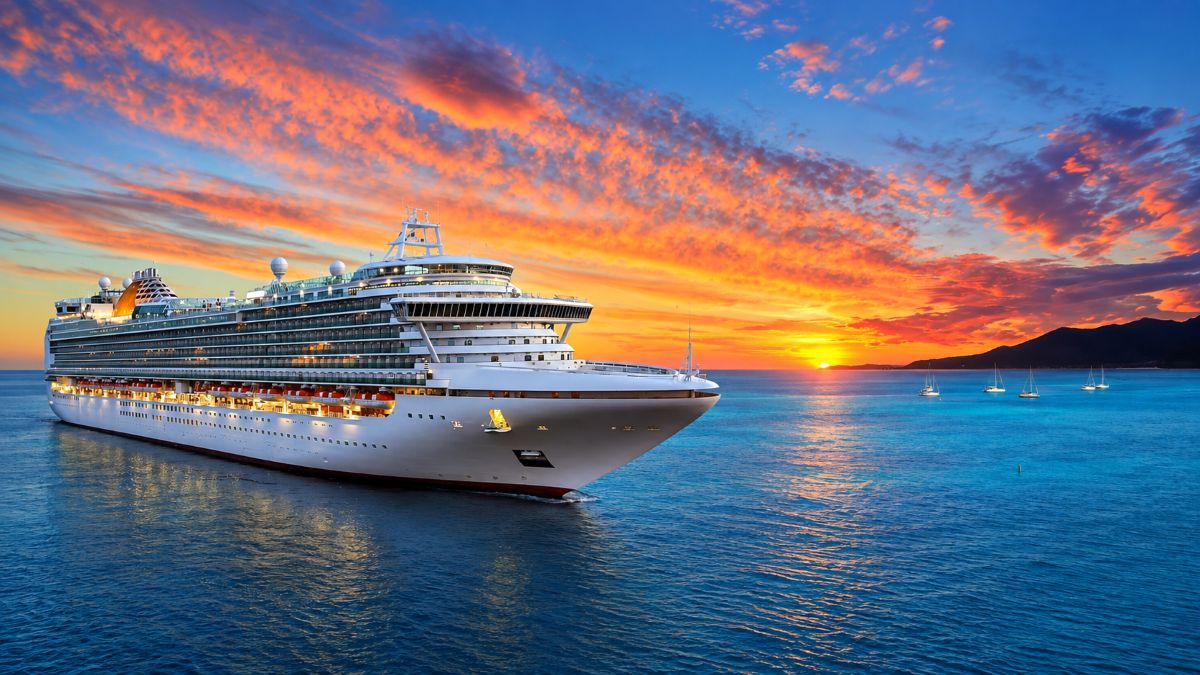
| Total cruise passenger traffic | 256,369 | At par with Q2 2025 |
| Cruise liner calls | 126 | Up 3 calls year-on-year |
| Top source markets | UK, USA, Italy | Three leading markets in Q2 |
| Cruise passenger traffic, H1 2026 | 321,616 | Down 5.7% from H1 2025 |
| Cruise liner calls, H1 2026 | 159 | Up 5 calls year-on-year |
Source: Malta National Statistics Office, Cruise Passengers: Q2/2026
Technology alone will not determine the future of travel. Sustainability will remain a central consideration as destinations deal with pressure on infrastructure, resources and local communities.
The summit’s emphasis on resilient and sustainable growth reflects the industry’s wider shift from simply increasing visitor numbers towards creating long-term economic, social and environmental value. For destinations such as Malta, this balance is particularly important because tourism contributes significantly to the economy while also placing demands on infrastructure and natural resources.
| Indicator | Q1 2026 | Year-on-Year Change / Context |
|---|---|---|
| Outbound tourist trips | 205,817 | Up 13.5% |
| Total nights spent abroad | 1,627,751 | Up 23.2% |
| Most popular destination | Italy | 31.7% share of outbound trips |
| Nights in non-rented accommodation | 62.0% | Majority of total guest nights |
Collaboration between governments and businesses will be essential in addressing these pressures. Investment in efficient infrastructure, responsible tourism practices and innovation can help destinations manage growth while protecting the assets that attract visitors.
| Indicator | 2025 Figure | Key Context |
|---|---|---|
| Gozo & Comino total tourists | 589,343 | Inbound and domestic tourists combined |
| Gozo & Comino domestic tourism share | 67.4% | Domestic tourists represented the majority of tourism demand |
| Malta region total tourists | 3,967,797 | Inbound and domestic tourists combined |
| Malta region inbound tourism share | 99.0% | Inbound tourists overwhelmingly dominated visitor traffic |
| Domestic tourism between regions | 437,388 | Up 12.4% compared with 2024 |
| Domestic tourists visiting Gozo & Comino | 397,322 | 90.8% of all domestic tourists |
| Gozo & Comino residents visiting Malta region | 40,066 | Remaining domestic trips |
| Total inbound tourists to Maltese Islands | 4,022,310 | Full-year 2025 total |
| Indicator | Q1 2026 | Year-on-Year Change / Context |
|---|---|---|
| Total guests | 654,784 | Up 15.5% from Q1 2025 |
| Total nights spent | 2,583,078 | Up 11.0% year-on-year |
| Guest nights in 4-star hotels | 50.2% | Largest share of total guest nights |
| Net use of bed-places | 52.9% | Up 0.4 percentage points from Q1 2025 |
| Reference period | January–March 2026 | First quarter of 2026 |
| Cut-off date | 7 May 2026 | Statistical release reference |
Source: Malta National Statistics Office — Collective Accommodation Establishments: Q1/2026
The 2026 WTTC Global Summit will place Malta at the centre of international tourism discussions at a time when the industry is undergoing rapid structural change.
With more than 200 senior leaders expected, the event will create an influential meeting point for hospitality, aviation, cruises, technology, investment and destination management. Its focus on artificial intelligence, consumer behaviour, sustainability, geopolitics, competitiveness and public-private cooperation reflects the major forces currently reshaping international travel.
For Malta, the opportunity is both immediate and long term. Valletta will gain global visibility, while businesses and policymakers will have access to an exceptional concentration of industry expertise. The summit could therefore generate new commercial relationships, investment discussions and tourism partnerships well beyond October.
More broadly, the event demonstrates that the future of travel will increasingly depend on collaboration across industries and borders. As travellers become more digitally connected and destinations face more complex economic and environmental pressures, the ability to innovate while maintaining trust and sustainability will become a defining competitive advantage.
1. When will the WTTC Global Summit 2026 take place?
The 26th WTTC Global Summit will take place from 7 to 9 October 2026.
2. Where will the WTTC Global Summit 2026 be held?
The summit will be held at the Mediterranean Conference Centre in Valletta, Malta.
3. How many tourism leaders are expected to attend?
More than 200 global Travel & Tourism CEOs and senior executives are expected to participate.
4. What is the theme of the 2026 WTTC Summit?
The theme is “FUTU[RE]SET: Shaping the Future of Travel & Tourism”.
5. Which industries will be represented at the summit?
Hospitality, aviation, cruises, travel technology, distribution, financial services and destination investment will all be represented.
6. Why is Malta hosting the WTTC Global Summit?
Malta was selected to host the 26th Global Summit as an important tourism destination and as a strategic location for international industry dialogue.
7. Will artificial intelligence be discussed at the summit?
Yes. Artificial intelligence and broader technological transformation are among the key issues shaping the summit’s agenda.
8. Why is the summit important for Malta’s tourism industry?
It gives Malta direct exposure to global tourism executives, investors and policymakers and provides an opportunity to showcase its destination, infrastructure and investment potential.
9. What role will sustainability play at the event?
Sustainable and resilient tourism growth will form part of the broader discussions around investment, competitiveness and the industry’s future.
10. Is the WTTC Global Summit open to everyone?
The Global Summit is an invitation-only event, although WTTC provides access to selected sessions and has introduced Executive Access Passes for eligible senior executives outside its membership community.
Advertisement
Advertisement
Advertisement












Monday, September 7, 2026
Monday, September 7, 2026

Monday, September 7, 2026
Monday, September 7, 2026

Monday, September 7, 2026

Monday, September 7, 2026