
Saudi Arabia Powers a New Hajj Era as Smart Accommodation Service Uses AI and IoT to Transform Pilgrim Comfort, Speed Up Check In and Strengthen Housing Efficiency for Millions

Published
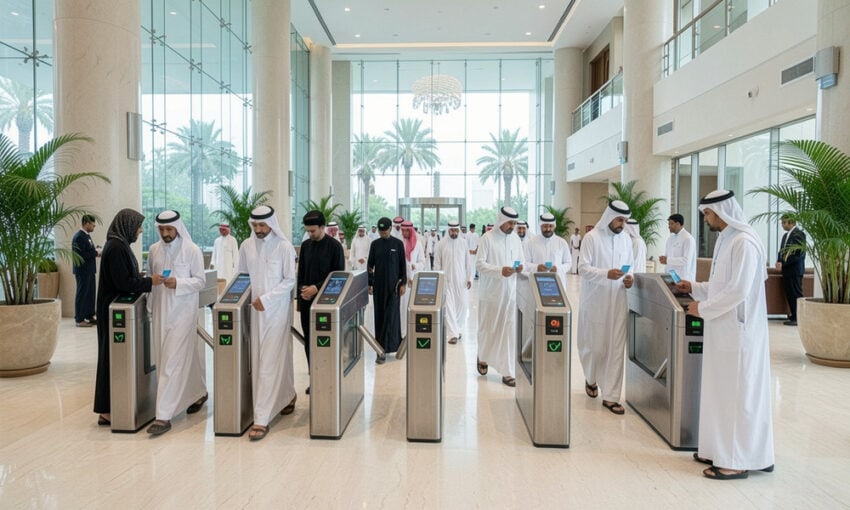
Saudi Arabia is creating a smarter, faster and more comfortable Hajj journey by launching an AI-based accommodation service that improves how pilgrims are received, verified and housed during the busy Hajj season. The system uses real-time data, Internet of Things technology, smart gates and the Nusuk Card to help accommodation providers prepare room allocations before pilgrims arrive. This reduces long waiting times, limits manual errors and supports smoother movement at housing facilities, giving pilgrims a more organised hospitality experience as they focus on performing their sacred rituals with greater ease and peace.
Saudi Arabia Launches Smart Hajj Accommodation Service to Transform Pilgrim Hospitality with AI, IoT and Faster Check In
Saudi Arabia has introduced a smart accommodation service for pilgrims during the Hajj season, marking a major step in its ongoing effort to improve hospitality, crowd movement and service quality for millions of worshippers. The new system uses artificial intelligence and Internet of Things technologies to make pilgrim housing faster, safer and more organised. It also gives accommodation operators live information, helping them manage arrivals, room allocation and check-in with greater accuracy.
Saudi Arabia Pushes Hajj Hospitality Into a Smarter Era
Advertisement
Advertisement
The Hajj pilgrimage brings together vast numbers of people from across the world. This creates huge pressure on transport, accommodation, reception services and operational teams. Every minute matters during the movement of pilgrims, especially when groups arrive in large numbers at entry points, hotels and housing facilities.
The smart accommodation service has been designed to reduce these pressures. It supports a more advanced hospitality model where pilgrim data, room assignments and arrival details are handled digitally before pilgrims reach their accommodation sites. This helps reduce delays, avoids confusion and improves the overall flow of movement.
Advertisement
Advertisement
The initiative forms part of Saudi Arabia’s wider development efforts during the Hajj season. It also reflects the country’s focus on using modern technology to serve pilgrims with greater care, speed and precision.
How the Smart Accommodation Service Works
The service begins once the passenger manifest is closed at the arrival entry point. After this stage, pilgrims’ information is shared digitally with their assigned accommodation providers. This allows housing operators to prepare room allocations in advance, before the pilgrims arrive.
Instead of waiting for manual checks at reception counters, the system supports automatic verification through smart gates. The smart gates scan the Nusuk Card to access essential pilgrim details. After the information is confirmed, the check-in process moves ahead quickly, smoothly and without lengthy manual steps.
This process helps accommodation teams know who is arriving, when they are expected and where they should be housed. It also reduces the need for repeated manual data entry. As a result, the chances of human error fall, while the speed of service improves.
For pilgrims, this means shorter waiting times and a smoother arrival experience after long journeys.
Advertisement
Advertisement
AI and IoT Support Real-Time Pilgrim Tracking
The system uses artificial intelligence and Internet of Things technology to improve operational control. These tools help operating entities track pilgrim arrivals in real time. They also help teams understand how housing facilities are being used throughout the season.
Real-time tracking is especially important during Hajj because accommodation sites must handle large groups arriving from different locations at different times. Delays in one area can affect movement in another. Live data helps managers respond quickly and make better decisions.
The service also gives operations rooms access to updated information through a unified digital dashboard. This dashboard allows teams to monitor arrivals, occupancy levels, operational duration and other key indicators. These insights help improve coordination between accommodation providers and service teams.
Faster Check In Can Reduce Pilgrim Stress
For many pilgrims, the journey to Hajj can be long and physically demanding. They may travel by air, road or other transport before reaching their housing site. Long queues and slow manual procedures can add stress at a time when pilgrims need rest and clarity.
Advertisement
Advertisement
The smart accommodation service aims to solve this issue by preparing accommodation details before arrival. When room allocation is completed in advance, pilgrims can move through the check-in process faster.
Automated verification through smart gates also reduces crowding at reception points. This helps keep arrival zones smoother and better coordinated, particularly when pilgrim movement reaches its busiest hours.
The result is a more comfortable hospitality experience. Pilgrims can reach their rooms sooner, rest earlier and focus more easily on performing their rituals.
Digital Data Improves Housing Distribution
Housing distribution is one of the most important parts of Hajj operations. With large numbers of pilgrims arriving from different countries and groups, accommodation providers need accurate information at the right time.
The smart service helps operators manage housing distribution with better planning. It provides early access to pilgrim data, helping teams prepare rooms before buses or groups arrive.
Advertisement
Advertisement
This can reduce last-minute confusion. It also helps accommodation providers make better use of available space. Occupancy rates can be monitored more clearly, allowing managers to identify pressure points and improve service flow.
The use of performance indicators also makes the system more accountable. Teams can review arrival times, operational periods and capacity use. These reports can support future planning and help improve accommodation services in later Hajj seasons.
Unified Dashboard Strengthens Decision Making
One of the strongest features of the smart accommodation service is its unified dashboard. This platform brings important operational data into one place. It helps teams monitor the movement of pilgrims and the performance of accommodation facilities in real time.
Operations rooms can use this data to take faster decisions. If arrivals rise sharply at one location, teams can respond immediately. If occupancy reaches a high level, managers can adjust planning and coordination.
Analytical reports generated by the platform also support long-term improvement. These reports can show where delays happened, how quickly pilgrims were processed and how efficiently housing sites operated.
Advertisement
Advertisement
This gives Saudi Arabia a stronger digital foundation for managing pilgrim hospitality at scale.
A Major Step for the Pilgrim Experience
The smart accommodation service shows how technology can improve one of the world’s largest religious gatherings. By using AI, IoT, smart gates and live dashboards, Saudi Arabia is creating a more efficient housing system for pilgrims.
The initiative is not only about digital transformation. It is also about comfort, dignity and ease. Faster check-in, better room planning and real-time monitoring can make the Hajj journey smoother for pilgrims.
As Saudi Arabia continues to modernise Hajj services, smart accommodation can become an important part of a more connected and responsive pilgrimage experience. It helps reduce waiting time, improves accuracy and supports a more organised hospitality system during one of the most important seasons in the Islamic calendar.
Advertisement
