
Ethiopian Airlines Leads Africa’s Aviation Revolution with Fuel Innovation, Open Skies and Regional Connectivity

Published
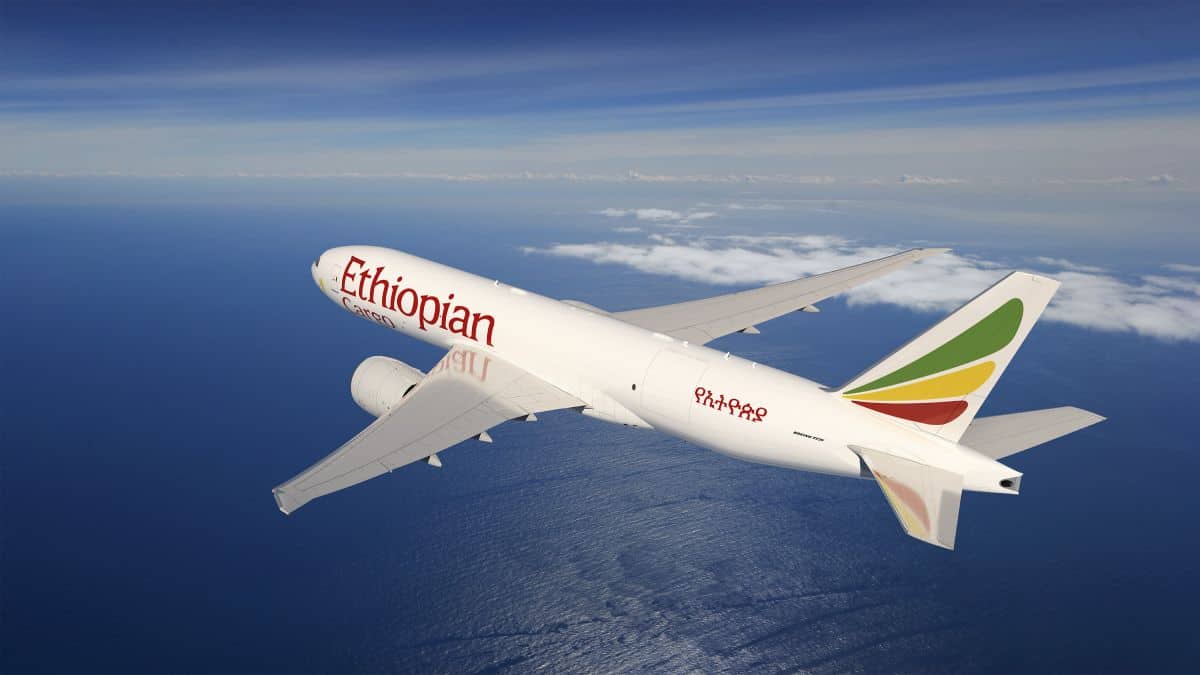
The aviation industry in Africa is poised for a turning point amid expensive fuel, complex airspace management, bilateral restrictions, and foreign exchange challenges. Ethiopian Airlines, Kenya Airways, RwandAir, Air Peace, Uganda Airlines, ASKY Airlines and Air Tanzania are now part of a larger transition in the continent towards direct flights, SAF and financial stability. The agricultural residue is being considered as one of the possible sources for domestic SAF production. Open skies policy and Free Route Airspace will enable shorter flights and lower costs. Simultaneously, innovative payment systems such as PAPSS would help to overcome the challenge of currency clearing and preserve the value of African aviation in the continent.
The Legacy of Fragmented Skies and Colonial Route Architecture
The commercial air transport map of the African continent was largely drawn not to facilitate organic regional trade, but to serve administrative extractive axes established during the colonial era. For decades following independence, restrictive Bilateral Air Services Agreements (BASAs) designed to protect small, state-subsidised carriers from cross-border competition were preserved by national civil aviation authorities.
Profound distortions in passenger and cargo routing were created by this fragmented regulatory regime. Rather than direct transit corridors between neighbouring African sovereign territories being enabled, trunk air traffic was funneled through European hub airports, including Paris Charles de Gaulle (CDG), London Heathrow (LHR), and Lisbon Humberto Delgado (LIS). Circuitous intercontinental itineraries that compounded journey times, doubled air passenger handling charges, and diverted ticketing yields to foreign legacy carriers were routinely endured by passengers journeying between proximate coastal commercial hubs in West Africa.
Domestic intra-continental mobility was suppressed by this legacy infrastructure. In response, pushes have been made by regional bodies for open skies frameworks to replace these historic trade routes with direct transit axes across Africa’s five regional economic zones.
Advertisement
Advertisement
Triple Headwinds: Fuel Markups, Protectionism, and Foreign Exchange Illiquidity
An operating cost environment defined by three compounding friction points is faced by commercial airline operations across sub-Saharan Africa:
- Jet A-1 Import Markup: Premiums of +30% to 50% on landed prices are experienced at inland hubs due to long-haul trucking tolls, demurrage, and transit taxes.
- Regulatory Protectionism: Fifth Freedom traffic rights continue to be blocked by restrictive BASAs in order to protect inefficient flag carriers.
- Foreign Exchange (FX) Illiquidity: Clearing bottlenecks involving US Dollars are encountered, leading to between USD 700 million and USD 1.6 billion in trapped funds.
The landed price premium applied to conventional fossil-based Jet A-1 kerosene constitutes the first structural impediment. Because refined petroleum capacity remains underdeveloped across most regional economic communities, heavy reliance is placed by member states on imported finished fuels transported across thousands of sea miles, followed by long overland trucking corridors. The landed cost of jet fuel is inflated by up to 50% over international benchmark spot prices by resulting transport surcharges, storage fees, transit bonds, and port demurrage costs, which drives direct operating costs well above global norms.
Advertisement
Advertisement
Persistent aeropolitical protectionism serves as the second impediment. Despite long-standing multilateral treaties aimed at creating an open continental sky, administrative delays have frequently been deployed, frequency slots restricted, and Fifth Freedom traffic rights denied by sovereign authorities. Consequently, regional carriers are forced to operate sub-scale networks characterized by low aircraft utilization, reduced departure frequencies, and elevated seat-mile costs.
Severe foreign exchange illiquidity represents the third challenge. Operational revenues are generated by airlines in volatile domestic fiat currencies, yet capital expenditure, fleet leasing commitments, airframe maintenance reserves, and international fuel contracts must be settled in US Dollars or Euros. When balance-of-payments pressures are encountered by central banks, airline passenger sales are routinely trapped in local bank accounts as a result of strict capital controls. Operational flight schedules are threatened, corporate working capital is eroded through rapid domestic currency depreciations, and the expansion of regional air networks by international carriers is discouraged by this illiquidity.
Advertisement
Advertisement
Decarbonisation as an Economic Shield: Localising SAF and Agri-Waste Refining
Jet A-1 Landed Cost Differentials: Coastal Baselines versus Landlocked Realities
The largest operational outlay for airlines across Africa is represented by fuel purchases, which routinely absorb between 40% and 50% of total airline operating expenditure, compared to a baseline fluctuating between 25% and 32% globally. Geography and trade logistics are responsible for driving this cost premium.
While bulk marine tanker deliveries near global indices (such as Platts Mean FOB Arab Gulf) are received by coastal refining hubs and maritime terminals—such as Durban, South Africa, and Mombasa, Kenya—compounding transport charges are faced by inland aviation hubs. Along landlocked import corridors, cost accumulation builds sequentially from long-haul maritime tanker freight and port discharge tariffs through overland trucking surcharges, cross-border transit duties, and high-altitude fuel farm storage, culminating in a heavily marked-up landed intoplane price.
At inland aviation hubs such as Kigali International Airport (KGL) in Rwanda, Entebbe International Airport (EBB) in Uganda, and Addis Ababa Bole International Airport (ADD) in Ethiopia, jet fuel must be transported hundreds of kilometres overland by tanker trucks. Road transit tariffs, border clearance administrative expenses, transit insurance premiums, and evaporation losses are introduced by the movement of fuel across the Northern Corridor from Mombasa or the Central Corridor from Dar es Salaam. In aggregate, a 30% to 50% premium is added onto the intoplane fuel price paid by inland operators relative to coastal delivery terminals by overland trucking and cross-border tariffs.
| Airport Node | Geographic Profile | Supply Infrastructure | Landed Jet A-1 Price Premium Spread | Core Logistics Vulnerabilities |
| Mombasa Moi Int’l (MBA) | Coastal Sea-Level Gateway | Direct maritime offloading via offshore marine jetty | Baseline Index (Platts FOB Arab Gulf + handling) | Demurrage fees, offloading pipeline bottlenecks |
| Durban King Shaka (DUR) | Coastal Sea-Level Gateway | Ocean import terminals and domestic refinery pipeline | +1% to +3% over international benchmark | Intermittent refinery outages, berth congestion |
| Addis Ababa Bole (ADD) | High-Altitude Inland Hub (2,334m) | Multi-modal trucking corridor via Port of Djibouti | +25% to +35% over coastal index | Trans-Djibouti highway disruption; customs friction |
| Entebbe Int’l (EBB) | Inland Equatorial Basin (1,155m) | Pipeline to Eldoret/Kisumu, road tankers into Uganda | +30% to +40% over coastal index | Inter-state border delays; lake fuel barge limits |
| Kigali Int’l (KGL) | High-Altitude Landlocked Hub (1,491m) | Overland road tanker freight over 1,500 km | +35% to +50% over coastal index | Mountainous terrain wear; tolls; transit shrinkage |
These inland landed cost premiums are compounded by aerodynamic penalties at high-altitude airports. At Addis Ababa and Kigali, air density is lowered by elevated runway altitudes and tropical ambient temperatures. Maximum Takeoff Weight (MTOW) restrictions must be observed by aircraft departing these hubs to ensure legal climb-gradient safety parameters are maintained. Smaller payloads must be carried or extra fuel burned during long high-thrust takeoff rolls, which compounds the economic penalty of expensive fuel.
Advertisement
Advertisement
Mapping Non-Food Feedstocks: Agricultural Residues without Food Insecurity
To reduce dependence on imported petroleum and insulate route margins from oil volatility, local sustainable aviation fuel (SAF) refining is being pursued by African carriers. Rather than bio-based aviation fuels being viewed primarily as an environmental compliance cost, local refining is treated as a commercial hedge against landed fossil Jet A-1 cost premiums.
However, strict safeguards for food security are required when industrial-scale bio-refining is introduced into emerging economies. The risk of driving up food prices and violating international sustainability frameworks, such as the Carbon Offsetting and Reduction Scheme for International Aviation (CORSIA), is created if arable agricultural acreage is diverted from human caloric consumption toward fuel cultivation.
Consequently, attention is focused exclusively on non-food agricultural residues, industrial processing waste byproducts, and urban municipal waste:
- West African Residue Corridors: In Nigeria, Ghana, and Côte d’Ivoire, the primary agricultural residue stream is derived from commercial cassava (Manihot esculenta) processing. Although cassava root serves as a major food staple, large volumes of secondary peels, starch wastewater, and bagasse-like cellulose are yielded by industrial peeling, washing, and extraction processes. Industrial alcohol can be fermented from these processing residues without arable cropland being diverted. Similarly, an energy-dense lipid profile suitable for catalytic hydroprocessing is provided by palm oil mill effluent (POME), which eliminates the methane emissions typically generated by open processing lagoons.
- East African Sugar Basins and Urban Waste: In Kenya, Uganda, and Tanzania, the biomass supply chain is centered on sugarcane bagasse concentrated around the Lake Victoria basin. Surplus bagasse can be directed into second-generation (2G) cellulosic bioethanol refining by modernized sugar mills rather than being burned on-site in low-efficiency boilers. In parallel, thousands of tonnes of municipal solid waste (MSW) are produced daily by major urban centres like Nairobi, Kigali, and Addis Ababa. Biogenic carbon is captured while synthesis gas for aviation fuel blending is generated when unsorted municipal garbage is diverted away from open dumpsites and into thermochemical gasification plants.
Technoeconomic Viability: Alcohol-to-Jet (AtJ) versus HEFA Refining Pathways
International safety certifications, such as ASTM D7566, must be met by processing pathways if raw biomass is to be translated into certified drop-in aviation fuel. Three primary conversion architectures have been evaluated across Africa: Hydroprocessed Esters and Fatty Acids (HEFA), Alcohol-to-Jet (AtJ), and Fischer-Tropsch (FT) thermochemical gasification.
- Hydroprocessed Esters and Fatty Acids (HEFA): The most commercially mature refining platform is represented by HEFA, operating at Technology Readiness Level 9 (TRL 9). Lipids—such as used cooking oils, POME, or industrial tallows—are treated through catalytic hydrodeoxygenation followed by hydroisomerisation and hydrocracking to produce synthetic paraffinic kerosene (SPK). It is indicated by technoeconomic modelling that a Minimum Fuel Selling Price (MFSP) of approximately USD 2,165 per tonne is achieved by a standalone commercial HEFA facility due to lower capital expenditure requirements relative to synthetic gasification plants. However, a major challenge is presented by regional feedstock supply: fragmented domestic collection networks and intense price competition from European traders purchasing raw tallow for overseas refineries are encountered.
- Alcohol-to-Jet (AtJ): Intermediate alcohols (such as 2G ethanol or isobutanol) are produced by fermenting plant starches or cellulosic residues, followed by catalytic dehydration into ethylene, oligomerisation into longer hydrocarbon fractions, and selective hydrogenation. While a high selling price of USD 6,880 per tonne is produced by first-generation (1G) cassava-root ethanol and the risk of breaching CORSIA food-competition rules is incurred, a sustainable alternative is provided by second-generation (2G) AtJ using agricultural residues such as maize stover and sugarcane bagasse. An MFSP of approximately USD 4,980 per tonne is achieved via the 2G AtJ pathway, with 70% of operating expenses being driven by raw alcohol feedstock.
- Fischer-Tropsch (FT) Gasification: Diverse carbonaceous feedstocks, including unsorted municipal solid waste and forestry trimmings, can be processed through FT conversion. Syngas is generated using high-temperature, high-pressure gasifiers, which is subsequently synthesized into liquid synthetic hydrocarbons catalytically. While strong carbon-intensity reduction scores under CORSIA default tables are offered, large upfront capital investments are required by FT gasification, leading to an elevated MFSP of USD 7,540 per tonne.
Flag Carrier Strategic Moves
Fleet and network operations are being directly integrated with local alternative fuel sourcing across major commercial carriers:
- Ethiopian Airlines (ET): Operating out of its Addis Ababa hub, Ethiopian Airlines has been positioned as an anchor off-taker for domestic bio-refining. A long-term Memorandum of Understanding was signed with Satarem America Inc. to support domestic SAF manufacturing in Ethiopia, targeting a 5% domestic SAF blend by 2030 and 10% by 2035. In parallel, operational agreements were signed with Canadian environmental firms to convert international catering waste from incoming flights into biomass fuel, establishing a circular-economy waste recovery stream at Bole International Airport.
- Kenya Airways (KQ): Focus has been directed by KQ toward the sugarcane and cassava agro-industrial basins surrounding Kisumu, which is connected to Nairobi via the Kenya Pipeline Company transport network. Second-generation AtJ processing opportunities designed to supply narrowbody regional routes out of Nairobi have been evaluated under ICAO’s ACT-SAF roadmap, providing a hedge against imported fuel logistics surcharges.
- RwandAir (WB): Substantial overland fuel freight markups are faced by RwandAir at high-altitude Kigali International Airport. It was observed by Chief Executive Officer Yvonne Makolo that fuel costs 20% to 30% higher than those paid by European or North American airlines are frequently borne by African carriers. In response, a partnership was formed by the Rwandan government with ICAO to assess the viability of municipal solid waste diversion in Kigali. Lower minimum selling prices are targeted through the offset of municipal landfill tipping fees.
- Air Tanzania (TC): Long-term operations have been aligned with domestic agricultural expansion plans in the Bagamoyo and Kilombero river corridors. An abundance of surplus bagasse and secondary molasses has been generated by government investments in sugar processing. Local bioethanol processing is being evaluated to provide drop-in blending for the carrier’s domestic network and regional routes, such as Dar es Salaam to Cape Town, providing insulation from imported jet fuel markups.
Airspace Liberalisation: Dismantling Legacy Transit Corridors
The Economics of Direct Connectivity: Seat-Mile Yields and Time Compression
For decades, flights away from the continent were often required to reach neighbouring capitals. Direct routing between major regional centres was rendered economically or diplomatically impossible by restrictive bilateral regimes. Northbound flights to Paris Charles de Gaulle (CDG), followed by several hours of layover and subsequent southbound flights back to West Africa, were frequently endured by passengers traveling from Lagos (LOS), Nigeria, to Dakar (DSS), Senegal.
Advertisement
Advertisement
Unnecessary flight-hour and block-time costs are incurred when an itinerary is diverted across extra-continental hubs instead of direct regional corridors. Over three times the fuel per passenger is burned, two sets of takeoff and landing fees are paid, and additional engine flight-hour maintenance reserves are expended. Yield structures are improved and lower break-even fares are achieved when direct non-stop routings are introduced.
Regulatory Breakthroughs: The Yamoussoukro Decision, SAATM, and the Dispute Settlement Mechanism
To address these connectivity bottlenecks, the Single African Air Transport Market (SAATM) was launched by the African Union in 2018 as a flagship project of Agenda 2063. Full enforcement of the Yamoussoukro Decision (YD) of 1999 was targeted, under which market deregulation across Africa’s skies, including the unencumbered granting of First through Fifth Freedom traffic rights, was established.
Although widespread political endorsements were secured, implementation was long stalled by resistance from sovereign aviation ministries determined to protect national carriers through restrictive bilateral agreements. A major turning point occurred when the inaugural meeting of the Dispute Settlement Mechanism (DSM) Administrative Council was convened in Dakar, Senegal, by the African Civil Aviation Commission (AFCAC) acting as the Executing Agency of the Yamoussoukro Decision.
A permanent, binding arbitration council to resolve air transport disputes is established by the operationalization of YD Annex 3. Trade disputes can be arbitrated, unilateral flight slot restrictions overruled, fines for discriminatory landing fees assessed, and the granting of Fifth Freedom rights to competing African airlines enforced by the DSM Council.
Modern air traffic management architectures have been rolled out alongside this legal framework. Free Route Airspace (FRA) across the West and Central Africa (WACAF) region was operationalized in late 2025 by the African Airlines Association (AFRAA) in conjunction with national Air Navigation Service Providers (ANSPs). Rather than rigid ground corridors being followed, User Preferred Routes (UPRs) based on direct geodetic trajectories and high-altitude tailwinds can now be filed by airlines. Significant operational gains across 30 city pairs were achieved by participating launch carriers:
- A total of 1,393 hours of cumulative flight time was saved annually.
- Fuel burn was reduced by 5,000 metric tonnes annually.
- Carbon dioxide emissions were lowered by 16,000 metric tonnes.
Fleet Optimisation and Sub-Regional Skyways
Fleet deployment strategies are being actively updated by airlines to capitalize on newly opened regional corridors:
Advertisement
Advertisement
- Air Peace (P4): Direct connections linking Nigeria to Douala, Conakry, Bamako, and Dakar have been established from hubs in Lagos and Abuja. Seat capacity is matched to regional demand through the deployment of fuel-efficient Embraer E195-E2 aircraft alongside Boeing 737s, avoiding the high seat-mile penalties historically associated with widebody operations on secondary routes.
- ASKY Airlines (KP): A pure connecting-bank model is operated from Lomé, Togo. Supported by its strategic shareholder, Ethiopian Airlines, a harmonized fleet of Boeing 737 aircraft is utilized to coordinate passenger flows between West and Central Africa, linking mid-sized regional cities without routing passengers through European hubs.
- Uganda Airlines (UR): Cross-continental routes linking East and West Africa have been established from Entebbe International Airport. Direct services between Entebbe, Lagos, and Abuja are operated using Bombardier CRJ-900s for regional routes and Airbus A330-800neo aircraft for higher-density sectors, facilitating direct business transit between Nigeria and the Great Lakes.
- Air Senegal (HC) and South African Airways (SA): Regional route networks have been restructured around Blaise Diagne International Airport in Dakar by Air Senegal, replacing multi-stop indirect itineraries with non-stop flights to regional business centres like Cotonou and Douala. In Southern Africa, a comprehensive post-pandemic financial and route restructuring was completed by South African Airways, reporting R8.838 billion in revenue and operating without interest-bearing debt. Capacity is being redeployed into high-density trade corridors across the Southern African Development Community (SADC), strengthening non-stop links between Johannesburg, Harare, Lusaka, and Kinshasa.
Retaining the Economic Multiplier: Domestic Hospitality and Tourism Spend Capture
How travel spending circulates through national economies is fundamentally altered by direct continental air corridors. When intra-African travellers are routed via European hubs, a significant portion of ticket revenue leaks to foreign airlines, European civil aviation authorities, and extra-continental service providers.
Economic value is retained within the continent when direct non-stop routings are established. Passenger facility charges and security fees are directed to local civil aviation authorities to support runway and air traffic control modernizations. Furthermore, business and leisure travel are made more viable for the continent’s growing middle class through shorter travel times and lower ticket prices. Tourism spending is retained within local hospitality sectors, driving business travel across key commercial centres and supporting broader trade under the African Continental Free Trade Area (AfCFTA).
Financial Engineering in Illiquid Environments: Neutralising FX Risk
The Blocked Funds Crisis: Sovereign Foreign Exchange Reserve Depletion
Central bank foreign currency controls have frequently threatened the commercial viability of scheduled aviation in Africa. When national balance-of-payments pressures are experienced, airline operating revenues collected in local domestic currencies cannot be converted into hard currencies and repatriated. Essential import lines—such as debt servicing, food, and refined fuels—are prioritized by central banks over airline revenue transfers. Trapped capital accumulates on balance sheets in depreciating local fiat currencies, exposing carriers to major foreign exchange translation losses.
At its peak in June 2023, the largest concentration of trapped airline capital globally was held in Nigeria, with outstanding blocked funds reaching approximately USD 850 million. Flight frequencies were reduced, cheaper inventory booking classes withheld from domestic travel agencies, and payment in offshore foreign credit cards required by international carriers. Over 98% of this backlog was cleared by mid-2024 through currency market reforms and dedicated clearance tranches by the Central Bank of Nigeria (CBN), allowing international flight capacity to be restored.
Similar repatriation friction caused by strict foreign exchange compliance rules has been faced in the Central African Economic and Monetary Community (CEMAC) zone. Through sustained negotiations involving AFRAA, central bank governors, and national transport ministries, total blocked airline funds across the continent fell from USD 1.6 billion in July 2024 to approximately USD 700 million in 2025. However, residual concentrations remain in countries facing severe monetary strain, including Algeria, where USD 258 million in blocked funds was reported as of early 2026.
The Pan-African Payment and Settlement System (PAPSS): Decentralising Currency Clearing
To resolve systemic foreign exchange bottlenecks, the Pan-African Payment and Settlement System (PAPSS) was launched by the African Export-Import Bank (Afreximbank) in partnership with the African Union Commission and the AfCFTA Secretariat.
Advertisement
Advertisement
Historically, commercial transactions between two African nations were routed through foreign correspondent banks in US Dollars or Euros before being settled into destination currencies. Multi-day settlement delays, third-party conversion spreads, and the drainage of scarce sovereign foreign exchange reserves were created by this intermediation.
Intermediate correspondent banks are eliminated by PAPSS through a centralized financial market platform for real-time gross settlement across African currencies. In mid-2025, the PAPSS African Currency Marketplace was deployed by Afreximbank to facilitate direct conversions between African currencies. Supported by a USD 3 billion settlement facility provided by Afreximbank to guarantee net daily settlements between participating central banks, three key structural protections are established for regional aviation:
- Local-Currency Fare Settlement: Tickets can be sold in West Africa in local tender, with funds converted at market exchange rates and credited directly to the carrier’s primary operating account in its home currency.
- Prevention of Trapped Funds: The accumulation of revenues in sovereign foreign currency queues is avoided by settling cross-border bookings through regional central bank clearing accounts.
- Institutional Integration: Domestic commercial banks were directed by the Central Bank of Nigeria (CBN) to process regional trade through PAPSS. Concurrently, national switches were integrated by the Bank of Central African States (BEAC) and the Central Bank of Kenya, connecting hundreds of financial institutions to the settlement network.
Corporate Treasury Adaptations: Multi-Currency Portfolios, Netting, and Debt Restructuring
Corporate treasury practices are being updated by commercial airline finance departments to manage persistent foreign exchange volatility:
- Ethiopian Airlines (ET): Cash flows across dozens of distinct currency jurisdictions are managed by Ethiopian Airlines across its network of over 60 African destinations. Structured cross-border corporate netting is utilized, whereby local airport landing fees, handling costs, fuel uplifts, and hotel accommodation are settled directly using local-currency ticket revenues generated at each station. The need for hard-currency conversions is minimized, with remaining cross-border balances cleared through platforms like PAPSS.
- TAAG Angola Airlines (DT): Operational revenues influenced by the Angolan Kwanza (AOA) are managed by TAAG Angola amid international oil price swings. International hard-currency revenues are segregated into offshore accounts to service aircraft lease commitments and maintenance reserves, while domestic revenues are directed toward domestic airport operations, insulating capital liabilities from domestic currency devaluations.
- EgyptAir (MS): Following domestic foreign currency backlogs caused by structural US dollar shortages, an open foreign exchange framework was adopted by the Central Bank of Egypt in March 2024, allowing the Egyptian Pound (EGP) to float. While an initial currency depreciation occurred, over USD 7 to 8 billion in national banking backlogs was cleared. International itineraries and transit bookings through the Cairo hub were priced in hard currency by EgyptAir’s treasury, allowing foreign exchange reserves to be accumulated for jet fuel costs and debt obligations.
- Kenya Airways (KQ): High financial leverage from aircraft leases and dollar-denominated debts has been managed by Kenya Airways against revenues collected primarily in Kenyan Shillings (KES). Dollar credit obligations supported by government guarantees were restructured in coordination with sovereign debt planners. Long-term aircraft leases were renegotiated with international leasing firms, converting selected dollar commitments into structured usage-based payment models. In parallel, balance sheet exposure to sudden currency shifts was mitigated by expanding direct regional sales through localized payment gateways.
Policy Synthesis, Industry Outlook, and the Integrated Aviation Model
Systemic Interdependence: The Three Pillars of Continental Recovery
The future resilience of African commercial aviation relies on the mutual reinforcement of all three elements of this operational strategy. The overall economic potential is undermined if alternative fuel refining, market deregulation, and financial settlement mechanisms are treated as isolated initiatives:
- Agri-Waste & SAF Refining: Inland fuel markups of +30% to +50% are offset using non-food 2G feedstocks (such as bagasse and MSW), insulating airline margins from international oil price shocks.
- SAATM Direct Skyways: Restrictive bilateral BASA barriers are overruled and Free Route Airspace is utilized to save flight hours and fuel burn, ensuring tourism and corporate expenditure are retained within the continent.
- PAPSS & FX Hedging: Intermediary US Dollar clearing rails are replaced and trapped capital backlogs are cleared, protecting balance sheets from foreign exchange illiquidity.
The commercial viability of direct route networks under SAATM depends directly on airline cost structures. If carriers remain vulnerable to 30% to 50% landed price markups on imported fossil kerosene, high-frequency point-to-point regional routes remain difficult to sustain, especially on thin city pairs. An essential cost hedge is provided by developing local bio-refining from agricultural wastes. Unit fuel costs are lowered and direct operating expenses reduced, allowing regional flight frequencies to be expanded sustainably.
Similarly, exposure to local currency volatility and blocked funds across multiple borders is increased when regional flight corridors are expanded. Without modern cross-border clearing systems, larger backlogs of unconvertible domestic currency would simply be generated by higher passenger volumes. Real-time local-currency clearing is enabled by the adoption of PAPSS, protecting airline balance sheets from foreign exchange illiquidity. The balance-sheet stability required to commit to long-term fuel off-take agreements is thus provided, which unlocks the private capital needed to construct local bio-refineries.
Advertisement
Advertisement
Strategic Roadmap to 2030 and Continental Resilience
Long-term operational resilience is being established across African commercial aviation through the replacement of fragmented operating structures with integrated refining, regulatory, and clearing systems:
- Domestic Bio-Refinery Development: Scalable bio-refining plants situated near concentrated agricultural regions and inland consumption centres (such as Kisumu, Bagamoyo, and Kigali) will reduce long-distance overland fuel trucking, lower landed fuel costs, and support compliance with international emissions standards like CORSIA.
- Comprehensive SAATM Enforcement: Protectionist market barriers and arbitrary route denials can now be contested through an enforceable legal mechanism via the Dispute Settlement Mechanism Administrative Council in Dakar. Unnecessary flight mileage, fuel burn, and seat-mile costs will be further reduced by expanding Free Route Airspace across the continent.
- Widespread Clearing Integration: An autonomous clearing architecture will be established by the broad adoption of PAPSS and its African Currency Marketplace across all regional central banks and commercial financial institutions. Intra-African air commerce is kept functioning independently of third-party clearing currencies, resolving the blocked-funds challenge and protecting airline working capital.
Operational crises have been shown to spur innovative changes in industry, as seen in the complete overhaul of the African commercial airline operations system. Operational exposure to volatile imported fuel costs has been prevented through the production of biofuels for use in aviation from agricultural waste. Simultaneously, outdated intercontinental flight routes have been removed by enforcing the principles of open skies within the framework of the SAATM and dispute resolution systems. Currency convertibility dangers have been averted through the encouragement of PAPSS. With this, a self-reliant operational system has been formed, allowing African airlines to maintain their economic independence.
Advertisement
