
Florida Joins California and Others in Bracing for New Tourism Impact Amid Volatile Visitor Demand as US Visa Bond Program Raises Entry Costs to $20,000

Updated
Published
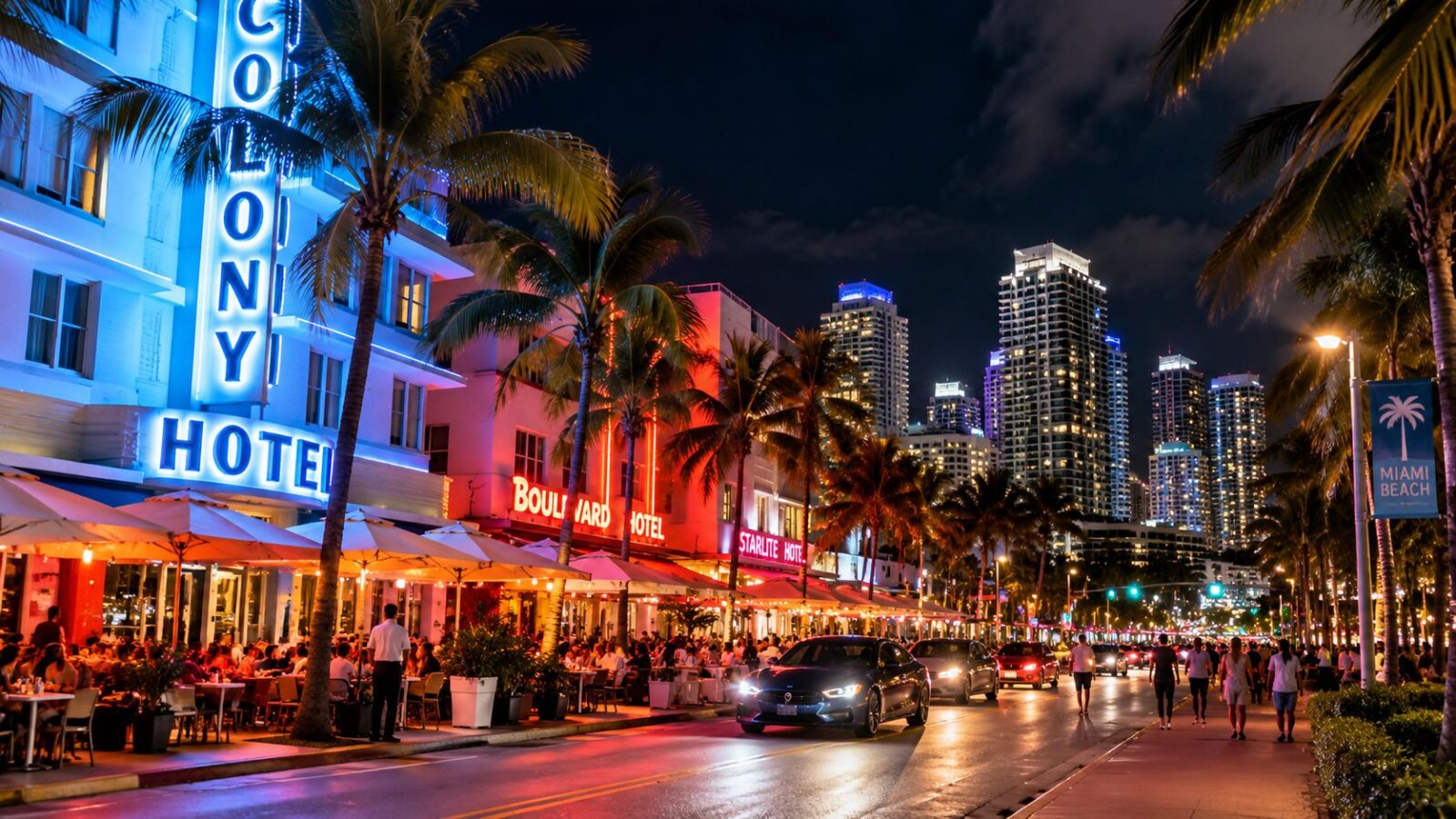
Florida is joining California, New York, Nevada, Texas and other major US tourism states in confronting a new uncertainty in international travel as the permanent US Visa Bond Program allows selected B-1/B-2 applicants to be required to post financial guarantees of up to $20,000 before a visa can be issued.
The policy is aimed at reducing visa overstays, but it also introduces a substantial new financial hurdle for travellers from designated countries. The bond is refundable when programme conditions are met, so it is not equivalent to a conventional visa fee. Yet travellers may still need access to $10,000, $15,000 or $20,000 before beginning the journey.
That distinction matters for tourism-heavy states. Florida received around 9.3 million international-air visitors in 2025, California about 6.6 million, while New York recorded roughly 9.1 million. Even if only a fraction of those visitors come from bond-covered markets, a sharp reduction in visa conversion could affect hotels, attractions, airlines, restaurants and retail businesses that rely heavily on international spending.
US Visa Bond Program at a Glance
| Key rule | Permanent programme |
|---|---|
| Visa categories | B-1/B-2 business and tourist visas |
| Bond levels | $10,000, $15,000, $20,000 |
| Countries covered | 50 as of early October 2026 |
| Maximum financial requirement | $20,000 |
| Bond refundable | Yes, when programme conditions are satisfied |
| Visa guaranteed after bond payment | No |
| Decision made by | US consular officer |
| Programme purpose | Reduce visa overstays |
| Applies differently by state | No, it is a federal rule |
The central tourism issue
- The bond is not a tourism tax.
- It can still create a major liquidity burden.
- Some travellers may abandon trips before booking.
- Families may face several individual bond obligations.
- Visitors who do travel may shorten stays or reduce discretionary spending.
- Tourism effects will vary widely between US states and source markets.
Florida Faces the Biggest Exposure Among Major Tourism States
Florida sits at the centre of the tourism debate because it attracted approximately 9.3 million international-air visitors in 2025. Miami, Orlando, Fort Lauderdale and South Florida depend on a mixture of leisure travel, family visits, cruises and business activity. A visitor facing a refundable bond of up to $20,000 may still qualify for travel but decide that a Florida holiday is no longer financially practical. That pressure could be especially important for families planning theme-park holidays or longer resort stays because several applicants could be required to post separate bonds. Florida therefore faces two risks: fewer visitors from covered markets and lower spending among those who still travel.
Advertisement
Advertisement
Florida’s Cruise and Theme-Park Economy Adds Another Layer of Exposure
Florida is not simply a hotel-and-airport market. Its tourism system combines some of the world’s busiest cruise gateways with theme parks, beaches and large family-oriented attractions. That makes international travel decisions particularly valuable because visitors often spend across several sectors during one holiday. A family arriving through Miami might combine a cruise with a hotel stay, while Orlando visitors typically spend on accommodation, attractions, restaurants, shopping and ground transport. If a large pre-travel bond causes families to reduce group size or shorten trips, the impact can spread well beyond airline arrivals. The economic effect could therefore appear through fewer cruise extensions, shorter hotel stays and lower attraction spending rather than only through headline visitor numbers.
California Faces a High-Cost Long-Haul Tourism Challenge
California received around 6.6 million international-air visitors in 2025, making it one of the country’s most internationally exposed tourism markets. Los Angeles, San Francisco, theme parks, technology events, coastal touring and family travel all contribute to that demand. California trips can already be expensive because travellers often face long-haul airfares, multi-night hotel costs and considerable ground-transport expenses. Adding a bond of $10,000 to $20,000 increases the amount of money that must be available before departure. Even where travellers complete the trip and later recover the bond, they may downgrade accommodation, shorten the itinerary or reduce spending. California therefore faces both an arrival risk and a visitor-value risk.
Advertisement
Advertisement
Florida and California comparison
| Tourism indicator | Florida | California |
|---|---|---|
| International-air visits in 2025 | 9.3 million | 6.6 million |
| Major tourism model | Leisure, cruises, family, theme parks | Long-haul leisure, cities, business, touring |
| Maximum potential bond | $20,000 | $20,000 |
| Key tourism sensitivity | Family and discretionary holidays | High total trip cost |
| Possible response | Smaller groups, shorter stays | Reduced itinerary length and spending |
New York Faces the Gateway Effect
New York recorded roughly 9.1 million international-air visitors in 2025, putting it close to Florida in scale. But its tourism exposure is different. New York City is simultaneously an arrival gateway, business centre, shopping destination and family-visiting market. Overseas travellers are also high-value consumers. The average overseas visitor to the US spent about $1,829 per trip in 2025, while around 82.9% reported shopping and 77.8% sightseeing. A visa-bond requirement may therefore reduce not only the number of travellers but the amount of spending available once they arrive. New York may remain resilient overall because many major international markets are unaffected, but specific communities could experience sharper declines.
Nevada Could Feel the Strongest Leisure Substitution Effect
Nevada attracted approximately 2.3 million international-air visitors in 2025, with Las Vegas dominating the state’s overseas tourism economy. Its exposure is particularly important because much of the travel is discretionary. A visitor travelling to see family may tolerate a substantial financial hurdle. A traveller considering Las Vegas for entertainment may simply choose another destination. That makes Nevada unusually sensitive to substitution. A refundable bond can still change the perceived value of the trip when travellers must temporarily commit thousands of dollars before departure. Casinos, resorts, conventions, entertainment venues and luxury retail could all feel the effect if covered travellers postpone visits, reduce trip lengths or redirect holidays to destinations with fewer financial barriers.
Texas Faces a Different Risk Through Business and Family Travel
Texas received about 1.9 million international-air visitors in 2025. Its exposure differs from Florida and Nevada because Houston and Dallas attract a substantial mix of business, family, medical and professional travel. Nigeria is among the countries included in the bond programme, making Texas particularly interesting because of Houston’s long-standing commercial and diaspora links with West Africa. There is no official state-by-state count showing how many Texas visitors will actually face a bond, so the exact impact cannot be calculated. But if travel from covered African markets weakens, the effect may appear through fewer business visits, family reunions and professional trips rather than through conventional resort tourism.
The Pilot Shows Why Tourism Businesses Are Watching Closely
The most important evidence comes from the pilot programme. The 50 countries eventually covered by the system had recorded 45,488 B-visa overstays in fiscal year 2024. During the first 10 months of the bond programme, fewer than 50 overstays were recorded among bonded travellers. That demonstrates a dramatic improvement in compliance.
But the same period also produced an 83% decline in visa issuance from affected markets compared with the corresponding period a year earlier.
That second number explains the tourism concern. If fewer travellers receive visas because some applicants decide not to post the bond, the economic impact occurs before airlines, hotels or attractions ever see the customer.
Advertisement
Advertisement
Visa Bond Pilot Results
| Indicator | Reported result |
|---|---|
| Previous B-visa overstays across covered countries | 45,488 |
| Bonded overstays during first 10 months | Fewer than 50 |
| Decline in visa issuance from affected markets | 83% |
| Maximum permanent bond | $20,000 |
The figures show a clear policy trade-off. The programme appears effective at improving compliance, but the same deterrent effect can reduce legitimate tourism demand.
Families Face the Largest Financial Barrier
The impact becomes much larger when several relatives travel together. If each member of a family is required to post a bond, the total financial exposure can rise quickly.
| Travellers | At $10,000 each | At $15,000 each | At $20,000 each |
|---|---|---|---|
| 1 | $10,000 | $15,000 | $20,000 |
| 2 | $20,000 | $30,000 | $40,000 |
| 3 | $30,000 | $45,000 | $60,000 |
| 4 | $40,000 | $60,000 | $80,000 |
These are illustrative combined amounts, not a guarantee that every family member would receive the same bond requirement. Still, they explain why family tourism can be especially sensitive. A holiday group that would otherwise book several airline seats, hotel rooms and attraction tickets may reduce the number of travellers or abandon the trip entirely.
The Bond Can Change Spending Even When the Traveller Still Comes
Overseas visitors stayed an average of about 16.9 nights in the United States in 2025 and spent approximately $1,829 per trip. Around 71% used hotels or motels. These are valuable travellers because their spending is spread across accommodation, restaurants, transport, shopping and attractions. A tourist who has temporarily committed $20,000 to a bond may still travel but become more cautious with discretionary spending. That could translate into a shorter holiday, lower-cost hotel, fewer shopping purchases or fewer domestic stops. Tourism businesses therefore need to consider more than arrival numbers. Average length of stay and spending per visitor may become equally important indicators of the programme’s economic impact.
Covered Countries Stretch Across Several Tourism Markets
The permanent programme currently reaches 50 countries across Africa, Asia, the Caribbean, Latin America and the Pacific. They include Nigeria, Bangladesh, Nepal, Ethiopia, Zimbabwe, Botswana, Mozambique, Namibia, Tunisia, Venezuela, Fiji and Cambodia, among others.
India is not currently included.
Advertisement
Advertisement
That geographic spread matters because the affected visitors are not concentrated in one US destination. African travellers may favour New York, Texas or Washington, while Caribbean and Latin American visitors may have stronger links with Florida. Pacific travellers can feed Hawaii and West Coast markets. The bond is nationally uniform, but tourism exposure depends heavily on where each nationality already travels.
Which States Have the Greatest International Tourism Exposure?
| State | 2025 international-air visits | Principal tourism exposure |
|---|---|---|
| Florida | 9.3 million | Leisure, cruises, family travel |
| New York | 9.1 million | Gateway, shopping, business, family |
| California | 6.6 million | Long-haul leisure, business, touring |
| Nevada | 2.3 million | Entertainment and discretionary leisure |
| Texas | 1.9 million | Business, family and diaspora travel |
These five states account for a large share of international-air tourism, making them important markets to watch as the permanent programme matures.
Massachusetts Could Feel the Effect Through Family Visits
Massachusetts may experience the programme through travel that does not always look like conventional tourism. Boston’s universities and hospitals draw international students, academics and professionals, while relatives often visit for graduations and family events. The bond does not apply to student visas themselves, but relatives travelling on B-1/B-2 visas can be affected. That could reduce the size of visiting family groups or shorten stays. These travellers still contribute substantially to hotels, restaurants, museums and local transport. The state therefore illustrates how an immigration policy can affect tourism indirectly through education-linked travel even when the primary purpose of the journey is not a holiday.
Hawaii Faces a Particular Pacific-Market Challenge
Hawaii’s international tourism economy is heavily connected to Asia and the Pacific. Its largest overseas visitor markets remain outside the programme, limiting the overall exposure. But several smaller Pacific countries are covered. For travellers from those markets, the bond can be especially burdensome because a Hawaii holiday already requires expensive airfares and accommodation. A refundable $20,000 requirement may be several times larger than the actual trip cost. That means the programme could weaken smaller Pacific visitor segments disproportionately even if Hawaii’s overall international tourism numbers remain strong. The effect may be difficult to detect in statewide totals but more noticeable among businesses serving specific communities and source markets.
Airlines Could See the Impact Before Hotels
The visa bond adds another step between travel interest and a completed booking. A traveller may successfully reach the visa-interview stage but then decide against posting the required bond. That means the airline ticket is never bought and the hotel reservation is never made. Airlines serving markets in Africa, South Asia, the Caribbean and the Pacific could therefore experience the earliest change in demand. Tour operators may also see smaller groups or more abandoned itineraries. Hotels would feel the impact later through lost room nights. The 83% decline in visa issuance during the pilot illustrates why travel businesses are watching the programme closely even though the bond itself is an immigration-policy tool rather than a tourism measure.
Competing Destinations Could Gain From Redirected US Demand
One of the less visible consequences is destination substitution. International travellers do not necessarily stop travelling when the United States becomes harder to access. They may simply choose somewhere else. A traveller from Nigeria could redirect spending towards Canada, Britain, the Gulf or Europe. A family considering Florida could choose another warm-weather destination. Someone planning Las Vegas could select another entertainment city. That means the economic impact is not merely lost US tourism. It can become additional visitor spending for competing destinations. This substitution risk is particularly relevant for highly discretionary states such as Florida, Nevada and California, where many international trips are chosen from a broad set of global alternatives.
Advertisement
Advertisement
The Programme Could Reduce Multi-State Trips
International travellers often combine several US destinations. Around 75.4% of overseas visitors travelled to only one state, while roughly 24.6% visited two or more. A substantial bond could push more visitors towards simplified itineraries. Someone who once planned New York, Florida and California may now choose only New York. A California-Nevada holiday could become California alone. Gateway destinations may therefore retain a larger share of visitors while secondary stops lose spending. This effect may be especially important for domestic airlines, rental-car companies and tour operators that benefit when overseas tourists move between multiple states.
Florida Could Feel the Impact Beyond Visitor Arrivals
For Florida, the most important indicator may not be total visitor numbers. It may be the amount each traveller spends and how long they stay. A visitor who once planned 10 nights may reduce the holiday to 6. A family of four may travel with only two members. A Miami cruise passenger may abandon a pre-cruise hotel extension. An Orlando visitor may reduce shopping or attraction days. These changes can lower tourism revenue even when the person still enters the state. With Florida receiving 9.3 million international-air visitors in 2025, relatively small changes in travel behaviour can become meaningful when spread across such a large visitor base.
California Could See Similar Pressure on Longer Itineraries
California’s tourism geography makes length of stay particularly important. International visitors frequently combine Los Angeles, San Francisco, coastal routes, national parks and nearby Nevada. A financially constrained traveller may reduce that multi-stop itinerary to one metropolitan area. That would affect hotels, car rentals and attractions beyond the main international gateway. California therefore faces a different type of vulnerability from Florida. Instead of primarily losing beach or resort holidays, it may lose the additional days associated with extended touring. For tourism businesses outside Los Angeles and San Francisco, itinerary compression could become as important as a decline in arrivals.
The Programme Creates a Clear Tourism Trade-Off
The compliance data supporting the permanent programme is powerful. Fewer than 50 bonded overstays during its first 10 months, compared with 45,488 earlier B-visa overstays across the covered markets, signals a dramatic improvement.
But visa issuance also fell 83%.
That is the central tension. The programme may be achieving its immigration-control objective precisely because some people decide not to travel.
Advertisement
Advertisement
Main tourism implications
- Fewer potential visitors from selected markets.
- Higher upfront financial barriers.
- Greater impact on families and groups.
- Possible shorter stays among approved travellers.
- Reduced shopping and discretionary spending.
- More single-state rather than multi-state itineraries.
- Potential diversion of travel to competing countries.
- Uneven impact across US cities and states.
Florida, California and New York Will Be the Major Markets to Watch
Florida, California and New York provide the clearest test of whether the programme produces a measurable tourism effect because of their enormous international visitor bases. Together they received roughly 25 million international-air visits in 2025. But aggregate arrivals will not tell the entire story because most visitors come from unaffected markets.
The more revealing indicators will be arrivals by nationality, hotel nights, average spending, family group sizes and length of stay.
A state can continue posting strong international tourism numbers while losing substantial business from specific origin markets. That is why the Visa Bond Program is likely to create highly targeted effects rather than a uniform nationwide tourism downturn.
The Biggest Impact May Come From Trips That Never Get Booked
The permanent Visa Bond Program raises a fundamental tourism question: how many otherwise legitimate travellers will decide that visiting the United States is no longer worth the financial commitment?
The maximum $20,000 bond is refundable when conditions are satisfied, but liquidity still matters. The 83% reduction in visa issuance during the pilot demonstrates that the requirement can dramatically change applicant behaviour.
For Florida, California, New York, Nevada, Texas and other internationally exposed states, the economic effect may therefore be surprisingly quiet. It can appear as empty hotel rooms that were never reserved, attraction tickets that were never purchased, airline seats never booked and family trips redirected to another destination.
Advertisement
Advertisement
That is what makes the programme important to tourism. Its biggest economic impact may occur before the traveller ever reaches America.
Florida joins California and others in bracing for new tourism impact amid volatile visitor demand as the US Visa Bond Program raises entry costs to $20,000, risking fewer trips, shorter stays and lower visitor spending.
In conclusion, Florida joins California and others in bracing for new tourism impact amid volatile visitor demand as the US Visa Bond Program raises entry costs to $20,000, creating a financial barrier that could discourage some travellers, shorten stays and reduce discretionary spending. The policy may strengthen visa compliance, but for tourism-heavy states, the bigger concern is whether legitimate visitors from affected markets choose smaller trips, fewer destinations or alternative countries instead of travelling to the United States.
Advertisement
