
Samos, Greece & Mediterranean Blue Mind Travel Surge Across 22 Coastal States Reveals What Others Are Missing in 2026 Experience Economy Shift

Published
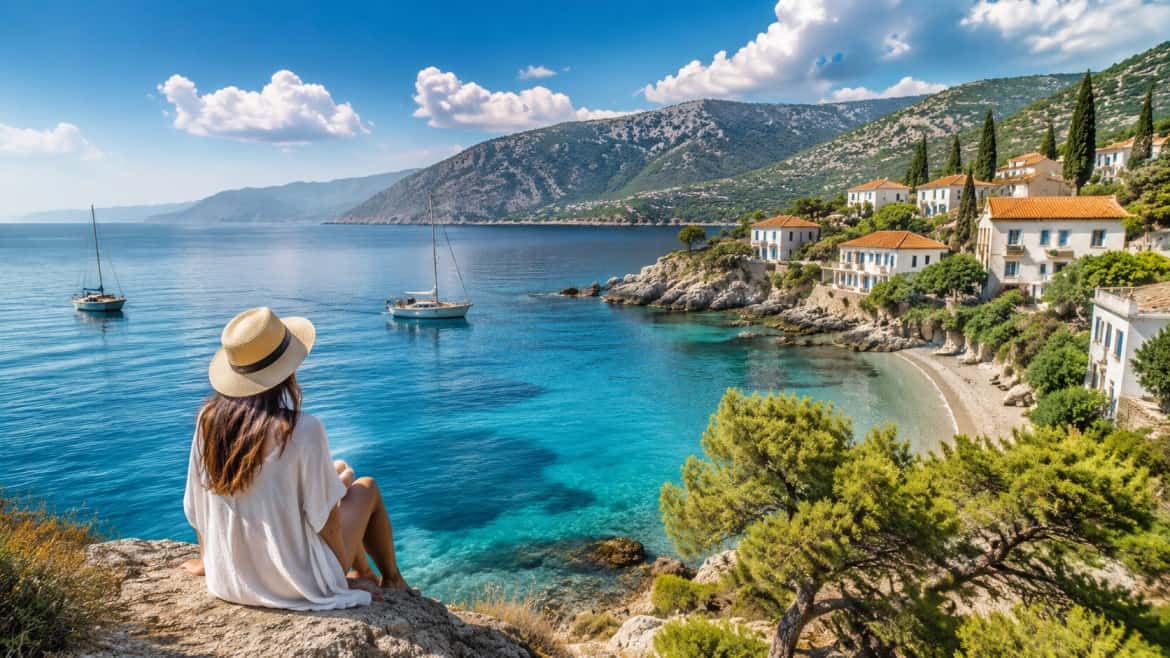
Mediterranean tourism is undergoing a structural shift in 2026 as travellers move away from mass “fly-and-flop” beach holidays toward deeper cultural immersion and wellness-led “blue mind” experiences. This change is unfolding now, driven by rising burnout, overtourism fatigue and demand for authenticity. It is critical because destinations across 22 coastal states are being forced to redesign tourism models. The trend directly affects travellers, hospitality operators, and policymakers who rely on repeat visitation and seasonal revenue stability.
Mediterranean Travel Enters a High-Pressure Transformation Phase
The Mediterranean is no longer operating as a uniform leisure zone. It is evolving into a fragmented, experience-driven ecosystem spanning 22 coastal states and territories, each competing on cultural depth rather than just sun-and-sea appeal.
In destinations such as Samos in Greece, the transformation is visible in how travel demand is being restructured. Tourists are no longer satisfied with generic coastal escapes. Instead, they are selecting micro-regions, village economies and heritage-driven itineraries.
Key structural shifts include:
Advertisement
Advertisement
- Decline of generic package beach tourism
- Rise of country-specific micro-experiences
- Increased demand for off-season travel
- Strong preference for culturally embedded stays
This shift is not seasonal. It is systemic. It signals a long-term redefinition of Mediterranean tourism value chains.
Blue Mind Tourism Becomes a Wellness-Driven Demand Engine
One of the most powerful drivers of change is the rise of “blue mind” travel behaviour, a concept linked to psychological calm triggered by proximity to water.
Advertisement
Advertisement
In 2026, this is no longer niche. It is embedded in mainstream travel planning.
Travellers are actively designing itineraries around:
- Private boat charters along quiet coastal routes
- Waterfront boutique hotels prioritising sensory design
- Slow-swim and meditation-based sea experiences
- Early-morning and low-crowd shoreline access
This shift is being accelerated by global burnout trends and digital fatigue. Travellers are not just seeking relaxation; they are seeking cognitive reset.
The Mediterranean is uniquely positioned for this because of:
- High coastline accessibility
- Warm-water seasonality
- Dense island ecosystems
- Short-distance maritime mobility
Destinations that fail to integrate water-centric wellness experiences risk losing high-value repeat visitors.
The Comeback Effect Redefines Repeat Tourism Behaviour
A major behavioural shift shaping Mediterranean travel is the “Comeback Effect,” where repeat visitors are no longer passive return tourists but active micro-explorers.
Advertisement
Advertisement
Instead of repeating identical holidays, travellers are evolving their behaviour into layered discovery models.
Returning visitors now prioritise:
- Local neighbourhood food producers
- Non-touristic beaches and coves
- Cultural micro-events and village festivals
- Off-season quiet travel windows
This creates a powerful economic advantage for destinations. Repeat tourists spend more per visit and distribute spending beyond core tourist zones.
The transformation is clear:
- First visit: iconic landmarks and beaches
- Second visit: curated cultural immersion
- Third visit: local integration and hidden ecosystems
This behaviour is reshaping destination planning strategies across Greece, Italy, Spain and smaller island economies.
The Micro-Local Immersion Economy Is Replacing Mass Tourism Logic
A critical new dimension emerging in Mediterranean travel is what can be defined as the “micro-local immersion economy.”
Advertisement
Advertisement
This model rejects large-scale tourism consumption and instead focuses on hyper-localised cultural access.
It is built on three pillars:
1. Cultural Micro-Access
- Small-scale workshops with local artisans
- Family-run culinary experiences
- Heritage storytelling tours
2. Environmental Precision Travel
- Controlled visitor flows to sensitive coastal zones
- Seasonal redistribution of tourist density
- Protected micro-beach access systems
3. Emotional Value Engineering
- Travel designed around memory formation rather than volume
- Focus on sensory experiences instead of attractions
This model is increasingly important as destinations attempt to balance tourism revenue with sustainability pressures and resident quality of life.
Advertisement
Advertisement
It also explains why travellers are actively rejecting overexposed destinations in favour of lesser-known coastal zones.
What Mediterranean Destinations Must Do to Stay Competitive
Tourism boards and hospitality operators across the Mediterranean are now forced to redesign their strategic frameworks.
To remain competitive, destinations must:
- Shift from mass marketing to micro-targeted storytelling
- Invest in water-based wellness infrastructure
- Promote second-city and secondary island destinations
- Extend tourism seasons beyond peak summer months
- Protect cultural authenticity from commercial dilution
The failure to adapt will lead to economic concentration in only a few “super destinations,” while smaller coastal communities risk being excluded from the tourism value chain.
Policy alignment is becoming essential. Sustainability is no longer a branding tool. It is a survival mechanism.
The Industry Perspective
According to TTW Founder and Editor-in-Chief Mr. Anup Kumar Keshan, the Mediterranean shift reflects a deeper transformation in global tourism behaviour.
Advertisement
Advertisement
“Travellers are no longer buying destinations; they are buying emotional recovery, cultural truth and repeatable belonging. The Mediterranean is becoming a test case for how tourism evolves when authenticity becomes more valuable than volume,” he notes.
The direction is clear. The next phase of Mediterranean tourism will not be defined by how many visitors arrive, but by how deeply they connect—and how often they return.
Call to Action
The Mediterranean is entering a decisive transformation cycle. Travellers, investors and destination planners who recognise the shift toward blue mind travel and micro-local immersion will shape the next decade of tourism demand. Those who ignore it risk becoming irrelevant in an experience-driven economy that no longer rewards mass tourism logic.
Advertisement
