
China’s Economy Roars Ahead as Golden Week Tourism and 2.14 Billion Passenger Journeys Fuel Retail Growth

Updated
Published
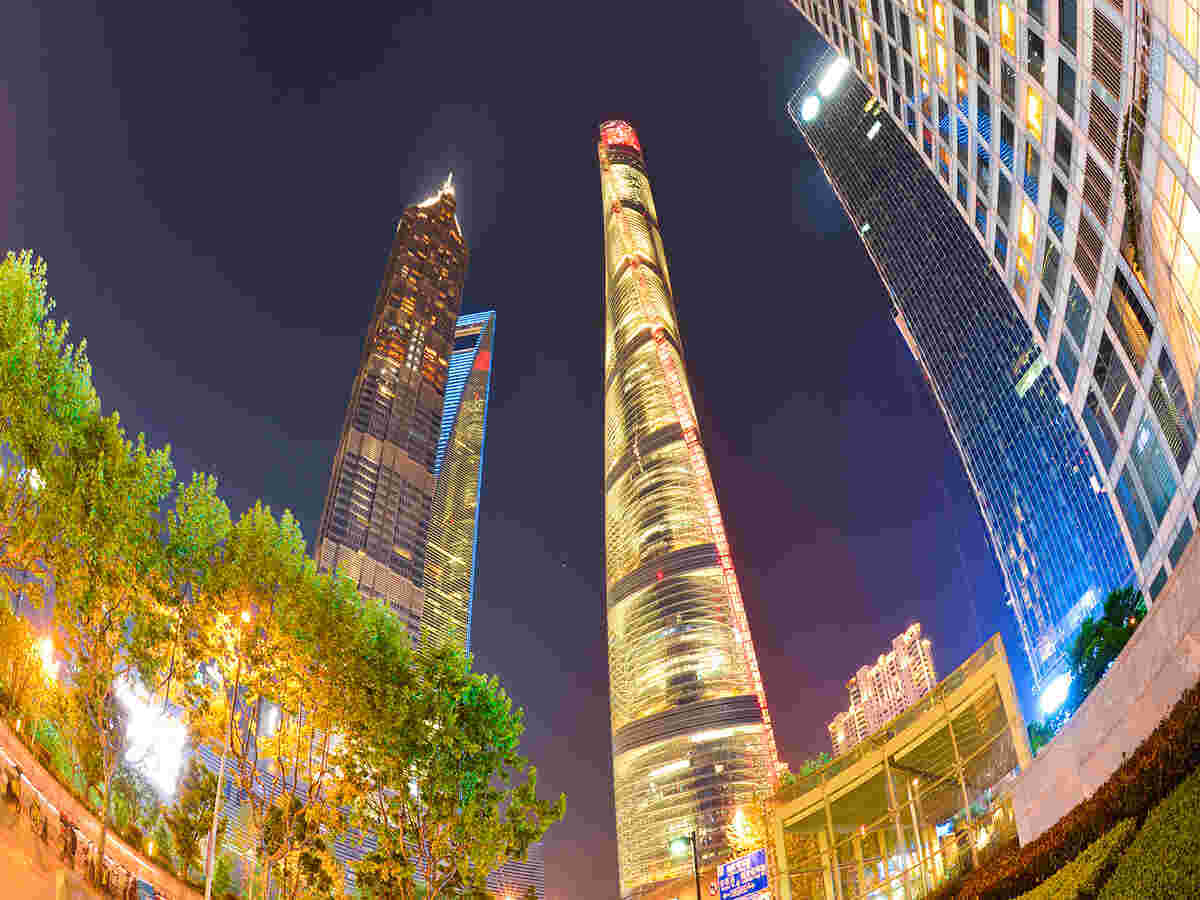
China’s Golden Week fuels retail growth as 2.14 billion passenger journeys boost tourism, shopping and consumer spending.
China’s holiday economy has seen a surprising boom this year, as 2.14 billion cross-regional passenger travels during Golden Week fuelled tourism, shopping and spending. The National Day holiday, which runs from 1 to 7 October, saw a surge in demand as both domestic and overseas tourists flocked to major cities as well as smaller county destinations. From popular shopping districts and high-speed rail networks, to popular tourist attractions and burgeoning county-level tourism markets, the economy saw a rise in activity across multiple sectors. A spike in tourism, hotel occupancy, entertainment, and technology shopping demonstrated the strength of China’s vast consumer market, while policies and visa-free travel initiatives provided an added boost to the country’s expanding holiday economy.
China’s Golden Week Records 2.14 Billion Passenger Journeys Amid Strong Travel Demand
China experienced substantial domestic travel activity during the National Day holiday, with transport networks accommodating millions of travellers across the country.
According to the Ministry of Transport, approximately 2.14 billion cross-regional passenger journeys were recorded between 1 and 7 October.
Advertisement
Advertisement
Daily passenger movements averaged around 306 million, marginally exceeding the corresponding daily average from the previous year.
The figures reflected strong demand for leisure travel, family visits and multi-destination holidays.
Advertisement
Advertisement
Major railway stations, airports and regional transport networks played an important role in supporting nationwide mobility.
The scale of passenger movements also generated business opportunities for tourism attractions, accommodation establishments, shopping districts and other travel-related services.
Advertisement
Advertisement
Extended Holidays Encourage Longer Trips and Multi-City Tourism
The proximity of the Mid-Autumn Festival and National Day holidays encouraged travellers to plan longer domestic journeys.
With only three working days separating the two holiday periods, visitors could combine them into a continuous 13-day break by taking three days of annual leave.
According to Trip.com Group, approximately one in ten travellers took advantage of this extended holiday arrangement.
The additional leisure time encouraged greater interest in distant destinations and multi-city itineraries.
Advertisement
Advertisement
Online travel platform Qunar reported that flight bookings covering distances exceeding 2,000 kilometres increased by more than 40% year on year.
Meanwhile, hotel bookings involving accommodation across four or more cities climbed 53%.
These trends demonstrated increasing demand for longer holidays, regional exploration and more flexible travel experiences.
High-Speed Railway Expansion Strengthens China’s Domestic Tourism Network
China’s expanding high-speed railway infrastructure provided important support for holiday tourism.
Ahead of Golden Week, newly introduced railway sections improved accessibility between major cities and regional destinations.
These included the Xiong’an–Shangqiu, Xi’an–Ankang and Harbin–Yichun routes.
Advertisement
Advertisement
The improved connectivity reduced travel times and created additional opportunities for tourists to visit destinations beyond established metropolitan centres.
One notable improvement involved travel between Harbin and Yichun, where a journey previously requiring approximately seven hours was reduced to slightly more than one hour.
Shorter travel times allowed visitors to spend additional hours exploring natural attractions and regional tourism experiences.
The improved railway connections also strengthened the potential for tourism growth across smaller destinations and surrounding communities.
China’s Service Economy Registers Powerful Growth During Golden Week
Increased tourism activity translated into stronger consumer spending across several service industries.
Official data revealed that average daily sales in service-related sectors increased by 19.5% year on year during the National Day holiday.
Advertisement
Advertisement
Tourism, sightseeing and entertainment services recorded growth of 23.6%, reflecting increased participation in leisure activities.
Catering services registered a 9% increase, while cultural and artistic services expanded by 20.9%.
Sports services experienced particularly strong demand, with sales rising 29.4% compared with the previous year.
These figures highlighted the wider economic contribution of holiday tourism.
Beyond transportation and accommodation, visitor spending supported entertainment venues, recreational facilities, cultural attractions and businesses operating throughout China’s hospitality and leisure economy.
Yunnan, Sichuan and Xinjiang Attract Growing Interest from Domestic Tourists
Smaller cities and county-level destinations emerged as important beneficiaries of changing domestic travel preferences.
Advertisement
Advertisement
Tourists increasingly explored destinations offering quieter surroundings, distinctive landscapes and locally focused cultural experiences.
Mile City in Yunnan Province attracted visitors seeking relaxation, community events and authentic regional experiences.
Meanwhile, Jiuzhaigou County in Sichuan Province continued attracting interest through its mountain scenery and distinctive natural landscapes.
Burqin County in Xinjiang also emerged among the popular destinations, supported by demand for outdoor attractions and scenic tourism.
According to Qunar, hotel bookings in popular county-level destinations increased by 32% year on year.
The trend demonstrated how tourism demand was spreading beyond major urban centres into emerging regional markets.
Advertisement
Advertisement
Government Initiatives Strengthen County-Level Tourism and Consumer Markets
China has introduced measures designed to expand consumer activity across smaller cities, towns and rural communities.
In August, nine government departments, including the Ministry of Commerce, jointly issued guidelines supporting lower-tier consumption markets.
The measures focused on improving shopping accessibility, increasing the availability of consumer brands and strengthening service quality.
They also encouraged the development of locally relevant retail, cultural and leisure experiences.
These initiatives could benefit emerging tourism destinations by improving visitor facilities and expanding spending opportunities.
McKinsey has projected that by 2030, more than 60% of China’s personal consumption growth could come from third-tier cities and below, including county-level and rural markets.
Advertisement
Advertisement
This outlook highlighted the increasing significance of smaller destinations within China’s wider consumer economy.
International Tourism Strengthens as Visa-Free Arrivals Continue Rising
China’s inbound tourism sector also recorded positive growth during Golden Week.
According to the National Immigration Administration, approximately 682,000 foreign nationals entered China during the holiday period.
The figure represented an increase of 5.4% year on year.
Of these arrivals, approximately 505,000 foreign visitors entered under visa-free arrangements, reflecting growth of 9.2% compared with the previous year.
The rise demonstrated the contribution of simplified entry policies to international travel movements.
Advertisement
Advertisement
Greater accessibility encouraged eligible overseas visitors to explore China’s cultural landmarks, natural attractions and urban destinations.
The increased international arrivals also supported opportunities for accommodation providers, airlines, transport operators and retail businesses serving foreign tourists.
Zhangjiajie Tourism Benefits from International Interest in Natural Attractions
Zhangjiajie National Forest Park in Hunan Province remained an important attraction for international visitors during the October holiday period.
The destination’s distinctive sandstone formations, forest landscapes and seasonal autumn scenery provided opportunities for nature-based tourism.
Visitors explored scenic routes, photographed the surrounding landscapes and participated in guided sightseeing experiences.
Traditional Tujia cultural performances also introduced international tourists to the region’s intangible cultural heritage.
Advertisement
Advertisement
The combination of natural beauty and cultural experiences strengthened Zhangjiajie position as a destination for overseas travellers.
Growing interest in such attractions demonstrated the importance of combining environmental tourism with regional heritage experiences.
It also supported broader efforts to diversify China’s international tourism offerings.
Shopping Districts Experience Strong Retail Growth During National Day Holiday
China’s major shopping streets and commercial districts recorded stronger activity as holiday visitors increased spending.
During the first six days of Golden Week, the Ministry of Commerce monitored 78 major shopping streets and commercial districts.
The results showed that visitor footfall increased by 2.5% year on year, while revenue climbed 4.7%.
Advertisement
Advertisement
The increase in retail revenue exceeded growth in visitor numbers across the monitored locations.
Shopping centres, commercial streets and entertainment establishments benefited from greater consumer activity.
The figures highlighted the relationship between tourism movements and retail spending, with holiday visitors contributing to commercial demand across multiple destinations.
Consumer Trade-In Programme Generates 33.48 Billion Yuan in Sales
Government-backed purchasing incentives provided additional momentum to China’s retail sector.
Between 1 and 6 October, the consumer goods trade-in programme generated approximately 33.48 billion yuan, equivalent to around US$4.97 billion, in sales.
The initiative benefited approximately 6.39 million consumers.
Advertisement
Advertisement
Ahead of the holiday, the National Development and Reform Commission and Ministry of Finance allocated the fourth and final funding installment for the programme.
The allocation amounted to 62.5 billion yuan through ultra-long-term special treasury bonds.
This brought total annual programme funding to 250 billion yuan.
The initiative encouraged eligible households to replace selected consumer products, supporting retail demand and broader consumption activity during the holiday period.
Artificial Intelligence Products and Shenzhen Shopping Drive Technology Sales
Technology shopping emerged as another significant contributor to China’s holiday economy.
According to the Ministry of Commerce, sales of embodied artificial intelligence robots surged 130% year on year across key monitored platforms between 1 and 6 October.
Advertisement
Advertisement
Sales of smart glasses also doubled during the same period.
In Huaqiangbei, Shenzhen’s major electronics shopping district, innovative technology products attracted considerable attention from international visitors.
AI-powered translation devices, robots and advanced consumer electronics were among the products generating shopping interest.
The district’s extensive retail network highlighted China’s growing appeal as a destination for technology-focused shopping.
Rising demand for innovative products also demonstrated how artificial intelligence and consumer technology were becoming increasingly important within the retail economy.
China Travel and China Haul Trends Expand Tourism and Retail Opportunities
China’s international tourism appeal increasingly extends beyond traditional sightseeing.
Advertisement
Advertisement
The popularity of China Travel has encouraged overseas tourists to explore the country’s cultural attractions, landscapes and major cities.
Meanwhile, the emerging China Haul trend reflects growing interest in purchasing Chinese-designed and manufactured products during international visits.
Consumer electronics, innovative devices and locally developed merchandise have become part of the wider travel experience.
Expanded visa-free travel arrangements, duty-free shopping opportunities and improved tax refund services have supported greater convenience for eligible international visitors.
These developments demonstrate how tourism and retail can complement each other, creating additional commercial opportunities while introducing overseas travellers to China’s consumer brands and technological innovations.
China’s Golden Week Highlights the Strength of Its Expanding Holiday Economy
China’s Golden Week performance demonstrated the growing relationship between tourism, transport development and consumer spending.
Advertisement
Advertisement
The 2.14 billion cross-regional passenger journeys reflected extensive domestic mobility, while rising international arrivals reinforced the country’s tourism appeal.
Longer holidays encouraged multi-destination travel, and improved railway connections made regional attractions more accessible.
Smaller cities benefited from increased visitor interest, while shopping districts, cultural attractions and entertainment businesses recorded stronger activity.
China’s holiday economy surges as Golden Week tourism drives 2.14 billion passenger journeys, fueling retail growth through increased tourist spending, extended holidays and rising international arrivals.
Government-supported retail incentives and rising technology sales provided additional economic momentum. Together, these developments highlighted the resilience and diversity of China’s vast consumer market, with domestic tourism, international travel and expanding retail opportunities contributing to a stronger holiday economy.
Advertisement
