
Estonia and More Countries Lead A New Tourism Era As Travellers Seek Long-Term Lifestyle Journeys

Published
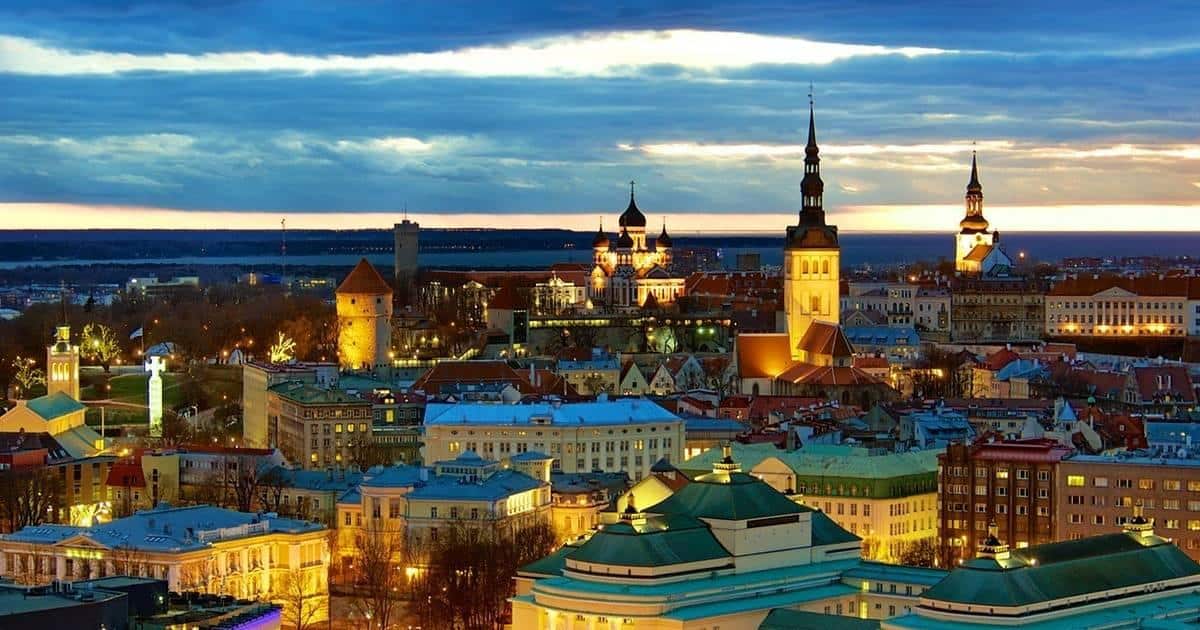
Estonia, Singapore and Malaysia are showing us the future of travel. People have begun to take “long-stays” instead of vacations. There are many reasons for the shift like remote work, options for permanent residency and retirement, and travel to safer destinations with better connections. The long-stay travel shift has been mentioned since 2026. The Rumavi Global Relocation Index placed Estonia, Singapore and Malaysia among the top relocation options for people around the world. It is important to note this shift because travel and tourism has begun to change and offer more than just regular vacations. Travel will become a larger part of people’s local and global economies. These changes will also allow travelers to be more selective of their future travel destination choices.
Estonia, Singapore And Malaysia Transform Global Travel As Lifestyle Mobility Becomes A New Tourism Force
For decades, international tourism was measured mainly through visitor arrivals, hotel nights and short leisure trips. Travellers typically selected destinations for beaches, cultural attractions, food experiences or major events.
Advertisement
Advertisement
However, a major change is emerging across the global travel sector. More travellers are now considering destinations where they can stay longer, work remotely, retire comfortably or build a new lifestyle.
This shift is creating a new category of travel demand that connects tourism with relocation, residency, business opportunities and long-stay living.
Advertisement
Advertisement
The rise of Estonia, Singapore and Malaysia reflects this changing behaviour. These countries are attracting attention not only as holiday destinations but also as places where international visitors can spend extended periods while combining work, leisure and daily life.
The Rise Of Long-Term Lifestyle Travel Beyond Traditional Holidays
The global travel industry has entered a period where the boundary between tourism and relocation is becoming less defined.
Advertisement
Advertisement
Remote working technology, flexible employment patterns and improved digital services have encouraged more professionals to explore longer stays abroad.
The modern traveller is increasingly looking for:
- Reliable digital infrastructure
- Affordable living costs
- Safety and political stability
- Healthcare access
- Long-stay visa opportunities
- International communities
- Quality lifestyle experiences
This changing demand has encouraged governments to introduce new immigration pathways and tourism strategies aimed at attracting visitors who stay for weeks, months or even years.
The long-term lifestyle travel market now connects several industries, including tourism, real estate, aviation, hospitality, education and financial services.
Countries that can provide easier settlement systems and strong quality-of-life conditions are gaining new advantages in the global travel competition.
Estonia Emerges As A Digital Lifestyle Destination
Estonia has gained international recognition as a small European country with a strong digital identity.
Advertisement
Advertisement
According to the Rumavi Global Relocation Index 2026, Estonia ranked first among 192 countries and territories evaluated for relocation attractiveness. The index assessed countries using factors linked to financial conditions, quality of life, safety, stability and opportunities.
The country’s appeal is closely connected with its digital society.
Estonia has spent years developing digital public services that allow residents and businesses to complete many government procedures online.
The government’s e-Residency programme, launched in 2014, allows international entrepreneurs to access Estonia’s digital business environment without becoming residents.
Official information from the Government of Estonia highlights the country’s digital services as a major part of its economic development strategy.
Estonia has also positioned itself as an attractive destination for remote workers through its Digital Nomad Visa.
Advertisement
Advertisement
The programme allows eligible remote workers to temporarily live in Estonia while working for employers or companies outside the country.
This approach has created a new connection between technology, tourism and international mobility.
Estonia’s Tourism Growth And International Appeal
Tourism remains an important part of Estonia’s economy.
The country attracts visitors through:
- Medieval heritage in Tallinn
- Coastal landscapes
- Forest and nature experiences
- Cultural events
- Digital innovation reputation
Official tourism data from the Estonian Tourism Board shows that international tourism has recovered strongly after pandemic-era disruption, with European markets remaining important contributors.
Longer stays create additional economic value because visitors spend more on:
Advertisement
Advertisement
- Accommodation
- Restaurants
- Local transport
- Leisure activities
- Professional services
For Estonia, attracting long-term visitors supports regional development beyond traditional tourist areas.
Singapore Builds A Premium Destination For Entrepreneurs And Global Talent
Singapore represents a different model of lifestyle mobility.
Unlike Estonia’s digital-first approach, Singapore’s strength comes from its position as a global financial and business centre.
The city-state continues to attract entrepreneurs, investors, skilled professionals and business travellers because of its:
- Stable economy
- International connectivity
- Strong infrastructure
- Business-friendly environment
- High-quality public services
The Rumavi Global Relocation Index 2026 ranked Singapore second globally and identified it as a leading destination for entrepreneurs.
Singapore also ranked highly for tax friendliness and business conditions.
Advertisement
Advertisement
The country’s tourism strategy has traditionally focused on attracting international visitors through premium experiences, meetings and events, luxury hospitality and entertainment.
However, the growth of lifestyle mobility is creating another opportunity.
Long-stay visitors contribute differently compared with traditional tourists. They require:
- Serviced apartments
- Flexible accommodation
- Professional networks
- Co-working facilities
- Long-term lifestyle services
This creates opportunities for Singapore’s hospitality and property sectors.
Singapore’s Tourism Economy And International Connectivity
Singapore remains one of Asia’s most connected travel hubs.
The country’s aviation infrastructure, led by Changi Airport, supports global tourism flows and strengthens its position as a gateway between Asia, Europe and other international markets.
Advertisement
Advertisement
The Singapore Tourism Board (STB) continues to develop strategies focused on strengthening tourism competitiveness, business events and visitor experiences.
Official tourism statistics show that Singapore welcomed millions of international visitors annually before the pandemic and has continued rebuilding its tourism sector through targeted recovery initiatives.
The destination has increasingly focused on quality tourism rather than only visitor volume.
This approach supports longer-stay travellers who contribute more broadly to the economy.
Malaysia Becomes A Global Favourite For Digital Nomads And Retirees
Malaysia has emerged as one of the strongest examples of Southeast Asia’s changing tourism landscape.
The country ranked third in the Rumavi Global Relocation Index 2026 and performed particularly strongly among retirees and digital nomads.
Advertisement
Advertisement
Malaysia’s attraction comes from a combination of affordability, infrastructure, cultural diversity and long-stay opportunities.
The country offers:
- Modern cities
- Tropical destinations
- International healthcare facilities
- Lower living costs compared with many developed markets
- Strong regional connectivity
Malaysia’s DE Rantau Nomad Pass, introduced through the Malaysia Digital Economy Corporation (MDEC), provides a pathway for eligible remote workers to stay and work legally in the country.
The programme reflects Malaysia’s effort to capture the growing digital nomad economy.
Malaysia’s Tourism Strategy Moves Towards Longer And Higher-Value Stays
Malaysia has traditionally been recognised as a leisure destination offering beaches, islands, rainforests, food tourism and cultural experiences. However, the country is increasingly expanding its tourism focus towards visitors who stay longer and contribute more consistently to local economies.
The government has identified tourism as a major economic sector through national development plans and tourism strategies.
Advertisement
Advertisement
The Ministry of Tourism, Arts and Culture Malaysia (MOTAC) continues to promote Malaysia as a destination that combines affordability, accessibility and diverse experiences.
The country’s tourism appeal is strengthened by its ability to serve different traveller groups.
Short-term holidaymakers visit destinations such as Kuala Lumpur, Penang, Langkawi and Sabah.
Meanwhile, long-stay visitors are attracted by:
- Lower daily expenses compared with many developed economies
- International healthcare facilities
- Digital connectivity
- Multicultural communities
- Regional flight connections
This combination has helped Malaysia become increasingly competitive in the global lifestyle mobility market.
Digital Nomad Tourism Creates New Opportunities Across Asia
The growth of remote work has changed how destinations compete for international visitors.
Advertisement
Advertisement
Previously, tourism marketing focused mainly on attractions, hotels and holiday experiences.
Now, countries are also competing through:
- Digital visas
- Remote work programmes
- Residency pathways
- Business-friendly policies
- Lifestyle infrastructure
Malaysia, Estonia and Singapore represent three different approaches to this emerging market.
| Country | Main Lifestyle Travel Attraction | Key Advantage |
|---|---|---|
| Estonia | Digital society and remote work | Advanced online public services |
| Singapore | Business and entrepreneurship | Global financial connectivity |
| Malaysia | Affordable long stays and remote work | Cost advantage and lifestyle diversity |
This competition is creating a new tourism segment where visitors may arrive initially as travellers but later become longer-term residents, investors or business owners.
Government Policies Supporting New Tourism Mobility
Governments are increasingly adjusting policies to attract international visitors who contribute beyond traditional tourism spending.
Estonia’s Digital Approach
Estonia’s digital infrastructure has become a central part of its international identity.
Advertisement
Advertisement
The country has promoted online government services and innovation-based programmes to attract entrepreneurs and remote professionals.
The official e-Residency programme allows foreign entrepreneurs to establish and manage businesses digitally through Estonia’s platform.
Source:
Government of Estonia
https://www.e-resident.gov.ee/
Singapore’s Global Business Position
Singapore continues to strengthen its position as an international business and innovation hub.
The government supports economic sectors that attract global companies, entrepreneurs and skilled professionals.
The country’s connectivity, infrastructure and regulatory environment remain key factors supporting international mobility.
Advertisement
Advertisement
Source:
Singapore Economic Development Board
https://www.edb.gov.sg/
Malaysia’s Digital Nomad Programme
Malaysia introduced the DE Rantau Nomad Pass to support remote professionals seeking longer stays.
The programme is designed to attract digital workers while supporting Malaysia’s digital economy ambitions.
Source:
Malaysia Digital Economy Corporation
https://mdec.my/derantau
Tourism Statistics Show Why Longer Stays Matter Economically
Traditional tourism measurements often focus on visitor numbers. However, long-term lifestyle travellers create different economic patterns.
A visitor staying several weeks or months can contribute to multiple sectors.
Advertisement
Advertisement
Economic benefits include:
- Higher accommodation spending
- Greater restaurant consumption
- Increased domestic transport use
- Local service demand
- Property and business investment interest
Tourism Impact Comparison
| Sector | Traditional Tourist | Long-Term Lifestyle Traveller |
|---|---|---|
| Accommodation | Hotels and resorts | Hotels, apartments, serviced residences |
| Spending Pattern | Short-term leisure spending | Regular daily economic contribution |
| Travel Purpose | Holiday | Work, lifestyle, retirement, business |
| Local Impact | Seasonal demand | Longer economic activity |
For destinations, attracting longer-stay visitors can help reduce dependence on peak holiday seasons.
Aviation And Airport Networks Become Critical To Lifestyle Tourism Growth
Long-term tourism depends heavily on international connectivity.
Airports are becoming more than transit points. They are important tools for attracting global residents and visitors.
Estonia
Tallinn Airport supports Estonia’s international accessibility, connecting the country with European markets.
Singapore
Singapore Changi Airport remains one of Asia’s most important aviation hubs.
Advertisement
Advertisement
Its extensive international network supports tourism, business travel and regional connectivity.
Malaysia
Malaysia benefits from major aviation gateways including Kuala Lumpur International Airport.
The country’s position in Southeast Asia allows visitors to combine Malaysia stays with wider regional travel.
Better air connectivity supports both tourism growth and relocation decisions.
Travellers considering longer stays often evaluate how easily they can travel between their home country and destination.
Hospitality Industry Adapts To The Rise Of Longer Stays
The growth of lifestyle travel is changing accommodation demand.
Advertisement
Advertisement
Hotels are increasingly developing products designed for extended visitors.
New opportunities include:
- Serviced apartments
- Extended-stay hotels
- Co-living spaces
- Work-friendly accommodation
- Wellness-focused properties
Destinations attracting digital nomads and retirees require different hospitality models compared with traditional holiday tourism.
Visitors staying for several months need:
- Kitchens
- Work areas
- Reliable internet
- Community facilities
- Local support services
This trend is encouraging tourism businesses to rethink how they design products for international guests.
Local Businesses Gain From A New Type Of Visitor
Long-term travellers often interact more deeply with local economies.
Advertisement
Advertisement
Unlike short holiday visitors who may spend mainly inside tourist zones, longer-stay visitors often use everyday services.
They contribute to:
- Cafés
- Supermarkets
- Fitness centres
- Transport providers
- Local entertainment
- Professional services
This creates wider economic benefits.
For smaller destinations, attracting even a limited number of long-stay visitors can support local businesses throughout the year.
Traveller Considerations Before Choosing A Long-Term Destination
Travellers considering extended stays need to evaluate more than attractions.
Important factors include:
Advertisement
Advertisement
- Visa requirements
- Healthcare access
- Cost of living
- Safety conditions
- Internet availability
- Local regulations
- Accommodation options
Estonia
Best suited for:
- Remote professionals
- Entrepreneurs
- Technology-focused travellers
Key attraction:
- Digital services and European access
Singapore
Best suited for:
- Business travellers
- Entrepreneurs
- High-skilled professionals
Key attraction:
- Global connectivity and economic opportunities
Malaysia
Best suited for:
- Digital nomads
- Retirees
- Budget-conscious long-stay travellers
Key attraction:
Advertisement
Advertisement
- Affordable lifestyle with modern facilities
Frequently Asked Questions
1. Why are Estonia, Singapore and Malaysia gaining attention among international travellers?
These countries are gaining attention because they combine tourism appeal with factors increasingly important for long-term stays, including safety, digital infrastructure, business opportunities and lifestyle options.
2. Are digital nomad visas changing global tourism?
Yes. Digital nomad programmes are creating a new category of travellers who stay longer and spend differently from traditional tourists. Countries are using these programmes to attract remote professionals and support local economies.
3. What should travellers check before planning a long-term stay abroad?
Travellers should check visa rules, healthcare access, accommodation availability, insurance requirements and local regulations before moving beyond a short holiday visit.
Conclusion
Estonia, Singapore and Malaysia are showing a trend in tourism away from the linear trips of the past where travelers only visit a country on a holiday without staying. Now travelers seek to go to locations they can stay in and have multiple experiences. Digital nomads, retirees and other lifestyle travelers have created this shift where countries are now competing with one another to win travelers’ interest. These countries provide a good example of tourism practices that extend past holiday travel to include living, working and traveling. Estonia, Singapore and Malaysia, along with progressive policies, strong infrastructures and connections have positioned themselves to dominate the international travel market.
Official Sources
Government of Estonia e-Residency
https://www.e-resident.gov.ee/
Singapore Economic Development Board
https://www.edb.gov.sg/
Malaysia Digital Economy Corporation DE Rantau
https://mdec.my/derantau
Advertisement
