
Laos Reveals New Sustainable Tourism Frontiers Across Luang Namtha and Luang Prabang Protected Landscapes

Updated
Published
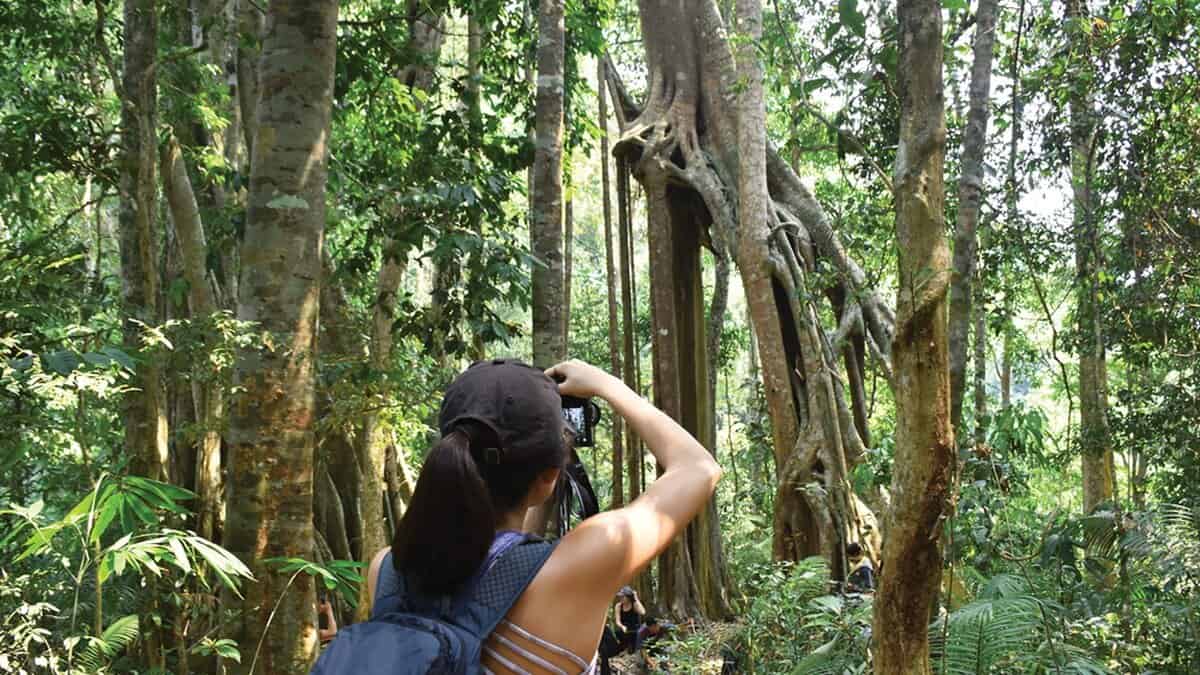
Laos is strengthening its position as a sustainable tourism destination by developing a rural travel model that connects remote mountain villages, protected landscapes, conservation areas and community-based experiences. The emerging opportunity is centred around northern destinations such as Luang Namtha and Luang Prabang, where nature tourism, ethnic village visits, trekking routes and protected ecosystems are becoming important parts of the country’s long-term tourism strategy. The latest direction focuses on moving beyond traditional sightseeing by creating low-impact travel experiences that distribute tourism income into rural communities while protecting natural resources.
Laos Creates A New Rural Tourism Opportunity Through Conservation And Community Experiences
Laos is entering a new phase of tourism development where remote mountain landscapes are becoming strategic assets for international travellers seeking authentic, sustainable and slower travel experiences.
The latest tourism direction in northern Laos highlights a shift from conventional destination promotion towards experience-based tourism built around villages, forests, biodiversity zones and local traditions.
The strongest example of this transformation is emerging in Luang Namtha, where the combination of protected landscapes and ethnic communities has created one of Laos’ most recognised ecotourism models. The province is home to the Nam Ha National Protected Area, a major conservation landscape offering jungle trekking, kayaking, rafting, mountain biking and community visits. The protected area covers approximately 244,000 hectares and occupies around one-quarter of Luang Namtha Province.
Advertisement
Advertisement
The exclusive tourism angle behind this development is not simply the promotion of hidden destinations. It is the creation of a rural tourism ecosystem where conservation, local livelihoods and visitor experiences operate together.
For international tour operators, this represents a growing opportunity to design new Laos itineraries focused on responsible travel, nature immersion and community interaction rather than traditional short-stay sightseeing.
Advertisement
Advertisement
Luang Namtha Emerges As Laos’ Leading Sustainable Tourism Laboratory
Luang Namtha has become a key destination for understanding how Laos is using rural areas as tourism assets.
The province combines mountain scenery, protected forests, ethnic communities and cross-border accessibility, creating conditions for a sustainable tourism network.
According to Tourism Laos, Nam Ha National Protected Area has received international recognition for its ecotourism approach, including ASEAN heritage recognition and community-based tourism awards.
The destination model is built around several tourism pillars:
| Tourism Pillar | Visitor Opportunity | Sustainability Impact |
|---|---|---|
| Protected landscapes | Trekking, wildlife experiences and nature exploration | Supports conservation awareness |
| Rural villages | Cultural exchanges and traditional lifestyles | Creates local income opportunities |
| Outdoor adventure | Hiking, kayaking and cycling | Encourages low-impact tourism |
| Local products | Handicrafts and community services | Strengthens rural economies |
This model is becoming increasingly important as global travellers search for destinations offering authenticity, environmental responsibility and meaningful cultural connections.
A major development for Luang Namtha has been improved accessibility. Tourism Laos reported that the province welcomed nearly 1.3 million visitors in 2025, with international arrivals and Laos-China Railway connections contributing significantly to visitor growth.
Advertisement
Advertisement
The growth shows how improved connectivity can help remote destinations participate in international tourism markets without depending only on large urban tourism centres.
Luang Prabang Connects Heritage Tourism With Northern Laos Nature Experiences
While Luang Namtha represents the strongest ecotourism connection, Luang Prabang provides the cultural gateway linking heritage tourism with rural exploration.
The UNESCO-listed city has long been one of Laos’ most recognised international destinations, but its wider tourism influence extends beyond the historic centre into surrounding mountains, rivers, villages and nature areas.
The growing opportunity is the connection between:
- heritage tourism in Luang Prabang city;
- rural villages outside the urban area;
- nature-based activities;
- cultural experiences;
- longer regional travel circuits.
This creates a more balanced tourism structure where visitors can combine cultural discovery with sustainable rural adventures.
The Lao tourism authorities have also been developing broader tourism planning frameworks. According to government tourism updates, national tourism planning for 2026 onwards places greater attention on sustainable destination management, tourism infrastructure improvements and stronger visitor experiences.
Advertisement
Advertisement
For international travel companies, Luang Prabang can increasingly function as an entry point for multi-day northern Laos itineraries connecting heritage, nature and community tourism.
Laos’ Rural Tourism Strategy Supports A Shift Away From Mass Tourism
The importance of northern Laos is linked to a wider global travel trend: the movement from volume-based tourism towards value-based tourism.
Travellers are increasingly looking for:
| Emerging Travel Demand | Laos Tourism Advantage |
|---|---|
| Authentic local experiences | Ethnic villages and traditional communities |
| Nature-based holidays | Protected forests and mountain landscapes |
| Sustainable travel | Community-based tourism models |
| Longer immersive journeys | Multi-region northern Laos routes |
| Responsible adventure | Trekking, cycling and river experiences |
The Lao tourism sector has historically promoted cultural and ecological tourism as part of national development planning. Government planning documents have highlighted the role of community-based tourism projects, cultural tourism and improvements to tourism infrastructure in northern provinces.
The new opportunity is that these previously remote experiences are becoming more connected to international tourism networks.
Infrastructure And Cross-Border Connectivity Increase Northern Laos Tourism Potential
Northern Laos is also benefiting from stronger regional connections.
Advertisement
Advertisement
Tourism development is increasingly linked with transport improvements and cross-border cooperation. Recent cooperation between northern Laos and neighbouring regions has focused on developing tourism links, improving destination management and creating new cross-border travel routes connecting Laos, Vietnam and Thailand.
For travellers, improved connectivity can transform remote destinations from difficult-to-reach locations into realistic additions to Southeast Asian travel programmes.
The changing tourism map can create new routes such as:
| Route Concept | Tourism Focus |
|---|---|
| Luang Prabang – Luang Namtha | Heritage, nature and village tourism |
| Northern Laos – Vietnam | Cross-border cultural journeys |
| Northern Laos – Thailand | Regional adventure circuits |
This development is particularly relevant for specialist tour operators offering trekking, adventure, wellness and sustainable travel products.
Why This Matters For Global Travel Businesses
The northern Laos tourism model provides a strategic example of how emerging destinations can compete internationally without relying on large-scale tourism infrastructure.
Instead of attracting visitors only through major attractions, Laos is building tourism value around:
Advertisement
Advertisement
- environmental assets;
- cultural identity;
- community participation;
- slower travel experiences;
- conservation-based activities.
This approach aligns with international demand for destinations that provide deeper experiences and responsible travel choices.
The development also creates opportunities for small tourism businesses, local guides, village enterprises, accommodation providers and regional operators.
Operational Takeaways For Travel Agents And Tour Operators
- Develop Laos packages combining Luang Prabang heritage experiences with Luang Namtha ecotourism routes.
- Promote northern Laos as a sustainable alternative destination within Southeast Asia.
- Include village visits, trekking and conservation activities as core itinerary elements.
- Partner with locally operated guides and community tourism providers.
- Prepare travellers for rural conditions, including seasonal weather variations and remote-area logistics.
- Highlight responsible travel practices to protect natural and cultural environments.
- Monitor future tourism infrastructure upgrades and cross-border route developments.
Long-Term Outlook: Laos Positions Rural Tourism As A Global Sustainable Travel Asset
Laos’ northern mountain provinces are moving towards a tourism model where nature protection and visitor experiences support each other. Luang Namtha and Luang Prabang represent two connected sides of this transformation: one centred on protected landscapes and community ecotourism, and the other connecting heritage tourism with wider regional exploration.
As global tourism continues moving towards authentic, low-impact and experience-driven journeys, Laos has the opportunity to strengthen its position as one of Southeast Asia’s emerging sustainable tourism destinations.
The long-term influence of this model will depend on maintaining environmental protection, improving accessibility and ensuring rural communities remain central participants in tourism growth.
Advertisement
