
Southwest Airlines Flight SWA2038, a Boeing 737 MAX 8 from Houston to Chicago Diverts to Minneapolis–Saint Paul International Airport, United States on August 1: What You Need To Know

Published
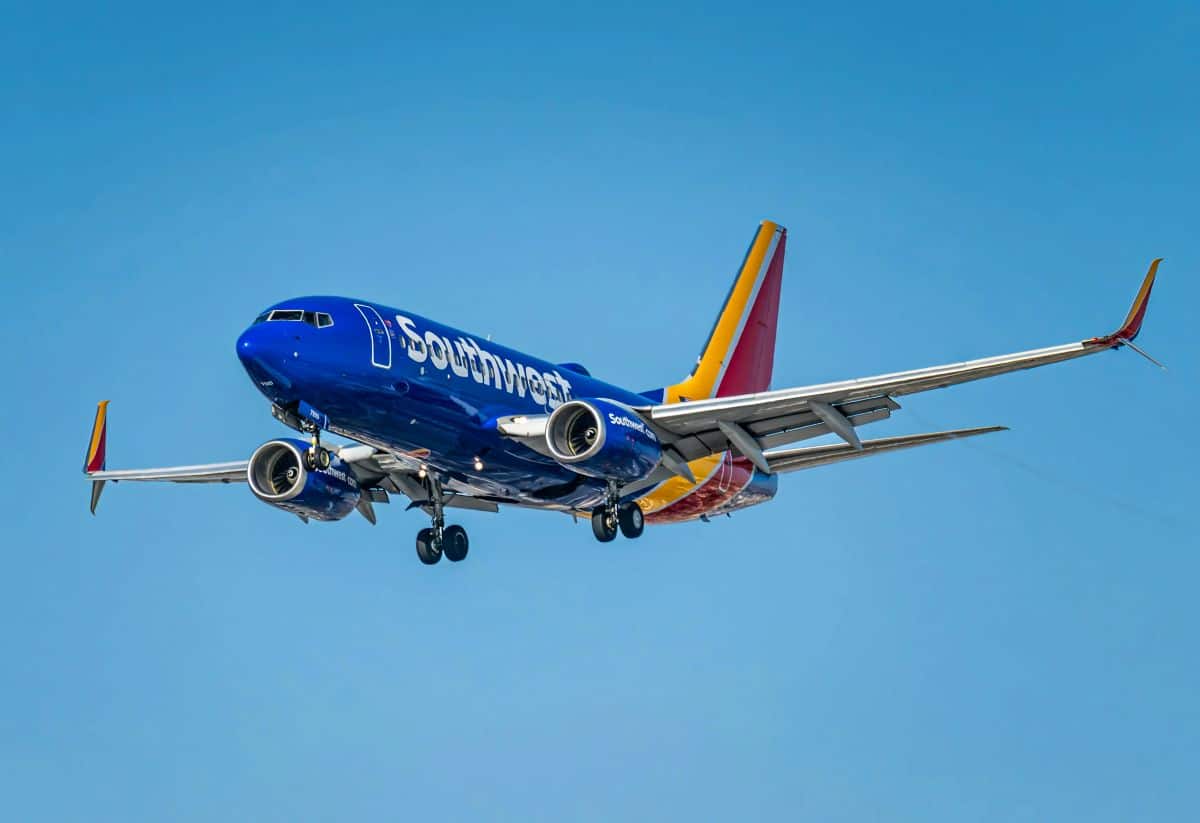
Image generated with Ai
Southwest Airlines Flight SWA2038, a Boeing 737 MAX 8 from Houston to Chicago, took an unexpected turn on August 1. The Southwest Airlines flight diverted to Minneapolis–Saint Paul International Airport, United States, instead of reaching Chicago as planned. Meanwhile, questions remain about why the diversion happened and what passengers experienced. The Boeing 737 MAX 8 operated the Houston-to-Chicago service before the diversion changed the journey. Importantly, the exact reason remains unconfirmed. Travel And Tour World urges readers to read the entire story for the latest details, verified facts, flight information and key answers surrounding Southwest Airlines Flight SWA2038 and its Minneapolis diversion.
What happened to Southwest Airlines Flight SWA2038?
Southwest Airlines Flight SWA2038 was scheduled to operate from Houston’s William P. Hobby Airport to Chicago Midway International Airport on August 1, 2026, using Boeing 737 MAX 8 aircraft registered as N8793Q. The flight was scheduled to leave Houston at 05:00 and arrive in Chicago at 07:25, but available flight information shows an actual departure at approximately 05:19 before the service was diverted to Minneapolis–Saint Paul International Airport.
Advertisement
Advertisement
The diversion meant the aircraft did not complete its planned Houston-to-Chicago journey as scheduled, creating an unexpected change for passengers travelling towards Chicago. Minneapolis–Saint Paul became the flight’s diversion airport, although publicly available information does not currently establish why the crew and airline selected MSP or precisely when the diversion decision was made.
Why was the Southwest Airlines flight diverted to Minneapolis?
The most important unanswered question concerns the reason behind the diversion, because no verified public statement currently establishes whether the decision resulted from weather, a technical concern, a medical situation, air-traffic restrictions, or another operational factor. It would therefore be inappropriate to present any one of these possibilities as the confirmed cause without supporting information from Southwest Airlines, the Federal Aviation Administration, the airport or another authoritative aviation source.
Advertisement
Advertisement
Diversions can occur for many reasons, and airlines generally prioritise safety and operational practicality when selecting an alternative airport. Minneapolis–Saint Paul International Airport is a major US aviation hub with substantial runway, passenger-handling and airline infrastructure, making it capable of accommodating a Boeing 737 MAX 8 and supporting an irregular operation when a flight cannot continue towards its scheduled destination.
Advertisement
Advertisement
Could weather have caused the diversion?

Image generated with Ai
Weather remains one possible explanation for an aviation diversion, particularly when a flight is approaching a busy airport such as Chicago Midway, where thunderstorms, reduced visibility, strong winds or other conditions can affect arrivals and departures. However, the available information for Southwest Airlines Flight SWA2038 does not provide enough evidence to conclude that weather caused this particular diversion, so such a claim should not be presented as fact.
Chicago’s aviation network can experience significant disruption when severe weather develops, and aircraft may be rerouted, delayed, held or diverted when conditions affect safe operations. Nevertheless, the presence of weather somewhere along the route does not automatically prove that it affected SWA2038, meaning a definitive explanation requires a source specifically connecting the flight’s diversion with the weather conditions.
Was there a technical problem on the Boeing 737 MAX 8?
There is currently no reliable public evidence establishing that a mechanical or technical problem involving the Boeing 737 MAX 8 caused Flight SWA2038 to divert. The aircraft, identified as N8793Q in the supplied flight information, was operating a scheduled Southwest Airlines service, but the diversion alone cannot demonstrate that the aircraft experienced a malfunction.
Aircraft diversions are sometimes associated with technical issues, but they can also result from entirely unrelated operational circumstances, including passenger medical emergencies, airport restrictions or changing weather. Consequently, describing SWA2038 as a technical emergency without official confirmation would risk misleading passengers and readers, particularly when the available flight information confirms the diversion but does not provide a verified explanation.
What does the diversion mean for passengers?
For passengers booked on Southwest Airlines Flight SWA2038, the diversion changed the planned arrival point from Chicago Midway to Minneapolis–Saint Paul, potentially requiring additional arrangements before they could reach their intended destination. The practical consequences would have depended on Southwest Airlines’ response, including whether the aircraft later continued to Chicago, passengers were transferred to another service, or alternative arrangements were provided.
Advertisement
Advertisement
The exact post-diversion arrangements for SWA2038 passengers are not sufficiently documented in the available information to state what happened to every traveller. Passengers affected by an irregular operation should rely on Southwest’s official flight-status information and direct airline communications for confirmed updates, rather than relying on speculation or unverified social-media reports about the incident.
What is known about the flight’s timing?
The supplied flight information indicates that Southwest Airlines Flight SWA2038 had a scheduled departure from Houston at 05:00, while its actual departure occurred at approximately 05:19, representing a delay of around 19 minutes before the aircraft began its journey. Its scheduled arrival in Chicago was listed as 07:25, although the diversion meant that this planned arrival could not be treated as a normal completed Houston-to-Chicago operation.
The relatively short departure delay does not, by itself, indicate that the aircraft had developed a problem before take-off, because ordinary airline operations can produce delays for numerous reasons. More importantly, the timing cannot establish what happened during the flight, and further operational details would be needed to reconstruct the sequence leading to the diversion accurately.
What is the confirmed reason for the SWA2038 diversion?
At present, the confirmed reason for the Southwest Airlines Flight SWA2038 diversion remains unclear based on the publicly available information reviewed for this report. The strongest verified conclusion is that the Boeing 737 MAX 8 operating from Houston to Chicago on August 1, 2026, diverted to Minneapolis–Saint Paul International Airport instead of completing its planned arrival at Chicago Midway.
That distinction matters because aviation reporting should separate confirmed facts from possible explanations, especially when an incident involves passenger safety and aircraft operations. Until Southwest Airlines, the FAA, Minneapolis–Saint Paul International Airport or another authoritative source identifies the cause, reports should avoid stating that weather, mechanical trouble, a medical emergency or any other specific event triggered the diversion.
Advertisement
Advertisement
What should passengers and travellers know now?
The key takeaway is straightforward: Southwest Airlines Flight SWA2038 was diverted from Houston to Chicago Midway to Minneapolis–Saint Paul International Airport on August 1, 2026, while operating with a Boeing 737 MAX 8, but the specific reason for the diversion has not been independently confirmed. This makes the diversion itself the central verified development, rather than any unproven explanation for why it occurred.
For travellers, the incident also highlights why flight-status information can change rapidly during an operating day, particularly when an aircraft cannot continue towards its planned destination. Until an official explanation emerges, the most responsible account is to report the diversion, identify the scheduled route and aircraft, explain the change in destination, and clearly acknowledge that the underlying cause remains unconfirmed.
Advertisement
