
Culinary Tourism on the Rise: Discover the World Through Taste and Tradition

Published
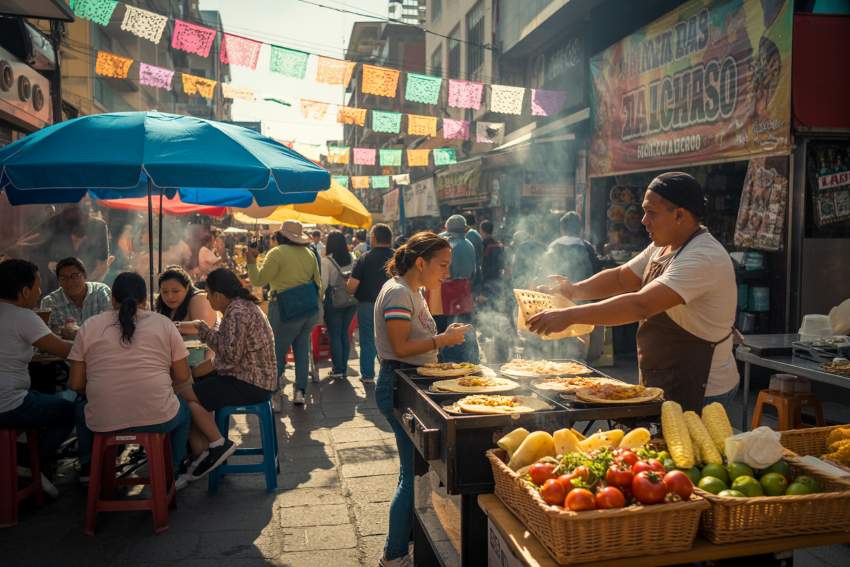 Image generated with Ai
Gone are the days when the typical travel question was simply, “Where would you like to go?” The modern traveller is more likely to ask, “What would you like to eat?” Culinary tourism has changed the way people travel the world, with food becoming the focal point of many itineraries. As global interest in food experiences grows, travellers are looking for destinations where they can sample local cuisine, take cooking classes, and visit bustling markets.
This transition from sightseeing to food-centric experiences heralds a new era of tourism in which the journey is guided by taste, tradition, and culture. Culinary tourism does more than just satisfy hunger; it also fosters deep connections between travellers and local cultures. Food allows people to gain a deeper understanding of a region’s history, traditions, and community life in ways that visiting a museum or monument cannot.
Why Culinary Tourism Is Booming
Culinary tourism is about more than just the food. It is about cultural immersion, creating lasting memories, and connecting with locals. Food offers an immediate, sensory gateway to understanding a place’s essence. Sharing a meal with locals, participating in a cooking class, or simply strolling through a vibrant market allows travelers to interact with people in ways that go beyond language.
Additionally, the rise of social media platforms like Instagram and TikTok has propelled culinary tourism into the mainstream. A single post showcasing a unique dish or an exotic restaurant can go viral overnight, creating a ripple effect. Travelers are now actively seeking out photogenic meals and hidden culinary gems that might have once remained undiscovered.
Advertisement
Advertisement
For example, travelers may dream of rolling sushi in Tokyo or kneading dough for fresh pasta in Tuscany. These hands-on experiences transform tourists into participants, empowering them to take home not just memories but skills and stories.
Where Food Lovers Are Going
Certain destinations have emerged as hotspots for culinary tourism, attracting food lovers from across the globe. Mexico City has become a beloved destination for its vibrant street food scene, offering a plethora of experiences for adventurous eaters. From tacos al pastor to tamales and mole sauces, Mexico City is a paradise for those eager to explore the diverse and flavourful world of Mexican cuisine.
Advertisement
Advertisement
Japan, with its deeply ingrained food culture, continues to be a top choice for travelers seeking authentic culinary experiences. The country’s food culture spans from the casual ramen shops of Tokyo to the elegant, multi-course kaiseki meals in Kyoto. Travelers can design their entire itineraries around specific dishes or regions, ensuring that every meal is an unforgettable experience.
Italy, a perennial favorite for food tourism, remains an undeniable draw for those seeking authentic cooking experiences. Whether it’s taking a pasta-making class in Tuscany, exploring local markets in Rome, or savouring gelato by the Trevi Fountain, Italy offers a feast for the senses at every turn. The country’s commitment to fresh, high-quality ingredients and time-honoured recipes keeps visitors returning year after year.
Meanwhile, Southeast Asia offers something for the more adventurous foodies. From the bustling night markets in Thailand to the cooking schools in Vietnam and the street food tours in Malaysia, the region offers a kaleidoscope of flavours and experiences that captivate travelers.
Planning a Culinary-Centered Trip
Planning a culinary-focused trip requires a unique approach. Unlike traditional travel planning, where tourists focus on monuments and museums, culinary tourism involves building an itinerary around local flavors, dishes, and food-related experiences. To create the perfect food-centered trip, travelers should start by identifying the dishes they most want to taste and then research the best places to experience them authentically.
Cooking classes and food tours can fill up quickly, especially during peak travel seasons. It’s essential to book these experiences well in advance to secure spots in popular venues. Equally important are visits to local markets, which often serve as the heart of a city’s culinary culture. These vibrant marketplaces provide opportunities to taste fresh ingredients, learn about local food traditions, and discover hidden culinary treasures.
However, spontaneous discoveries are also an important part of the culinary travel experience. Many of the most memorable meals occur when travelers follow their noses down unfamiliar streets or accept recommendations from locals about their favorite neighborhood spots. To get the most out of a culinary journey, travelers should leave room for these delightful, unexpected encounters.
Advertisement
Advertisement
Before travelling, it’s a good idea to research local food specialities. This preparation ensures travelers are ready to explore the best offerings of each destination. Additionally, it’s worth checking whether any seasonal food festivals or pop-up food events are taking place during the visit. These events provide even more opportunities to dive deep into a destination’s culinary culture.
The Role of Social Media in Culinary Tourism
Social media platforms, particularly Instagram and TikTok, have had a profound impact on culinary tourism. These platforms not only help travelers discover new destinations but also allow them to share their culinary experiences with a global audience. A single food-related post can trigger a surge in interest, turning previously overlooked eateries and dishes into hot spots for future travelers.
Food-focused content, from vibrant photos of street food to videos of chefs preparing unique dishes, generates excitement and curiosity about lesser-known food destinations. Travelers are now more inspired than ever to seek out these spots, as they want to experience the same flavours and meals seen online.
The trend of viral food content on social media has created a feedback loop. As more travelers share their food experiences, the demand for those same experiences increases. This cycle has driven the popularity of destinations and restaurants that might have otherwise remained hidden gems.
How to Turn Food Travel Inspiration into Reality
Turning culinary travel inspiration into reality has never been easier, thanks to a range of apps and platforms that connect travelers with local food experiences. Apps like Eatwith, Airbnb Experiences, and Viator allow travelers to book cooking classes, food tours, and even private dinner parties hosted by local chefs.
When booking food experiences, it’s essential to read reviews carefully and choose hosts who are actually locals. Small group or private tours tend to offer more intimate, authentic experiences compared to larger group excursions. Platforms like TripAdvisor are invaluable for finding top-rated eateries, while Instagram and Pinterest provide endless inspiration for culinary itineraries.
Advertisement
Advertisement
It’s important to confirm what is included in a booked experience, such as meals, recipes, or market visits. To ensure the best selection, it’s advisable to book early, especially for popular cooking classes and food tours.
Let Food Guide Your Next Adventure
Culinary tourism provides an exciting, sensory-driven way to discover the world. Focusing on food allows travellers to immerse themselves in a place’s traditions, culture, and history in ways that go beyond the typical sightseeing experience. Whether it’s a cooking class in Tuscany, a street food tour in Mexico City, or a ramen adventure in Japan, culinary tourism provides opportunities for unique and unforgettable experiences.
As travellers seek deeper connections with the places they visit, food is becoming the ultimate guide. The next time you plan a trip, consider how your taste buds may guide you. From local markets to renowned cooking schools, allow the world’s flavours to inspire your next journey.
Advertisement
