
Cultural Immersion Reaches New Heights: Japan, Malaysia, Thailand And More Countries Unlock Exclusive Local Living Adventures!

Published
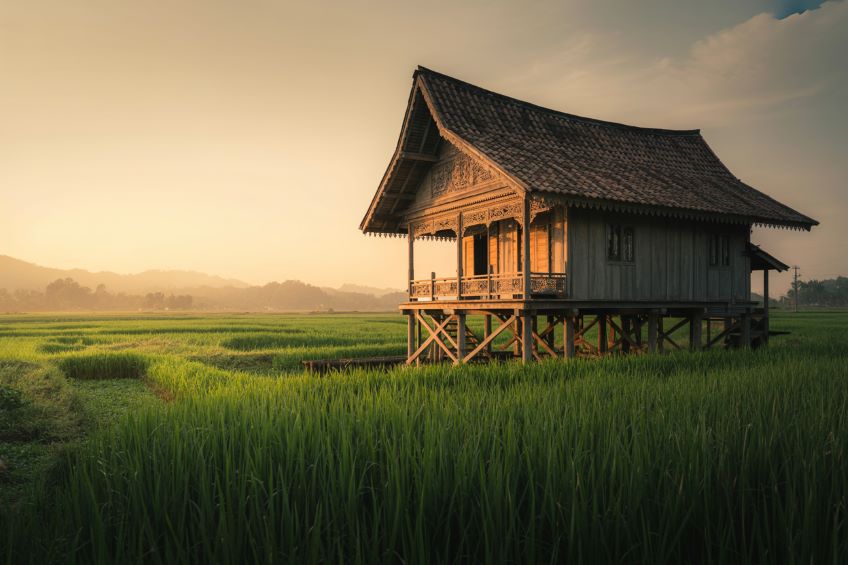 Image generated with Ai
In recent years, an increasing number of travelers have sought cultural immersion and authentic experiences during their trips. Recognizing the growing interest in this type of tourism, countries like Japan, Malaysia, Thailand, Philippines, Cambodia, Indonesia, and India have embraced local living experiences to showcase their unique cultures and traditions. These experiences allow travelers to engage deeply with local communities, support sustainable tourism, and gain invaluable insights into the everyday lives of the people who live there.
What Is Local Living Experience Travel?
Local living experience travel is a form of tourism that allows visitors to stay in rural or culturally significant areas, where they can live alongside locals, participate in everyday activities, and immerse themselves in the traditions, customs, and food of the region. Unlike traditional tourism, which often involves visiting landmarks and attractions, local living experiences focus on fostering a deeper connection with the local community. This type of travel allows tourists to experience life through the eyes of those who call the destination home, contributing to more meaningful, sustainable travel experiences.
Where Can You Experience Local Living in These Countries?
India:
 Image generated with Ai
India is a country rich in culture and traditions, and the Ministry of Tourism has been promoting rural tourism to provide visitors with a chance to experience the authentic, rural life of the country. The Swadesh Darshan scheme focuses on showcasing rural tourism destinations that offer immersive experiences such as staying in villages, participating in farming activities, and learning about local crafts. Regions like Kerala, Rajasthan, and Uttarakhand offer homestays, where visitors can engage with local communities, experience traditional cooking, and understand indigenous agricultural practices.
Japan:
 Image generated with Ai
Japan’s Japan National Tourism Organization (JNTO) offers a wide variety of cultural experiences that promote local living. Travelers can visit farming villages, stay in rural guesthouses, and participate in traditional activities such as tea ceremonies, rice planting, or pottery making. The local homestay program in Japan provides visitors with an authentic opportunity to engage with families, learning about the day-to-day life of rural Japanese communities. Moreover, rural areas like Gifu, Kyoto, and Hokkaido are famous for their preserved cultural practices, making them excellent places for local living experiences.
Advertisement
Advertisement
Thailand:
 Image generated with Ai
Thailand’s Tourism Authority of Thailand (TAT) is a strong proponent of community-based tourism. The country’s focus on local experiences enables travelers to stay in traditional villages, where they can learn about agricultural practices, local handicrafts, and cultural rituals. Visitors can join cooking classes to learn how to prepare authentic Thai dishes or take part in local festivals. Thailand’s northern regions, including Chiang Mai and Chiang Rai, offer immersive village stays where visitors can explore the culture and way of life through direct interaction with indigenous communities.
Malaysia:
 Image generated with Ai
Malaysia’s Homestay Programme, promoted by Tourism Malaysia, offers travelers the chance to live with local families in rural settings, such as in Perak, Pahang, and Kedah. Visitors can experience traditional Malaysian cuisine, participate in local festivals, and witness daily life in rural Malaysia. The program fosters cultural exchange, supports local businesses, and encourages sustainable tourism practices. This program also highlights Malaysia’s rich diversity, as visitors can experience the cultural practices of various ethnic communities, including the Malays, Chinese, and Indigenous peoples.
Advertisement
Advertisement
The Philippines:
 Image generated with Ai
The Philippines Department of Tourism encourages eco-tourism and community-based tourism to showcase the country’s natural beauty and diverse cultures. Areas like Palawan, Cebu, and Bohol offer local living experiences where visitors can engage with communities that rely on traditional fishing, agriculture, and craft-making. Visitors can stay in local homes and experience authentic Filipino cuisine, local fishing techniques, and other sustainable practices. These experiences allow visitors to contribute to the local economy while preserving cultural heritage.
Cambodia:
 Image generated with Ai
The Ministry of Tourism Cambodia is promoting sustainable and community-based tourism as a way to preserve the country’s cultural heritage while benefiting local communities. Visitors can stay in rural areas, such as the Kampot and Kep regions, where they can interact with local families, explore traditional farming practices, and participate in artisan workshops. In addition to staying with families, travelers can also enjoy exploring historical sites like Angkor Wat while supporting local businesses through eco-tourism initiatives.
Indonesia:
 Image generated with Ai
The Ministry of Tourism and Creative Economy of Indonesia promotes local living experiences through village stays and cultural immersion activities. Visitors can live with local communities in regions like Bali, Yogyakarta, and Sumatra, where they can learn traditional crafts, enjoy local food, and experience daily routines. Indonesia’s community-based tourism is designed to foster connections between visitors and locals, supporting sustainable travel and giving back to the communities visited. The cultural diversity of Indonesia makes it an ideal destination for those seeking an authentic local experience.
Why Should You Choose Local Living Experiences?
Choosing a local living experience offers several benefits:
Authentic cultural engagement: Travelers get the opportunity to immerse themselves in the daily life of the community, moving beyond typical tourist experiences.
Support for local economies: Local living experiences often involve staying with families or supporting small businesses, ensuring that your travel dollars directly benefit the community.
Advertisement
Advertisement
Sustainability: This type of tourism promotes environmentally responsible travel practices and helps protect cultural heritage.
Personal connections: Visitors build meaningful relationships with locals, enriching their travel experience.
When Is the Best Time to Travel for Local Living Experiences?
The best time to engage in local living experiences depends on the country and region. It is essential to research each destination’s climate, cultural festivals, and local events to maximize the experience. For example, visiting Thailand during the Songkran festival or India during Diwali offers unique cultural experiences that are deeply rooted in tradition.
How to Plan Your Local Living Experience Trip?
To plan your local living experience:
Research countries that offer authentic local stays and cultural immersion.
Choose programs that are certified by local tourism boards.
Advertisement
Advertisement
Book stays with families or local operators that emphasize sustainable and respectful tourism.
Participate in workshops, cooking classes, and local tours to fully immerse yourself in the culture.
Embrace Authenticity Through Local Living Experiences
Traveling to India, Japan, Thailand, Malaysia, Philippines, Cambodia, and Indonesia for local living experiences allows travelers to connect with authentic cultures while supporting local economies. These experiences foster sustainability, enrich personal travel stories, and contribute to preserving global cultural heritage. By opting for local living, travelers can transform their journey into a deeper, more meaningful exploration of the world’s diverse cultures.
Advertisement
