
Korça Teams Up With Pogradec and More as Hidden Travel Gems of Albania Taking Centre Stage for Ultimate Cultural Adventures

Published
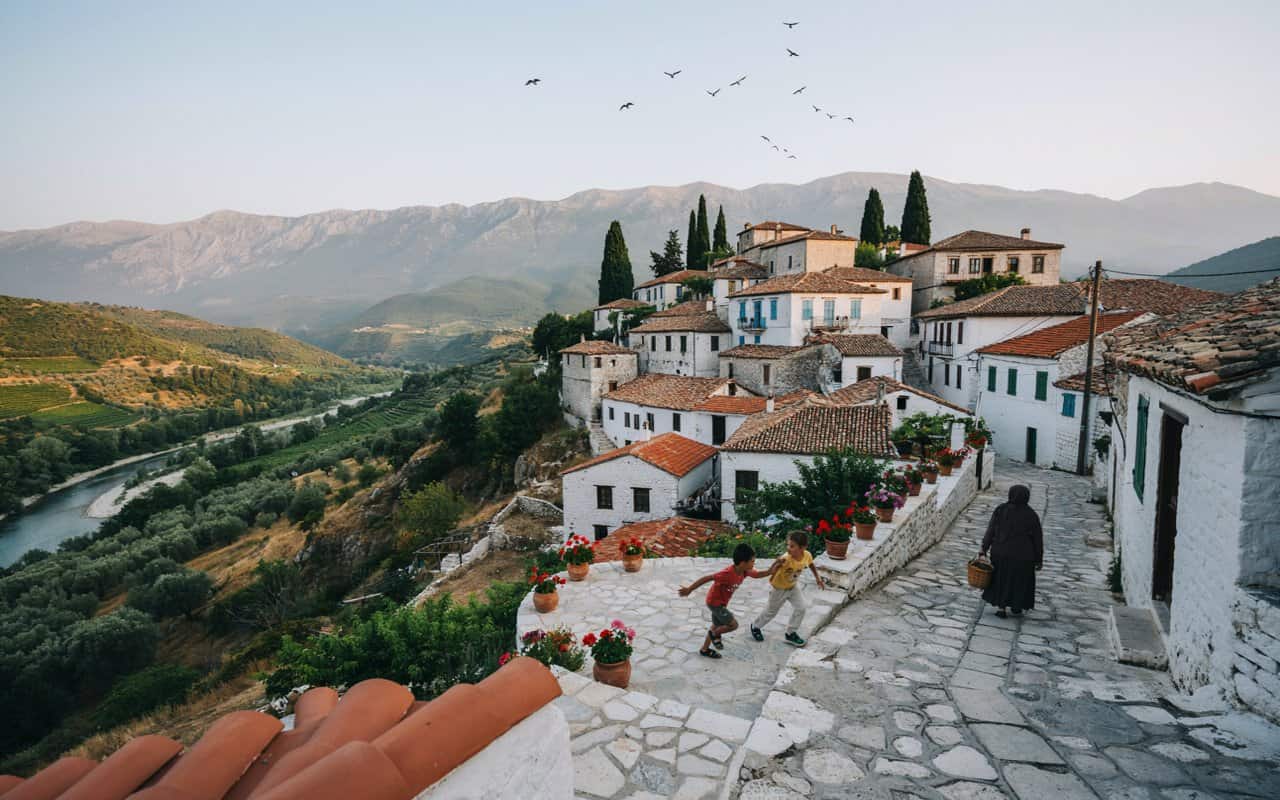
Korça Teams Up With Pogradec and more as Albania’s hidden travel gems take centre stage for ultimate cultural adventures. Today, Korça and Pogradec invite global travellers to discover another side of Albania. These hidden travel gems combine heritage, local flavours, mountain scenery and authentic cultural adventures. Moreover, Korça teams up with Pogradec and more destinations to create memorable journeys beyond Albania’s familiar routes. From historic streets to peaceful lakeside landscapes, every destination offers something different. Therefore, Travel And Tour World urges readers to explore the entire story and discover why Albania’s hidden gems, Korça, Pogradec and more are taking centre stage.
Albania Tourism Income: Six Lesser-Known Destinations to Explore Beyond the Main Tourist Trail
Albania’s tourism story is no longer limited to its famous Riviera resorts. The latest financial figures show that international travel is becoming an increasingly important part of the country’s tourism economy.
According to the Bank of Albania figures reported by SeeNews, Albania recorded approximately €2.4 billion in net tourism income during the first half of 2026, compared with about €2.1 billion in the first half of 2025. The second quarter alone generated roughly €1.4 billion in tourism revenue, compared with around €1.2 billion a year earlier.
The visitor figures provide another important dimension. Around 5 million foreign visitors entered Albania during January-June 2026, compared with approximately 4.8 million in the same period of 2025.
Advertisement
Advertisement
For travellers, however, the most interesting question is where these visitors can go beyond the country’s better-known coastal centres.
Albania’s official tourism platform highlights a wide network of mountain towns, lake destinations, historic settlements, rural communities and nature areas. This creates opportunities for travellers who want to move beyond the busiest holiday corridors.
Advertisement
Advertisement
Albania Tourism Statistics: The Five-Year National Picture
The strongest official comparison available is the national series for foreign-citizen arrivals.
INSTAT recorded approximately 5.7 million foreign-citizen arrivals in 2021. That figure climbed to 7,543,817 in 2022, representing a 32.6% increase over 2021.
The recovery accelerated in 2023, when foreign-citizen arrivals reached 10,155,640, a further 34.6% increase compared with 2022.
In 2024, the number reached 11,696,111, representing annual growth of 15.2%.
The 2025 figure increased again to 12,466,038, up 6.6% from 2024. These are border-entry statistics rather than unique-person counts.
Five-Year Foreign Arrival Comparison
| Year | Foreign-citizen arrivals | Annual change | Travel context |
|---|---|---|---|
| 2021 | Approx. 5.7 million | Recovery year | Strong rebound from the pandemic period |
| 2022 | 7,543,817 | +32.6% | International mobility strengthened |
| 2023 | 10,155,640 | +34.6% | Arrivals crossed the 10-million mark |
| 2024 | 11,696,111 | +15.2% | Tourism activity continued expanding |
| 2025 | 12,466,038 | +6.6% | Another annual increase |
| H1 2026 | Approx. 5 million | Compared with H1 2025 | Tourism income reached about €2.4 billion |
Sources: INSTAT and Bank of Albania figures reported by SeeNews.
Advertisement
Advertisement
The five-year pattern is particularly important for travellers because Albania’s tourism infrastructure has expanded alongside visitor demand.
INSTAT’s regional statistical yearbook records approximately 23 million foreign-citizen arrivals between 2021 and 2023. During the same period, the average number of accommodation establishments operating nationally was approximately 1,618. The number of establishments in 2023 was 24.7% higher than in 2021.
Albania Tourism Infrastructure Expands Beyond the Coast
The growth has not been restricted to Albania’s traditional beach regions.
INSTAT recorded 1,618 accommodation establishments on average between 2021 and 2023. The national supply reached about 58,000 rooms and 130,000 bed places in 2023.
The regional distribution is also useful for travellers planning quieter journeys.
The North had approximately 15,410 rooms and 35,251 bed places in 2023. The Centre had 22,121 rooms and 48,184 bed places. The South had 20,247 rooms and 46,263 bed places.
Advertisement
Advertisement
Accommodation Establishments by Relevant Prefecture
| Prefecture | 2021 establishments | 2022 establishments | 2023 establishments | 2021–23 change |
|---|---|---|---|---|
| Korçë | 120 | 135 | 135 | +12.5% |
| Lezhë | 75 | 80 | 90 | +20.0% |
| Kukës | 30 | 30 | 30 | 0% |
| Shkodër | 150 | 150 | 175 | +16.7% |
| Gjirokastër | 60 | 65 | 75 | +25.0% |
| Dibër | 25 | 30 | 35 | +40.0% |
These figures are prefecture-level accommodation establishments, not visitor totals for individual cities. For destinations such as Pogradec, Përmet and Puka, they provide useful regional context rather than city-specific visitor counts.
Dibër recorded the highest percentage increase among Albania’s prefectures between 2021 and 2023, at 40% when comparing the establishment counts listed in the yearbook. INSTAT separately identifies Dibër as the prefecture with the strongest increase over the period.
Six Lesser-Known Albanian Destinations for Global Travellers
1. Përmet: Thermal Waters, Vjosa Landscapes and Slow Travel
Përmet offers a very different Albanian holiday from a conventional seaside itinerary. The official tourism authority places the city in the Vjosa River valley, surrounded by the Dangëlli and Trebeshinë mountain ranges. Its tourism profile centres on nature, thermal experiences, culture, gastronomy and outdoor activities.
The strongest reason to include Përmet is the combination of the Bënja Thermal Springs, Lengarica Canyon, Kadiu Bridge and Vjosa River. The official tourism itinerary recommends Bënja and the canyon as major stops. The Vjosa is also highlighted as one of Europe’s important wild river systems.
Travellers can spend their first day exploring Përmet’s centre and the City Stone before moving towards the thermal springs. A second day can focus on Lengarica Canyon, Kadiu Bridge and nearby villages. Outdoor travellers can extend the stay for hiking and river-based experiences.
Food is part of the destination’s identity. The official tourism authority highlights Përmet gliko, a traditional sweet preserve, together with reshedi, a regional dessert, and drudhe, a local chicken preparation. These can be paired with regional farm products and traditional hospitality.
Advertisement
Advertisement
Accommodation is best approached through small hotels, guesthouses and traditional accommodation in and around the town. The official tourism website lists a traditional guesthouse and agritourism options, including Sali Farm.
For a longer journey, Përmet works particularly well with Pogradec, Korça and Gjirokastër. Albania’s official tourism authority already promotes a three-day route connecting Tirana, Lin, Pogradec, Korça, Leskovik, Përmet and Gjirokastër.
The relevant accommodation proxy is the Gjirokastër prefecture, where establishments increased from 60 in 2021 to 75 in 2023. This does not represent Përmet’s own accommodation count but demonstrates expanding supply within its prefectural tourism area.
2. Pogradec: Lake Ohrid, Lin and a Slower Lakeside Escape
Pogradec offers an alternative to Albania’s coastal tourism model. The town sits beside Lake Ohrid in southeastern Albania, with the lake region forming part of the UNESCO World Heritage property. Albania’s official tourism authority presents Pogradec as a destination combining lake activities, heritage, nature and gastronomy.
Travellers can begin with the lakeside promenade before exploring the Pogradec Castle. The official tourism authority says the settlement above the town dates back to antiquity, with defensive structures developed in the 4th century BC. The castle stands approximately 700 metres from the city centre and around 200 metres above it.
A second day can focus on Drilon and Tushemisht. Drilon is associated with karst springs, waterways, walking paths and wooden bridges. Tushemisht adds village architecture, traditional food and access to the lake.
Advertisement
Advertisement
Lin offers another important stop. Albania’s official tourism itinerary places the village on the western side of Lake Ohrid and highlights archaeological remains, including the foundations and mosaics of a Paleo-Byzantine church.
The local culinary experience is closely connected with the lake. The tourism authority specifically highlights tavë me koran, prepared with the endemic Ohrid trout known locally as koran. Apples from the Tushemisht area also form part of the destination’s local identity.
Travellers can choose hotels, guesthouses and other accommodation around Pogradec and Tushemisht. For a quieter stay, accommodation outside the central waterfront can provide easier access to rural areas.
Pogradec belongs to Korçë prefecture for statistical purposes. The prefecture recorded 120 accommodation establishments in 2021 and 135 in both 2022 and 2023. This is regional supply data and should not be interpreted as Pogradec’s individual accommodation count.
A three-day route can combine Lin and Pogradec on day one, Korça on day two and the wider mountain or village areas on day three.
3. Puka: Forests, Mountain Air and Northern Albania
Puka provides a mountain-focused alternative for travellers who want to experience northern Albania without concentrating on the country’s most internationally marketed destinations.
Advertisement
Advertisement
The official tourism authority describes Puka as a city with more than 2,000 years of history and a largely mountainous setting between the Albanian Alps and the Dukagjin area. The destination is associated with forests, alpine meadows, lakes, springs and rural tourism.
The town’s nearby attractions include Lake Puka, Maja e Murgës, Mount Munella, Kryeziu Waterfall, the Migjeni Museum and several caves. The official tourism platform also identifies Dardhë as a mountain village within Puka Municipality.
A two-night stay is suitable for a first visit. The first day can focus on the town, lake and cultural sites. The second can be dedicated to hiking, photography and rural experiences around the mountain landscape.
Puka’s food culture is linked closely with local agriculture. The official tourism platform highlights organic products, honey and mountain teas. Travellers should therefore look for locally produced food rather than treating Puka merely as an overnight stop.
Guesthouses and rural accommodation are particularly relevant for the destination’s travel character. Albania’s tourism authority describes local guesthouses and agrotourism as part of Puka’s emerging tourism offer.
For travellers arriving through Shkodra, Puka can become a northern extension before continuing towards other mountain areas. The official tourism authority also offers a dedicated two-day itinerary covering Puka and Fushë-Arrëz, focused on alpine nature, hiking, outdoor activities and traditional villages.
Advertisement
Advertisement
Puka falls within Shkodër prefecture. The prefecture’s accommodation establishments increased from 150 in 2021 and 2022 to 175 in 2023. Again, this is prefecture-wide supply and does not represent Puka alone.
For travellers interested in slower tourism, Puka can be combined with Shkodra, Lake Shkodra and northern mountain communities.
4. Korça: Museums, Mountain Villages and Culinary Traditions
Korça is less associated internationally with beach tourism, but its cultural and mountain profile gives travellers another way to experience Albania.
The official tourism authority describes Korça as a southeastern Albanian city surrounded by mountains, forests and water resources. Its attractions include the Old Bazaar, National Museum of Education, National Museum of Medieval Art, Gjon Mili Museum and other cultural institutions.
The Old Bazaar provides a practical starting point. Its historic buildings now contain artisan shops, cafés and restaurants. The official tourism authority identifies it as one of the city’s principal areas for experiencing local architecture and daily life.
The wider region is equally important. Visitors can travel to Voskopoja, Dardha, Vithkuqi and Boboshtica. Prespa Lakes and Drenova also provide opportunities for nature-focused excursions.
Advertisement
Advertisement
Food should occupy a central place in the itinerary. The official tourism platform highlights lakrori cooked in a saç, while Korça’s taverns also form part of the city’s traditional culinary scene. The city is additionally known for its serenade tradition and beer festival.
A three-day trip can begin with the Old Bazaar and museums. Day two can move towards Dardha or Voskopoja. Day three can combine another village with a longer nature excursion.
Korça has a stronger accommodation base than several northern mountain destinations. INSTAT recorded 120 accommodation establishments in 2021 and 135 in both 2022 and 2023 across Korçë prefecture.
The statistical data also reveal another tourism signal. In 2022, Korçë prefecture accounted for approximately 29.4% of Albania’s national hotel-related building permits, the highest share among prefectures that year.
For travellers, this means Korça can function as a comfortable base for exploring southeastern Albania while maintaining access to villages, lakes, museums and mountain landscapes.
5. Lezhë: History, Adriatic Nature and Northern Food
Lezhë combines history with access to the Adriatic coast and northern Albania’s natural landscapes. The official tourism authority describes the city as a northwestern destination near the Adriatic and the Drin River.
Advertisement
Advertisement
The city’s most important historical attractions include Lezha Castle and the Skanderbeg Memorial. The castle stands on a hill approximately 186 metres high and provides broad views across the city and surrounding landscape.
Travellers interested in cultural heritage can continue into nearby villages and religious sites. The official tourism platform highlights the Father Gjergj Fishta House Museum, Ethnographic Museum and churches around Kallmet and Balldre.
Lezhë also works well for nature travellers. The municipality provides access towards Adriatic beaches and surrounding rural landscapes. Walking, photography and outdoor activities can therefore be combined with historical sightseeing.
Food is one of the destination’s strongest travel connections. The official tourism authority identifies northern Albanian dairy products, cheese, butter and livestock products as part of the local gastronomic offer. It also highlights artisanal raki production in the Fishtë and Kallmet areas.
A practical three-day plan could begin with Lezha Castle and the Skanderbeg Memorial. Day two can focus on Kallmet, Fishtë and nearby heritage attractions. Day three can combine coastal relaxation with rural food experiences.
Lezhë prefecture had 75 accommodation establishments in 2021, 80 in 2022 and 90 in 2023. This represents a 20% increase in the number of establishments between 2021 and 2023.
Advertisement
Advertisement
The figures cover the entire prefecture, rather than Lezhë city alone. However, they provide useful context for travellers planning accommodation in the wider region.
Lezhë can also serve as a connecting point between central Albania and northern destinations. Its combination of history, food, coast and countryside allows travellers to construct a varied itinerary without remaining in a single tourism zone.
6. Kukës: Lake Fierza, Gjallica and Northeast Albania
Kukës offers a very different landscape from Albania’s Mediterranean-facing destinations. The city lies in northeastern Albania near Kosovo, at the foot of Mount Gjallica and beside Lake Fierza.
The official tourism authority identifies Lake Fierza as the city’s principal natural attraction. The surrounding landscape includes mountains, forests, rivers and traditional villages.
The destination is suited to travellers who prefer landscapes, outdoor activities and regional culture. A first day can focus on the city and Lake Fierza. A second day can explore nearby villages and mountain scenery.
The official tourism authority also identifies northeastern Albania as an area where travellers can experience traditional food and local products. This makes rural dining and village-based experiences relevant to a Kukës itinerary.
Advertisement
Advertisement
Travellers interested in mountain tourism can extend their route towards nearby villages such as Shishtavec. Albania’s tourism platform lists Shishtavec among its recognised tourist villages and describes it as a mountain settlement within Kukës Municipality.
Accommodation is more limited than in Albania’s principal urban and coastal destinations. INSTAT recorded 30 accommodation establishments in Kukës prefecture in each of 2021, 2022 and 2023.
That relatively stable supply makes advance planning particularly useful during busy travel periods.
A three-day itinerary can begin in Kukës, continue around Lake Fierza and then move towards Shishtavec or other mountain communities. Travellers can then connect the area with Kosovo or continue deeper into northeastern Albania.
Kukës is particularly useful for a road-trip itinerary because its attractions are spread across a broad mountain landscape. Instead of treating it as a single-city visit, travellers can use the city as a gateway to northeastern Albania.
Five-Year Visitor Data: What the Numbers Actually Show
A crucial distinction is necessary when comparing Albania’s tourism figures.
Advertisement
Advertisement
INSTAT’s foreign-citizen arrival statistics measure entries into the country. They are not equivalent to the number of unique leisure tourists. The same individual can enter Albania multiple times and therefore be counted multiple times.
Accommodation statistics use a different measure. An arrival at an accommodation establishment means a person staying at least one night. INSTAT separately records nights spent by residents and non-residents.
Detailed National Tourism Comparison
| Indicator | 2021 | 2022 | 2023 | 2024 | 2025 |
|---|---|---|---|---|---|
| Foreign-citizen arrivals | Approx. 5.7m | 7,543,817 | 10,155,640 | 11,696,111 | 12,466,038 |
| Annual change | — | +32.6% | +34.6% | +15.2% | +6.6% |
| Foreign arrivals from Europe | — | 91.8% share | — | 11.15m | 11.89m |
| Personal-purpose arrivals | — | 98.6% | — | 11.48m | — |
| Holiday/relative/other personal arrivals | — | 44.8% holiday share | — | 11.08m total holidays/visits/etc. | — |
| Business/professional arrivals | — | 1.4% | — | 211,866 | — |
| Accommodation establishments | — | 1,580 | — | — | — |
| Accommodation rooms | — | approx. 48,000 | approx. 58,000 | — | — |
| Accommodation bed places | — | approx. 109,000 | approx. 130,000 | — | — |
Sources: INSTAT Tourism in Figures and annual Movements of Citizens publications.
In 2022, approximately 6.74 million foreign visitors recorded nights spent, while around 439,070 were classified as daily visitors. INSTAT reported an average of roughly three nights for foreign visitors in accommodation establishments.
The same publication recorded approximately 1.58 million accommodation facilities, around 48,000 rooms and 109,000 beds nationally in 2022.
Where Albania’s International Visitors Come From
Albania’s tourism market remains heavily European.
Advertisement
Advertisement
In 2022, Europe represented 91.8% of foreign-citizen arrivals. Kosovo accounted for 42.6%, North Macedonia 9%, Italy 8.1%, Greece 6.4% and Montenegro 5.8%.
The 2025 figures provide a more recent regional picture.
Of the 12,466,038 foreign arrivals recorded in 2025, 11,888,574 came from Europe. That represented roughly 95% of the total. Southern Europe accounted for 8,919,296 arrivals. Western Europe contributed 1,183,377, while Central and Eastern Europe accounted for 867,229.
2025 Foreign Arrivals by Broad Region
| Region | 2024 arrivals | 2025 arrivals | Change |
|---|---|---|---|
| Europe | 11,146,979 | 11,888,574 | +6.7% |
| Southern Europe | 8,468,557 | 8,919,296 | +5.3% |
| Western Europe | 990,143 | 1,183,377 | +19.5% |
| Central/Eastern Europe | 850,679 | 867,229 | +1.9% |
| Northern Europe | 491,694 | 534,624 | +8.7% |
| East/Mediterranean Europe | 345,906 | 384,048 | +11.0% |
| America | 306,116 | 337,482 | +10.2% |
| East Asia & Pacific | 95,991 | 104,428 | +8.8% |
| Africa | 31,466 | 44,736 | +42.2% |
| South Asia | 29,845 | 44,837 | +50.2% |
| Middle East | 30,156 | 34,810 | +15.4% |
| Total foreign arrivals | 11,696,111 | 12,466,038 | +6.6% |
Source: INSTAT, General Directorate of State Police and INSTAT calculations.
These figures are useful for international travel businesses and destination planners because they show that Albania’s visitor base remains concentrated in Europe while long-haul markets are also represented.
Accommodation Capacity Across the Six Destination Regions
The six destinations covered here sit inside four different prefectures.
Advertisement
Advertisement
Pogradec and Korça are within Korçë prefecture. Përmet belongs to Gjirokastër prefecture. Puka belongs to Shkodër prefecture. Lezhë and Kukës are represented by their respective prefectures.
Accommodation Establishment Comparison
| Destination | Statistical prefecture | 2021 | 2022 | 2023 | Change 2021–23 |
|---|---|---|---|---|---|
| Pogradec | Korçë | 120 | 135 | 135 | +12.5% |
| Korça | Korçë | 120 | 135 | 135 | +12.5% |
| Përmet | Gjirokastër | 60 | 65 | 75 | +25.0% |
| Puka | Shkodër | 150 | 150 | 175 | +16.7% |
| Lezhë | Lezhë | 75 | 80 | 90 | +20.0% |
| Kukës | Kukës | 30 | 30 | 30 | 0% |
Important: these figures represent establishments across the full prefecture and are not city-level visitor counts. INSTAT’s public regional statistics do not provide a directly comparable five-year annual visitor-arrival series for each of these individual cities.
2026 Tourism Data Adds a New Dimension
The latest 2026 accommodation figures indicate that visitor activity continues beyond the core summer months.
INSTAT reported that accommodation establishments recorded a 12.4% increase in visitors in May 2026 compared with May 2025.
December 2025 also showed strong year-on-year activity. Total visitors in accommodation establishments increased by 27.2%, while non-resident visitors increased by 47.6%. Total nights spent increased by 26.2%.
These statistics matter for travellers considering spring, autumn and winter trips.
Advertisement
Advertisement
Albania’s tourism offer is therefore not limited to a summer beach holiday. Mountain towns, cultural centres, lake destinations and thermal areas create different reasons to travel during other seasons.
A Practical 12-Day Albania Itinerary for Travellers
A traveller wanting to experience these lesser-known destinations can build a route around regional connections rather than visiting each place as an isolated stop.
Days 1–2: Tirana to Pogradec
Begin in Tirana and travel towards Pogradec.
Spend the first afternoon around Lake Ohrid. Explore the lakeside area and old town.
On day two, visit Pogradec Castle, Drilon and Tushemisht. Continue towards Lin if time allows.
Days 3–4: Korça and Mountain Villages
Move towards Korça.
Advertisement
Advertisement
Explore the Old Bazaar, National Museum of Education and cultural museums.
Use the second day for Dardha, Voskopoja or another nearby mountain destination.
Days 5–6: Përmet
Travel south towards Përmet.
Explore the town and City Stone on arrival.
The following day should focus on Bënja Thermal Springs, Lengarica Canyon and Kadiu Bridge.
Days 7–8: Lezhë
Move north towards Lezhë.
Advertisement
Advertisement
Explore Lezha Castle and the Skanderbeg Memorial.
The second day can combine Kallmet, Fishtë, rural food experiences and nearby Adriatic landscapes.
Days 9–10: Puka
Continue towards Puka.
Use the first day for Lake Puka and the town.
Reserve the second day for mountain walks, rural communities and attractions around Maja e Murgës or Kryeziu.
Days 11–12: Kukës
Continue east towards Kukës.
Advertisement
Advertisement
Explore Lake Fierza and the surrounding mountain scenery.
Use the final day for a wider northeastern excursion, including Shishtavec where conditions and transport arrangements permit.
What Travellers Should Pack for These Destinations
A multi-region Albania itinerary requires more flexibility than a single-resort holiday.
Travellers visiting Puka, Kukës and mountain areas should carry suitable walking shoes and weather-resistant clothing.
Those visiting Përmet should pack swimwear for thermal-water experiences and comfortable shoes for canyon and outdoor excursions.
Lake destinations such as Pogradec require lighter clothing during warm months but can become cooler in the evening.
Advertisement
Advertisement
Cultural destinations require comfortable footwear because historic areas such as old bazaars, castles and traditional neighbourhoods often involve uneven streets, slopes and stone surfaces.
What the Data Means for the Traveller
Albania’s latest tourism figures provide a clear reason to look beyond its best-known coastal destinations.
Foreign-citizen arrivals increased from approximately 5.7 million in 2021 to 12.47 million in 2025. Accommodation establishments also expanded, with particularly notable changes in prefectures such as Dibër, Gjirokastër and Lezhë.
At the same time, the official tourism authority continues to promote mountain villages, cultural cities, lake destinations, thermal areas and rural experiences alongside Albania’s coastal attractions.
For international travellers, that creates a wider map.
Pogradec brings Lake Ohrid and lake culture. Korça combines museums, food and mountain villages. Përmet connects thermal waters with the Vjosa landscape. Puka offers forests and mountain tourism. Lezhë combines history, food and Adriatic access. Kukës opens the door to northeastern Albania.
Advertisement
Advertisement
The result is a country where a traveller can combine several distinct experiences within one itinerary.
Most importantly, the available official statistics show why these destinations deserve to be considered as part of Albania’s wider tourism story, while also demonstrating the need to distinguish national arrivals from individual destination visitor counts.
Conclusion
Korça Teams Up With Pogradec and more as Albania’s hidden travel gems continue taking centre stage for ultimate cultural adventures. Together, these destinations offer travellers a richer view of Albania beyond its popular coastal escapes. From Korça’s historic streets and culinary traditions to Pogradec’s Lake Ohrid landscapes, each place adds a distinctive cultural experience. Moreover, Pogradec, Përmet, Puka, Lezhë and Kukës create more opportunities for meaningful journeys across Albania. Therefore, global travellers seeking authentic experiences can look beyond the familiar routes and discover these hidden travel gems. Travel And Tour World encourages travellers to explore Albania’s diverse cultural treasures.
Advertisement
