

Cyclades Islands See Major Tourism Growth with Santorini and Mykonos Leading Arrivals, Balancing its Infrastructure Challenges and European Travel Appeal

Published
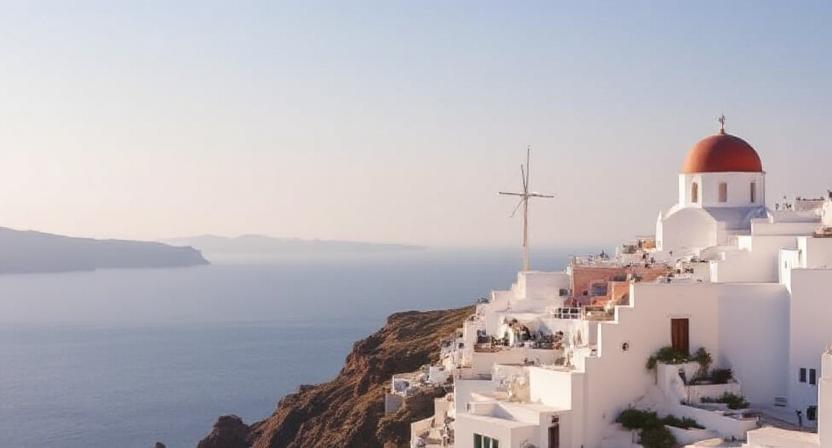 Image generated with Ai
The Cyclades islands of Greece saw a sharp increase in tourist visitors in 2025, with more than 1.6 million air travelers visiting the islands during the prime tourist season between April and August. The islands, so famous for their breathtaking scenery, whitewashed cubes, and rich cultural heritage, are still pulling tourists worldwide. Yet this development has come at the expense of some infrastructure issues, as the islands struggle to keep up with growing demand for tourism while maintaining their natural beauty and cultural heritage.
The rise in numbers of visitors is a reflection of the increasing popularity of the Cyclades worldwide as a destination, not just for luxury tourism but for authentic experience seekers in Greece. As much as local economies welcome the demand, it creates uncertainty as to how tourism expansion will be handled sustainably in the years to come.
Santorini and Mykonos: Dominating Greece’s Tourism Landscape
Santorini and Mykonos continue to dominate the tourism scene in the Cyclades, with Santorini welcoming the highest number of air passengers—818,551 in 2025. Known for its iconic calderas, sunsets, and luxury resorts, Santorini remains a leading destination for travelers seeking romantic getaways and luxury tourism. Mykonos, with its vibrant nightlife and beautiful beaches, followed closely with 604,963 passengers.
These two islands are not only popular with international tourists but also attract travelers from across Europe and beyond. Their consistent popularity underscores the global demand for Greek islands that combine luxury with cultural experiences, further solidifying the Cyclades’ position as a premium travel destination.
Advertisement
Advertisement
Naxos and Paros: Growth Amid Infrastructure Limitations
Naxos and Paros have also seen positive growth, though they face varying levels of demand and infrastructure strain. Naxos, which welcomed 83,345 passengers, saw its peak season extend from May to August, with June and July recording the highest numbers. Interestingly, May arrivals were about half of those in the following months, reflecting seasonal fluctuations in demand.
Similarly, Paros recorded steady growth, moving from 9,901 passengers in April to almost 34,000 passengers in July. Despite being less crowded than Santorini and Mykonos, Paros’ appeal lies in its quaint villages, local agriculture, and authentic Greek charm—drawing travelers who seek a more laid-back experience without compromising on beauty.
Advertisement
Advertisement
Milos and Syros: Rising Stars in Greek Tourism
While Milos and Syros are smaller destinations compared to Santorini and Mykonos, both islands are gaining traction among tourists. Milos, known for its unique beaches and crystal-clear waters, saw a rise in tourist numbers, growing from just over 2,000 passengers in April to more than 11,000 in July and August. This increase shows a shift toward less crowded islands offering natural beauty and a more relaxed atmosphere.
Syros, with its historical significance and cultural offerings, achieved solid results despite having smaller absolute numbers. With 6,630 passengers in the peak season, the island’s connection with Thessaloniki helped boost its summer performance. Syros offers a unique blend of Greek heritage, modern amenities, and peaceful surroundings, making it an emerging destination for travelers looking for an alternative to the bigger islands.
Advertisement
Advertisement
Monthly Traffic Patterns: July and August as Peak Months
The data reveals that July was the busiest month for most islands, with Santorini reaching 226,778 passengers and Mykonos peaking at 194,000 passengers. The number of visitors remained high in August for both islands, with Santorini’s numbers slightly decreasing to 225,093 and Mykonos experiencing a slight dip to 187,761.
The monthly trends also show steady growth in Paros and Naxos, with Paros rising from 9,901 passengers in April to nearly 34,000 in July, and Naxos seeing an increase from 7,129 passengers in April to 22,982 in July. Milos also saw a jump from just over 2,000 passengers in April to more than 11,000 in both July and August.
Comparing Demand with Infrastructure Capacity: The Growing Challenge
The rising tourist demand in the Cyclades has highlighted disparities in infrastructure capacity. While Santorini has 1,402 accommodation and dining businesses, and Mykonos has 621, islands like Syros, with 207 establishments, face challenges in accommodating the surge in visitors.
The strain on accommodation, transportation, and public services is becoming a significant concern as tourism growth continues. While larger islands like Santorini and Mykonos are better equipped to handle high volumes of tourists, smaller islands such as Syros and Milos may need upgraded infrastructure to keep up with increasing demand.
Advertisement
Advertisement
Sustainable Tourism: Balancing Growth with Preservation
As tourism in the Cyclades grows, the focus must shift toward sustainable tourism practices that ensure the preservation of the islands’ natural beauty and cultural heritage. Overcrowding and infrastructure strain could threaten the islands’ appeal if not managed properly.
In response, stakeholders in Greece’s tourism sector are emphasizing the need for off-peak tourism initiatives, eco-friendly policies, and local community engagement to balance economic growth with environmental and cultural preservation. The promotion of eco-tourism, cultural tourism, and slow travel offers sustainable alternatives to traditional mass tourism, helping to spread visitor traffic more evenly across the islands and throughout the year.
The Future of Cyclades Tourism: Expanding Offerings and Infrastructure
Looking ahead, the future of Cyclades tourism depends on expanding both infrastructure and tourism offerings to accommodate growing demand. As the islands continue to grow in popularity, investments in transportation (including ferry services, roads, and airports) will be crucial to ensuring that visitor flow remains manageable and sustainable.
Moreover, destination marketing and tourism diversification will play an important role in expanding beyond the high-traffic islands of Santorini and Mykonos to highlight the beauty and authenticity of Paros, Naxos, Milos, and Syros. By promoting cultural heritage, local experiences, and off-the-beaten-path attractions, the Cyclades can continue to attract a diverse range of tourists throughout the year.
Managing Growth for Long-Term Tourism Success
The Cyclades islands are poised for continued development in tourism as Santorini, Mykonos, and other small islands such as Paros, Naxos, and Milos become increasingly visited. But it is crucial that the tourism industry adjusts to these trends through sustainable activities, improved infrastructure, and sustainable tourism initiatives.
Through control of visitor numbers, diffusing the effect of visitation, and encouraging environmentally friendly modes of travel, the Cyclades can maintain their distinctive character while presenting new experiences to world travelers. With careful investment and attention to sustainability, the Cyclades can make their tourism development both lucrative and eco-sound in the coming years.
Advertisement
