
Slovenia Tourism Advances Greener Alpine Travel Across the Big Julian Alps

Published
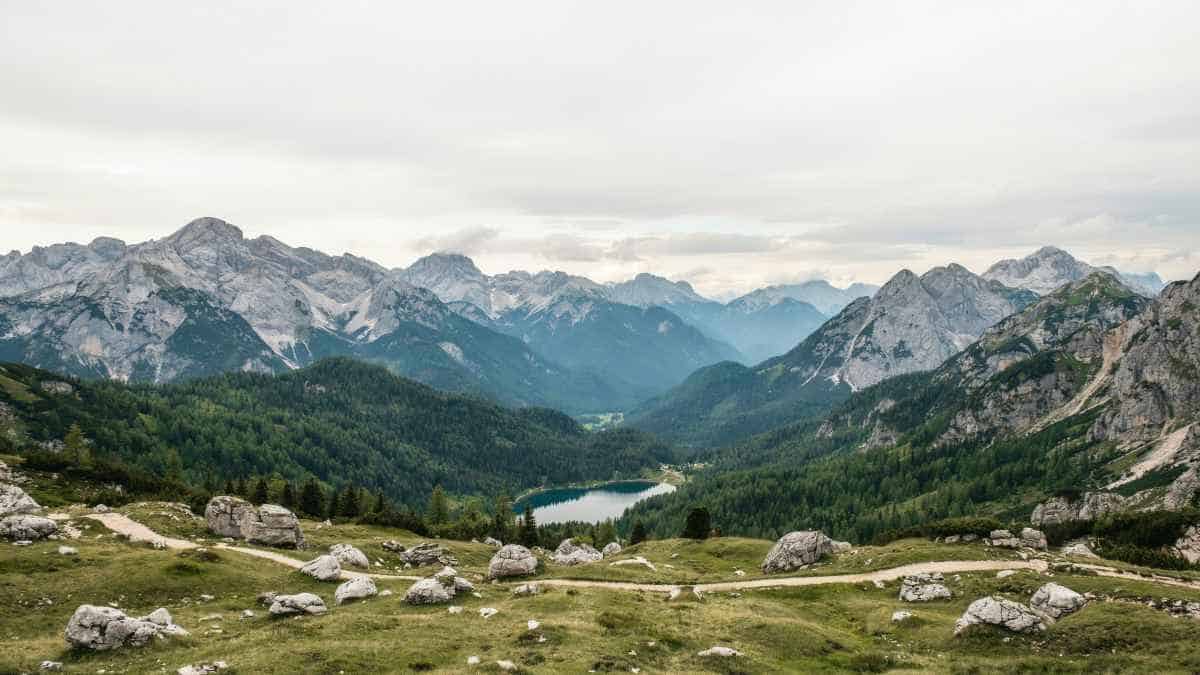
Triglav National Park remains central to Slovenia’s efforts of Slovenia aimed at finding balance between mountain tourism and the conservation of one of the country’s greatest natural areas of the country. Located in the middle of the Julian Alps, the national park becomes a draw for hikers, climbers, mountaineers and nature tourists throughout the whole year. The existence of the high mountains, glacial valleys, alpine meadows and mountain lakes creates its value as one of the main tourist attractions of Slovenia. Moreover, the popularity of the Julian Alps increases the pressure on the trails, mountain huts, water and waste management. With the increase in the number of tourists, sustainability becomes a critical issue. One of the important actors in the region is a mountain hut that provides lodging and other services in places that could be inconvenient for the construction of conventional infrastructure.
Mountain Huts Become Part of the Sustainability Effort
Slovenia has developed a network of mountain huts across its alpine regions, many of which operate in remote locations.
Advertisement
Advertisement
The Slovenian Alpine Association, known locally as Planinska zveza Slovenije, works with mountain hut operators and other partners on improving the environmental performance of these facilities.
Waste management is a major consideration at high altitude. Mountain huts have limited storage capacity and often depend on challenging transport arrangements to bring supplies up and remove waste.
Advertisement
Advertisement
Reducing disposable products and encouraging visitors to take responsibility for their own rubbish can therefore make a measurable difference.
The wider zero-waste approach also supports Slovenia’s reputation as a destination where outdoor tourism and environmental responsibility are closely connected.
Advertisement
Advertisement
Triglav Protects a Sensitive Alpine Ecosystem
Triglav National Park covers a large part of Slovenia’s Julian Alps and contains some of the country’s most important mountain habitats.
The park takes its name from Mount Triglav, Slovenia’s highest peak at 2,864 metres. The mountain is also a major national symbol and one of the country’s most recognisable attractions.
Beyond the summit, the protected area includes alpine valleys, forests, rivers, lakes and high-altitude landscapes.
The park is home to diverse plant and animal species, meaning that increased hiking activity must be managed carefully. Visitors are expected to respect marked routes, avoid disturbing wildlife and follow regulations governing activities inside the protected area.
Bohinj Provides a Major Gateway
Bohinj is one of the principal gateways to Triglav National Park and the Julian Alps.
Lake Bohinj is Slovenia’s largest natural lake and attracts visitors interested in hiking, cycling, kayaking and other outdoor activities. Several mountain routes begin in or around the Bohinj area, providing access to higher alpine terrain.
Advertisement
Advertisement
The valley also provides access towards mountain huts and routes leading deeper into the national park.
Bled is another major tourism base in the wider Julian Alps. Known internationally for Lake Bled and its island church, the town provides a convenient starting point for travellers combining cultural sightseeing with mountain experiences.
Kranjska Gora Connects Travellers With the Alps
Kranjska Gora is another important base for visitors exploring the northern Julian Alps.
The resort town provides access to hiking and cycling routes, mountain valleys and viewpoints around the Slovenian-Italian-Austrian border region.
The nearby Vršič Pass is one of Slovenia’s most prominent mountain routes and connects Kranjska Gora with the Trenta Valley. During the warmer months, it becomes an important route for motorists, cyclists and hikers.
These gateways allow visitors to experience the Julian Alps without relying entirely on high-altitude accommodation, potentially reducing pressure on some remote mountain facilities.
Advertisement
Advertisement
Responsible Hiking Is Central to the Experience
Zero-waste mountain tourism depends not only on hut infrastructure but also on visitor behaviour.
Hikers travelling through Triglav National Park are encouraged to minimise waste, carry reusable bottles and avoid leaving packaging along trails. Keeping food and rubbish securely stored is also important in areas where wildlife is present.
The principle is particularly relevant at higher elevations, where waste collection can require additional transport and energy.
Visitors staying in mountain huts can also help by following individual hut rules, conserving water and electricity, and carrying unnecessary packaging back down the mountain.
Public Transport Supports Lower-Impact Travel
Slovenia’s compact geography allows many visitors to combine public transport with walking and cycling.
Ljubljana Jože Pučnik Airport is the country’s main international airport, while Ljubljana railway station provides rail connections for travellers arriving from neighbouring countries.
Advertisement
Advertisement
From Ljubljana, visitors can continue towards Bled, Bohinj and other alpine destinations using buses and regional transport services.
For travellers focused on sustainable tourism, arriving by public transport and continuing on foot can reduce the environmental pressure associated with private vehicles, particularly around busy alpine gateways.
Slovenia Tourism Builds Around Nature Protection
The Julian Alps are undoubtedly one of the most important tourism resources for Slovenia, but its success relies on the preservation of environmental standards. The example of Triglav National Park shows how modern mountain tourism requires much more than the preservation of the hiking routes and accommodation. Recycling, proper water use, saving energy and eco-friendly behaviour of visitors become an important component of alpine tourism. Further development of environmentally-friendly tourism activities in the Slovenian mountains can help tourism preserve the landscapes, attracting people to this country. In light of the increasing demand for outdoor tourism in Europe, the Julian Alps will remain one of its top destinations.
Advertisement
