

Jasper Aligns With Banff and Lake Louise, Prince Rupert and More Canadian Destinations Reinventing Train Escapes for Modern Travellers

Updated
Published
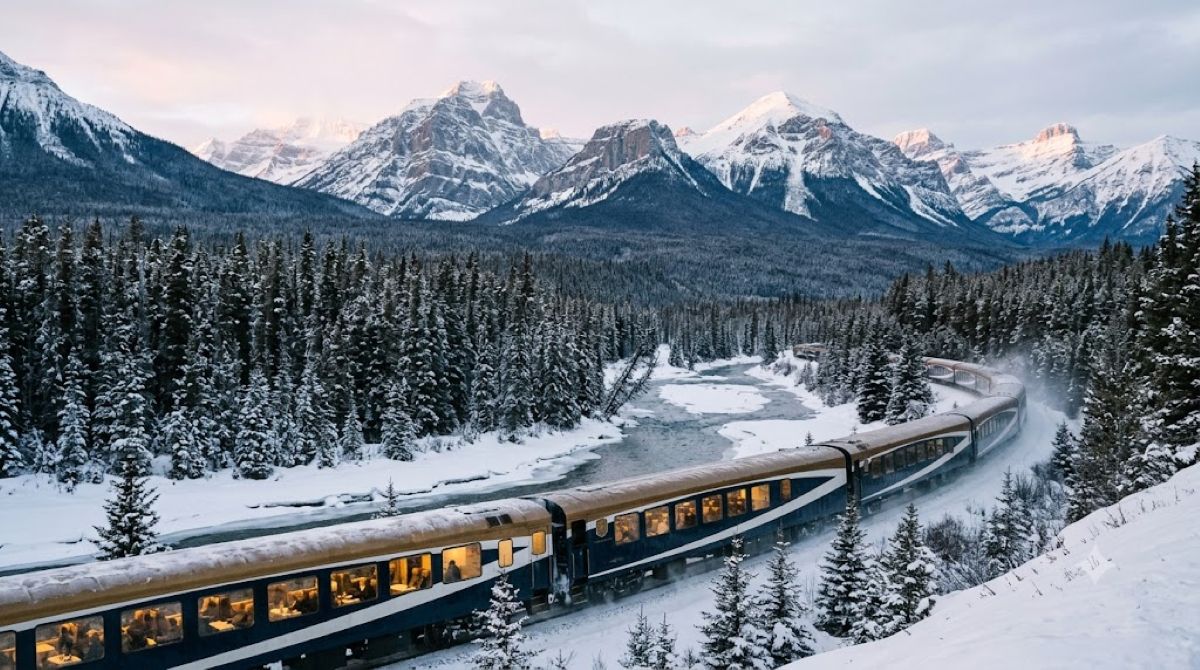
Jasper Aligns With Banff and Lake Louise, Prince Rupert and More Canadian Destinations Reinventing Train Escapes for Modern Travellers. This shift gives visitors a fresh way to experience Canada’s scale. Instead of rushing between airports and highways, travellers can follow mountain valleys, quiet forests and northern rivers from the comfort of a train. Jasper, Banff, Lake Louise and Prince Rupert each add a different part of the story. The Rockies bring high peaks and snow-draped scenery. Northern British Columbia brings rivers, coastal landscapes and a sense of distance. Meanwhile, rail travel lets passengers slow down, share the view and make the journey part of the holiday. It also supports longer stays in communities beyond the busiest gateway cities. As demand grows for meaningful, lower-pressure breaks, these Canadian routes offer scenery, comfort and connection. They show that a great holiday does not begin only at the destination. It begins when the train leaves the station and the landscape starts to change.
Jasper Offers Two Different Rail Adventures
Jasper is one of the most important scenic train destinations in Canada because it gives travellers more than one direction to explore. It is part of the long Toronto to Vancouver rail journey and also acts as a gateway to northern British Columbia.
The town sits close to high mountain scenery, lakes, waterfalls and wilderness. It is a natural choice for visitors who want to pair a rail trip with time outdoors. Jasper National Park gives the destination even greater pull for nature travellers.
From Jasper, travellers can also take the train west towards Prince Rupert. This route crosses northern British Columbia and offers a wilder side of Canada. Forests, rivers and quiet settlements replace the busy feel of major cities. The journey shows that scenic rail holidays do not always need to follow the best-known tourism trail.
Jasper therefore has a special role in 2027. It connects the famous Rockies experience with a more remote Pacific adventure.
Banff and Lake Louise Lead the Rockies Experience
Banff and Lake Louise will remain the biggest names in Canada’s scenic rail market. These Alberta destinations sit among some of the most famous mountain landscapes in the world. Blue lakes, high peaks, thick forests and walking trails make them a powerful reason to plan a longer holiday.
The Rocky Mountaineer experience brings travellers into this landscape in comfort. Its First Passage to the West route connects Vancouver, Kamloops, Lake Louise, Banff and Calgary. The journey is designed around daylight travel, so passengers do not miss the changing views outside.
This is important for travellers who want a relaxed and premium holiday. The train allows them to watch river valleys, mountain passes and rocky canyons unfold from the carriage. Banff and Lake Louise then add time for sightseeing, outdoor activities and stays in the Canadian Rockies.
For 2027, this route offers a clear message. Canada is not only a place to visit. It is a place to watch, slowly and carefully, as the landscape changes.
Vancouver Gives Rail Holidays a Strong Start
Vancouver is one of the best places to begin or end a Canadian train holiday. The city sits between the Pacific Ocean and the Coast Mountains. It gives travellers museums, food, waterfront walks and city life before they board a train into the wilderness.
It is the main western gateway for Rocky Mountaineer journeys towards Banff, Lake Louise and Jasper. It is also the western end of VIA Rail’s long-distance Canadian service from Toronto.
This makes Vancouver useful for many types of traveller. A visitor can enjoy a short city break, take a luxury rail journey into the Rockies or continue across Canada by sleeper train. The city brings convenience to an itinerary that can otherwise feel very remote.
For international visitors, Vancouver also helps make Canada’s rail story easy to understand. It provides a familiar city arrival and then opens the door to an entirely different world of mountains, rivers and open space.
Advertisement
Advertisement
Prince Rupert Brings a Wild Pacific Finish
Prince Rupert is one of the most exciting destinations for travellers who want a less usual Canadian rail holiday. Located on Kaien Island in northern British Columbia, it is reached by train from Jasper through the Skeena Valley.
The route follows rivers and passes through forests and mountain scenery. It gives passengers a strong sense of Canada’s size and quiet beauty. Prince Rupert itself brings a coastal finish that feels far away from the country’s major urban centres.
This destination is especially suited to travellers who want a journey with a sense of discovery. It is not simply about arriving at a famous attraction. It is about seeing the landscape become greener, wetter and more coastal as the train moves west.
In 2027, Prince Rupert can help Canada appeal to visitors looking for adventure without giving up the comfort and calm of rail travel.
Toronto Makes Canada a Cross Country Journey
Toronto is the eastern gateway for one of Canada’s greatest rail holidays. VIA Rail’s Canadian service connects the city with Vancouver, crossing Ontario, Manitoba, Saskatchewan, Alberta and British Columbia.
This is not a quick trip. It is a long journey through many different landscapes. Travellers pass through northern forests, vast Prairies and the Canadian Rockies before reaching the west coast. That slow change is the heart of the experience.
Toronto adds a strong city beginning to the holiday. Visitors can enjoy its culture, food and waterfront before boarding the train. From there, the country begins to open up in a way that no short flight can show.
For travellers with time, the Toronto to Vancouver journey is one of the clearest examples of why Canada is made for scenic rail travel.
Advertisement
Advertisement
Québec City and Charlevoix Add River Beauty
Not every great Canadian train holiday needs huge mountains or several nights on board. Québec City and Charlevoix offer a shorter but deeply scenic experience along the St Lawrence River.
The Train de Charlevoix travels between Québec City and La Malbaie. It passes river scenery, villages, farmland and wooded hills. The route is especially appealing in summer, when visitors can combine rail travel with whale watching and regional food experiences. Autumn adds colourful leaves across the landscape.
Québec City also brings history and charm before the journey begins. Its old streets and European feel make it very different from Canada’s western mountain destinations. Charlevoix then offers a quieter escape into river landscapes and small communities.
This route is a strong choice for families, first-time rail travellers and visitors who want a shorter holiday with a clear sense of place.
Canada’s Rail Story Is Bigger Than One Journey
Sault Ste. Marie, Churchill, Kamloops and Winnipeg add even more choice to Canada’s 2027 rail map. Sault Ste. Marie is known for autumn journeys through Agawa Canyon. Churchill offers a remote northern experience shaped by wildlife, wide skies and seasonal adventure. Kamloops supports Rockies rail itineraries, while Winnipeg connects the cross-country route with the northbound train to Churchill.
Together, these destinations show why Canada is ready for a major scenic train holiday moment in 2027. The country offers luxury, wilderness, cities, coastlines, fall colour and northern adventure. Most importantly, it gives travellers time to enjoy the view.
Canada Scenic Rail Holidays Bring Generations Together in 2027
Canada’s scenic rail holidays are becoming a powerful choice for families who want to travel together without the stress of a long road trip. Grandparents, parents, teenagers and young children can share the same journey while mountains, forests, rivers and wide open skies pass outside the window.
A family reunion often sounds simple. In reality, it can be hard to plan. Older adults may not enjoy long drives. Young children can become restless in a car. Parents need breaks, meals and space. A scenic train journey solves many of these problems. There is no need for one person to drive for hours. Everyone can sit back, move around when allowed and enjoy the views together.
Canada is especially strong for this type of holiday. Its rail routes link major cities with the Rocky Mountains, Pacific Coast, northern wilderness, river valleys and autumn forests. Some journeys offer sleeper cabins. Some have glass-domed viewing cars. Others are simpler day trips with comfortable seats and beautiful scenery.
The key is choosing the right journey for the family. Not every train has cabins or viewing decks. Yet each major Canadian rail destination offers a different way for several generations to spend meaningful time together.
Why Train Travel Works for Families of Different Ages
The biggest advantage of train travel is shared time. In a car, the driver must focus on the road. Passengers may sleep, look at phones or feel tired. On a train, the journey becomes part of the holiday.
Grandparents can tell stories while children watch the scenery. Parents can sit with their children without worrying about directions, traffic or petrol stops. Families can eat together, talk together and look out at the same mountain, lake or forest at the same moment.
Trains also offer more freedom than a car. On selected services, passengers can walk to lounges, dining cars or viewing areas. This can make a long journey easier for children who need to move and for older adults who do not want to stay in one seat all day.
For families travelling with babies, rail travel can be especially helpful. VIA Rail provides family facilities such as changing tables, bottle warming support, stroller access and space for young children. Infants under two can travel free when they sit on an adult’s lap. Children aged two to 12 can receive reduced fares on eligible services.
However, families should plan carefully. A scenic train holiday is not always cheap. Sleeper cabins can sell out early. Mobility needs should be discussed with the operator before booking. The best trips are planned around the comfort of the oldest and youngest people in the group.
Vancouver, Banff and Lake Louise Offer a Premium Family Journey
The Rocky Mountaineer route between Vancouver and Banff or Lake Louise is one of Canada’s most attractive choices for a multigenerational family holiday. It combines city life, mountain scenery and hotel stays without requiring guests to sleep onboard.
This is a daytime rail experience. Travellers spend the night in a hotel, usually in Kamloops, before continuing the next day. That makes it easier for grandparents who prefer a normal hotel room and for parents travelling with younger children.
The First Passage to the West journey links Vancouver, Kamloops, Lake Louise, Banff and Calgary. It takes families through river valleys, canyons and mountain passes. Everyone sees the same scenery at the same time. This shared experience can make the journey feel special for a family reunion.
GoldLeaf service has a glass-domed upper level with wide views. It also has a lower dining area and an outdoor viewing platform. The platform gives families a chance to step outside, feel the mountain air and take photographs together.
This route works best for families who want comfort, scenery and easy hotel stops. It is not a sleeper train. That is an important point. The appeal is a relaxed daytime journey followed by a proper night of rest in a hotel.
Toronto, Jasper and Vancouver Create a True Sleeper Holiday
For families who want the full rail adventure, VIA Rail’s Canadian service is the strongest choice. The route links Toronto and Vancouver and travels through Ontario, Manitoba, Saskatchewan, Alberta and British Columbia. Jasper is one of its most important stops.
This is a multi-night journey. It gives families time to slow down and settle into life on the train. Sleeper Plus passengers can choose a berth or a cabin for one, two or three people. There are also dining cars, lounges and scenic dome cars.
This layout is useful for large family groups. Grandparents can rest in a cabin when needed. Parents can take children to the dome car to see the landscape. Families can come together for meals and then return to their own spaces.
The journey also gives children a sense of adventure. They can wake up in a new part of Canada without packing and unpacking every day. One morning may bring forest views. Another may reveal wide Prairie land. Later, the Rockies rise outside the window.
Jasper makes a natural stop for families who want to add a few nights in the mountains. It offers access to national park scenery, wildlife viewing and outdoor activities. Families should choose activities carefully and respect all wildlife rules.
The Canadian is ideal for groups who have time and want the train itself to be a major part of the reunion.
Advertisement
Advertisement
Jasper to Prince Rupert Brings a Quieter Adventure
The train from Jasper to Prince Rupert offers a different family experience. It travels through northern British Columbia, following river valleys, forests and remote landscapes towards the Pacific coast.
This route is best for families who want wilderness rather than a luxury train product. It has Economy class only. There are no sleeper cabins and no panoramic dome car. Yet the journey still offers spacious seating, food for purchase and a more peaceful look at northern Canada.
Parents travelling with babies and young children can use onboard facilities such as changing tables and bottle heating support. The train can accommodate strollers and playpens, while children have more room to stretch than they would during a long car journey.
Prince Rupert gives the family a coastal ending. It is a place for travellers who enjoy nature, water and a feeling of being far from busy city life. This route suits active families and older children who enjoy the idea of a more remote adventure.
Winnipeg and Churchill Offer a Big Family Story
The Winnipeg to Churchill train is one of Canada’s most unusual family rail experiences. Churchill sits on Hudson Bay and is known for its northern landscapes, wildlife and changing seasons.
The journey takes nearly two days. This makes it suitable for families who are comfortable with slower travel and want a real adventure. Sleeper Plus accommodation includes a bed or bunk beds, along with seating space. The route gives families a chance to spend a long period together without rushing.
For grandparents and parents, the train removes the difficulty of driving long distances through northern regions. For children and teenagers, the journey creates excitement long before they reach Churchill.
Families need to plan well. The service runs only a limited number of times each week. Food is available for purchase, but Sleeper Plus does not include a meal service. Families should prepare for the long travel time and book Churchill excursions in advance.
The reward is a holiday that feels very different from a standard city break. Churchill can bring several generations together through a shared northern adventure.
Québec City and Charlevoix Keep the Journey Gentle
Train de Charlevoix is a good choice for families who want scenic rail travel without spending days on a train. It links Québec City, Baie-Saint-Paul and La Malbaie along the St Lawrence River.
The journey passes river views, small communities, farms and wooded hills. Families can combine it with hotels, local food and time in Québec City. It is especially suitable for grandparents who want a shorter and calmer rail outing.
This is not a sleeper experience. It is a scenic regional journey. Families should also note that standard trains require passengers with reduced mobility to climb three steps to board. It is important to check access needs before confirming tickets.
For many families, this can be a lovely way to add a shared travel moment to a wider Québec holiday.
Sault Ste Marie Makes Autumn Travel Easy
The Agawa Canyon Tour Train from Sault Ste. Marie offers a scenic day trip through northern Ontario. It is a strong choice for families who want to see autumn colour without a long overnight journey.
The train travels through Canadian Shield scenery, including forests, lakes and rocky landscapes. It gives grandparents and children a shared day outdoors without the effort of a long drive.
The service also has useful accessibility support. It provides wheelchair lifts for some collapsible wheelchairs and has enlarged washroom doors in each rail car. Families should still check the detailed requirements before booking.
Canada’s scenic rail holidays work because they make the journey feel meaningful. They let every generation look up from daily life, share a view and arrive with a story they experienced together.
| Canadian destination | Scenic rail journey | Typical duration | Viewing feature |
|---|---|---|---|
| Vancouver, British Columbia | Rocky Mountaineer First Passage to the West | 2 daytime rail days | GoldLeaf glass-dome coach and outdoor viewing platform |
| Kamloops, British Columbia | Rocky Mountaineer First Passage to the West | Overnight stop between rail days | Mountain and river views from train |
| Banff, Alberta | Rocky Mountaineer from Vancouver or Calgary | 2 rail days plus stay | Panoramic mountain views |
| Lake Louise, Alberta | Rocky Mountaineer First Passage to the West | 2 rail days plus stay | Glass-dome mountain views |
| Calgary, Alberta | Rocky Mountaineer route endpoint or start | 2 rail days plus stay | Rockies-to-city transition |
| Toronto, Ontario | VIA Rail The Canadian to Vancouver | About 4 nights | Skyline dome car; Park car access rules vary by class and season |
| Jasper, Alberta | VIA Rail The Canadian | Part of Toronto–Vancouver route | Skyline dome car and lounges |
| Jasper, Alberta | VIA Rail Jasper–Prince Rupert | Multi-day regional journey | Standard window views only |
| Prince Rupert, British Columbia | VIA Rail from Jasper | Multi-day regional journey | Forest, river and coastal views |
| Winnipeg, Manitoba | VIA Rail Winnipeg–Churchill | About 1 day 20 hours 55 minutes | Standard wilderness views |
| Churchill, Manitoba | VIA Rail from Winnipeg | About 45 hours from Winnipeg | Arctic and northern landscape views |
| Québec City, Québec | Train de Charlevoix | Approx. 4.5 hours to La Malbaie | St Lawrence River and hillside scenery |
| Baie-Saint-Paul, Québec | Train de Charlevoix | Part of Québec City–La Malbaie route | River, village and Charlevoix views |
| La Malbaie, Québec | Train de Charlevoix | Approx. 4.5 hours from Québec City | St Lawrence River views |
| Sault Ste. Marie, Ontario | Agawa Canyon Tour Train | Full-day return excursion | Canadian Shield, lakes, forests and autumn colours |
| Agawa Canyon, Ontario | Agawa Canyon Tour Train | Full-day return excursion | Canyon and forest scenery |
Canada Winter Rail Holidays Unlock Snowy Escapes and Quiet Travel in 2027
Canada’s scenic rail story changes completely when winter arrives. Summer brings mountain lakes, green forests and busy national parks. Between November and March, the country becomes quieter, colder and more dramatic. Snow settles over the Rockies. Northern forests turn white. Long nights open the sky for the northern lights. For travellers who want a slower holiday, winter rail travel offers a very different way to see Canada.
Yet not every famous Canadian scenic train operates in winter. This is the most important fact for travellers planning a cold-season journey. Rocky Mountaineer, Train de Charlevoix and the Agawa Canyon Tour Train are seasonal products. They are not available for the core November-to-March period. The strongest winter rail choices are VIA Rail’s long-distance Canadian service, the year-round Jasper to Prince Rupert route and the train between Winnipeg and Churchill.
This creates a clear travel picture for 2027. Canada can offer winter rail escapes, but they need to be chosen carefully. The reward is a quieter journey through snow-covered landscapes, without the crowded feel of peak summer.
Churchill Leads Canada’s Winter Rail Travel Story
Churchill in Manitoba is the country’s strongest winter rail destination. It is remote, cold and unlike almost anywhere else in Canada. Travellers arrive at the edge of Hudson Bay, where snow, tundra and dark skies shape the experience.
VIA Rail connects Winnipeg with Churchill by train. The journey takes nearly two days. It is not a fast trip. That is exactly why it appeals to travellers looking for a proper escape. The train crosses Manitoba’s northern landscapes before reaching a town that has no road connection to the rest of Canada.
The service offers Economy and Sleeper Plus travel. Sleeper Plus passengers can book beds or bunk beds. This helps turn the journey into a holiday rather than a long transfer. Travellers can rest, read, look outside and enjoy the slow change in scenery.
Churchill has a strong winter tourism offer. Northern lights are the main attraction from late November through March, with February and March among the best periods. The nights are long, dark and often clearer. Green, purple and pink lights can appear above the snowy landscape.
Tourism operators promote winter packages that combine aurora viewing with dog sledding, snowshoeing, photography and cultural experiences. Heated viewing domes and comfortable lounges give visitors a warmer way to wait for the lights. This makes Churchill more accessible to travellers who want to experience the north without standing outside for hours in extreme cold.
October and November tell a different Churchill story. These months are linked with polar bear viewing as bears gather near the coast while Hudson Bay starts to freeze. Travellers should not mix this with the main winter aurora message. Polar bears are the autumn draw. Northern lights, snow and dog sledding are the stronger winter themes.
Advertisement
Advertisement
The Canadian Offers a Snowy Journey Across the Country
VIA Rail’s Canadian service is the best choice for travellers who want to see the scale of Canada in winter. The train links Toronto and Vancouver, with key stops including Winnipeg and Jasper. It travels through northern Ontario, the Prairies, Alberta and British Columbia.
The Canadian continues through the off-season. Current schedules confirm journeys from early November into March. This is important because it gives travellers a real alternative to summer travel. Instead of rushing through airports or driving on winter roads, they can watch the country pass by from a warm train.
The route gives passengers a changing winter landscape. Northern Ontario brings forests and lakes. The Prairies bring open land and wide skies. Alberta introduces the first big mountain views. Then the Canadian Rockies rise outside the window before the train continues towards the Pacific Coast.
Sleeper Plus service gives travellers access to berths and private cabins. It also includes meals, access to shower facilities, lounges and scenic dome cars. Families, couples and solo travellers can use these spaces to make the trip more comfortable.
Winter also brings a quieter onboard atmosphere. VIA Rail classifies the period outside mid-April to mid-November as off-peak. Sleeper Plus passengers can enjoy broader access to the Park car in the off-peak period, subject to some departure restrictions. This gives travellers more time to relax and watch the scenery.
The journey is ideal for people who value time over speed. It is not a low-cost shortcut. It is a long-distance travel experience. Travellers should book cabins early, pack warm layers and allow extra time at stops. Winter weather can affect wider transport plans, even when the train is running.
Jasper Becomes a Winter Rail Gateway
Jasper is one of the most important stops on Canada’s winter rail map. It gives travellers a direct connection between a long rail journey and the Canadian Rockies. In summer, Jasper can feel busy with road trips and hiking visitors. Winter brings a quieter mood.
Arriving by train removes the pressure of driving through mountain roads. Travellers can step off the Canadian and begin a stay in Jasper with the national park close by. The town becomes a base for winter walks, snow activities, wildlife awareness and mountain sightseeing.
The scenery is the central reason to visit. Snow-covered peaks, frozen rivers and forests create a different view from the bright blue lakes of summer. The slower season also gives travellers more time to enjoy the destination without rushing between major attractions.
Jasper is not only a destination. It is also a rail crossroads. Travellers can continue to Vancouver on the Canadian or head towards Prince Rupert on VIA Rail’s northern British Columbia route.
Visitors must plan responsibly. Winter conditions can change quickly in the Rockies. Outdoor activities should be chosen according to local weather, safety advice and park notices. Wildlife must always be viewed from a safe distance.
Jasper to Prince Rupert Delivers a Remote Winter Route
The Jasper to Prince Rupert train gives travellers a quieter and wilder winter option. The route runs throughout the year and operates three times a week. It connects the mountain setting of Jasper with northern British Columbia and the Pacific Coast.
The train passes through river valleys, forests and remote communities. In winter, snow and low light can make the journey feel more peaceful and more dramatic. This is a strong choice for travellers who want to see Canada beyond the better-known Rockies route.
It is important to set the right expectations. This is not a luxury sleeper train. It offers Economy class only. There are no private sleeping cabins, formal dining rooms or panoramic dome cars. The appeal is the route itself: the chance to sit back and watch a less visited part of Canada unfold outside the window.
Prince Rupert offers a coastal end to the journey. The town feels far from the busy cities of southern British Columbia. It suits travellers who like rainforests, water, local culture and a true sense of distance.
Winter weather can be demanding in this region. Travellers should carry warm and waterproof clothing, plan flexible onward travel and check service updates before departure.
Why Seasonal Scenic Trains Do Not Belong in Winter Claims
Rocky Mountaineer is famous for its Canadian Rockies journeys, but it should not be described as a winter train holiday. Its published 2027 Canadian schedule begins in April and runs into October. The route is better placed in a spring, summer or autumn travel story.
Spring can still show snow at higher elevations. Autumn can bring changing colours and fewer visitors than high summer. But there is no normal November-to-March Rocky Mountaineer Canada journey.
The same rule applies to Train de Charlevoix in Québec. The train provides beautiful St Lawrence River views between Québec City, Baie-Saint-Paul and La Malbaie. However, its operating season ends in early November. It is not a core winter rail product.
The Agawa Canyon Tour Train in Sault Ste. Marie is also seasonal. It is best known for forest scenery and vivid autumn colour. Its service generally runs from early summer to mid-October. Travellers should not expect to ride it through a snowy canyon in January or February.
These routes still matter for Canada’s wider rail story. They help spread travel into spring and autumn. But accuracy matters. A strong winter travel report should focus on the trains that truly run when the snow arrives.
Canada’s Off-Season Rail Advantage
Winter rail travel gives Canada a chance to spread tourism beyond its busiest months. Travellers can see a quieter side of the country. They can choose long train journeys instead of busy road itineraries. They can spend more time in each destination and less time rushing between them.
Churchill offers the clearest winter package story, with trains, northern lights programmes and snow-based activities. The Canadian provides a grand cross-country experience through the country’s changing winter landscapes. Jasper to Prince Rupert adds a remote all-year route for travellers who want a more adventurous journey.
Canada’s winter rail appeal is not about every train running every month. It is about choosing the right route, accepting the slower pace and letting the snow-covered landscape become part of the holiday.
Canada Winter Rail Holidays Unlock Snowy Escapes and Quiet Travel in 2027
Canada’s scenic rail story changes completely when winter arrives. Summer brings mountain lakes, green forests and busy national parks. Between November and March, the country becomes quieter, colder and more dramatic. Snow settles over the Rockies. Northern forests turn white. Long nights open the sky for the northern lights. For travellers who want a slower holiday, winter rail travel offers a very different way to see Canada.
Yet not every famous Canadian scenic train operates in winter. This is the most important fact for travellers planning a cold-season journey. Rocky Mountaineer, Train de Charlevoix and the Agawa Canyon Tour Train are seasonal products. They are not available for the core November-to-March period. The strongest winter rail choices are VIA Rail’s long-distance Canadian service, the year-round Jasper to Prince Rupert route and the train between Winnipeg and Churchill.
This creates a clear travel picture for 2027. Canada can offer winter rail escapes, but they need to be chosen carefully. The reward is a quieter journey through snow-covered landscapes, without the crowded feel of peak summer.
Advertisement
Advertisement
Churchill Leads Canada’s Winter Rail Travel Story
Churchill in Manitoba is the country’s strongest winter rail destination. It is remote, cold and unlike almost anywhere else in Canada. Travellers arrive at the edge of Hudson Bay, where snow, tundra and dark skies shape the experience.
VIA Rail connects Winnipeg with Churchill by train. The journey takes nearly two days. It is not a fast trip. That is exactly why it appeals to travellers looking for a proper escape. The train crosses Manitoba’s northern landscapes before reaching a town that has no road connection to the rest of Canada.
The service offers Economy and Sleeper Plus travel. Sleeper Plus passengers can book beds or bunk beds. This helps turn the journey into a holiday rather than a long transfer. Travellers can rest, read, look outside and enjoy the slow change in scenery.
Churchill has a strong winter tourism offer. Northern lights are the main attraction from late November through March, with February and March among the best periods. The nights are long, dark and often clearer. Green, purple and pink lights can appear above the snowy landscape.
Tourism operators promote winter packages that combine aurora viewing with dog sledding, snowshoeing, photography and cultural experiences. Heated viewing domes and comfortable lounges give visitors a warmer way to wait for the lights. This makes Churchill more accessible to travellers who want to experience the north without standing outside for hours in extreme cold.
October and November tell a different Churchill story. These months are linked with polar bear viewing as bears gather near the coast while Hudson Bay starts to freeze. Travellers should not mix this with the main winter aurora message. Polar bears are the autumn draw. Northern lights, snow and dog sledding are the stronger winter themes.
The Canadian Offers a Snowy Journey Across the Country
VIA Rail’s Canadian service is the best choice for travellers who want to see the scale of Canada in winter. The train links Toronto and Vancouver, with key stops including Winnipeg and Jasper. It travels through northern Ontario, the Prairies, Alberta and British Columbia.
The Canadian continues through the off-season. Current schedules confirm journeys from early November into March. This is important because it gives travellers a real alternative to summer travel. Instead of rushing through airports or driving on winter roads, they can watch the country pass by from a warm train.
The route gives passengers a changing winter landscape. Northern Ontario brings forests and lakes. The Prairies bring open land and wide skies. Alberta introduces the first big mountain views. Then the Canadian Rockies rise outside the window before the train continues towards the Pacific Coast.
Sleeper Plus service gives travellers access to berths and private cabins. It also includes meals, access to shower facilities, lounges and scenic dome cars. Families, couples and solo travellers can use these spaces to make the trip more comfortable.
Winter also brings a quieter onboard atmosphere. VIA Rail classifies the period outside mid-April to mid-November as off-peak. Sleeper Plus passengers can enjoy broader access to the Park car in the off-peak period, subject to some departure restrictions. This gives travellers more time to relax and watch the scenery.
The journey is ideal for people who value time over speed. It is not a low-cost shortcut. It is a long-distance travel experience. Travellers should book cabins early, pack warm layers and allow extra time at stops. Winter weather can affect wider transport plans, even when the train is running.
Jasper Becomes a Winter Rail Gateway
Jasper is one of the most important stops on Canada’s winter rail map. It gives travellers a direct connection between a long rail journey and the Canadian Rockies. In summer, Jasper can feel busy with road trips and hiking visitors. Winter brings a quieter mood.
Arriving by train removes the pressure of driving through mountain roads. Travellers can step off the Canadian and begin a stay in Jasper with the national park close by. The town becomes a base for winter walks, snow activities, wildlife awareness and mountain sightseeing.
The scenery is the central reason to visit. Snow-covered peaks, frozen rivers and forests create a different view from the bright blue lakes of summer. The slower season also gives travellers more time to enjoy the destination without rushing between major attractions.
Jasper is not only a destination. It is also a rail crossroads. Travellers can continue to Vancouver on the Canadian or head towards Prince Rupert on VIA Rail’s northern British Columbia route.
Visitors must plan responsibly. Winter conditions can change quickly in the Rockies. Outdoor activities should be chosen according to local weather, safety advice and park notices. Wildlife must always be viewed from a safe distance.
Jasper to Prince Rupert Delivers a Remote Winter Route
The Jasper to Prince Rupert train gives travellers a quieter and wilder winter option. The route runs throughout the year and operates three times a week. It connects the mountain setting of Jasper with northern British Columbia and the Pacific Coast.
The train passes through river valleys, forests and remote communities. In winter, snow and low light can make the journey feel more peaceful and more dramatic. This is a strong choice for travellers who want to see Canada beyond the better-known Rockies route.
It is important to set the right expectations. This is not a luxury sleeper train. It offers Economy class only. There are no private sleeping cabins, formal dining rooms or panoramic dome cars. The appeal is the route itself: the chance to sit back and watch a less visited part of Canada unfold outside the window.
Prince Rupert offers a coastal end to the journey. The town feels far from the busy cities of southern British Columbia. It suits travellers who like rainforests, water, local culture and a true sense of distance.
Winter weather can be demanding in this region. Travellers should carry warm and waterproof clothing, plan flexible onward travel and check service updates before departure.
Why Seasonal Scenic Trains Do Not Belong in Winter Claims
Rocky Mountaineer is famous for its Canadian Rockies journeys, but it should not be described as a winter train holiday. Its published 2027 Canadian schedule begins in April and runs into October. The route is better placed in a spring, summer or autumn travel story.
Spring can still show snow at higher elevations. Autumn can bring changing colours and fewer visitors than high summer. But there is no normal November-to-March Rocky Mountaineer Canada journey.
The same rule applies to Train de Charlevoix in Québec. The train provides beautiful St Lawrence River views between Québec City, Baie-Saint-Paul and La Malbaie. However, its operating season ends in early November. It is not a core winter rail product.
The Agawa Canyon Tour Train in Sault Ste. Marie is also seasonal. It is best known for forest scenery and vivid autumn colour. Its service generally runs from early summer to mid-October. Travellers should not expect to ride it through a snowy canyon in January or February.
These routes still matter for Canada’s wider rail story. They help spread travel into spring and autumn. But accuracy matters. A strong winter travel report should focus on the trains that truly run when the snow arrives.
Canada’s Off-Season Rail Advantage
Winter rail travel gives Canada a chance to spread tourism beyond its busiest months. Travellers can see a quieter side of the country. They can choose long train journeys instead of busy road itineraries. They can spend more time in each destination and less time rushing between them.
Churchill offers the clearest winter package story, with trains, northern lights programmes and snow-based activities. The Canadian provides a grand cross-country experience through the country’s changing winter landscapes. Jasper to Prince Rupert adds a remote all-year route for travellers who want a more adventurous journey.
Canada’s winter rail appeal is not about every train running every month. It is about choosing the right route, accepting the slower pace and letting the snow-covered landscape become part of the holiday.
| Destination | Rail journey | Operator | Journey length |
|---|---|---|---|
| Toronto | The Canadian to Jasper and Vancouver | VIA Rail | Approx. 4 nights to Vancouver |
| Winnipeg | The Canadian and Winnipeg–Churchill service | VIA Rail | Toronto–Winnipeg forms part of the cross-country journey; Churchill route is about 1 day 20 hours 55 minutes |
| Jasper | The Canadian and Jasper–Prince Rupert | VIA Rail | Toronto–Jasper is part of the multi-night Canadian journey; Prince Rupert route is about 1.5 days |
| Vancouver | The Canadian from Toronto via Jasper | VIA Rail | Approx. 4 nights from Toronto |
| Prince Rupert | Jasper–Prince Rupert | VIA Rail | Approx. 1.5 days |
| Churchill | Winnipeg–Churchill | VIA Rail | About 1 day 20 hours 55 minutes |
| The Pas | Winnipeg–Churchill | VIA Rail | Intermediate stop on the Churchill route |
| Thompson | VIA Rail connection towards Churchill | VIA Rail | Varies by itinerary |
| Québec City | Train de Charlevoix connection during operating season | Train de Charlevoix | Approx. 4.5 hours to La Malbaie during season |
| Baie-Saint-Paul | Train de Charlevoix | Train de Charlevoix | Part of Québec City–La Malbaie route |
| La Malbaie | Train de Charlevoix | Train de Charlevoix | Approx. 4.5 hours from Québec City during season |
| Vancouver | First Passage to the West towards Banff and Lake Louise | Rocky Mountaineer | 2 daylight rail days with hotel overnight |
| Kamloops | Rocky Mountaineer overnight stop | Rocky Mountaineer | Overnight between rail days |
| Banff | Rocky Mountaineer from Vancouver or Calgary | Rocky Mountaineer | 2 rail days plus destination stay |
| Lake Louise | Rocky Mountaineer First Passage to the West | Rocky Mountaineer | 2 rail days plus destination stay |
| Sault Ste. Marie | Agawa Canyon Tour Train | Agawa Canyon Tour Train | 10-hour return excursion |
| Agawa Canyon | Agawa Canyon Tour Train | Agawa Canyon Tour Train | 10-hour return excursion |
Canada’s winter rail appeal is strongest where year-round trains meet meaningful cold-season experiences. Churchill leads with northern lights, snow adventures and sleeper rail access from Winnipeg. VIA Rail’s Canadian offers a slower cross-country journey through winter forests, Prairies and the Rockies, while Jasper to Prince Rupert provides a quieter northern route. Rocky Mountaineer, Train de Charlevoix and Agawa Canyon remain valuable scenic products, but they are seasonal rather than winter services. The opportunity for 2027 lies in honest planning: promote routes that genuinely operate between November and March, highlight fewer crowds and prepare travellers for changing winter conditions.
Advertisement
