
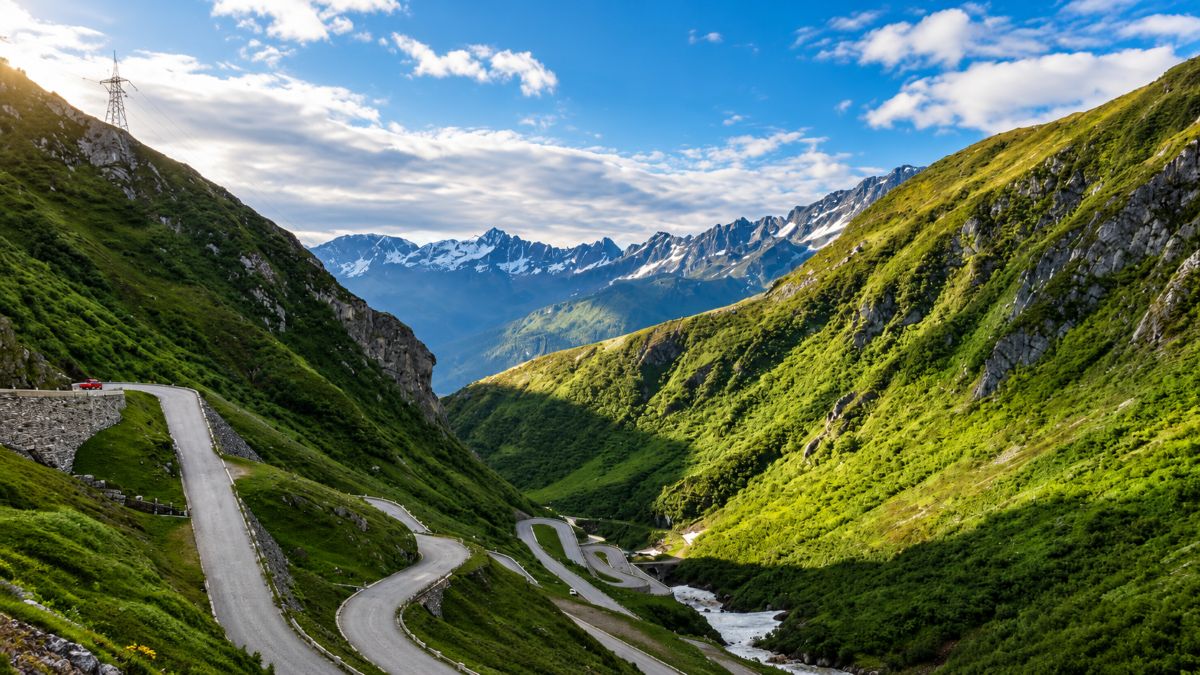
Image Courtesy- My Switzerland
Switzerland is reinforcing its position as a leading European adventure destination as multi-country hiking journeys across the Alps combine demanding mountain trails with distinctive cultural experiences, regional cuisine and time for independent exploration. The latest travel trend is moving beyond conventional sightseeing, with active holidays increasingly allowing travellers to experience landscapes at walking pace while crossing national borders. A structured Alpine itinerary covering Switzerland, Italy and France demonstrates how mountain tourism can connect dramatic scenery with local traditions, food, hospitality and guided outdoor experiences. For travellers seeking a more immersive European holiday, the Alps offer an unusual combination of physical challenge and cultural discovery within a single journey.
The appeal extends beyond experienced mountaineers. Carefully organised hiking programmes can provide route planning, local expertise, transport assistance and alternative trail options, making it possible for travellers with different abilities to participate in the same holiday. However, Alpine walking remains physically demanding, particularly on steep, rocky or slippery terrain at higher elevations. Preparation therefore remains essential. The combination of spectacular mountain scenery, village life, regional food and professionally guided excursions is helping position Alpine hiking as a compelling option for travellers who want their European holiday to be active, social and deeply connected to place.
The Alps have long attracted walkers, climbers and outdoor enthusiasts, but organised multi-country hiking holidays are creating a broader travel proposition. Instead of focusing on one destination, travellers can experience contrasting Alpine environments and cultures within a single itinerary.
Advertisement
Advertisement
A journey through Switzerland, Italy and France can include vineyard paths, mountain passes, flower-filled valleys and high-altitude trails. Towns such as Zermatt, Chamonix, Courmayeur and Aosta add an important urban and cultural dimension, allowing travellers to balance time in the mountains with opportunities for shopping, museums, cafés and local sightseeing.
The structure of these journeys is particularly relevant to modern adventure travellers. Hiking does not necessarily occupy every hour of the day. Many itineraries allow several hours for walking before leaving the remainder of the day for independent activities, relaxation or exploration.
This approach can appeal to travellers who want the security of an organised holiday without losing personal freedom.
Switzerland represents the most demanding and visually dramatic part of the Alpine experience. The Matterhorn region, in particular, demonstrates the physical and emotional intensity associated with high-altitude hiking.
A route towards the Matterhorn basecamp can reach approximately 10,700 feet, making altitude, terrain and weather important considerations. Steep gradients, rocky surfaces and technical sections can require careful movement, while some challenging routes may involve scrambling, ropes or fixed footholds.
Such experiences highlight the difference between ordinary sightseeing and genuine mountain travel. The reward comes not only from reaching a destination but also from experiencing the landscape at close range.
Alpine Destination Travel Experience Key Attraction Zermatt, Switzerland High-altitude mountain adventure Matterhorn scenery Chamonix, France Alpine walking and village exploration Mountain panoramas Courmayeur, Italy Hiking and regional cuisine Italian Alpine culture Aosta, Italy History, food and walking Valley heritage Swiss Alps Challenging guided routes High mountain landscapes
France contributes a different character to the Alpine journey. Chamonix provides a strong base for exploring the surrounding mountain environment while offering access to cafés, shops and other town experiences.
The French section also demonstrates how food can become part of an active travel itinerary. Packed lunches featuring regional cheeses, cured meats and fresh bakery products can transform a simple hiking break into a cultural experience.
This combination of walking and gastronomy is increasingly important for travellers who do not want an adventure holiday to feel disconnected from local life. Food offers a direct way to understand regional identity, while mountain trails provide the physical setting for exploration.
Italy adds another layer to the Alpine experience through its cuisine and distinctive mountain communities. Traditional dishes such as polenta and mushroom-based pasta can provide a strong contrast with the food encountered elsewhere on the route.
The Italian Alps also offer a natural transition between outdoor activity and cultural discovery. Courmayeur and Aosta allow travellers to experience historic settlements and local traditions while remaining close to the mountains.
For travel planners, this combination creates an itinerary with several dimensions. Hiking provides the adventure component, while regional food, architecture and village life broaden the appeal to travellers who value cultural experiences alongside physical activity.
Professional guidance remains one of the most important elements of challenging mountain holidays. Experienced tour leaders can provide information about routes, local customs and practical conditions, while specialist mountain guides can assist during technically demanding sections.
Multiple guides can also allow groups to divide according to walking pace. This can reduce pressure on slower participants while enabling more experienced hikers to maintain a stronger rhythm.
The need for guidance becomes particularly clear at higher elevations and on technical terrain. Travellers should not assume that an organised tour eliminates physical requirements. Hiking ability, appropriate equipment, weather awareness and reasonable preparation remain essential.
Travel advisers should therefore assess clients according to fitness, previous hiking experience and comfort with uneven or steep terrain rather than relying simply on age.
One of the strongest features of this style of adventure holiday is the balance between structured activities and free time. Travellers can participate in scheduled hikes while retaining opportunities to explore independently.
A flexible approach also allows guests to choose restaurants according to dietary preferences and personal budgets. Rather than requiring every meal to be taken as part of the group, some itineraries provide selected breakfasts, lunches and dinners while leaving other meals open.
This model can make an organised adventure holiday feel less restrictive. Travellers can spend an afternoon in a museum, relax at a hotel, visit a café or continue exploring with fellow participants.
The physical demands of mountain hiking should remain central to travel planning. Routes of several miles can include substantial elevation gain, while weather conditions may change rapidly in mountain environments.
Travellers should prepare with suitable footwear, layered clothing, hydration supplies and equipment appropriate to the terrain. Previous hiking experience can also help visitors understand how their bodies respond to prolonged climbs and descents.
Altitude deserves particular attention on higher routes. Travellers should recognise personal limitations and follow guidance from qualified leaders when conditions become difficult.
The most successful Alpine holidays are therefore those where adventure is matched with realistic expectations.
Cross-border Alpine journeys reflect a broader demand for experiential travel. Visitors increasingly want holidays that combine physical activity, local culture, authentic food and meaningful interaction with landscapes.
Switzerland, France and Italy provide particularly strong conditions for this model because their Alpine regions are geographically connected yet culturally distinct. Travellers can experience dramatic changes in cuisine, language, architecture and local traditions without abandoning the central theme of mountain exploration.
For travel advisers, the model also provides an opportunity to move beyond conventional European itineraries. Instead of selling individual city breaks, advisers can create longer journeys built around interests, fitness levels and personal travel goals.
The growing appeal of organised hiking across the Alps demonstrates that adventure travel no longer needs to be defined solely by extreme physical activity. A well-designed itinerary can combine demanding trails with comfortable accommodation, regional dining, independent time and cultural discovery.
Switzerland remains a powerful centrepiece because of its iconic mountain scenery and challenging terrain, while France and Italy broaden the experience through food, heritage and contrasting Alpine communities.
For travellers prepared for the physical demands, this approach offers more than impressive views. It provides an opportunity to experience the Alps through movement, cuisine and local culture, creating a European journey that is both active and deeply immersive.
1. Why is Alpine hiking becoming popular with travellers?
Alpine hiking combines outdoor adventure with scenery, regional cuisine, cultural experiences and opportunities to explore mountain communities.
2. Which countries can be combined in an Alpine hiking holiday?
Switzerland, France and Italy are particularly well suited to multi-country Alpine itineraries because their mountain regions are connected geographically and offer distinct cultural experiences.
3. Is Alpine hiking suitable for beginners?
Some routes can be suitable for less experienced walkers, but challenging Alpine trails require appropriate fitness, preparation and guidance.
4. How difficult are Matterhorn area hikes?
Some routes towards the Matterhorn can be physically demanding, with steep terrain, high elevation and technically challenging sections.
5. What should travellers consider before booking an Alpine hiking tour?
Travellers should consider fitness, previous hiking experience, altitude, terrain, weather conditions and the level of professional support included.
6. Can travellers enjoy free time on organised hiking holidays?
Yes. Many structured itineraries include periods for independent sightseeing, dining, shopping, relaxation and exploring local towns.
7. What food can travellers experience in the Alps?
Regional experiences can include Swiss fondue and potatoes, Italian polenta and mushroom dishes, and French cheeses, bakery products and cured meats.
8. Why are local guides important during mountain trips?
Local guides provide route knowledge, practical advice and assistance on difficult terrain while helping travellers understand the surrounding environment and culture.
9. Are Alpine hiking holidays only for young travellers?
No. Physical ability and hiking experience are more important than age. Travellers should choose routes appropriate to their fitness and experience.
10. What makes a three-country Alpine journey different from a normal European holiday?
It combines mountain activity with cross-border cultural discovery, allowing travellers to experience different landscapes, cuisines and traditions during one connected journey.
Advertisement
Advertisement
Advertisement












Saturday, September 5, 2026
Saturday, September 5, 2026
Saturday, September 5, 2026
Saturday, September 5, 2026
Saturday, September 5, 2026
Saturday, September 5, 2026
Saturday, September 5, 2026
Saturday, September 5, 2026



