Angana Dutta Angana Dutta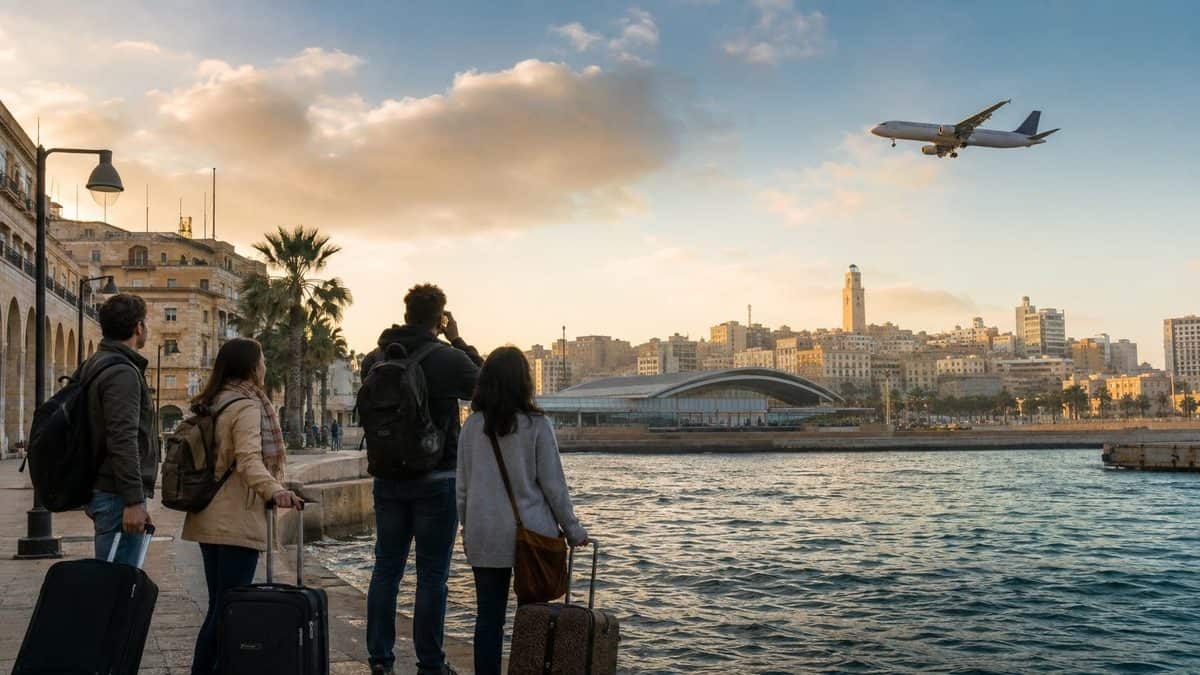
Image generated with Ai
While Libya’s recovery in tourism and slower international growth is still dependent on the acquisition of insurance and the growth of international confidence, the country is seeing the return of airlines. Libyan Express will be starting flights from Tripoli to Malta, Rome, and Milan on September 6, 2026, with other airlines also beginning to restore some of the connections in Europe. However, the leisure demand that had been built is still stunted because of the restrictions on EU aviation as well as government travel warnings. Though the current situation is frustrating and has no immediate benefits for hotels and attractions, Libya does benefit in the long-term if they get sustainable inbound tourism that includes safety, service, and insurance.
The planned connections with Malta, Rome and Milan are important for Libya tourism recovery. They could make journeys shorter and reduce dependence on connecting airports in Tunisia and Türkiye.
Advertisement
However, air access is only one part of the visitor journey. A foreign tourist must also be able to obtain insurance, enter the country smoothly, travel safely, pay for services and receive assistance if something goes wrong.
Those conditions do not yet align consistently. Libya therefore faces a widening gap between improving aviation access and the practical confidence required to turn airline seats into international holidays.
Advertisement
Advertisement
The new flights may initially serve several markets:
This distinction matters. A successful international route does not automatically demonstrate a recovery in inbound leisure tourism.
Libyan Express has announced plans to connect Tripoli with Malta, Rome and Milan from 6 September 2026. The airline has associated the expansion with Aeroitalia and 4Airways.
The partnerships are particularly important because they may determine the actual operating structure. Published information has not yet established which company will operate each flight, which aircraft will be used or which airports will handle the Rome and Milan services.
Advertisement
Advertisement
Travellers and travel agents still need several details:Required information Current position Proposed destinations Malta, Rome and Milan Announced starting date 6 September 2026 Libyan departure point Tripoli Named partners Aeroitalia and 4Airways Frequencies Not officially confirmed Flight numbers Not officially confirmed Rome airport Not specified Milan airport Not specified Operating carrier for each route Not confirmed Published introductory fares Not verified Aircraft types Not confirmed
The absence of these details does not invalidate the announcement. It means the development should be reported as a planned route expansion, not as an established tourism network already carrying visitors.
Passengers should wait for bookable schedules and clear operating-carrier information before arranging non-refundable hotels, tours or ground transport.
Libya’s aviation position remains complicated. The European Commission’s 48th update of the EU Air Safety List, published in June 2026, continues to cover airlines certified by the authorities responsible for aviation oversight in Libya.
This means a Libya-certified airline cannot simply operate its own aircraft into the European Union while the restriction remains in place. The European framework can, however, allow an affected airline to use aircraft and personnel from an eligible carrier through an approved wet-lease arrangement, provided the required standards and permissions are met.
That makes the identity of the operating airline essential. The company selling a ticket may not be the company providing the aircraft and crew.
European passenger rules require customers to be informed about the airline that will operate their journey. If that operator changes, passengers must receive updated information.
For travel agencies, this creates a responsibility to check the complete itinerary. Marketing the service only under the Libyan Express name could leave customers without a clear understanding of the arrangement.
Travel insurance could prove more important to Libya tourism recovery than another route announcement. Visitors need cover for medical emergencies, cancellation, lost baggage, emergency evacuation and unexpected disruption.
A policy may exclude claims arising in a destination covered by an official warning. Some policies may become invalid if the traveller visits an area against government advice.
The United Kingdom’s current official Libya travel advice warns against all travel to parts of the country and against all but essential travel to other areas. It explicitly cautions that travelling against official advice could invalidate insurance.
Other national governments maintain their own advisories. The wording, geographic coverage and severity can vary, meaning visitors must check the guidance issued by their country of residence.
This creates a direct commercial problem. A traveller may find an available flight but still be unable to purchase suitable cover.
Tour operators also face exposure. They need dependable insurance, duty-of-care procedures, local emergency support and clear cancellation plans before selling a destination at scale.
Hotels can open rooms. Airlines can add capacity. Heritage sites can prepare guides. Yet international leisure demand will remain limited if travellers cannot protect the financial and medical risks attached to the journey.
Confidence is not a single measure. It develops from the entire travel system.
Potential visitors consider airport reliability, road conditions, payment methods, medical care and the availability of trusted local operators. They also look for clear entry rules and dependable communication if conditions change.
For Libya, the key confidence requirements include:
A weakness in one area can affect the whole booking decision. Travellers may abandon a trip even after finding a suitable flight if they cannot verify accommodation, insurance or safe ground transport.
This is why aviation growth and tourism growth must be measured separately. Additional flights show improved connectivity, while verified visitor arrivals, hotel nights and tourism spending demonstrate tourism performance.
Libya has the cultural and natural assets required to support a distinctive tourism economy. Its appeal includes Mediterranean archaeology, Islamic heritage, historic urban centres, desert landscapes and traditional communities.
The country has five properties on the UNESCO World Heritage List:
These sites provide a foundation for archaeology, education and specialist cultural travel. Leptis Magna and Sabratha could appeal to visitors interested in the Roman Mediterranean, while Cyrene represents an important Greek and Roman historical landscape.
Ghadamès offers a different experience. Its traditional architecture and desert setting could support heritage-led community tourism when operating conditions allow.
Tadrart Acacus adds prehistoric rock art and Saharan landscapes to Libya’s tourism potential. Its remote location, however, makes security, conservation, transport and trained guiding especially important.
UNESCO continues to list Libya’s five properties as World Heritage in Danger. That status does not mean every site is inaccessible or presently damaged, but it shows the seriousness of the conservation and management pressures surrounding them.
Libya has long recognised tourism as a possible source of employment, investment and economic diversification. Its challenge has been turning policy ambition into a stable visitor economy.
The country’s official tourism strategy document identifies both short-term and long-term objectives. These include improving Libya’s international image, developing domestic tourism and increasing the sector’s economic and social contribution.
The strategy also identifies several practical priorities:
These objectives remain relevant because the barriers facing Libya are interconnected. Tourism development requires action across aviation, local government, heritage protection, security, transport, telecommunications and financial services.
A tourism ministry cannot resolve each constraint independently. Progress depends on coordination between public authorities, airlines, airports, private investors and local communities.
Libyan government discussions in 2026 have included plans to activate domestic tourism, rehabilitate visitor sites, improve accommodation projects and strengthen infrastructure. Festivals and cultural events have also appeared within the policy agenda.
This domestic focus is logical. Local tourism can create demand without depending entirely on international travel advisories or foreign insurance markets.
Domestic visitors can support:
A stronger domestic base can help businesses build experience and improve service standards. It can also protect tourism enterprises when international demand remains weak.
Domestic tourism should not, however, be presented as a substitute for international recovery. The two markets have different spending patterns, distribution systems and operational requirements.
Recent consolidated official data covering Libya’s international visitor arrivals, tourism receipts, hotel occupancy and tourism employment could not be verified in a sufficiently complete form for a current year-on-year assessment.
This statistical gap is itself significant. Airlines, hotel investors and tour operators need consistent data before committing money or capacity.
A credible tourism recovery dashboard should publish:Indicator Why it matters International arrivals Shows the scale of inbound demand Purpose of visit Separates holidays from business and family travel Average length of stay Measures destination engagement Hotel occupancy Shows accommodation demand Average visitor spending Indicates economic value Tourism employment Tracks local economic impact Air passenger numbers Measures connectivity and total movement Source markets Guides marketing and route decisions Heritage-site attendance Measures cultural tourism demand Domestic tourism trips Shows the strength of the local market
Without these indicators, route announcements can easily be mistaken for wider tourism performance. Increased passenger traffic may be driven by outbound travel rather than foreign arrivals.
The safest editorial position is that Libya is rebuilding access, while evidence of a broad international tourism recovery remains incomplete.
Improved connectivity is positive for accommodation providers in Tripoli and other commercial centres. Business travellers may produce the first dependable demand because their journeys are linked to specific projects, meetings and operational requirements.
Leisure hotels face a different challenge. International holiday demand is more sensitive to advisories, insurance exclusions and the availability of package tours.
Hotels seeking overseas customers need more than online visibility. They must provide clear booking terms, accepted payment methods, airport transfers and reliable communication.
International travel organisers may also ask for fire standards, security procedures, emergency contacts and evidence of appropriate licensing. These requirements are normal parts of tour-operation risk assessment.
A tour operator selling Libya assumes responsibilities that an independent traveller may handle personally. These can include transport, accommodation, guides, site access and emergency assistance.
Operators need current destination knowledge. They must also assess whether their insurance covers the proposed itinerary.
The absence of a mature international distribution network makes organised tourism harder to scale. Overseas agents may be unwilling to sell Libya until recognised local partners, contractual safeguards and emergency procedures are widely available.
Specialist travel could return before mass tourism. Archaeology groups, academic visitors, professional delegations and experienced travellers may accept more complex arrangements than conventional holidaymakers.
Even these segments require clear safeguards. Specialist interest does not remove the need for insurance, regulatory compliance or responsible destination management.
The expanding network may deliver immediate value to airlines by serving existing travel demand. Family, corporate, medical and educational passengers do not depend on Libya being marketed as a mainstream holiday destination.
That creates a possible imbalance. Airlines and airports may record growing passenger activity while leisure hotels and tour operators experience only limited gains.
Rome can provide connections across Italy and wider European networks. Milan offers access to northern Italy’s commercial economy, while Malta provides a geographically close Mediterranean link.
The network’s tourism contribution will depend on whether seats are sold in both directions. Strong outbound demand alone will not fill Libyan hotels or generate admissions at heritage sites.
Where international visitors do travel, local economic benefits depend on how much they purchase inside Libya. Accommodation, food, guiding, transport and crafts can distribute visitor spending across communities.
Small enterprises are especially important in heritage destinations. They can provide walking tours, traditional food, locally made products and specialist interpretation.
Growth must protect the assets attracting visitors. Uncontrolled development near archaeological sites can undermine cultural value, while poorly managed desert tourism can damage fragile environments.
Libya’s official strategy recognises both heritage conservation and environmental responsibility. Applying those principles will be essential if access improves.
Travellers need official entry information that is current, multilingual and easy to understand. Uncertainty can prevent a booking before insurance or flight availability is considered.
Visitors should establish:
Rules can change. Travellers should verify them with an appropriate Libyan diplomatic mission before departure rather than relying on social media or an old travel guide.
British guidance states that short-stay visitors must register with the police within one week of arrival. It says the inviting company or local travel agency will usually arrange this process.
The official policy direction supports infrastructure, investment, training and heritage protection. Scaling international tourism will require measurable delivery across those areas.
The next credible signs of progress would include:
None of these steps can be replaced by promotional language. Travellers and travel companies make decisions using verifiable conditions.
Libya’s published tourism policy supports investment, employment, heritage conservation, domestic tourism and improved services. The 2026 government agenda has also highlighted site rehabilitation, accommodation and infrastructure.
The announced European routes fit that wider direction by improving physical access. They could support corporate mobility and reconnect families while opening a limited channel for international visitors.
The future outlook remains conditional rather than negative. Libya possesses major tourism assets and a strategic Mediterranean location, but official plans must produce practical improvements that travellers can verify.
The clearest evidence will come from operated flights, insurable itineraries, safer assessments, reliable visitor services and published tourism results. Until then, Libya tourism recovery should be described as an access-led reopening process rather than a completed visitor revival.
Travel remains possible in certain circumstances, but official warnings differ by nationality and location. Visitors should examine their government’s latest advice, confirm entry requirements and obtain insurance that explicitly covers the complete itinerary before booking.
The announcement names Aeroitalia and 4Airways as partners, but complete operating details have not been published. Passengers should verify the actual operating carrier, aircraft provider, airport, flight number and baggage conditions before purchasing non-refundable services.
No. A visa only provides immigration permission. Insurance depends on the policy terms, government travel advice, destination coverage and planned activities. Travellers should obtain written confirmation from their insurer instead of assuming that standard worldwide cover includes Libya.
Now, Libya has a chance to reconnect to European markets, but more flights won’t be enough to fix the visitor economy. Libya wants to attract visitors by having insurance, clear operating agreements, reliable entry systems, and trustworthy services. The government recognizes that they must invest in infrastructure, protect heritage, and build skills. These plans will show results when visitors can see the progress that has been made. Airlines will be the first to profit from business, medical, and family travel. There can be a big demand for travel once visitors can buy a safe trip with insurance. There are lots of places in Libya that tourists want to visit, but there is no complete system to trust for the visitors.
Advertisement
Advertisement
Advertisement













Friday, September 4, 2026

Friday, September 4, 2026

Saturday, September 5, 2026

Friday, September 4, 2026

Thursday, September 3, 2026

Wednesday, September 2, 2026

Friday, September 4, 2026