

Türkiye Partners With Italy To Illuminate Forgotten Heritage And Forge New Frontiers In Cultural Tourism

Published
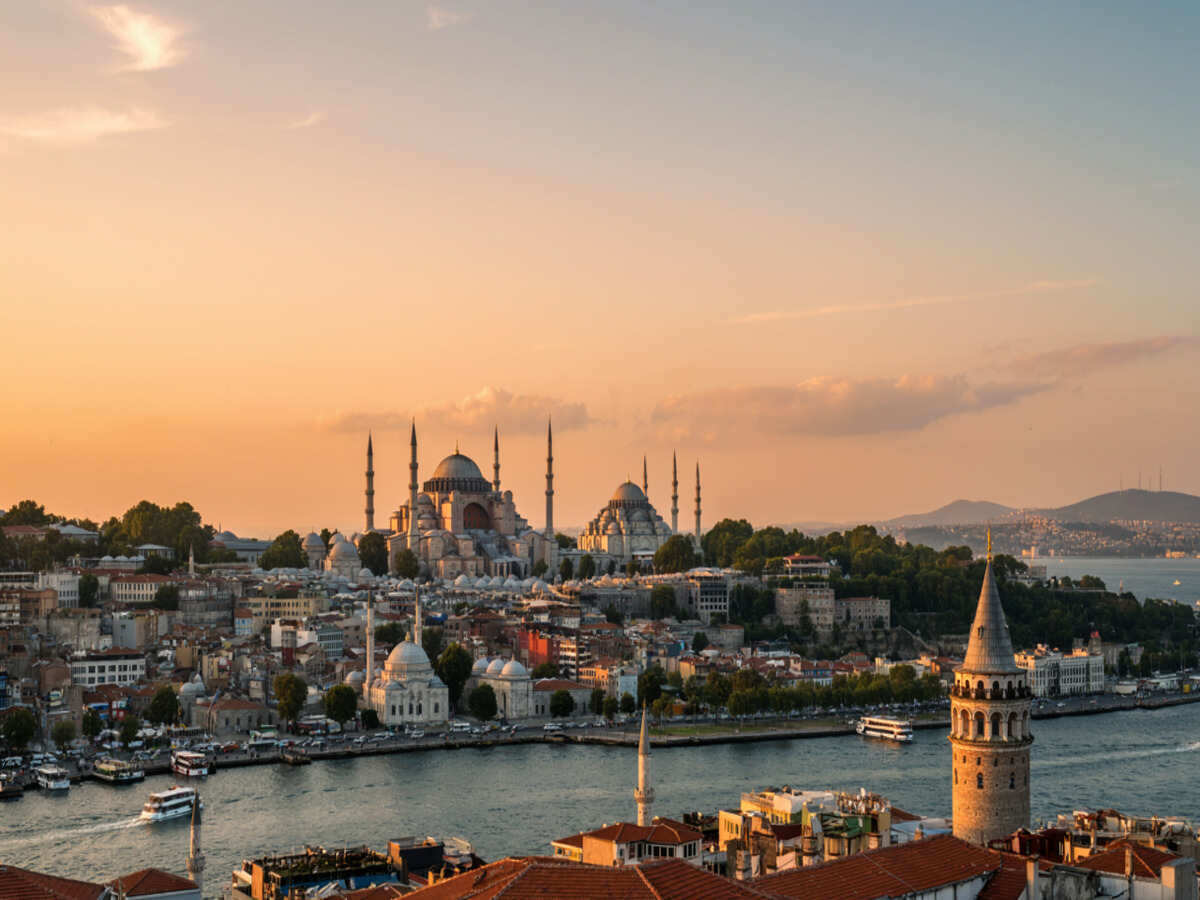
Türkiye and Italy combine efforts to enhance cultural tourism via ancient civilizations and archaeology. Türkiye and Italy have decided to develop their centuries-long cooperation in order to launch a unique cultural tourism project dedicated to ancient civilizations and archaeology. While celebrating 170 years of diplomatic relations between Turkey and Italy in 2026, the two countries will take a new step in their collaboration. From the ruins of Troy to the ancient town of Hierapolis, the cooperation highlights the historical heritage of the countries. With 15 archeological missions, large-scale museum exhibits and an itinerary dedicated to the Italian heritage in Istanbul, the two Mediterranean countries plan to conserve the cultural heritage.
A Historic Mediterranean Alliance Opens New Horizons for Cultural Tourism
Türkiye and Italy share a relationship shaped by centuries of trade, artistic exchange and cultural interaction. Their formal diplomatic relations began in 1856, making 2026 an important anniversary year.
However, their historical connections stretch much further into the past. Ancient Anatolia, the Roman Empire and the Ottoman period all contributed to the cultural links between the two nations.
Italian Culture Minister Alessandro Giuli has highlighted the importance of this shared legacy. He views culture as an essential instrument for strengthening international relationships.
Advertisement
Advertisement
The partnership aims to encourage archaeological research, protect historical monuments and promote greater understanding of Mediterranean civilisations.
For tourism, these initiatives could introduce travellers to historical experiences that extend beyond conventional sightseeing attractions.
Advertisement
Advertisement
Fifteen Archaeological Missions Reveal Türkiye’s Extraordinary Ancient Heritage
One of the most significant elements of the partnership is Italy’s participation in 15 archaeological missions across Türkiye.
Four of these missions involve UNESCO heritage sites, reflecting the international importance of the country’s historical landscape.
Italian universities and research institutions collaborate with Turkish specialists to investigate ancient settlements, preserve archaeological remains and study civilisations that once flourished across Anatolia.
Research locations include Hierapolis, Karkamış, Kültepe, Hattuşa, Uşaklı Höyük and Türkmen-Karahöyük.
Other documented projects involve Tripolis, Mersin-Yumuktepe, Kınık Höyük, Pompeiopolis and Misis.
These investigations contribute to historical knowledge and conservation expertise.
Advertisement
Advertisement
They may also strengthen heritage tourism by increasing awareness of archaeological destinations that receive less international attention than Türkiye’s established holiday centres.
Hierapolis Takes Centre Stage in a Landmark Archaeological Gathering
The ancient city of Hierapolis has become a central symbol of Italian-Turkish archaeological cooperation.
Located in Denizli Province, the historic settlement is famous for its Roman theatre, ancient streets, monumental structures and proximity to Pamukkale’s remarkable white terraces.
Archaeological research at Hierapolis has continued since 1957.
The city is hosting the 17th Archaeology Symposium on 13 and 14 October 2026.
The opening ceremony is scheduled for the ancient theatre, while academic sessions will take place at Pamukkale University.
Advertisement
Advertisement
Italian Culture Minister Alessandro Giuli and Turkish Culture and Tourism Minister Mehmet Nuri Ersoy are expected to participate.
The event brings together researchers to discuss discoveries, conservation methods and ongoing archaeological projects.
Admission is free, with simultaneous interpretation available.
Rome’s Troy Exhibition Celebrates an Epic Connection Between Civilisations
Another major highlight is the exhibition Troy and Rome: Myths, Legends and Stories of the Ancient Mediterranean.
Hosted at the Colosseum, the exhibition runs from 12 June to 18 October 2026.
It explores the historical and mythological relationship between ancient Troy and Rome.
Advertisement
Advertisement
According to official exhibition information, the collection features more than 300 artefacts, including over 220 objects loaned from 19 Turkish museums.
Around 50 works are being presented to Italian audiences for the first time.
The exhibition examines the Trojan War, the legendary journey of Aeneas and Rome’s founding traditions.
Giuli has reported that the exhibition welcomed more than two million visitors.
The figure illustrates considerable public interest, although it does not establish how many people travelled specifically for the exhibition.
Istanbul’s Italian Legacy Could Inspire a Fascinating New Tourism Experience
Istanbul is another important destination within the expanding cultural partnership.
Advertisement
Advertisement
Italian officials have outlined plans to present a heritage itinerary highlighting Italian artistic, architectural and historical contributions to the city.
For centuries, Italian merchants, architects, musicians, artists and entrepreneurs participated in Istanbul’s commercial and cultural development.
Their influence became particularly significant during the Ottoman period.
The proposed itinerary would help visitors explore this lesser-known dimension of the city’s history.
It could complement Istanbul’s famous attractions by drawing attention to historic neighbourhoods, architecture and artistic connections.
However, the route’s official launch date, individual stops and visitor arrangements have not yet been confirmed.
Advertisement
Advertisement
İzmir’s Levantine Heritage Adds Another Dimension to Mediterranean Tourism
The cultural relationship also extends to İzmir, where Levantine communities played an important historical role.
Italian families and merchants contributed to the city’s commercial activity, architectural character and cultural exchanges.
These communities helped connect Ottoman port cities with European trading networks.
Their influence remains an important part of İzmir’s historical identity.
For heritage tourism, this legacy offers opportunities to explore architecture, urban history and the movement of people across the Mediterranean.
The story also demonstrates that relations between Türkiye and Italy developed through everyday commercial and social interaction, not simply government agreements.
Advertisement
Advertisement
Such historical connections provide valuable material for museums, walking tours and educational experiences.
Three Cultural Agreements Establish a Strong Foundation for Cooperation
The current initiatives build upon three cultural agreements signed during the Türkiye–Italy bilateral summit in Rome on 29 April 2025.
The agreements cover the protection of cultural property, cooperation between museums and archaeological institutions, and collaboration involving historical archives.
One major priority is preventing the illegal trafficking of antiquities.
Both countries also seek to improve conservation practices and facilitate the lawful return of cultural objects.
Museum cooperation includes institutional links involving the Colosseum Archaeological Park and important Turkish museums.
Advertisement
Advertisement
These arrangements provide a practical foundation for exhibitions, research and knowledge exchange.
They also demonstrate that the partnership extends beyond anniversary celebrations into long-term cultural heritage management.
Elaiussa Sebaste Emerges as Another Focus of Archaeological Preservation
The ancient settlement of Elaiussa Sebaste is another important part of the cooperation.
Located in Mersin Province, the archaeological site preserves evidence of Roman and Byzantine history.
In June 2026, Italian and Turkish cultural authorities discussed strengthening joint conservation work at the settlement.
The initiative involves Italy’s Central Institute of Archaeology and Turkish partners.
Advertisement
Advertisement
Its purpose is to support research, conservation and the responsible presentation of archaeological heritage.
Although the project does not establish an immediate rise in tourism, it could contribute to the long-term appeal of southern Türkiye’s lesser-known historical destinations.
The initiative also reinforces the importance of protecting archaeological sites before expanding visitor activities.
Pietro Canonica’s Artistic Legacy Reflects a Lasting Historical Connection
The partnership also celebrates artistic exchanges from the early years of the Turkish Republic.
Italian sculptor Pietro Canonica contributed to the country’s emerging public artistic identity after receiving an invitation from Mustafa Kemal Atatürk.
His work became part of the visual representation of the new republic.
Advertisement
Advertisement
This historical relationship demonstrates how Italian cultural influence continued beyond the Ottoman era.
It also connects artistic heritage with the broader story of modern Türkiye.
For visitors interested in history, sculpture and architecture, such connections offer a different perspective on the country’s cultural development.
They reveal how international artistic relationships helped shape public spaces and national identity.
A Wider Cultural Vision Could Enrich Mediterranean Travel Experiences
The partnership combines archaeological research, museum collaboration, historical preservation and cultural diplomacy.
Its geographical reach includes Istanbul, İzmir, Hierapolis, Troy, Mersin and Rome.
Advertisement
Advertisement
Each destination contributes a different chapter to the Mediterranean story.
Ancient ruins reveal the region’s early civilisations. Museums connect artefacts with historical narratives. Architectural heritage illustrates centuries of migration and exchange.
Together, these initiatives could encourage more specialised cultural travel, educational visits and interest in lesser-known destinations.
However, there is no confirmed evidence that the cooperation has already increased international tourist arrivals, hotel bookings or tourism expenditure.
Its immediate achievements lie in research, conservation and public engagement with shared heritage.
Türkiye and Italy Look Towards a Promising Future for Heritage Tourism
The country collaborates with Italy to enhance cultural tourism via ancient marvels and excavations.
Türkiye’s growing cultural cooperation with Italy in view of the 170th anniversary of establishing diplomatic relations provides a great example of how history can unite modern travel destinations. This is proved by fifteen archaeological expeditions, the Hierapolis congress, the Troy exposition, as well as possible heritage trips around Istanbul. In addition, the cooperation pays more attention to the protection of antiquities, museums and ancient towns. Although its economic effects on tourism have not yet been estimated, the cooperation initiatives can bring additional value to tourism experiences in both countries. Through the link between excavations and cultures, Türkiye and Italy create opportunities for tourists to learn about the amazing past of the Mediterranean.
Advertisement
