
Spain Follows Italy And Many Others European Destinations Raise Visitor Fees As Exploding Tourism Demand Creates New Financial Challenges

Published
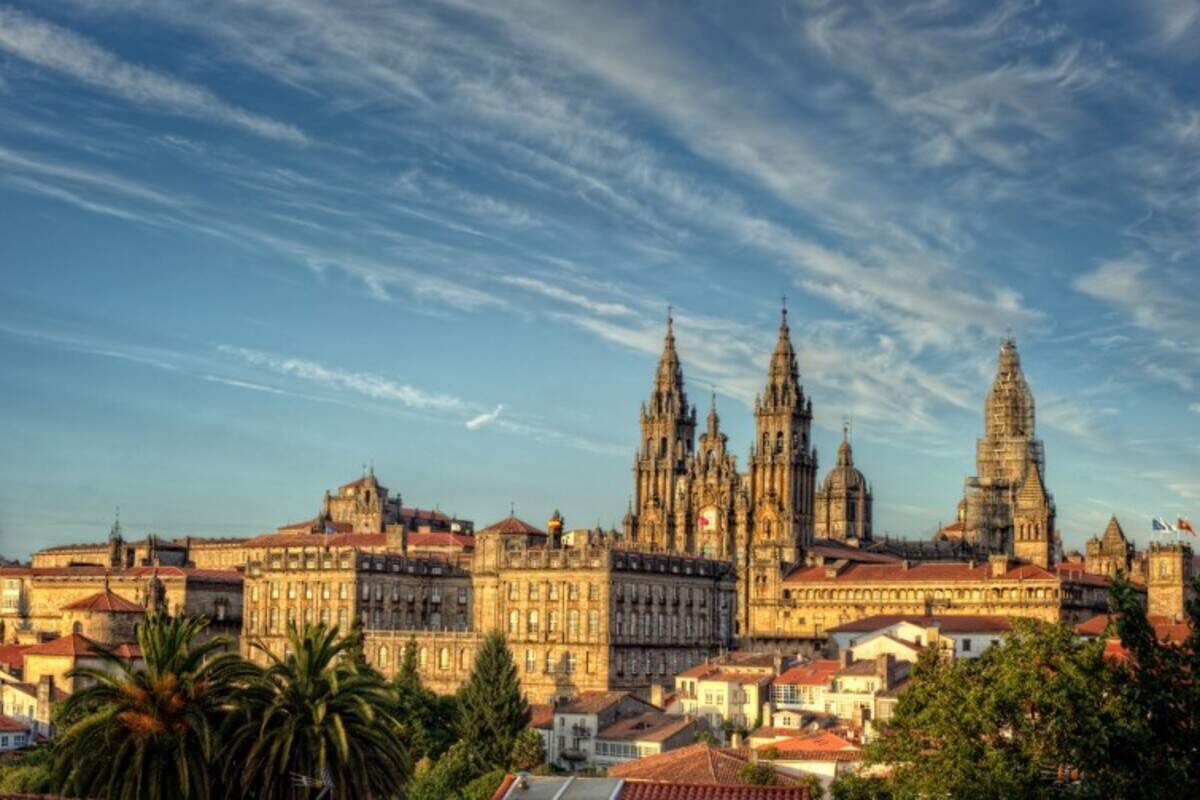
Spain and Italy are following the lead of many other European nations in imposing or raising travel taxes. The new taxes mean the already record-high levels of tourism will cost travelers even more. Managing tourism is important to protect and preserve the places and things that make a community unique, and to provide adequate facilities for the community, but many communities are charging tourist fees to facilitate a more sustainable model for tourism rather than providing the means to sustain the community. The rapid increase in international travel that coincided with the end of the pandemic created record-breaking tourism and a host of new challenges for tourism management.
The rapid growth in global tourism has created new financial challenges for destinations. While millions of visitors bring economic benefits, cities are facing rising costs linked to infrastructure maintenance, environmental protection, public services and overcrowding management. Tourism taxes have emerged as a growing solution, offering governments a reliable income stream while encouraging a shift towards more sustainable tourism models.
Advertisement
Advertisement
However, the impact of these charges remains debated. Higher tourism taxes can provide additional funding for local projects, but evidence from several destinations shows they do not always reduce visitor numbers or solve overcrowding challenges.
Global Tourism Recovery Drives New Wave Of Visitor Charges
International travel demand has surged significantly since the COVID-19 pandemic, pushing many destinations towards new financial strategies. Global international overnight tourist arrivals reached approximately 1.54 billion last year, highlighting the scale of the recovery and the increasing pressure placed on major destinations.
Advertisement
Advertisement
Countries including Japan, Spain, Italy, France, Greece, Malta and the Maldives are among those expanding tourism taxation systems. These measures include hotel taxes, visitor entry fees, departure charges and other tourism-related contributions.
France and Italy already generate more than €1 billion annually through tourism-related taxes, while Greece has experienced a major increase in tourism tax income. The growth of these revenues reflects the expanding importance of tourism as an economic sector and the need for governments to fund services supporting both visitors and residents.
Advertisement
Advertisement
The United Kingdom has also moved towards greater flexibility by allowing local authorities to introduce tourism-related charges in certain areas, creating a new funding opportunity for destinations facing increasing visitor demand.
Barcelona Uses Tourism Tax To Support Local Communities
Barcelona has become one of Europe’s most prominent examples of increasing tourism charges. The Spanish city now applies one of the continent’s highest tourism tax rates, with visitors paying up to €12 per person per night depending on accommodation type.
The revenue generated through the levy is being directed towards projects designed to improve urban living conditions. These initiatives include measures supporting public facilities and helping communities manage challenges linked to climate conditions and increasing visitor numbers.
The city’s approach reflects a broader shift from traditional tourism growth strategies focused mainly on increasing arrivals towards a model that prioritises visitor value, community benefits and long-term sustainability.
Despite higher charges, Barcelona continues to attract millions of travellers. The tourism tax has helped generate additional funding but has not completely solved congestion problems in some of the city’s most popular areas.
Venice Shows Tourism Taxes Alone Cannot Stop Overtourism
Italy’s Venice has become another major destination experimenting with tourism charges. The city introduced a tax system for overnight visitors more than a decade ago and later added an entry fee for day visitors in an effort to manage overcrowding.
Advertisement
Advertisement
The day-trip visitor fee currently ranges between €5 and €10, with authorities considering further increases that could raise the charge significantly in the future.
Despite these measures, Venice continues to experience high visitor numbers. The example demonstrates the difficulty many destinations face when trying to balance tourism income with crowd management.
Many visitors to historic cities are day travellers who contribute less directly to local businesses compared with overnight tourists. As a result, some tourism experts argue that taxation systems focused mainly on accommodation may not effectively target the groups creating the highest pressure on popular attractions.
Japan Expands Tourism Taxes As Visitor Numbers Reach New Highs
Japan has significantly increased tourism-related charges as international arrivals continue to grow. Kyoto, one of the country’s most visited cultural destinations, raised its maximum accommodation tax substantially, with some visitors now paying up to 10,000 yen per night.
The national departure tax for international travellers has also increased, rising from 1,000 yen to 3,000 yen.
Japan welcomed around 43 million international visitors last year, a dramatic increase compared with approximately 7 million visitors recorded in 2005. Kyoto alone recorded millions of overseas visitors, creating additional pressure on transport systems, historic sites and central districts.
Advertisement
Advertisement
The additional tourism revenue is being used to improve tourism infrastructure and encourage visitors to explore regions beyond the country’s most popular destinations such as Tokyo, Kyoto and Osaka.
Funds are also supporting wider public management initiatives, demonstrating how tourism-related revenue can contribute to projects beyond traditional travel infrastructure.
Amsterdam Targets Visitor Numbers Through Higher Accommodation Charges
Amsterdam is another European city increasing tourism taxes as it attempts to manage visitor growth. The Dutch capital currently applies a tourism tax linked to accommodation costs, with rates among the highest in Europe.
The city plans further increases as part of a strategy aimed at maintaining visitor numbers below a specific annual limit while reducing pressure on local communities.
Authorities hope higher costs will encourage more responsible tourism behaviour and provide additional funding for city services. However, concerns remain that increasing taxes could affect travellers who contribute significantly to local economies through longer stays and higher spending.
Tourism Industry Warns Of Economic Impact From Higher Taxes
While governments view tourism taxes as a valuable financial tool, the travel and hospitality industries have raised concerns about possible economic consequences.
Advertisement
Advertisement
Some analysts argue that accommodation-based taxes may place greater pressure on overnight visitors, who often spend more money in restaurants, shops and attractions than short-term visitors. This creates a situation where some of the most economically valuable travellers face the highest additional costs.
The hotel sector has also highlighted that businesses may absorb part of increased tourism taxes to remain competitive. Accommodation providers often avoid immediately transferring the full cost to customers, meaning profitability can decline before prices are adjusted.
Industry research suggests that tourism tax increases can take time to appear fully in room prices, creating temporary financial pressure for hotels and accommodation businesses.
Finding Balance Between Revenue And Sustainable Tourism Growth
Tourism taxes are becoming a major policy tool for destinations worldwide as governments search for ways to manage the consequences of record visitor numbers.
These charges can provide important funding for infrastructure, environmental protection and community projects. However, they are not a complete solution for overcrowding, and poorly designed tax systems could create challenges for tourism businesses and travellers.
The future of tourism taxation will likely depend on finding a balance between generating public revenue, protecting local communities and maintaining destinations’ competitiveness.
Advertisement
Advertisement
As international travel continues to expand, cities and countries will need to carefully design tourism policies that support sustainable growth without placing excessive pressure on visitors or the tourism economy.
Advertisement
