
IndiGo Fuel Price Put Millions of Travellers in Shock Airfare Blow as Asian Airlines Trigger Massive Hikes

Published
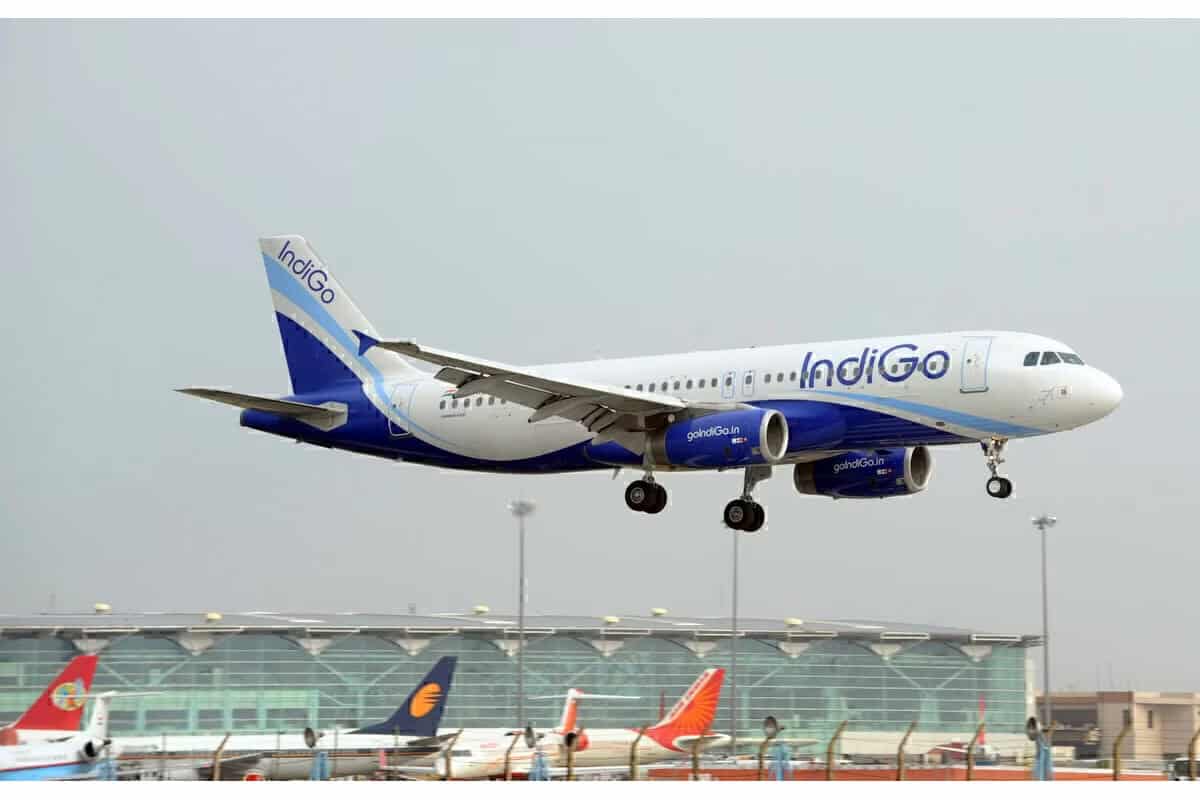
The severe Asian Jet Fuel Price Impact is triggering an unprecedented squeeze on regional aviation, forcing major carriers to levy steep fuel surcharges on passenger fares this October 2026. Global energy market volatility and elevated refining margins have driven jet fuel prices beyond historic thresholds, accounting for up to forty per cent of airline operating expenses. Consequently, air travellers across South, Southeast, and East Asia face immediate ticket price hikes on key international and domestic routes. This economic pressure threatens regional tourism momentum, dampens commercial transit, and poses severe challenges for aviation sector growth across the entire Asian continent today.
Historical Context and Background of Jet Fuel Volatility in Asian Aviation
The Post-Pandemic Energy Landscape and Cracking Margin Surges
The Asian commercial aviation sector has navigated a turbulent macroeconomic environment over the past several years, but October 2026 marks one of the most acute cost crunches in recent history. Jet fuel—specifically Jet A-1 kerosene—is the lifeblood of airline operations. However, unlike crude oil, jet fuel pricing is governed heavily by regional refining capacity, middle distillate demand, and localized refining crack spreads (the price differential between crude oil and refined products).
During the post-pandemic recovery phase between 2022 and 2025, Asian carriers experienced rapid passenger traffic rehabilitation. However, refining bottlenecks across key regional processing hubs, including Singapore, South Korea, and India, created structural supply tightness. By early 2026, geopolitical friction in key energy-producing regions, alongside shifts in international trade routes and supply chain realignments, exacerbated middle distillate shortages. The resulting surge in aviation turbine fuel costs outpaced general inflation, leaving commercial airlines vulnerable to rapid margin erosion.
┌────────────────────────────────────────────────────────────────────────┐
│             ASIAN AIRLINE OPERATIONAL EXPENSE STRUCTURE               │
├────────────────────────────────────────────────────────────────────────┤
│ Fuel Expenditures (Jet A-1): 35% – 42%                    │
│ Flight & Cabin Crew Operations: 18% – 22%                              │
│ Aircraft Leasing & Depreciation: 14% – 17%                            │
│ Airport Landing, Navigation & Ground Handling: 12% – 15%              │
│ Engineering, Maintenance & Fleet Servicing: 8% – 10%                  │
└────────────────────────────────────────────────────────────────────────┘
Aircraft Cost Structures: Fuel as the Dominant Operational Expenditure
For commercial airlines across the Asia-Pacific region, jet fuel represents the single largest variable cost component. In standard market conditions, fuel accounts for approximately 25 to 30 per cent of an airline’s total operational costs. However, during periods of heightened energy prices—such as the environment witnessed in October 2026—aviation turbine fuel costs can spike to between 35 and 42 per cent of total operating expenditure.
Advertisement
Advertisement
Because low-cost carriers (LCCs) operate on thin profit margins and lean overhead structures, they are disproportionately affected by energy price shocks. Full-service network carriers (FSCs) possess greater flexibility through long-haul premium cabin revenue and global cargo operations, yet they remain highly sensitive to fuel price movements. When fuel prices escalate rapidly within short timeframes, airlines cannot absorb the financial impact without adjusting passenger airfares or reintroducing variable fuel surcharges.
Latest Official Developments in October 2026 Fuel Pricing
IATA and S&P Global Platts Benchmark Data for Asia-Pacific
Official statistical tracking from the International Air Transport Association (IATA), utilizing data compiled by S&P Global Commodity Insights (Platts), confirms a sharp, sustained elevation in regional jet fuel prices leading into October 2026. The global average jet fuel price metric stood at US$185.43 per barrel (equivalent to US$1.17 per litre) heading into the final quarter of the year, representing a year-on-year increase exceeding 120 per cent compared to baseline figures from previous cycles.
Advertisement
Advertisement
┌────────────────────────────────────────────────────────────────────────┐
│      OCTOBER 2026 JET FUEL BENCHMARK REGIONAL COMPARISON (USD/BBL)     │
├────────────────────────────────────────────────────────────────────────┤
│ Global Average Benchmark:                  $185.43 / bbl │
│ Asia-Pacific Regional Index:              $188.60 / bbl  │
│ Middle East & Africa Index:                $182.10 / bbl               │
│ European Benchmark (CIF NWE):              $187.30 / bbl               │
│ North American Benchmark:                  $184.90 / bbl               │
└────────────────────────────────────────────────────────────────────────┘
The Asia-Pacific airline industry has experienced particularly severe localized pricing spikes. Regional spot prices in Singapore—the primary aviation fuel trading hub for East and Southeast Asia—reflected elevated freight premiums and higher import tariffs, bringing local jet fuel costs to US$188.60 per barrel. This regional price premium directly influences airline procurement contracts across ASEAN, East Asian, and South Asian markets.
State Refiners and Official Energy Price Adjustments
National oil companies and state refining authorities across major Asian economies have implemented corresponding price hikes effective October 2026. In India, state-owned fuel retailers—including Indian Oil Corporation Limited (IOCL), Bharat Petroleum Corporation Limited (BPCL), and Hindustan Petroleum Corporation Limited (HPCL)—announced a monthly revision in Aviation Turbine Fuel (ATF) pricing. From 1 October 2026, ATF prices in Delhi were revised upward from INR 121,000 per kilolitre to INR 137,000 per kilolitre, reflecting a month-on-month increase of over 14 per cent.
Advertisement
Advertisement
Similar official adjustments occurred across East Asia. The Ministry of Economy, Trade and Industry (METI) in Japan and the Ministry of Trade, Industry and Energy (MOTIE) in South Korea reported elevated wholesale jet fuel delivery costs to major international hubs, including Tokyo Narita (NRT), Tokyo Haneda (HND), and Seoul Incheon (ICN). These price adjustments directly prompted flag carriers and regional airlines to recalculate their monthly passenger tariff schedules.
Sub-Regional Breakdown: Airfare Hikes and Fuel Surcharges Across Asia
South Asia: India’s ATF Hikes and Surcharge Restructuring
South Asia has become the focal point of passenger fare adjustments in October 2026. IndiGo (InterGlobe Aviation Limited), which commands nearly two-thirds of India’s domestic market share, officially announced a comprehensive fuel surcharge restructuring effective 00:01 hours on 6 October 2026. Citing a month-on-month ATF price jump exceeding 14 per cent, the airline reintroduced distance-tiered fuel surcharge increases across its entire route network.
┌────────────────────────────────────────────────────────────────────────┐
│     INDIGO REVISED FUEL SURCHARGE SCHEDULE (EFFECTIVE 6 OCT 2026)      │
├────────────────────────────────────────────────────────────────────────┤
│ Domestic Flights (Up to 500 km):            INR 375      │
│ Domestic Flights (501 km to 1,000 km):       INR 600      │
│ Domestic Flights (1,001 km to 1,500 km):     INR 900      │
│ Domestic Flights (1,501 km to 2,000 km):     INR 1,150    │
│ Domestic Flights (Above 2,000 km):           INR 1,300    │
│ SAARC Regional Routes (Above 500 km):        INR 1,000 – INR 3,000 │
│ Southeast Asia, GCC & East Asia Routes:     INR 5,500 │
│ African Routes:                             INR 6,000 │
│ European Long-Haul Routes:                  INR 10,000│
└────────────────────────────────────────────────────────────────────────┘
The domestic market impact was immediate. Official fare monitoring on key domestic trunk routes revealed substantial base fare and surcharge expansions. Spot airfares on the Delhi–Hyderabad corridor surged by up to 68 per cent, while Mumbai–Kolkata fares jumped 51 per cent compared to previous monthly averages. Fellow South Asian operators, including Air India, Vistara, SpiceJet, and Akasa Air, aligned their tariff structures to mitigate escalating aviation turbine fuel costs.
               OCTOBER 2026 DOMESTIC TICKET PRICE SURGES
    ┌──────────────────────────────────────────────────────────────┐
    │ Delhi – Hyderabad Corridor          [+68%]      │
    ├──────────────────────────────────────────────────────────────┤
    │ Mumbai – Kolkata Corridor          [+51%]      │
    ├──────────────────────────────────────────────────────────────┤
    │ Bengaluru – Delhi Route            [+44%]                    │
    ├──────────────────────────────────────────────────────────────┤
    │ Chennai – Mumbai Route             [+39%]                    │
    └──────────────────────────────────────────────────────────────┘
East Asia: Japan, South Korea, and Hong Kong Tariff Revisions
In East Asia, civil aviation authorities and flag carriers have systematically revised fuel surcharge tariffs to reflect global jet fuel benchmark prices.
Advertisement
Advertisement
- Hong Kong: Cathay Pacific, under approval from the Civil Aviation Department (CAD) of Hong Kong, implemented a 34 per cent surge in fuel surcharges for medium and long-haul international flights. Surcharges on long-haul routes connecting Hong Kong to Europe, North America, and Australasia were adjusted upward, adding substantial costs to round-trip itineraries.
- Japan: Japan Airlines (JAL) and All Nippon Airways (ANA), operating under guidelines established by Japan’s Ministry of Land, Infrastructure, Transport and Tourism (MLIT), updated their bi-monthly fuel surcharge benchmark. Based on Singapore kerosene benchmark averages, fuel surcharges for transpacific and Europe-bound flights increased proportionally, adding up to ¥33,000 (US$220) per long-haul segment.
- South Korea: Korean Air and Asiana Airlines, monitored by the Ministry of Land, Infrastructure and Transport (MOLIT), raised their international fuel surcharges by two distance bands in October 2026, marking the highest surcharge level recorded during the calendar year.
Southeast Asia: ASEAN Carriers and Cross-Border Transit Price Pressure
The Southeast Asian aviation corridor—characterized by high-density low-cost traffic and major international transit hubs like Singapore Changi, Kuala Lumpur International, and Bangkok Suvarnabhumi—has experienced significant fare inflation.
┌────────────────────────────────────────────────────────────────────────┐
│          SELECT ASEAN AIRLINE FUEL SURCHARGE ADJUSTMENTS               │
├────────────────────────────────────────────────────────────────────────┤
│ Singapore Airlines Group:     Dynamic Surcharge Adjustment (+12%)       │
│ Malaysia Airlines (MAG):      Fixed Leg Surcharge Hike (+15% Int'l)     │
│ Thai Airways International:   International Surcharge Increase (+18%)   │
│ Cebu Pacific & Philippine AI: CAB Fuel Surcharge Level 6 Enforcement   │
│ VietJet Air & Vietnam Airlines: Domestic Ceiling Cap Adjustments       │
└────────────────────────────────────────────────────────────────────────┘
In the Philippines, the Civil Aeronautics Board (CAB) raised the fuel surcharge matrix to Level 6 for October 2026, permitting domestic and international carriers operating out of Manila and Cebu to collect higher fuel fees per passenger. Similarly, Malaysia Aviation Group (MAG) and Thai Airways adjusted international fare categories, citing rising procurement costs at regional refueling stations.
Official Government Announcements and Regulatory Responses
Civil Aviation Authorities and Pricing Oversight Frameworks
Government ministries and national civil aviation authorities across Asia are closely monitoring the fallout from rising passenger ticket prices. Regulatory frameworks vary considerably across the continent, ranging from fully deregulated market pricing to strict government-mandated price caps.
┌────────────────────────────────────────────────────────────────────────┐
│            REGULATORY PRICING FRAMEWORKS IN ASIAN AVIATION             │
├────────────────────────────────────────────────────────────────────────┤
│ Fully Deregulated (Market-Driven):   Singapore, Hong Kong, Japan        │
│ Formula-Based Surcharge Matrices:    Philippines (CAB), South Korea    │
│ Fare Ceiling & Floor Regulations:    India (DGCA), Vietnam (CAAV)       │
│ State Refiner Price Linkage:         China (CAAC), Indonesia (DJPU)     │
└────────────────────────────────────────────────────────────────────────┘
In India, the Directorate General of Civil Aviation (DGCA) and the Ministry of Civil Aviation (MoCA) issued advisories urging airlines to maintain transparent surcharge disclosures on booking platforms. While the Ministry does not directly fix ticket prices under normal market conditions, official committees monitor route-specific fare bands to prevent predatory pricing during peak travel seasons.
In Vietnam, the Civil Aviation Authority of Vietnam (CAAV) reviewed requests from domestic airlines to raise the statutory price ceiling on internal routes. Vietnamese carriers argued that existing fare caps, established under lower energy price assumptions, severely impaired their ability to maintain operational profitability given the current Asian Jet Fuel Price Impact.
Tax Relief and Fuel Duty Policy Interventions
To cushion the aviation sector from extreme energy shocks, several Asian governments have evaluated fiscal policy interventions, including reductions in Excise Duty and Value Added Tax (VAT) on aviation fuel.
Advertisement
Advertisement
- India: The Ministry of Civil Aviation urged individual state governments to reduce Value Added Tax (VAT) on Aviation Turbine Fuel. While several states have reduced ATF VAT to between 1 and 4 per cent, major metro hubs like Delhi and Mumbai continue to levy higher VAT rates, contributing to regional price disparities.
- Thailand: The Ministry of Finance and the Excise Department evaluated temporary reductions in the jet fuel excise tax for domestic flights to support local tourism operators and regional connectivity.
- Indonesia: The Ministry of Transportation (Kemenhub) collaborated with state energy firm Pertamina to streamline domestic jet fuel distribution levies across remote eastern airport nodes.
Detailed Statistical Analysis of Aviation Turbine Fuel and Passenger Yields
Fuel Price Trends versus Passenger Capacity Metrics
An analysis of operational data published by regional aviation associations highlights the inverse relationship between fuel costs and net passenger yields. When aviation turbine fuel costs rise rapidly, airlines are forced to optimize network capacity, measured in Available Seat Kilometres (ASK), to preserve Revenue Passenger Kilometres (RPK) and maintain load factors.
┌────────────────────────────────────────────────────────────────────────┐
│        ASIA-PACIFIC AVIATION OPERATIONAL METRICS (Q3/Q4 2026)          │
├────────────────────────────────────────────────────────────────────────┤
│ Average Passenger Load Factor (PLF):            82.4%                  │
│ Year-on-Year Available Seat Kilometres (ASK):    +5.8%                 │
│ Year-on-Year Revenue Passenger Kilometres:      +4.1%                  │
│ Jet Fuel Cost Component of Total OpEx:          38.5%      │
│ Average Passenger Yield Growth (per RPK):       +11.2%                 │
└────────────────────────────────────────────────────────────────────────┘
Data indicates that while regional air travel demand remains resilient post-pandemic, capacity expansion has slowed. Airlines are curtailing unprofitable or low-margin routes to prevent cash burn, leading to reduced flight frequencies on secondary regional corridors.
Surcharge Correlation with Key Domestic and International Route Fares
The direct correlation between fuel surcharge increases and baseline airfares is evident across high-density travel corridors. Surcharges now account for anywhere between 12 and 28 per cent of the total final ticket price paid by consumers on Asian routes.
┌────────────────────────────────────────────────────────────────────────┐
│        AVERAGE SURCHARGE CONTRIBUTION TO TOTAL FARE (OCT 2026)         │
├────────────────────────────────────────────────────────────────────────┤
│ Short-Haul Domestic Routes (< 500 km):            10% – 14%            │
│ Medium-Haul Regional Routes (1,500 – 3,000 km):   18% – 22%            │
│ Long-Haul Intercontinental Routes (> 5,000 km):  24% – 28%            │
└────────────────────────────────────────────────────────────────────────┘
On long-haul routes connecting Asia to Europe and North America, the cumulative impact of fuel surcharges, elevated airport departure taxes, and extended routing due to airspace restrictions has driven economy class fares to multi-year highs.
Policy and Economic Implications for the Asian Aviation Industry
Airline Profitability, Hedging Strategies, and Margin Compression
The sudden surge in jet fuel benchmark prices poses a direct threat to the financial stability of Asian airlines. Financial performance across the sector is strongly dictated by fuel hedging policies—the financial strategy of locking in future fuel prices through derivative contracts to guard against price volatility.
┌────────────────────────────────────────────────────────────────────────┐
│           REGIONAL AIRLINE FUEL HEDGING STRATEGY MATRIX                │
├────────────────────────────────────────────────────────────────────────┤
│ High Hedging Coverage (50% – 70%):   Cathay Pacific, Singapore Airlines│
│ Moderate Hedging Coverage (20% – 40%): Qantas, ANA, Korean Air         │
│ Unhedged / Spot Exposure (0% – 15%):   Most Asian LCCs & Regional Carriers│
└────────────────────────────────────────────────────────────────────────┘
Airlines that maintained conservative fuel hedging positions entering late 2026—such as Singapore Airlines and Cathay Pacific—have partially cushioned their balance sheets against spot market shocks. Conversely, unhedged low-cost carriers across South and Southeast Asia face direct exposure to daily price spikes, resulting in severe airline operating margins compression.
Advertisement
Advertisement
                 AIRLINE PROFIT MARGIN SQUEEZE (Q4 2026)
    ┌──────────────────────────────────────────────────────────────┐
    │ Unhedged Low-Cost Carriers       [Margin Reduction: -6.5%]   │
    ├──────────────────────────────────────────────────────────────┤
    │ Moderately Hedged Full Service   [Margin Reduction: -3.2%]   │
    ├──────────────────────────────────────────────────────────────┤
    │ Highly Hedged Flag Carriers      [Margin Reduction: -1.1%]   │
    └──────────────────────────────────────────────────────────────┘
Macroeconomic Ripples: Inflationary Pressures and Trade Logistics
The economic impact of elevated jet fuel costs extends far beyond passenger travel. Air cargo operations—which carry high-value electronics, pharmaceuticals, perishable foodstuffs, and e-commerce shipments across Asia—are experiencing elevated Air Freight Fuel Surcharges (FSC).
┌────────────────────────────────────────────────────────────────────────┐
│               MACROECONOMIC IMPACT OF JET FUEL SURGES                  │
├────────────────────────────────────────────────────────────────────────┤
│ Air Cargo FSC Increase:             +16% to +22% Across Asia           │
│ Regional Consumer Price Index (CPI): +0.3% Contribution from Air Transit│
│ Supply Chain Logistics Cost:        Elevated for Time-Sensitive Goods   │
└────────────────────────────────────────────────────────────────────────┘
The combination of higher passenger airfares and elevated freight transport costs adds upward pressure to regional Consumer Price Index (CPI) metrics, presenting central banks across Asia with additional inflationary challenges during Q4 2026.
Industry Impact and Operational Adaptations by Regional Carriers
Route Optimization, Fleet Efficiency, and Fleet Replacement
In response to the severe Asian Jet Fuel Price Impact, commercial airlines are deploying immediate operational measures to reduce fuel burn per passenger kilometre.
┌────────────────────────────────────────────────────────────────────────┐
│               AIRLINE FUEL EFFICIENCY ADAPTATIONS                     │
├────────────────────────────────────────────────────────────────────────┤
│ Single-Engine Taxi Operations:       Reduces Ground Fuel Burn by 15%   │
│ Continuous Descent Approaches (CDA): Optimizes Flight Path Efficiency  │
│ Aircraft Weight Reduction Programs:  Removes Non-Essential Onboard Mass │
│ Accelerated Fleet Renewal:           Replaces Older Aircraft Models    │
└────────────────────────────────────────────────────────────────────────┘
Airlines are accelerating the retirement of older, less fuel-efficient aircraft—such as previous-generation Boeing 737 NGs and Airbus A320ceos—in favour of modern, fuel-efficient alternatives like the Airbus A320neo family, A350, and Boeing 737 MAX or 787 Dreamliner series. Modern aircraft deliver a 15 to 25 per cent reduction in fuel consumption and carbon emissions, providing long-term structural insulation against high fuel prices.
Sustainable Aviation Fuels (SAF) and Mandate Compliance Costs
The fuel price crisis coincides with the gradual phase-in of official sustainable aviation fuel mandates across several Asian jurisdictions.
┌────────────────────────────────────────────────────────────────────────┐
│             ASIAN SUSTAINABLE AVIATION FUEL (SAF) TARGETS              │
├────────────────────────────────────────────────────────────────────────┤
│ Singapore (CAAS):      1% SAF Lift-Off Mandate Starting 2026           │
│ Japan (JCAB):          10% SAF Blending Target by 2030                  │
│ South Korea (MOLIT):   1% Mandate for Outbound International Flights    │
│ India (MoCA):          1% SAF Blending Target Proposed for 2027         │
└────────────────────────────────────────────────────────────────────────┘
While Sustainable Aviation Fuel (SAF) offers substantial lifecycle carbon reductions, SAF currently trades at a premium of two to four times the cost of conventional Jet A-1 kerosene. As airlines comply with mandatory SAF blending quotas at major hubs like Singapore Changi and Tokyo Narita, the combined cost of conventional jet fuel spikes and SAF compliance premiums further elevates operational expenses.
Advertisement
Advertisement
Tourism, Business Travel, and Public Economic Impact
Consumer Travel Behavior and Discretionary Expenditure Squeezes
The reintroduction of high fuel surcharge increases is directly influencing consumer decision-making and discretionary travel spending across Asia. Price-sensitive leisure travellers are modifying their travel habits in response to higher total itinerary costs.
┌────────────────────────────────────────────────────────────────────────┐
│            CONSUMER TRAVEL BEHAVIOUR ADJUSTMENTS (OCT 2026)           │
├────────────────────────────────────────────────────────────────────────┤
│ Domestic Short-Haul Substitution:  Shift to High-Speed Rail / Driving  │
│ Regional Destination Shifts:       Choosing Near-Home Asian Capitals    │
│ Extended Booking Lead Times:       Searching for Off-Peak Discounts    │
│ Reduced Length of Stay:            Offsetting Higher Airfare Costs     │
└────────────────────────────────────────────────────────────────────────┘
Travel agency bookings across South and Southeast Asia indicate a temporary softening in outbound long-haul bookings, with consumers opting for shorter regional destinations where fuel surcharges are lower.
Hospitality, Regional Business Travel, and MICE Sector Repercussions
National tourism boards—including the Tourism Authority of Thailand (TAT), Japan National Tourism Organization (JNTO), Singapore Tourism Board (STB), and Ministry of Tourism in India—are monitoring flight booking volumes closely.
┌────────────────────────────────────────────────────────────────────────┐
│            TOURISM AND BUSINESS SECTOR IMPACT ANALYSIS                 │
├────────────────────────────────────────────────────────────────────────┤
│ MICE Sector (Conferences):    Higher Delegate Travel Expenses          │
│ Inbound Tourism Revenues:     Potential Softening in Long-Haul Arrivals │
│ Regional Business Travel:     Increased Virtual/Hybrid Meeting Adoption│
│ Hotel Occupancy Rates:        Shift Towards Domestic Leisure Travelers │
└────────────────────────────────────────────────────────────────────────┘
While high-value business travel remains relatively resilient, corporate travel managers are enforcing stricter travel policy approvals, requiring employees to book economy class for short regional flights or substitute physical meetings with digital communication platforms where feasible.
Statements from Official Public Institutions and Aviation Governing Bodies
Insights from the International Air Transport Association (IATA)
The International Air Transport Association (IATA), representing over 300 airlines globally, has emphasized the need for structural policy support to prevent fuel volatility from derailing global connectivity.
“Jet fuel price volatility continues to represent the most significant operational headwind for airlines globally, particularly across the Asia-Pacific region where route distances are vast and cross-border transit is essential for economic growth. Government policies must focus on enhancing refining infrastructure, removing unnecessary fuel taxation, and supporting the commercial scaling of Sustainable Aviation Fuels to ensure long-term industry resilience.”
Advertisement
Advertisement
— Official Statement, International Air Transport Association (IATA)
Position of National Tourism Boards and Trade Organisations
Tourism authorities have expressed cautious optimism regarding overall travel demand while acknowledging the cost pressures imposed on international visitors.
┌────────────────────────────────────────────────────────────────────────┐
│            OFFICIAL STATEMENTS & INSTITUTIONAL POSITIONS               │
├────────────────────────────────────────────────────────────────────────┤
│ UN Tourism (World Tourism Org): Calls for balanced air transport taxes │
│ Association of Asia Pacific AI: Highlights refining crack spread impact│
│ Regional Chambers of Commerce:  Emphasizes importance of open routes   │
└────────────────────────────────────────────────────────────────────────┘
Representatives from the Association of Asia Pacific Airlines (AAPA) noted that while passenger traffic recovery has been robust, sustained high fuel prices force airlines to make difficult capacity choices, potentially impacting air connectivity to secondary regional hubs.
Strategic Future Outlook and Medium-Term Predictions
Projected Fuel Price Trajectories for Late 2026 and Early 2027
Energy market analysts and international economic institutions, including the International Energy Agency (IEA) and the World Bank, project that middle distillate markets will remain tight through the remainder of 2026. Jet fuel prices are anticipated to fluctuate within elevated ranges until additional refining capacity comes online in the Middle East and Asia during mid-2027.
┌────────────────────────────────────────────────────────────────────────┐
│            JET FUEL PRICE TRAJECTORY PROJECTIONS (USD/BBL)             │
├────────────────────────────────────────────────────────────────────────┤
│ Q4 2026 (Current Period):           $180 – $190 / bbl │
│ Q1 2027 (Projected Winter Peak):    $175 – $185 / bbl                  │
│ Q2 2027 (Projected Moderation):     $160 – $170 / bbl                  │
│ Q3/Q4 2027 (Medium-Term Target):    $145 – $155 / bbl                  │
└────────────────────────────────────────────────────────────────────────┘
As refining margins normalize, airlines may gradually reduce or remove fuel surcharges, though historical trends indicate that surcharge reductions typically lag behind spot fuel price decreases.
Long-Term Structural Resilience Measures for Asian Aviation
To insulate against future energy shocks, the Asia-Pacific airline industry is pursuing multi-pronged structural strategies:
Advertisement
Advertisement
- Fleet Modernization: Accelerating capital investment in next-generation aircraft to lower overall fleet fuel burn.
- Enhanced Hedging Frameworks: Adopting dynamic, multi-layered fuel hedging instruments to smooth out short-term price spikes.
- Operational Optimization: Implementing AI-driven flight planning software to calculate fuel-optimal flight paths and altitude profiles in real time.
- Domestic SAF Infrastructure Development: Partnering with national energy firms to construct domestic SAF production facilities, reducing reliance on imported fossil jet fuel.
Through these measures, Asian aviation aims to maintain its position as a primary engine of global economic growth while navigating the immediate realities of elevated energy costs.
Advertisement
