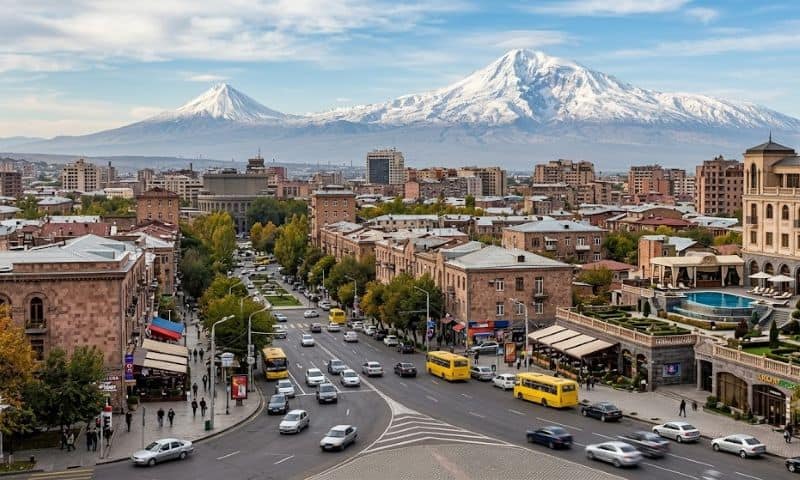
Image generated with Ai
Armenia is steadily moving into a powerful new phase of tourism growth, and its transformation is attracting increasing international attention. The country’s tourism sector is being supported by rising international visitor arrivals, stronger air connectivity, and continued government initiatives designed to strengthen the overall travel economy. As Armenia advances towards its long-term tourism ambitions, it is increasingly being recognised as one of the region’s most promising destinations for leisure travel, cultural exploration, wellness tourism, and adventure experiences. Investment is also extending beyond Yerevan, opening fresh opportunities across emerging destinations including Dilijan, Gyumri, Tsaghkadzor, and Areni.
These developments are expected to reshape travel patterns, encourage visitors to spend more time exploring different regions, and strengthen the country’s international tourism profile. As tourism infrastructure continues to improve, Armenia appears well positioned to influence regional travel trends while creating new opportunities for travelers and the wider hospitality sector over the coming years.
Armenia’s Tourism Industry Moves Into a Dynamic New Stage of Development
The country’s tourism sector was described as entering an important period of transformation that could redefine its position within the international travel market. The recent momentum was attributed to several interconnected developments, including record international visitor arrivals, expanding international flight connectivity, and sustained efforts by national authorities to strengthen tourism as a long-term economic driver. Together, these factors were said to be creating a stronger foundation for continued expansion while improving confidence throughout the tourism and hospitality sectors.
Advertisement
Advertisement
It was indicated that 2025 represented a landmark year for Armenia, as the country welcomed its highest number of international visitors to date. This milestone was viewed as evidence that international awareness of the destination continues to grow. Travelers from numerous markets were increasingly showing interest in discovering the country’s unique combination of ancient history, living culture, breathtaking landscapes, traditional gastronomy, and outdoor recreation. The diversity of experiences available across the country was regarded as one of its greatest competitive advantages within today’s evolving global tourism industry.
Improved accessibility was also considered to be one of the most influential contributors to this positive momentum. Expanding international air connectivity has made reaching Armenia easier for visitors from a wider range of countries, allowing the destination to compete more effectively with established tourism markets. Better flight options often encourage travelers to consider destinations that may previously have seemed less accessible, and this development is expected to support continued growth in international arrivals over the coming years.
Another important aspect of this expansion was the introduction of a comprehensive long-term tourism strategy. Authorities were reported to have established ambitious objectives that include welcoming three million annual visitors and generating billions of dollars in tourism revenue by 2030. These goals were presented as part of a broader roadmap designed to improve tourism infrastructure, enhance visitor experiences, encourage investment, and ensure sustainable tourism development across the country. The strategy reflects a long-term commitment to strengthening Armenia’s competitiveness within the global tourism landscape.
For international travelers, these developments may translate into greater destination accessibility, improved visitor facilities, and a wider range of travel experiences. For the global tourism industry, they also demonstrate how carefully planned investment and long-term policy can transform an emerging destination into a stronger competitor within the international travel marketplace.
Investment Continues to Expand Beyond Yerevan Into Emerging Tourism Regions
Although Yerevan continues to function as Armenia’s primary tourism gateway, tourism investment was reported to be expanding rapidly into other parts of the country. Increasing attention has been directed toward destinations including Dilijan, Gyumri, Tsaghkadzor, and the well-known wine-producing region of Areni. This broader geographical approach demonstrates an effort to diversify tourism while encouraging visitors to discover experiences beyond the capital city.
Rather than concentrating tourism activity within a single destination, this expansion is expected to distribute visitor spending more evenly across multiple regions. Such an approach can strengthen local economies, create employment opportunities, and encourage sustainable development in communities that have traditionally received fewer international visitors. It also allows travelers to experience a wider variety of landscapes, traditions, and attractions during a single visit.
Each of these destinations contributes something distinctive to the country’s growing tourism portfolio. Dilijan continues to gain recognition for its peaceful forests, mountain scenery, and cultural atmosphere. Gyumri remains celebrated for its artistic identity, architectural heritage, and long-standing traditions. Tsaghkadzor offers year-round mountain recreation, attracting visitors interested in outdoor adventures throughout different seasons. Meanwhile, Areni has strengthened its international reputation through its historic winemaking traditions, local gastronomy, and nearby cultural attractions.
The continued growth of these regional destinations may significantly reshape travel behaviour within Armenia. Visitors who once focused primarily on Yerevan could increasingly choose longer itineraries that include several destinations across the country. Longer stays generally contribute to higher tourism spending while creating greater economic benefits for accommodation providers, restaurants, transport services, cultural attractions, and local communities.
This regional expansion also supports a more balanced tourism model. Instead of relying heavily on one city, Armenia is gradually developing multiple tourism hubs capable of attracting different categories of travelers. Such diversification strengthens the country’s resilience while reducing pressure on individual destinations and encouraging more sustainable tourism development.
Hospitality Sector Demonstrates Growing Confidence in Armenia’s Long-Term Tourism Potential
The hospitality industry was also reported to be experiencing encouraging progress alongside the steady increase in visitor arrivals. Improved accommodation performance, stronger room rates, and rising investor confidence were all described as indicators that Armenia’s tourism market continues to mature. These developments suggest that confidence in the country’s long-term tourism prospects is becoming increasingly established.
As international demand continues to expand, the need for additional high-quality accommodation is expected to grow accordingly. New hotels, upgraded hospitality facilities, and enhanced visitor services are likely to improve the overall travel experience while supporting a broader range of visitor preferences. Travelers seeking luxury holidays, family vacations, wellness retreats, cultural exploration, or business travel may all benefit from a more diverse hospitality offering.
Improved hospitality infrastructure is also expected to encourage repeat visitation. Comfortable accommodation, modern facilities, professional services, and convenient regional access often influence travelers’ decisions when selecting future destinations. By continuing to strengthen these areas, Armenia may increase visitor satisfaction while encouraging positive international recommendations and repeat travel.
Beyond tourism itself, hospitality development is likely to generate broader economic advantages. Increased tourism activity frequently supports employment, stimulates local entrepreneurship, encourages infrastructure investment, and creates additional opportunities for communities located outside traditional tourism centres. As more regions participate in tourism growth, the economic benefits can become increasingly widespread throughout the country.
For the international travel industry, these developments highlight how investment in hospitality infrastructure can strengthen destination competitiveness while creating greater confidence among global travelers. As accommodation capacity continues to improve alongside visitor services, Armenia appears increasingly prepared to accommodate growing international demand and reinforce its emerging position within the global tourism market.
Armenia’s Diverse Tourism Experiences Continue to Strengthen Its International Appeal
Beyond the continued expansion of its hospitality sector, Armenia was described as offering a remarkably broad and diverse tourism portfolio capable of attracting travelers with different interests, travel styles, and budgets. Rather than depending on one signature attraction, the country was said to present a balanced combination of ancient heritage, mountain landscapes, wine tourism, cultural experiences, wellness tourism, and adventure travel. This diversity was considered one of the country’s strongest advantages as international travelers increasingly seek destinations that provide multiple experiences within a single journey.
The country’s rich historical legacy continues to play a central role in attracting international visitors. Historic monasteries, archaeological landmarks, centuries-old churches, preserved cultural traditions, and charming villages collectively create an authentic travel experience that distinguishes Armenia from many established tourism destinations. Visitors searching for meaningful cultural immersion rather than mass tourism were believed to be showing increasing interest in the country. These heritage assets continue to strengthen Armenia’s image as a destination where history remains deeply connected to everyday life.
Nature also contributes significantly to the country’s growing tourism appeal. The spectacular mountains, peaceful forests, rolling valleys, and scenic lakes were highlighted as valuable attractions for travelers seeking outdoor recreation throughout the year. Activities such as hiking, photography, wildlife observation, and seasonal mountain adventures continue to expand the country’s tourism offering beyond traditional sightseeing. This combination of cultural richness and natural beauty provides visitors with opportunities to experience multiple forms of tourism without travelling long distances between destinations.
Another important strength was identified in the steady rise of wine tourism. The internationally recognised wine-producing region of Areni continues to attract travelers interested in vineyards, traditional winemaking techniques, local cuisine, and authentic rural experiences. Combined with wellness retreats, cultural festivals, and adventure activities, these tourism segments help create a well-balanced visitor experience capable of appealing to families, couples, solo travelers, and specialist tourism markets alike.
This diversified tourism model also offers significant advantages for the wider travel industry. Destinations that provide multiple travel experiences generally attract visitors throughout the year rather than relying on a single tourism season. Such year-round demand supports accommodation providers, local businesses, transport operators, cultural attractions, and regional economies while reducing seasonal fluctuations that often affect tourism-dependent destinations.
Long-Term Tourism Strategy Establishes an Ambitious Vision for Sustainable Growth
The country’s long-term tourism strategy was presented as extending well beyond the simple objective of increasing visitor numbers. Instead, it reflects a comprehensive vision focused on building a sustainable, competitive, and resilient tourism industry capable of supporting national economic growth for decades to come. Authorities were reported to have established ambitious targets that include welcoming three million annual visitors while generating billions of dollars in tourism revenue by 2030.
The strategy was described as placing considerable emphasis on strengthening tourism infrastructure throughout the country. Improvements to transportation networks, airport connectivity, accommodation capacity, visitor services, and regional accessibility are expected to play an essential role in supporting future growth. Enhanced infrastructure generally improves the overall visitor experience while encouraging tourists to travel beyond major urban centres and explore a broader range of destinations across Armenia.
Investment in regional development also reflects a broader commitment to ensuring that tourism benefits are distributed more evenly across the country. Rather than concentrating economic activity within Yerevan, the strategy supports continued development in destinations such as Dilijan, Gyumri, Tsaghkadzor, and Areni. Such an approach helps strengthen local economies, supports employment opportunities, and encourages long-term community participation in tourism development.
Another important feature of the long-term strategy lies in its commitment to balancing modern tourism growth with the preservation of cultural identity. While infrastructure improvements remain essential, maintaining the authenticity of local traditions, historical landmarks, and natural landscapes continues to be regarded as equally important. Travelers increasingly value destinations that preserve their unique character while providing modern facilities and reliable services, making this balanced approach particularly relevant in today’s global tourism environment.
For international travelers, these long-term plans may result in smoother travel experiences, improved accessibility, better accommodation choices, and more diverse tourism products. For the wider travel industry, they demonstrate how strategic planning can position an emerging destination for sustainable success without compromising its cultural heritage or environmental assets.
Challenges Continue to Shape Armenia’s Tourism Development Journey
Despite the country’s encouraging tourism momentum, several important challenges were also identified as areas requiring continued attention. Although overall prospects remain positive, successfully addressing these issues will play an important role in ensuring that long-term tourism growth remains stable, balanced, and sustainable.
One of the primary considerations involves the country’s continued dependence on the Russian visitor market. While this market remains significant, greater diversification of international arrivals was described as an important long-term objective. Expanding tourism demand from additional countries could help strengthen resilience while reducing vulnerability to changes affecting any single source market. A broader international visitor base generally contributes to greater stability within the tourism industry and supports more consistent long-term growth.
Infrastructure development also continues to require ongoing investment. As visitor numbers increase, transportation systems, accommodation facilities, tourism services, regional accessibility, and public infrastructure will all need to expand accordingly. High-quality infrastructure is often one of the most influential factors affecting visitor satisfaction, repeat travel, and international destination competitiveness. Continued investment in these areas is therefore expected to remain a priority as tourism continues to grow.
Financing was also recognised as an important factor influencing future tourism development. Expanding hospitality capacity, improving tourism facilities, supporting regional projects, and maintaining high-quality visitor services all require sustained financial investment. Continued support for tourism-related development is expected to strengthen the country’s ability to achieve its long-term objectives while ensuring that tourism growth benefits both visitors and local communities.
Successfully overcoming these challenges could significantly strengthen Armenia’s position within the international tourism market. Balanced development, diversified visitor markets, modern infrastructure, and sustainable investment together create a stronger foundation for future tourism success while improving the country’s resilience against changing global travel conditions.
Armenia’s Tourism Expansion Is Expected to Influence the Global Travel Industry
The continued transformation of Armenia’s tourism sector was described as carrying implications that extend far beyond the country’s own borders. As international travelers increasingly seek authentic, less crowded, and experience-driven destinations, Armenia appears to be well positioned to benefit from these changing travel preferences. The country’s combination of cultural heritage, natural beauty, expanding infrastructure, and long-term planning is expected to strengthen its role within the wider international tourism landscape.
The growing popularity of Armenia may also influence regional travel patterns. As awareness of the destination continues to increase, more international visitors could choose to include the country within broader itineraries across the South Caucasus. Instead of limiting their journeys to traditional European destinations, travelers may increasingly explore emerging regions that offer authentic experiences, distinctive cultural identities, and relatively uncrowded attractions. Such changes could gradually reshape regional tourism flows while creating additional opportunities for neighboring destinations.
Improved accessibility through expanding air connectivity is also expected to play an important role in supporting this transition. Easier travel arrangements generally reduce planning barriers for international visitors while encouraging more spontaneous travel decisions. As transportation networks continue to improve, travelers from various global markets may find Armenia increasingly convenient to visit, further supporting international tourism demand.
The country’s expanding tourism portfolio also strengthens its competitiveness within today’s experience-focused travel economy. Visitors are no longer looking solely for sightseeing opportunities. Many now seek immersive cultural experiences, local cuisine, outdoor adventures, wellness retreats, wine tourism, and meaningful interactions with local communities. Because Armenia offers all of these experiences within one destination, it is increasingly capable of attracting travelers with diverse interests while encouraging longer stays and repeat visits.
Another important consequence of this tourism expansion involves the hospitality sector. As international arrivals continue to rise, demand for accommodation, restaurants, transportation services, cultural attractions, and recreational activities is also expected to increase. This broader tourism ecosystem has the potential to generate employment opportunities, stimulate entrepreneurship, encourage regional investment, and strengthen economic activity across multiple sectors connected to travel.
Global Travelers Could Benefit From Greater Choice, Authentic Experiences, and Improved Accessibility
For international visitors, the country’s tourism transformation represents far more than simply another destination gaining popularity. It reflects the emergence of a location capable of delivering diverse experiences while maintaining a strong sense of authenticity. As infrastructure continues to improve and tourism services expand, travelers are expected to enjoy greater convenience without sacrificing the cultural character that makes Armenia distinctive.
One of the most significant advantages for global travelers lies in the increasing variety of destinations available within the country itself. While Yerevan continues to serve as the principal gateway, expanding tourism investment across Dilijan, Gyumri, Tsaghkadzor, and Areni offers visitors the opportunity to experience very different landscapes, traditions, and attractions during a single journey. This diversity encourages travelers to remain in the country for longer periods while exploring multiple regions instead of limiting their visits to the capital.
The continued improvement of tourism infrastructure is also expected to enhance overall visitor satisfaction. Better roads, improved transportation services, upgraded accommodation, expanded tourism facilities, and stronger regional connectivity collectively contribute to smoother travel experiences. These improvements can make destinations more accessible for families, senior travelers, solo tourists, and adventure seekers alike.
Another important benefit involves the growing emphasis on sustainable tourism development. By distributing tourism across several destinations instead of concentrating activity within one city, Armenia is expected to reduce overcrowding while ensuring that tourism benefits reach a broader range of communities. This balanced approach not only supports local economies but also helps preserve cultural heritage and natural environments for future generations of travelers.
Changing global travel preferences further strengthen the country’s position. Following recent shifts in international tourism demand, many travelers increasingly value meaningful cultural engagement, wellness experiences, outdoor recreation, local gastronomy, and slower forms of travel. The tourism experiences available throughout Armenia closely align with these evolving expectations, making the destination increasingly attractive within the international travel marketplace.
A Balanced Tourism Model Creates Long-Term Opportunities for Sustainable Development
The country’s tourism strategy was also viewed as demonstrating how carefully managed growth can support long-term sustainability. Rather than focusing solely on increasing visitor numbers, emphasis appears to have been placed on creating a tourism sector capable of delivering consistent economic, social, and cultural benefits over many years.
One important element of this approach involves maintaining the country’s unique identity while modernising tourism infrastructure. Preserving historic landmarks, protecting natural landscapes, supporting traditional communities, and celebrating local culture remain central to the country’s tourism appeal. At the same time, improvements in accommodation, transportation, digital connectivity, and visitor services help ensure that international expectations continue to be met.
Regional tourism development also contributes to this balanced model. As destinations such as Dilijan, Gyumri, Tsaghkadzor, and Areni continue to expand, tourism activity becomes more evenly distributed throughout the country. This diversification reduces pressure on individual destinations while creating additional economic opportunities across multiple regions. Such an approach is widely recognised as an effective method of supporting sustainable tourism growth.
The long-term vision extending toward 2030 further demonstrates a commitment to measured development rather than rapid expansion alone. By targeting three million annual visitors alongside billions of dollars in tourism revenue, authorities appear to be focusing on both tourism quality and economic contribution. Achieving these objectives will depend upon continued infrastructure investment, effective destination management, international market diversification, and consistent visitor satisfaction.
For the wider global tourism industry, this model offers valuable lessons regarding destination planning. Emerging tourism markets increasingly recognise that sustainable growth requires balancing investment with heritage preservation, infrastructure development with environmental responsibility, and economic progress with community participation.
Armenia Continues to Build a Stronger Position Within the International Tourism Landscape
Recent developments indicate that Armenia is steadily strengthening its presence within the global tourism industry. Rising international arrivals, expanding air connectivity, continued investment, and ambitious long-term planning collectively suggest that the country is entering a period of sustained tourism development. The steady expansion of tourism beyond Yerevan into destinations including Dilijan, Gyumri, Tsaghkadzor, and Areni further demonstrates a commitment to creating a more inclusive and geographically balanced tourism economy.
Although challenges relating to infrastructure, financing, and international market diversification continue to require attention, the overall direction of the country’s tourism strategy appears encouraging. Continued investment in visitor facilities, transportation, hospitality, and regional development is expected to strengthen Armenia’s competitiveness while supporting higher standards of visitor satisfaction.
For travelers around the world, these developments represent far more than increasing visitor statistics. They indicate the emergence of a destination capable of offering history, culture, nature, wine tourism, wellness experiences, and adventure travel within a single journey. As more travelers seek authentic destinations that combine rich heritage with modern tourism infrastructure, Armenia is likely to attract increasing international attention.
The country’s progress may also encourage stronger regional tourism cooperation and inspire additional investment throughout the South Caucasus, creating broader opportunities for international travel across the region. If current momentum continues, Armenia could establish itself as one of the region’s most dynamic emerging destinations over the remainder of the decade.
Ultimately, the ongoing transformation of Armenia’s tourism industry reflects more than national economic development. It demonstrates how strategic planning, diversified tourism experiences, expanding regional investment, and sustainable destination management can collectively strengthen a country’s global tourism profile. As the nation moves towards its 2030 objectives, travelers are expected to benefit from improved accessibility, richer experiences, expanded destination choices, and a tourism environment that continues to preserve the authenticity and cultural heritage that make Armenia truly distinctive on the world travel map.
Advertisement
Tags: armenia, Dilijan, tourism destinations, Travel News, Yerevan
Advertisement
Advertisement













Friday, September 4, 2026

Friday, September 4, 2026

Friday, September 4, 2026

Thursday, September 3, 2026

Wednesday, September 2, 2026

Friday, September 4, 2026

Friday, September 4, 2026