
Dominican Republic Joins Jamaica, Bahamas, Costa Rica, Barbados, Trinidad and Tobago, Belize, Aruba, and Other Countries in Coping with Rising Fuel Prices Amid Caribbean Tourism Recovery as the US, Venezuela, Brazil, and Colombia Significantly Increase Crude Oil, LPG, LNG, and CNG Export Costs: New Update

Published
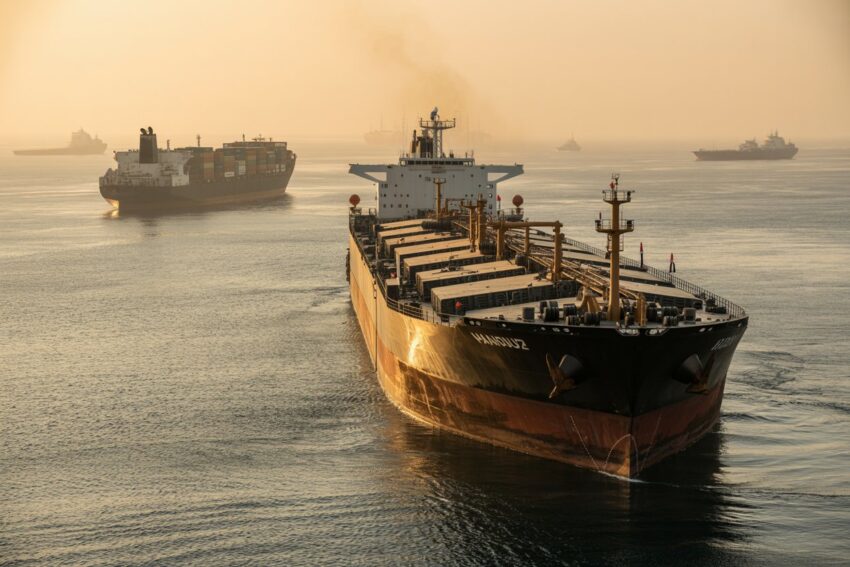
Image generated with Ai
Dominican Republic joins Jamaica, Bahamas, Costa Rica, Barbados, Trinidad and Tobago, Belize, Aruba, and other countries in coping with rising fuel prices amid Caribbean tourism recovery as the US, Venezuela, Brazil, and Colombia significantly increase crude oil, LPG, LNG, and CNG export costs, because the 2026 Middle East crisis has pushed global energy prices higher, raising transport, aviation, and hotel costs across tourism-dependent economies, which are highly exposed to imported fuel shocks and now face mounting pressure to protect travel demand, stabilise operations, and sustain recovery through subsidies, diversification, and energy-efficient strategies.
Dominican Republic – Can Battery Storage and Record Arrivals Offset Imported Fuel Costs?
The Dominican Republic is tackling the 2026 fuel crisis through record tourism volume, renewable tenders and grid innovation. The rising export cost of crude oil, LPG, LNG and CNG from the US, Venezuela, Brazil and Colombia has intensified regional pressure. Brent crude has shifted from $78–$81.90 per barrel to about $115 per barrel, while US retail diesel has moved from $4.21 per gallon to nearly $5.80 per gallon. These increases affect aviation, hotel electricity, ground transport and construction. Yet the Dominican Republic entered the crisis with major tourism momentum. It welcomed 11.6 million international visitors in 2025, a 13% increase over 2023. December 2025 alone brought around 900,000 air arrivals, while eastern-zone hotel occupancy exceeded 96%. The country is coping by expanding beyond Punta Cana into Pedernales and other regions. It is also pushing clean power. A renewable tender received bids for 1,546 MW of solar capacity and 1,294.57 MWh of battery storage. This matters because electricity marginal costs rose from 9.75 to 12.65 cents/kWh. Battery storage can reduce wasted renewable energy and protect tourism from fuel-linked power shocks.
| Key Area | Old Cost / Previous Position | 2026 Crisis Pressure | Dominican Republic Coping Solution |
|---|---|---|---|
| Brent Crude | $78–$81.90/barrel | $115/barrel | Renewable power expansion |
| Diesel | $4.21/gallon | $5.80/gallon | Transport and grid upgrades |
| Visitors | Strong recovery | 11.6 million in 2025 | Volume-led tourism strategy |
| Solar Tender | Planned 600 MW | Higher power costs | 1,546 MW in bids |
| Battery Storage | Limited storage | Grid instability | 1,294.57 MWh BESS bids |
Bahamas – Can Proximity Protect Tourism as US LNG, Crude Oil, LPG and CNG Costs Surge?
The Bahamas is coping with rising fuel prices by turning geography into a tourism shield. As the US, Venezuela, Brazil and Colombia push higher export costs for crude oil, LPG, LNG and CNG, the Bahamas faces intense pressure because it depends heavily on imported fossil fuels. Brent crude has moved from an old benchmark of around $78–$81.90 per barrel in 2023–2024 to a 2026 crisis peak near $115 per barrel. US diesel has moved from about $4.21 per gallon to nearly $5.80 per gallon, raising transport, ferry, food and resort operating costs. Yet the Bahamas is fighting back through proximity marketing. Short flights from the US reduce airfare exposure. This helps American travellers avoid longer, costlier routes to Europe or Asia. The country welcomed about 12.5 million visitors in 2025, proving its tourism recovery remains strong. Cruise growth is also vital. Cruise arrivals rose by 11.6%, while major investments, including Carnival’s $700 million Grand Bahama project, aim to bring 4 million guests annually by 2028. The Bahamas is also moving towards LNG bridge fuel, decentralised solar and energy reform to reduce expensive imported fuel dependence.
| Key Area | Old Cost / Previous Position | 2026 Crisis Pressure | Bahamas Coping Solution |
|---|---|---|---|
| Brent Crude | $78–$81.90/barrel | $115/barrel | Short-haul US tourism focus |
| US Diesel | $4.21/gallon | $5.80/gallon | Cruise and ferry cost management |
| Electricity Cost | High imported-fuel exposure | Around US$0.34/kWh pressure | LNG bridge fuel and solar |
| Tourism Volume | Recovery phase | 12.5 million visitors in 2025 | Proximity and cruise expansion |
| Major Project | Limited Grand Bahama capacity | Higher infrastructure cost | $700 million cruise investment |
Jamaica – Is Tiered Fuel Pricing Saving Tourism from the 2026 Energy Shock?
Jamaica is using tiered fuel pricing, energy conservation and public-sector efficiency to defend tourism recovery from the 2026 energy crisis. Rising export costs from the US, Venezuela, Brazil and Colombia have pushed crude oil, LPG, LNG and CNG prices into a new high-cost cycle. Brent crude has climbed from $78–$81.90 per barrel to about $115 per barrel, while Henry Hub gas has risen from $2.19 per MMBtu to around $4.48 per MMBtu. Jamaica is vulnerable because energy imports average around 6% of GDP. Petrojam’s earlier weekly price cap caused losses of more than $1.3 billion in only four weeks, forcing the country to shift towards a more flexible tiered pricing mechanism. This gives consumers some protection without draining public finances. Tourism faces additional pressure from projected airfare increases of 8–20% and a reported 10.3% contraction in stayover arrivals in late 2025. Jamaica is coping by diversifying tourism beyond beaches, strengthening sports, culture, events and lifestyle travel. It has also allocated $942 million for energy efficiency upgrades in public buildings, creating a model for hotels, attractions and transport businesses.
Advertisement
Advertisement
| Key Area | Old Cost / Previous Position | 2026 Crisis Pressure | Jamaica Coping Solution |
|---|---|---|---|
| Brent Crude | $78–$81.90/barrel | $115/barrel | Tiered Petrojam pricing |
| Henry Hub Gas | $2.19/MMBtu | $4.48/MMBtu | Fuel conservation push |
| Energy Imports | Around 6% of GDP | Higher import bill | Efficiency and pricing reform |
| Failed Price Cap | Weekly cap | $1.3 billion loss in 4 weeks | Flexible fuel mechanism |
| Tourism Pressure | Strong recovery phase | 8–20% airfare risk | Niche tourism diversification |
Costa Rica – Can Renewable Power and Self-Drive Tourism Beat Fuel Inflation?
Costa Rica is coping better than many Caribbean-linked destinations because its electricity system is overwhelmingly renewable, even though transport fuel remains exposed to global oil shocks. The US, Venezuela, Brazil and Colombia are influencing higher crude oil, LPG, LNG and CNG export costs as regional supply tightens. Brent crude’s old benchmark of $78–$81.90 per barrel has moved towards $115 per barrel, while US gasoline has risen from around $3.52 per gallon to about $4.30 per gallon. Costa Rica imports nearly all petroleum used in transport, so diesel and petrol increases hit rental cars, freight, food movement and tour logistics. However, more than 98% of its electricity comes from renewable sources, protecting hotels and restaurants from the power-price shocks affecting fuel-dependent islands. Costa Rica is also using self-drive tourism as a recovery solution. Travellers rent vehicles at airports and explore secondary destinations such as Orosi Valley and the Osa Peninsula. Green-season discounts of 20–50% help offset high airfares and fuel costs. Tourism-related hotels and restaurants grew by 5.1% in February 2026, showing that smarter dispersal, renewable energy and seasonal pricing are helping the country absorb the shock.
| Key Area | Old Cost / Previous Position | 2026 Crisis Pressure | Costa Rica Coping Solution |
|---|---|---|---|
| Brent Crude | $78–$81.90/barrel | $115/barrel | Renewable electricity buffer |
| US Gasoline | $3.52/gallon | $4.30/gallon | Self-drive tourism model |
| Electricity Mix | Renewable-led | 98%+ renewable power | Lower hotel power exposure |
| Green Season Prices | Normal peak pricing | Fuel-hit travel demand | 20–50% discounts |
| Tourism Growth | Recovery stage | Transport cost pressure | 5.1% hotel and restaurant growth |
Barbados – Is Fuel Hedging Protecting High-End Tourism from Oil Shock?
Barbados is responding to rising crude oil, LPG, LNG and CNG export costs through hedging, subsidies and a long-term energy transition plan. The US, Venezuela, Brazil and Colombia are all influencing regional fuel costs, either through export pricing, supply uncertainty, production shifts or import competition. Brent crude has risen from the old 2023–2024 range of $78–$81.90 per barrel to around $115 per barrel in the 2026 crisis. Barbados has moved quickly by hedging heavy fuel oil at US$92 per barrel, giving households and tourism businesses protection against the worst market spikes. The government is also absorbing 50% of increases in the Fuel Clause Adjustment on electricity bills for a short period and extending VAT caps on fuel until March 2027. Tourism remains central to the economy, with 727,310 long-stay visitors in 2025. High diesel costs, which may reach $5.80 per gallon, also threaten construction and hotel development. Barbados is protecting investment through tourism concessions, a reduced 10% VAT on car rentals and its Energy Transition and Investment Plan, which targets net-zero by 2035 and projected fuel savings of BBD 15.6 billion.
Advertisement
Advertisement
| Key Area | Old Cost / Previous Position | 2026 Crisis Pressure | Barbados Coping Solution |
|---|---|---|---|
| Brent Crude | $78–$81.90/barrel | $115/barrel | Fuel hedging |
| Heavy Fuel Oil | Market exposed | Hedged at US$92/barrel | Price stability |
| Electricity Bills | Normal FCA exposure | Higher fuel clause | 50% FCA absorption |
| Long-Stay Visitors | Recovery growth | 727,310 in 2025 | High-end tourism protection |
| Energy Transition | Fossil fuel reliance | Cost pressure | Net-zero target by 2035 |
Trinidad and Tobago – Can Energy Exports Become a Tourism Recovery Shield?
Trinidad and Tobago is different from most Caribbean tourism economies because it is an energy producer, not only an energy importer. As the US, Venezuela, Brazil and Colombia reshape crude oil, LPG, LNG and CNG export costs, Trinidad and Tobago can use higher global prices as a fiscal advantage. Brent crude has moved from $78–$81.90 per barrel to around $115 per barrel, while Henry Hub gas has risen from $2.19 per MMBtu to about $4.48 per MMBtu. For fuel-importing islands, this is painful. For Trinidad and Tobago, it can increase revenue and support public spending. The country is also deepening gas cooperation with Venezuela’s Dragon Field, which could help move Venezuelan gas through Trinidad’s LNG infrastructure. Potential LNG export gains could reach 6 billion cubic metres annually, with higher upside if idle capacity returns. The tourism recovery solution is diversification. Trinidad and Tobago is pushing maritime-led tourism, logistics, events, culture and non-energy investment. The government is targeting $3 billion in non-energy investment over two years, using energy revenue to build broader economic resilience while maintaining a 15% emissions-reduction target by 2030.
| Key Area | Old Cost / Previous Position | 2026 Crisis Pressure | Trinidad and Tobago Coping Solution |
|---|---|---|---|
| Brent Crude | $78–$81.90/barrel | $115/barrel | Energy revenue advantage |
| Henry Hub Gas | $2.19/MMBtu | $4.48/MMBtu | LNG export opportunity |
| Venezuelan Gas | Limited flow | Dragon Field opportunity | Use Trinidad LNG hubs |
| Potential LNG Growth | Restricted capacity | Higher global demand | Up to 6 bcm/year |
| Tourism Strategy | Energy-heavy economy | Diversification need | Maritime tourism and logistics |
Belize – Can Fuel Subsidies Protect Tourism in a Fully Import-Dependent Economy?
Belize faces one of the toughest fuel-price challenges because it produces none of its own fuel and depends heavily on imports. As the US, Venezuela, Brazil and Colombia significantly lift crude oil, LPG, LNG and CNG export costs, Belize absorbs the shock almost directly. Brent crude has climbed from $78–$81.90 per barrel to around $115 per barrel, while propane has moved from about $0.64 per gallon to roughly $0.71 per gallon. Gasoline prices in Belize reportedly surged past $13 per gallon in March 2026, creating pressure across buses, food supply, domestic tourism, hotels and household spending. The government has responded by reducing diesel excise tax by $1.55 and regular gasoline excise by 68 cents. This creates an estimated $4.7 million monthly revenue loss, or about $60 million for the fiscal year. Belize has also provided a $3 per gallon fuel subsidy to private bus operators to prevent steep fare hikes. Tourism remains costly, with Belize running 30–60% higher than neighbouring Guatemala. Green-season accommodation discounts of 30–50% and structured bus fare ceilings are being used to protect accessibility.
| Key Area | Old Cost / Previous Position | 2026 Crisis Pressure | Belize Coping Solution |
|---|---|---|---|
| Brent Crude | $78–$81.90/barrel | $115/barrel | Fuel tax relief |
| Propane | $0.64/gallon | $0.71/gallon | Import cost management |
| Belize Gasoline | Lower pre-crisis level | Over $13/gallon | Excise tax cuts |
| Bus Operators | Fare pressure | Fuel-cost shock | $3/gallon subsidy |
| Tourism Cost | Regional premium | 30–60% above neighbours | Green-season discounts |
Aruba – Can Sustainability Fees and Low Inflation Keep Tourism Competitive?
Aruba is coping with rising fuel prices through disciplined pricing, sustainability fees and infrastructure-focused tourism revenue. As crude oil, LPG, LNG and CNG export costs rise from the US, Venezuela, Brazil and Colombia, Aruba remains exposed because island tourism depends on imported energy, air connectivity and resilient infrastructure. Brent crude has moved from $78–$81.90 per barrel to around $115 per barrel, while US gasoline has climbed from $3.52 per gallon to about $4.30 per gallon. Aruba has responded by keeping inflation unusually low, projected at just 0.5% in 2026, after inflation fell from 5.5% in 2022 to around 0.2% by late 2025. This price stability gives hotels, restaurants and tour operators better planning power. The island also introduced a $20 Sustainability Fee for air arrivals from July 2024, in addition to a $3 environmental tax. The fee funds sewage treatment and sustainability upgrades that protect the tourism brand. Tourism exports expanded by 6.4% in 2025, while the economy is projected to grow by 2.9% in 2026. Aruba is using sustainability-linked funding to turn tourism recovery into long-term resilience.
| Key Area | Old Cost / Previous Position | 2026 Crisis Pressure | Aruba Coping Solution |
|---|---|---|---|
| Brent Crude | $78–$81.90/barrel | $115/barrel | Price stability management |
| US Gasoline | $3.52/gallon | $4.30/gallon | Excise and cost controls |
| Inflation | 5.5% in 2022 | Global fuel shock | 0.5% projected in 2026 |
| Tourism Funding | Standard taxes | Infrastructure stress | $20 Sustainability Fee |
| Tourism Exports | Recovery phase | Higher travel costs | 6.4% growth in 2025 |
Can Renewable Energy and Efficiency Strategies Reduce Tourism’s Fuel Cost Burden?
Caribbean nations are increasingly turning to renewable energy and efficiency strategies to reduce their dependence on imported crude oil, LPG, LNG, and CNG, which continue to drive up tourism costs. Countries like the Dominican Republic, Bahamas, Barbados, and Aruba are investing in solar, wind, and battery storage to stabilise electricity prices for hotels, resorts, and transport systems. Energy efficiency upgrades, including smart grids, fuel-saving transport systems, and low-consumption infrastructure, are also helping tourism businesses control operating expenses. These initiatives are not only lowering long-term costs but also enhancing sustainability credentials, attracting environmentally conscious travellers. By integrating clean energy solutions with tourism planning, Caribbean destinations are building resilience against global fuel price volatility while ensuring that tourism recovery remains stable, competitive, and less exposed to future energy shocks.
Dominican Republic joins Jamaica, Bahamas, Costa Rica, Barbados, Trinidad and Tobago, Belize, Aruba, and other countries in coping with rising fuel prices amid Caribbean tourism recovery as the US, Venezuela, Brazil, and Colombia increase crude oil, LPG, LNG, and CNG export costs, driving up travel expenses.
In conclusion, Dominican Republic joins Jamaica, Bahamas, Costa Rica, Barbados, Trinidad and Tobago, Belize, Aruba, and other countries in coping with rising fuel prices amid Caribbean tourism recovery as the US, Venezuela, Brazil, and Colombia significantly increase crude oil, LPG, LNG, and CNG export costs, because these surging energy prices are raising aviation, transport, and hospitality expenses, directly impacting travel demand and operational stability. To sustain Caribbean tourism recovery, these countries are adopting subsidies, diversification strategies, energy efficiency measures, and renewable investments to manage costs and maintain competitiveness. This coordinated response highlights that controlling fuel-driven inflation and reducing dependence on imported energy is essential to protect tourism flows, ensuring long-term resilience and stability across Caribbean economies facing global energy volatility.
Advertisement
