
Jazz at the Granada International Festival in Andalusia, Spain

Published
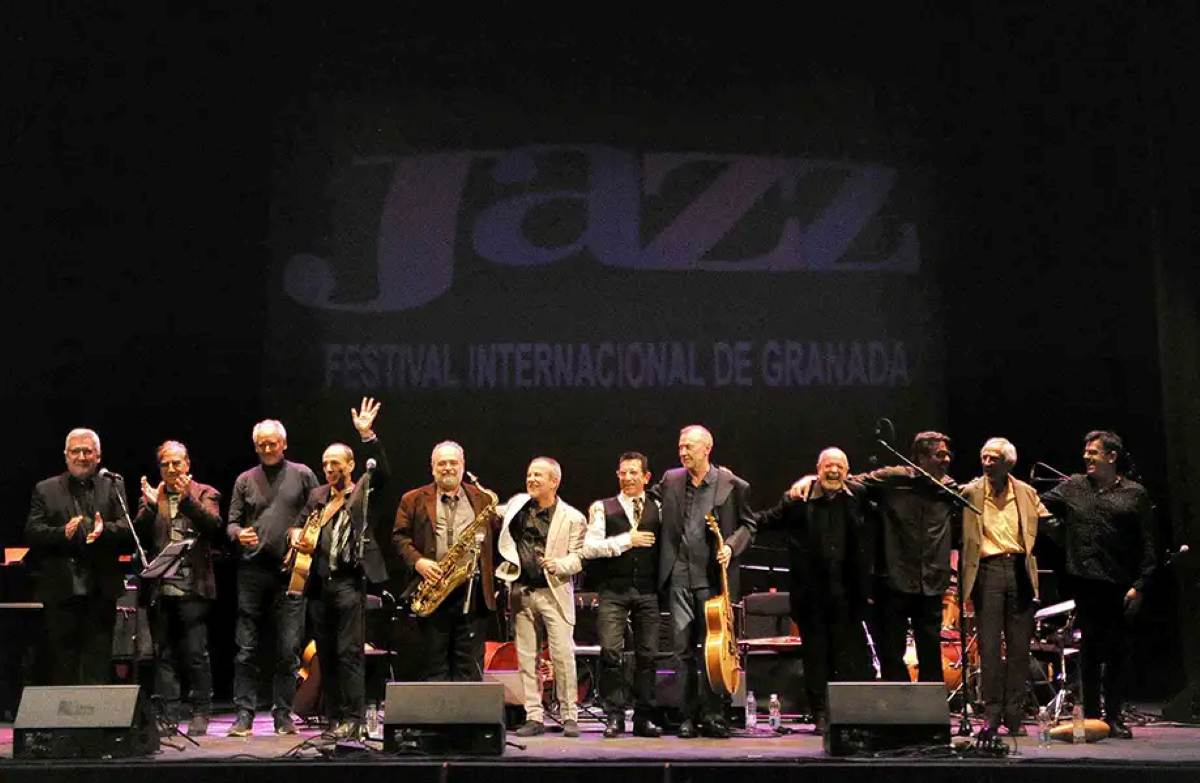
The Granada International Jazz Festival stands proudly as one of Europe’s longest-running jazz celebrations, drawing music enthusiasts from across the globe to the picturesque region of Andalusia. Celebrated annually from late October into November, this prestigious cultural event transforms the historic city of Granada into a vibrant hub of musical excellence. World-class jazz is brought to life through a series of carefully curated performances hosted in magnificent historic venues and lively neighborhood bars throughout the city. By seamlessly blending rich artistic heritage with contemporary sounds, the festival offers an unforgettable cultural journey for every attendee.
Background and Context
Rooted deeply in the cultural calendar of southern Spain, the Granada International Jazz Festival has evolved over decades into a premier institution for jazz aficionados. Historically, the festival has served as a bridge between international jazz legends and local Spanish audiences, creating a unique cross-cultural dialogue through music. Major concerts are traditionally staged in the esteemed Teatro Isabel la Católica, a venue renowned for its acoustics and architectural elegance. Complementing these grand stage performances, intimate and spontaneous jam sessions are hosted in various local clubs across Granada, preserving the authentic, improvisational spirit of the genre.
Advertisement
Advertisement
Impact on Travellers
For travelers seeking a rich tapestry of experiences, this festival provides a rare opportunity to immerse oneself in both high art and local traditions. Attendees can easily structure their days around explorations of the world-famous Alhambra and the legendary Andalusian tapas culture, before transitioning into enchanting evenings filled with exceptional live music. The juxtaposition of ancient Moorish architecture with modern improvisational jazz creates a sensory-rich environment that deeply resonates with visitors. Furthermore, the accessibility of intimate club sessions encourages travelers to mingle with locals, fostering a genuine sense of community and shared appreciation for the arts.
Industry Insights
From an industry perspective, the Granada International Jazz Festival plays a vital economic and cultural role in the region of Andalusia. By anchoring cultural tourism during the shoulder season of late autumn, the festival successfully sustains local hospitality, hotel occupancy, and restaurant revenues well beyond the traditional summer peak. Music promoters, booking agents, and regional tourism boards view the event as a benchmark for successful cultural programming, demonstrating how historical cities can leverage heritage venues to host contemporary international festivals without compromising their architectural integrity.
Advertisement
Advertisement
Practical Information
To ensure a seamless festival experience, careful planning is strongly recommended for all attendees. It is advised that tickets for headline performances be secured well in advance due to high demand and limited seating in premier venues. Simultaneously, travelers are encouraged to leave ample space in their itineraries for spontaneous club sessions, as these unscripted late-night performances are frequently cited as the ultimate highlights of the entire festival. Navigating the city of Granada is best accomplished on foot or via local public transportation, allowing visitors to fully absorb the charming atmosphere of Andalusia during the autumn months.
Comparison with Previous Policies or Developments
In contrast to earlier iterations of the festival, which primarily focused on large-scale auditorium performances and traditional booking models, recent developments have seen a greater emphasis on integrating neighborhood spaces and collaborative community events. Earlier policies often maintained a strict separation between formal concert halls and informal venues. Modern festival planning, however, adopts a more holistic approach, actively encouraging cultural spillover into local bars and smaller clubs. This evolution reflects broader trends in European cultural tourism, where immersive, localized experiences are increasingly prioritized over purely passive spectator events.
Image Source- Spain Info
Advertisement
Advertisement
Advertisement
