
Air Canada Axes Toronto–Charleston Flights for 2027 as South Carolina Loses Its Only Direct Canadian Link

Published
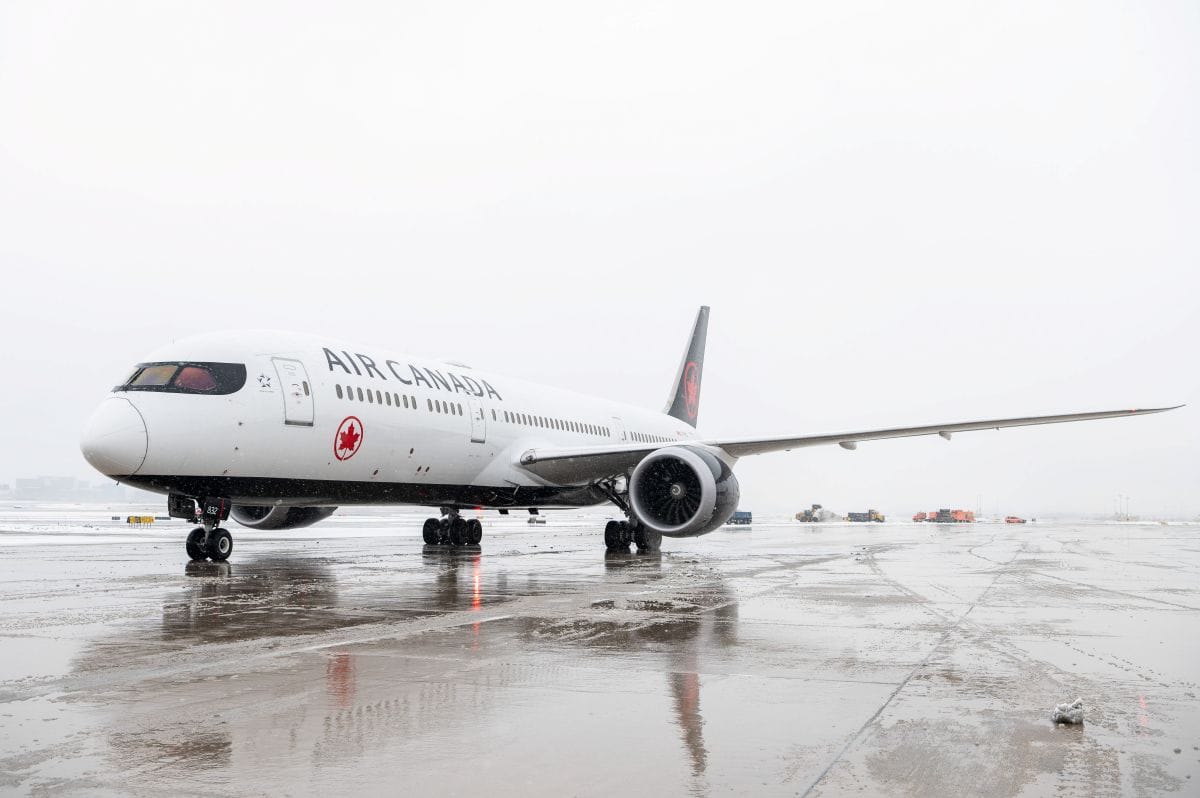
Air Canada will not restore its seasonal Toronto–Charleston flight for 2027, ending the carrier’s only direct connection with Charleston, South Carolina. The decision follows a substantial decline in Canadian travel to the United States, with cross-border trips remaining below 2024 levels. The Air Canada Charleston route previously connected Toronto Pearson International Airport with Charleston International Airport during the spring and summer travel seasons. However, reported operating figures show that scheduled departures and available seats fell sharply between 2024 and 2025. For travellers, the withdrawal means fewer convenient flight options and a greater need to consider connecting itineraries. It also raises questions about how shifting demand could reshape seasonal routes between Canada and smaller American destinations.
Air Canada Ends Its Only Charleston Service
The route withdrawal marks a significant change for travellers flying between Toronto and Charleston. Air Canada previously operated the connection as a seasonal service, typically covering the spring and summer travel period. The airline relaunched the route for summer 2024 after suspending it during the COVID-19 pandemic.
The latest announcement means passengers should not expect the same seasonal connection in 2027. However, the withdrawal does not mean Charleston will lose every possible connection to Canada. Travellers can still investigate itineraries involving other airlines, connecting airports and alternative departure points.
The decision also follows a wider adjustment in airline capacity. Carriers regularly review routes against ticket sales, operating costs, aircraft availability and seasonal demand. When a service fails to generate sufficient revenue, airlines may reduce frequencies or discontinue it altogether.
Advertisement
Advertisement
For passengers, the practical consequence is straightforward: a familiar seasonal route can disappear even when the destination remains attractive.
Air Canada has confirmed the discontinuation, according to the supplied report. The airline reportedly said its network decisions depend on where customers demonstrate demand through ticket purchases. It did not publicly attribute the route’s cancellation to any single political or economic factor.
Advertisement
Advertisement
Passenger Numbers Reveal the Scale of the Decline
The wider travel figures help explain why airlines are reassessing their transborder networks. Statistics Canada’s analysis of 2025 travel found that Canadian-resident return trips from the United States fell 25.4% compared with 2024. The agency described the decline as exceptionally severe outside the pandemic period.
The retreat affected leisure travel particularly strongly. Canadians redirected some trips towards domestic destinations and overseas markets, changing the demand outlook for American tourism businesses and airlines.
Advertisement
Advertisement
More recent figures suggest that the market has begun recovering from its weakest levels. Nevertheless, comparisons with 2024 still show a substantial gap. This distinction matters because a year-on-year improvement does not necessarily restore a route’s commercial viability.
According to the September 2026 figures reported in the supplied article, Canadian return trips from the United States remained below their 2024 levels. The reported declines were 31.1% for automobile travel and 18.7% for air travel.
The following table separates the reported route-level figures from the broader national trend.
| Travel indicator | Reported figure | What It Means |
|---|---|---|
| Canadian return trips from the US in 2025 | Down 25.4% year on year | A significant contraction in cross-border travel |
| September 2026 automobile trips | Down 31.1% against September 2024 | Road travel remained particularly weak |
| September 2026 air trips | Down 18.7% against September 2024 | Air travel had not regained its earlier volume |
| Toronto–Charleston departures in 2024 | 200 | The route operated at a comparatively higher level |
| Toronto–Charleston departures in 2025 | 92 | Scheduled departures fell sharply |
| Toronto–Charleston available seats in 2024 | 15,200 | Reported capacity before the reduction |
| Toronto–Charleston available seats in 2025 | 6,992 | Reported capacity fell by more than half |
The route-level figures indicate a steep contraction before the latest decision. They also suggest that the airline had already reduced its exposure to the market rather than suddenly removing a consistently high-capacity service.
Advertisement
Advertisement
However, these figures require careful interpretation. Available seats are not the same as tickets sold, and departures do not establish the proportion of seats occupied. Without route-specific passenger totals, average fares and operating costs, the precise financial performance cannot be calculated.
Why Charleston Is Losing Its Direct Toronto Link
Charleston has long attracted visitors with its historic architecture, coastal scenery, culinary reputation and cultural attractions. The South Carolina city also serves business travellers and visitors exploring the wider Lowcountry region.
The Toronto connection offered a straightforward journey for Canadians seeking a warmer-weather break or a short cultural holiday. It also gave Charleston a direct link to a major Canadian aviation hub.
Air Canada’s decision removes that particular convenience. Travellers will need to examine alternative flights, potentially adding a connection, extending their journey or changing departure airports.
The distinction between a route cancellation and a destination becoming inaccessible is important. Charleston International Airport continues to serve domestic and international itineraries through its wider airline network. The loss of one Canadian seasonal route does not, by itself, establish that other airlines will avoid the market.
For tourism businesses, however, direct connectivity has commercial value. Non-stop flights reduce travel friction and can make short breaks more attractive. Removing them may influence destination choice, especially among travellers comparing several American cities for a limited holiday.
Advertisement
Advertisement
Charleston’s hotels, restaurants, tour operators and event venues could therefore face a more challenging task when attracting visitors from Toronto. The scale of any impact will depend on whether passengers switch to connecting flights or choose another destination.
Political Tensions Add to Market Uncertainty
The decline in Canadian travel to the United States has unfolded alongside trade disputes and political tensions. US President Donald Trump’s rhetoric towards Canada, including his proposal to make the country the 51st state, contributed to public controversy around cross-border travel.
Statistics Canada’s analysis identifies the period of political tension as an important context for changing travel behaviour. However, national travel data cannot establish why every individual traveller changed plans or why a particular airline discontinued a route.
Other considerations may also influence travel decisions. Exchange rates, household budgets, airfare levels, accommodation costs and perceptions of the visitor experience can all affect destination demand.
For airlines, the commercial effect matters regardless of whether passengers are responding to politics, prices or personal preferences. When fewer customers book a route, carriers must decide whether to reduce capacity, change schedules or redeploy aircraft elsewhere.
The Toronto–Charleston withdrawal therefore illustrates how broad changes in consumer behaviour can affect a relatively small route. It does not prove that political tensions alone caused the cancellation.
Advertisement
Advertisement
That distinction is essential for the travel industry. A national demand decline can explain the operating environment, but route-specific evidence is needed to establish the reason for an individual commercial decision.
What Travellers Should Check Before Booking
Passengers planning a Toronto–Charleston trip in 2027 should review their options before committing to non-refundable accommodation or event tickets. The withdrawal removes one previously available seasonal non-stop service, but connecting itineraries may still provide access to the destination.
Travellers should begin by comparing complete journey times rather than headline fares. A cheaper ticket with a long connection may offer less value than a slightly more expensive itinerary with a shorter transfer.
They should also consider baggage allowances, airport changes, connection protection and the consequences of a delayed first flight. When booking separate tickets, a missed connection may leave passengers responsible for buying replacement travel.
The following comparison outlines the principal options worth investigating. Actual availability, schedules and prices will depend on the travel date.
| Travel option | Potential advantage | Important consideration |
|---|---|---|
| Connecting flight from Toronto | Retains Toronto as the departure point | Compare transfer times and total journey duration |
| Alternative Canadian departure airport | May provide different airline or routing options | Include the cost and time of reaching the airport |
| US hub connection | Can open up additional domestic flight choices | Check immigration procedures, connection requirements and baggage arrangements |
| Flexible travel dates | May reveal better fares or more convenient connections | Compare the full itinerary, not just the first available departure |
| Different South Carolina destination | May suit a wider regional itinerary | Calculate onward ground transport to Charleston |
Passengers should use Air Canada’s official booking channels to check any replacement itineraries. They should also confirm the operating airline, because a ticket sold by one carrier may involve another airline for part of the journey.
Advertisement
Advertisement
For airport information, travellers can consult the official Charleston International Airport website. For current flight options and booking information, visit Air Canada’s official website.
Importantly, passengers who already hold tickets for affected travel dates should not assume that their existing booking has automatically changed. They should check their individual itinerary and contact the airline if they need clarification about a cancellation, refund or rebooking.
How Route Cuts Affect Regional Tourism
Airline connectivity influences more than passenger convenience. It can shape how destinations compete for visitors, how businesses plan travel budgets and how tourism operators market seasonal products.
Charleston benefits from several distinct visitor markets. Leisure travellers arrive for historic neighbourhoods, waterfront experiences and food tourism. Business visitors support meetings, corporate travel and industry events. Friends and relatives also generate demand independently of traditional holidays.
A direct flight can help serve these groups without requiring passengers to navigate a connecting airport. Its withdrawal may therefore affect different travellers in different ways.
For leisure visitors, an extra connection can make a short break less appealing. Business travellers may place a higher value on predictable arrival times and the ability to complete a return journey efficiently. Meanwhile, visitors with flexible schedules may be more willing to accept longer itineraries.
Advertisement
Advertisement
Tourism businesses should not assume that every lost direct-flight passenger represents a lost visitor. Some travellers will choose another route, while others may change their dates. The real effect depends on how many passengers abandon the destination altogether.
The wider Canadian market nevertheless offers a warning. Statistics Canada reported that Canadian leisure visits to the United States declined by 21.5% in 2025, equivalent to approximately 3.2 million fewer visits. Leisure visits to overseas destinations increased by 12.2%, or around 1.1 million visits.
Those figures suggest that the competitive challenge extends beyond individual airlines. American destinations must compete with Canadian holidays and overseas alternatives for travellers’ time and money.
How the Route Changed Between 2001 and 2027
The Toronto–Charleston service has a longer history than its latest seasonal schedule might suggest. According to the supplied report, Air Canada first launched the connection in 2001. It subsequently disappeared during the pandemic before returning for summer 2024.
Its withdrawal from the 2027 schedule marks another shift in that history. The timeline below distinguishes the reported milestones from the broader travel-market developments.
| Period | Development | Significance for Travellers |
|---|---|---|
| 2001 | Toronto–Charleston service launched | Established a direct Canadian connection to Charleston |
| COVID-19 pandemic | Route retired | Passengers lost the seasonal non-stop option |
| Summer 2024 | Service returned | Direct access resumed for the seasonal travel period |
| 2025 | Reported departures fell from 200 to 92 | Available direct-flight capacity contracted |
| 2026 | Seasonal service operated previously, according to the supplied report | Travellers could use the established connection during its operating season |
| 2027 | Air Canada will not restore the seasonal route | Passengers must consider alternative itineraries |
The historical sequence highlights the difference between a temporary suspension and a longer-term commercial withdrawal. A route can return after exceptional disruption, yet still struggle to sustain itself when demand changes.
Advertisement
Advertisement
Nevertheless, the cancellation does not establish that Air Canada will never reconsider Charleston. Airlines regularly review their networks as market conditions evolve. Any future reinstatement would depend on commercial decisions and confirmed schedule announcements.
What the Industry Should Watch Next
The next important indicator is whether other carriers provide sufficient connectivity for Canadian travellers. A replacement non-stop service could reduce the practical impact of Air Canada’s decision. Connecting itineraries may also absorb some displaced passengers, although their convenience will vary.
Airlines will also be watching whether Canadian demand for US destinations continues to recover. A sustained improvement could support additional capacity on selected routes, particularly where passenger numbers and fares justify the investment. Conversely, continued weakness could encourage further adjustments.
For tourism authorities, the challenge is to make destinations accessible while demonstrating clear value to visitors. Partnerships with airlines, targeted marketing and stronger links between airports and tourism businesses can help. However, promotional campaigns cannot guarantee a commercially viable route.
Travellers should also monitor schedules rather than relying on historical route maps. A flight that operated in one summer may not return the following year, particularly when airlines use seasonal services to match demand.
For now, the most reliable approach is to plan around confirmed 2027 schedules rather than expecting the previous direct connection to return. This will help visitors compare costs, protect important travel arrangements and avoid building an itinerary around an unavailable flight.
What This Means for Your 2027 Trip
Air Canada’s decision to discontinue its Toronto–Charleston service highlights the vulnerability of seasonal air links when passenger demand weakens. Although Charleston remains accessible through other itineraries, the loss of a direct flight could increase journey times and complicate travel planning for Canadians. National statistics also show that cross-border tourism continues to face significant challenges, despite some recent year-on-year improvements. For passengers, flexibility will be essential when comparing departure airports, connecting flights and travel dates. For tourism businesses, maintaining access to Canadian visitors may require stronger destination marketing and alternative connectivity. Ultimately, confirmed schedules, transparent fares and careful itinerary planning will matter most for travellers in 2027.
Advertisement
