
Japan is Now Strengthening its Rail Connectivity as the New Network Unlocks More Great Opportunities to See Regional Tourism

Published
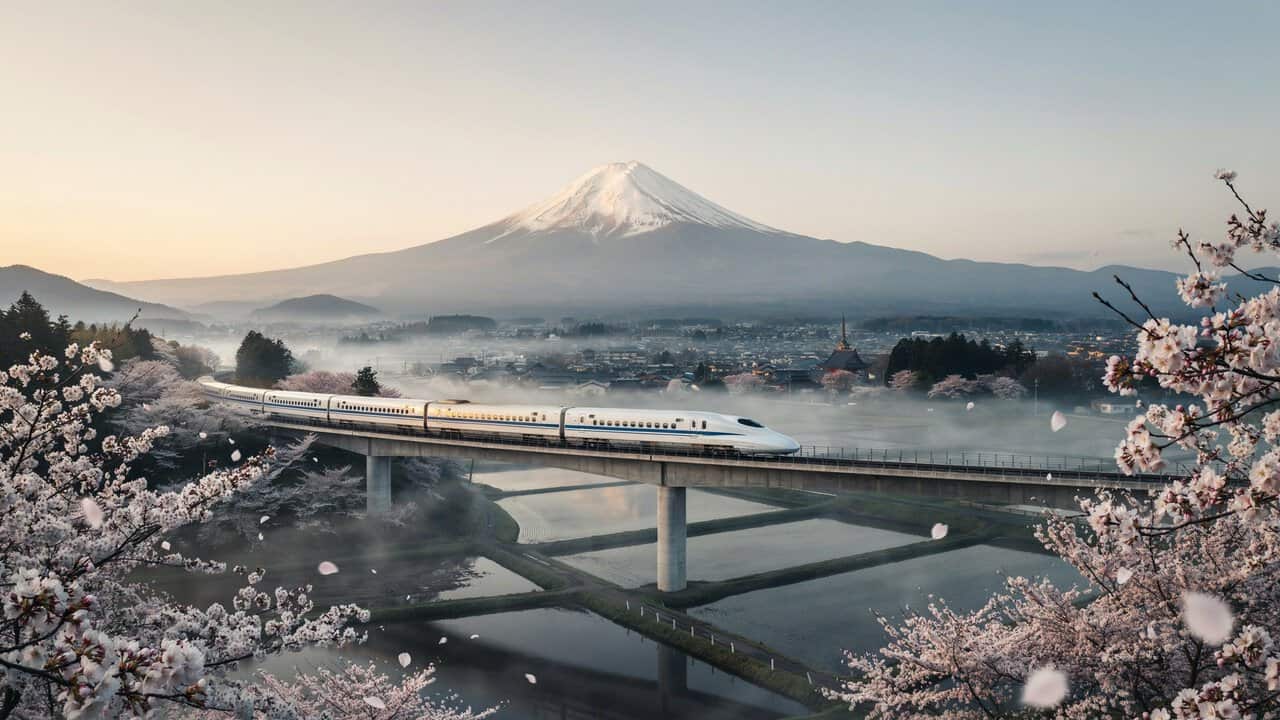
Image generated with Ai
Japan is improving travel accessibility through continued transport network development, with rail systems supporting movement between major cities and regional destinations. The country’s railway infrastructure connects international arrival points with cultural, natural and rural tourism areas, helping visitors create wider travel routes. Japan Strengthens Rail Connectivity as transport accessibility becomes an important part of regional tourism planning. The development does not introduce visa or passport changes, but it improves how travellers move after entering Japan. Better connections are helping visitors explore more destinations while supporting broader tourism distribution across the country.
News Focus and Evidence Breakdown
Japan’s transport development story is primarily focused on infrastructure and mobility rather than border policy. The available evidence confirms that railway improvements support domestic movement and tourism accessibility, while direct immigration effects remain unchanged.
Advertisement
Advertisement
The following assessment shows the relative importance of each verified element within the overall travel story. The percentages represent an editorial assessment based on the amount and relevance of confirmed information available, not official statistics.
| News Component | Share of Story | Officially Verified Finding | Relevance to Travellers | Official Source |
|---|---|---|---|---|
| Transport infrastructure | 40% | Japan maintains an extensive railway network including high-speed and regional services connecting different areas | Enables easier movement between destinations | Japan transport authorities |
| Tourism accessibility | 25% | Improved transport options support access to regional attractions and wider travel routes | Allows visitors to explore beyond major cities | National tourism guidance |
| Regional destination development | 15% | Better connections provide opportunities for rural and local tourism areas | Creates more destination choices | Tourism development policies |
| Visitor experience | 10% | Multilingual information and organised transport systems support international travellers | Reduces travel difficulties after arrival | Official visitor information |
| Visa and border policy | 10% | Transport improvements do not change entry requirements | Travellers must follow existing immigration rules | Immigration authorities |
The verified evidence establishes that Japan’s transport network is a major tourism-supporting infrastructure. However, it does not establish that railway development alone increases visitor numbers in every connected location. Tourism outcomes also depend on attractions, accommodation, marketing and local services.
Advertisement
Advertisement
The main significance for travellers is improved movement after arrival. The development should be understood as a transport accessibility improvement rather than a change in travel permission requirements.
Current Situation
Japan’s railway network continues operating as a central part of the country’s travel system. High-speed rail routes, local railway services and connections with other transport modes provide access between major cities and regional destinations. The current situation shows a mature transport system being used to support wider visitor mobility. International travellers can combine large urban destinations with regional experiences because many areas are connected through organised public transport networks.
Advertisement
Advertisement
Rail Connectivity is not a new transport concept in Japan, but ongoing improvements continue to influence how visitors plan journeys. The focus is increasingly on creating smoother movement across regions rather than limiting tourism activity to a small number of famous locations. The transport system currently supports tourism access, but it does not replace existing visa procedures. Entry rules remain separate from domestic travel infrastructure.
Why the News Matters
The importance of Japan’s transport development lies in how infrastructure shapes visitor behaviour. Modern travellers increasingly seek multi-destination journeys, combining major attractions with local experiences. Strong transport access allows regions outside the largest cities to become more visible in international travel planning. A visitor arriving in Japan can use connected transport options to reach areas known for heritage sites, landscapes, food culture and seasonal experiences.
Japan Strengthens Rail Connectivity by using mobility infrastructure as a foundation for wider destination accessibility. This approach is significant because tourism benefits are not limited to airport cities or traditional visitor centres. The travel industry affected by this development includes accommodation providers, local attractions, tour operators and regional businesses. However, the scale of impact differs between destinations depending on their tourism capacity and visitor services.
Chronology of Transport Development and Tourism Access
Japan’s high-speed railway development began with the opening of the first Shinkansen service in 1964, connecting Tokyo and Osaka. The introduction created a faster alternative for long-distance domestic travel and became a model for modern high-speed rail systems. Over subsequent decades, additional high-speed routes expanded connections between different regions. These developments gradually reduced travel times and improved links between population centres and regional areas.
The expansion of railway access continued with additional route developments, including improvements in northern, western and central parts of Japan. The Hokuriku region received further high-speed rail access when the line extension between Kanazawa and Tsuruga began operation in 2024. The development of these connections supported broader mobility patterns. Travellers gained more options to include regional destinations within shorter itineraries.
Japan’s tourism recovery after international border restrictions also increased attention on domestic movement capacity. As international arrivals increased, efficient transport became increasingly important for managing visitor journeys across the country. The current position is that Japan’s railway system remains a major component of national mobility. Future transport decisions will continue to focus on maintaining services, improving accessibility and responding to changing travel demand.
Advertisement
Advertisement
How the Development Came Together: Understanding Japan’s Transport-Led Tourism Strategy
Japan’s transport development has been shaped by a long-term effort to improve mobility between major population centres and regional areas. The direct driver behind the current tourism relevance is the continued expansion and improvement of railway accessibility, which allows visitors to move across the country more efficiently. Official transport and tourism information confirms that trains, buses, ferries and domestic connections form a nationwide travel system supporting visitor movement.
The evidence does not show that railway improvements alone create tourism growth. Instead, transport functions as an enabling factor that allows destinations to become easier to reach. Tourism performance still depends on attractions, accommodation capacity, local services and destination management.
High-Speed Rail as a Regional Access Tool
The Shinkansen network remains one of Japan’s most important transport developments. Since the first high-speed rail service began operating in 1964, the network has expanded to connect several regions across the country.
The purpose of these connections has been broader than reducing travel time. Improved accessibility has helped integrate regional destinations into wider travel routes. Areas that previously required longer journeys can now be included more easily within visitor itineraries.
The development of the Hokuriku Shinkansen extension to Tsuruga in 2024 provided additional high-speed rail access to parts of central Japan. Such infrastructure improvements demonstrate how transport planning can influence destination accessibility without directly changing tourism policy.
Regional Tourism and Mobility Balance
Japan’s tourism strategy has increasingly focused on encouraging visitors to experience destinations beyond the largest cities. Better transport access supports this approach by reducing practical barriers for travellers.
Advertisement
Advertisement
Regional areas often offer cultural heritage, natural landscapes, traditional communities and local cuisine. However, accessibility remains an important factor when visitors decide where to travel.
Japan Strengthens Rail Connectivity through infrastructure that allows tourism demand to spread more widely. The strongest confirmed effect is improved mobility, while longer-term economic benefits depend on how effectively regions develop tourism products and services.
Sustainable Travel and Transport Efficiency
Rail transport also connects with wider international discussions around sustainable mobility. International organisations recognise public transport systems as important components of lower-emission travel strategies.
Japan’s extensive railway usage provides an alternative to some road-based travel options, particularly for intercity journeys. However, sustainability outcomes depend on operational practices, energy sources and infrastructure management.
The development therefore represents a combination of transport efficiency, visitor convenience and regional accessibility rather than a single tourism measure.
Verified Figures and What They Mean
Official tourism statistics show that Japan experienced strong international visitor recovery following the reopening of international travel. This increased attention on domestic mobility because visitors need efficient transport options after arriving.
Advertisement
Advertisement
The key figures relevant to the transport and tourism relationship include:
| Indicator | Reporting Period | Verified Figure | Travel Meaning |
|---|---|---|---|
| International visitor arrivals | 2024 | More than 36 million overseas visitors | Increased demand for efficient movement within Japan |
| Shinkansen operation | Since 1964 | High-speed rail network expanded across multiple regions | Supports faster multi-region travel |
| Hokuriku Shinkansen extension | March 2024 | Service extended to Tsuruga | Improved access to additional regional areas |
| Tourism mobility system | Current transport network | Rail, bus, ferry and domestic connections operate nationwide | Gives travellers multiple route options |
The figures show that Japan’s tourism environment is supported by a developed mobility network. However, available data does not prove that every railway improvement produces identical tourism results.
Transport access creates opportunities, but destinations must continue improving visitor facilities, accommodation and local experiences to convert accessibility into tourism growth.
Official Statements and Confirmed Positions
Official tourism guidance highlights the importance of using Japan’s extensive transport options when travelling across the country. Visitor information encourages travellers to consider trains, buses, ferries and domestic transport services when planning journeys.
Transport authorities continue focusing on maintaining safe, reliable and accessible mobility systems. The confirmed position is that transport infrastructure remains a foundation for national connectivity.
There are no official announcements indicating that railway development changes visa requirements, passport rules or border procedures. Entry requirements continue to depend on existing immigration regulations.
Advertisement
Advertisement
Tourism and Traveller Impact
The strongest confirmed impact of improved Rail Connectivity is greater travel convenience after visitors enter Japan. International travellers can create more flexible itineraries because many destinations are connected through organised transport networks.
The main affected groups include:
- International leisure travellers seeking multi-city journeys
- Domestic tourists travelling between regions
- Regional tourism businesses
- Accommodation providers outside major cities
- Local attractions and cultural destinations
For visitors, improved connections reduce the difficulty of travelling between locations. A journey that combines urban sightseeing with rural experiences becomes easier to organise when transport options are reliable. For regional communities, better accessibility creates opportunities to attract visitors. However, increased visitor numbers cannot be guaranteed only through infrastructure improvements.
The wider travel industry benefits when transport, accommodation and destination services develop together. Airlines, airports and tourism operators are indirectly connected because efficient ground transport influences how visitors continue their journeys after arrival. Japan Strengthens Rail Connectivity as part of a broader approach to improving destination accessibility. The confirmed outcome is better mobility, while the wider economic impact depends on future tourism development.
Practical Information for Travellers
Travellers planning journeys across Japan should understand that transport improvements affect movement within the country but do not change entry requirements.
Important points include:
Advertisement
Advertisement
- Check current Japan entry requirements before travelling.
- Confirm whether a visa is required based on nationality.
- Plan rail routes before travelling between distant regions.
- Check transport schedules during peak holiday periods.
- Consider regional travel passes where suitable.
- Allow additional time for transfers between airports, stations and destinations.
- Use official travel information when planning routes.
Visitors do not need new documents because of railway developments. Standard passport and immigration requirements remain applicable.
Travellers should continue checking official updates before departure because transport schedules, services and travel conditions can change.
What Travellers Should Do Next
Monitor Transport Updates Before Planning Regional Japan Trips
Travellers visiting Japan should review current transport information before finalising detailed itineraries. The railway network provides extensive access, but route planning remains important for long-distance journeys.
Action Points
- Check official travel guidance before departure.
- Confirm passport and visa requirements.
- Review railway schedules for planned routes.
- Reserve seats when required for specific services.
- Consider regional destinations connected by rail.
- Check airport-to-city transport options.
- Keep booking records and travel documents available.
The situation does not require immediate changes for most travellers. Monitoring official transport updates remains the most practical approach.
Future Outlook
Japan’s future transport direction is expected to continue focusing on accessibility, reliability and regional connections. Confirmed infrastructure projects and operational improvements will determine how mobility develops over time. The next stage will likely involve maintaining existing networks, improving passenger experiences and adapting services to changing travel patterns.
Japan Strengthens Rail Connectivity as transport remains closely linked with tourism accessibility. Future developments will depend on officially announced projects and confirmed implementation schedules. The country’s transport system will continue supporting visitor movement, but tourism growth will depend on broader factors including destination management, accommodation capacity and international travel demand.
Japan’s Rail Network Remains a Tourism Foundation
Japan’s Rail Connectivity development shows how transport infrastructure supports easier visitor movement and wider destination access. The railway system helps travellers explore beyond major cities while connecting regional communities with tourism opportunities. Japan Strengthens Rail Connectivity through continued improvements in high-speed and regional transport networks. The confirmed impact is better mobility after arrival, not changes to visas or passports. Future tourism outcomes will depend on infrastructure, local services and destination planning working together. Japan’s transport model demonstrates how efficient travel networks can support a more balanced tourism system while improving experiences for visitors across the country.
Advertisement
