
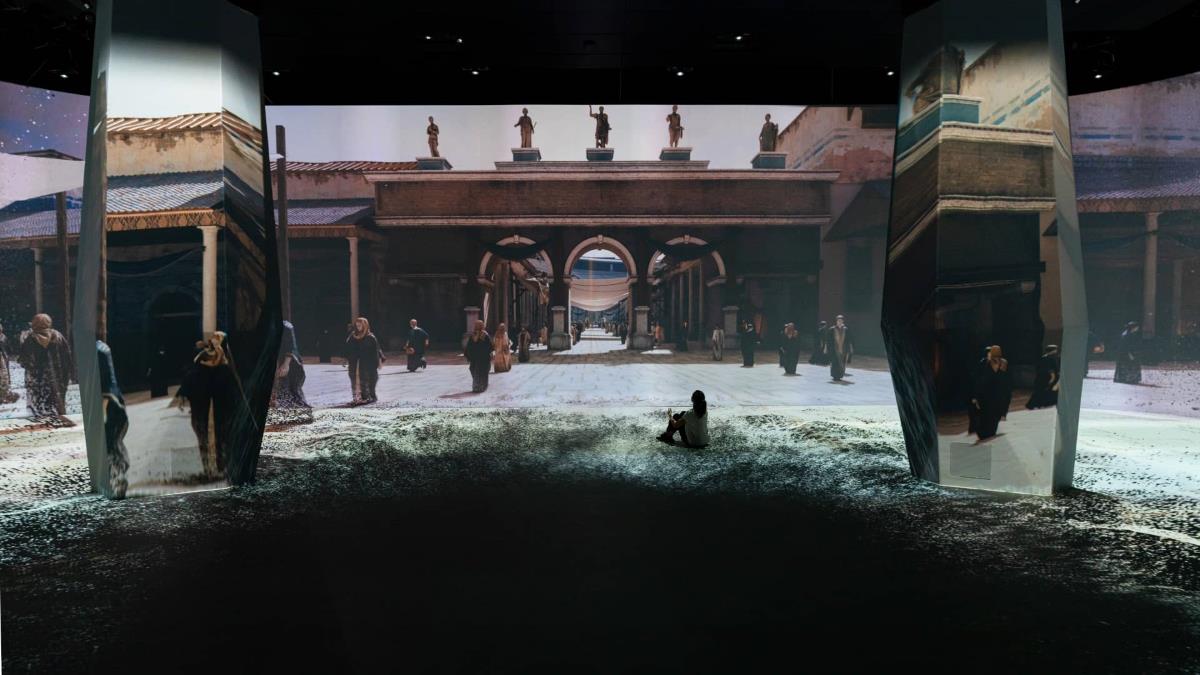
Image generated with Ai
Image: Turkey Tourism
MENA travellers are reshaping their autumn 2026 holiday choices as culture-led city breaks, short “micro-cations” and nature-focused escapes gain popularity across the region. Travel marketplace WINGIE has identified Istanbul in Türkiye, Baku in Azerbaijan, Tbilisi in Georgia, Amman in Jordan, Muscat in Oman, Doha in Qatar, AlUla in Saudi Arabia, Cappadocia in Türkiye and Ras Al Khaimah in the UAE as destinations matching changing traveller preferences during the autumn season. The shift is being driven by milder weather, demand for meaningful experiences and growing interest in shorter, easier-to-plan journeys.
Autumn is becoming an increasingly important travel period for MENA residents as extreme summer temperatures ease and outdoor activities become more comfortable. Instead of depending only on long annual holidays, travellers are increasingly exploring shorter breaks that combine culture, food, heritage, shopping and natural landscapes within a few days.
Historic cities with strong cultural identities are emerging as major choices for autumn travel across the MENA region. Istanbul, Baku and Tbilisi are attracting attention because they offer a combination of heritage, architecture, local cuisine and neighbourhood experiences that suit travellers looking for immersive but manageable holidays. The autumn season provides favourable conditions for exploring these destinations. Cooler temperatures allow visitors to spend more time walking through historic districts, visiting cultural attractions and experiencing local markets and dining areas without the intense summer heat.
Advertisement
Advertisement
Istanbul continues to stand out because of its unique position between Europe and Asia, offering travellers access to centuries of history, Ottoman landmarks, waterfront experiences and a globally recognised food culture. The city’s mix of heritage and modern lifestyle makes it suitable for both leisure travellers and short-break visitors. Baku offers a different cultural experience with its combination of ancient traditions, modern architecture and Caspian Sea setting. Meanwhile, Tbilisi attracts visitors with its historic streets, traditional cuisine and distinctive Georgian hospitality. These destinations reflect a wider movement in tourism where travellers are prioritising authentic experiences over simply visiting famous landmarks.
Short breaks are becoming a major part of autumn travel planning, with destinations such as Amman, Muscat and Doha positioned as ideal locations for “micro-cations” — compact holidays designed around a few days of exploration. The rise of micro-cations reflects changing travel behaviour across the region. Many travellers now prefer flexible journeys that require less time away from work while still providing a meaningful escape. Amman offers visitors a combination of ancient history, archaeological attractions and vibrant urban experiences. Its location also allows travellers to explore wider Jordanian destinations through short extensions.
Muscat provides a balance between cultural discovery and relaxation, combining traditional architecture, coastal scenery, markets and nearby natural attractions. The Omani capital is particularly suited for travellers seeking a calm alternative to larger metropolitan destinations. Doha has strengthened its position as a short-break destination through its cultural attractions, museums, shopping experiences and modern hospitality infrastructure. Its connectivity through international aviation networks also supports quick regional escapes. The growth of micro-cations indicates that travellers are increasingly valuing convenience, accessibility and experience quality rather than only the length of a holiday.
Nature-focused travel is another major trend shaping autumn 2026 tourism demand in the MENA region. Destinations including AlUla in Saudi Arabia, Cappadocia in Türkiye and Ras Al Khaimah in the UAE are gaining attention among travellers seeking outdoor experiences and dramatic landscapes. Autumn creates favourable conditions for exploring desert landscapes, mountains and open-air attractions. These destinations appeal to travellers looking for slower-paced journeys away from crowded urban environments.
Advertisement
Advertisement
AlUla has become one of Saudi Arabia’s most recognised tourism destinations, known for its archaeological heritage, desert scenery and natural rock formations. The cooler autumn climate supports outdoor exploration, including cultural visits and landscape-based experiences. Cappadocia remains a popular choice for travellers interested in unique geological formations, valleys and outdoor adventures. Its distinctive landscape creates opportunities for sightseeing experiences that differ from traditional city tourism.
Ras Al Khaimah continues to develop its position as an adventure and nature destination within the UAE, offering mountains, outdoor activities and coastal attractions. The popularity of these destinations highlights a broader regional tourism shift towards experiential travel, where landscapes and local environments become central parts of the holiday experience.
The latest travel trends suggest that MENA travellers are moving towards more intentional holiday planning. Instead of focusing only on major vacations, travellers are increasingly choosing destinations based on specific interests, including culture, relaxation, nature and local experiences. This change creates opportunities for tourism boards, airlines, hotels and destination operators to develop more targeted autumn campaigns. Short itineraries, cultural packages and outdoor experiences can help destinations attract visitors during shoulder seasons.
For airlines and travel companies, the rise of shorter regional trips could support additional demand for flexible flight schedules and convenient connections between major MENA cities and nearby international destinations. For hotels and hospitality businesses, autumn presents an opportunity to promote experience-driven packages focused on heritage, wellness, adventure and local discovery.
The 2026 autumn travel outlook shows that MENA tourism is becoming increasingly diverse. Traditional city tourism is being combined with nature exploration and shorter travel formats, creating a broader range of opportunities for travellers and the tourism industry.
From Istanbul’s cultural heritage to AlUla’s desert landscapes and Muscat’s coastal charm, destinations across and beyond the region are aligning their offerings with changing visitor expectations. As travellers continue to seek flexible and meaningful experiences, autumn is positioned as a key season for discovering destinations through shorter, richer and more personalised journeys.
Advertisement
Tags: AlUla tourism, cultural city breaks, Doha short breaks, Istanbul Travel, MENA autumn travel trends 2026
Advertisement
Advertisement













Sunday, September 6, 2026

Sunday, September 6, 2026

Sunday, September 6, 2026
Saturday, September 5, 2026

Saturday, September 5, 2026

Sunday, September 6, 2026

Sunday, September 6, 2026