
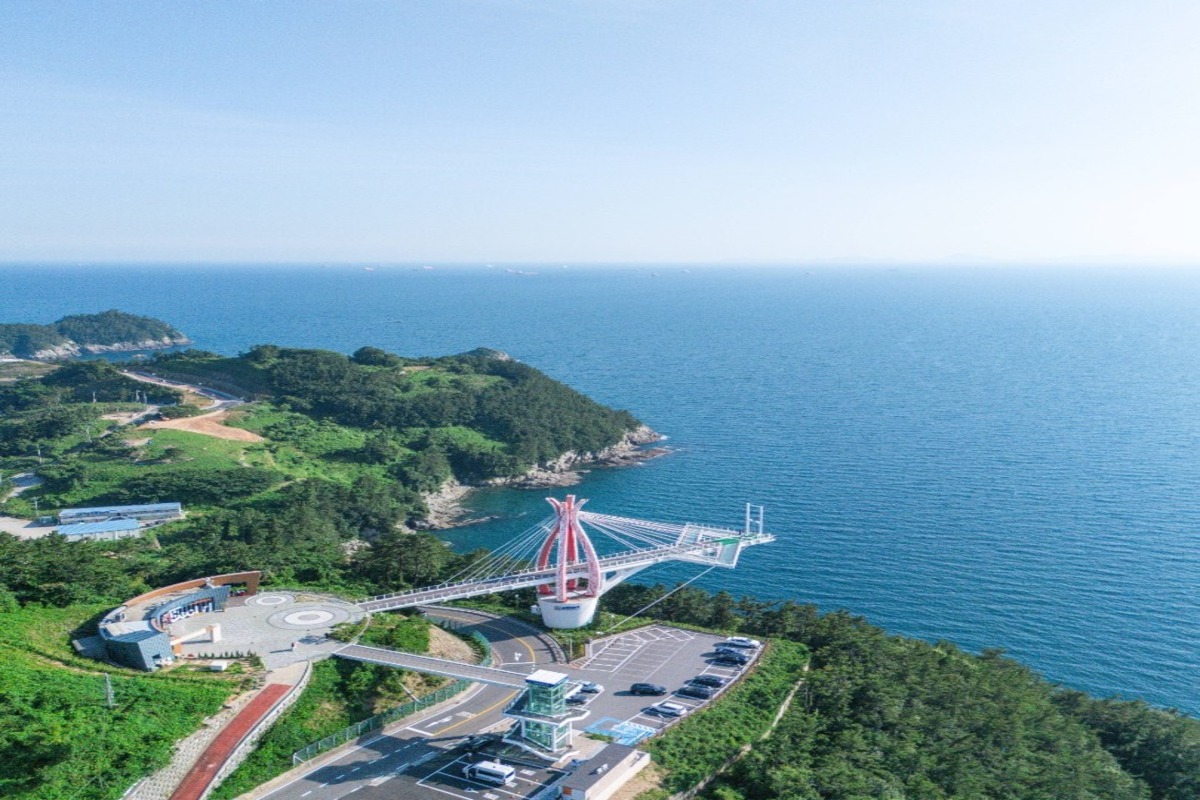
Image generated with Ai
South Korea tourism ways are overwhelmed by 1,753 visitor complaints. South Korea has never experienced more tourism related complaints than in 2026. The issues are across accommodations, shops, transport and flight facilities and continue to grow with more people from all over the world visiting.
New data released on 6 September shows that 1,753 tourism-related complaints were recorded across South Korea between January and July 2026. That figure has already exceeded the 1,744 complaints registered during the whole of 2025, signalling that service problems are increasing alongside the country’s strong rebound in international tourism.
The figures compiled by the Korea Tourism Organisation highlight a wide range of traveller concerns, from accommodation booking disputes and excessive cancellation charges to shopping overpricing, poor customer service and problems involving taxis.
The increase has created fresh pressure on the tourism sector to strengthen service standards at a time when South Korea is attracting growing numbers of overseas visitors.
Advertisement
The scale of the increase is significant because the 2026 total surpassed the previous full-year figure before the end of July.
Tourist complaints dropped sharply during the COVID-19 pandemic as international travel collapsed. However, they began climbing again as borders reopened and visitor numbers recovered.
The upward trend has accelerated since 2023 as South Korea has benefited from renewed global interest in Korean culture, entertainment, shopping, cuisine and major events.
The rapid recovery has helped tourism businesses rebuild demand, but it has also placed additional pressure on accommodation providers, transport operators, shops and other businesses serving visitors.
Advertisement
Advertisement
This year’s complaint figures suggest that maintaining service quality is becoming increasingly important as tourism volumes rise.
South Korea’s largest tourism centres accounted for most of the reported problems.
Seoul registered 665 complaints between January and July, the highest total among all destinations.
Busan followed with 594 complaints, while Incheon recorded 176 cases. Jeju, one of the country’s most important leisure destinations, reported 155 complaints.
The high figures in Seoul are significant because the capital remains the main gateway and tourism hub for many international visitors.
Its hotels, shopping districts, cultural attractions and transport networks handle enormous numbers of travellers throughout the year.
Busan’s increase was even more striking.
The south-eastern coastal city recorded 594 complaints during the first seven months of 2026, more than double the 239 cases reported throughout the previous year.
Busan’s rise in complaints coincided with strong visitor demand generated by major entertainment events.
Around 110,000 visitors travelled to the city for large-scale K-pop concerts held in June as part of a major world tour.
Events of this size can produce significant economic benefits for hotels, restaurants, retailers and transport operators. However, they can also create sudden spikes in demand that place enormous pressure on local tourism infrastructure.
Accommodation becomes particularly sensitive during such periods because room availability falls while prices and booking demand rise sharply.
Visitors have reported problems connected with reservation cancellations and high cancellation penalties during heavily booked periods.
Such disputes can become especially damaging when travellers have already purchased flights, concert tickets and other non-refundable travel services.
Accommodation generated the largest number of complaints nationwide.
Around 500 cases involved hotels and other lodging providers, including disputes over unilateral reservation cancellations and excessive cancellation charges.
For travellers, an unexpected accommodation cancellation can disrupt an entire trip.
The problem can become more serious during concerts, festivals or holiday periods when alternative rooms may be limited or significantly more expensive.
The figures therefore highlight the need for clearer booking conditions and stronger customer protection across South Korea’s accommodation market.
As tourism expands, visitors will increasingly expect transparent cancellation policies, reliable reservations and clear communication before arrival.
Retail-related problems were another major source of dissatisfaction.
A total of 376 complaints involved unfriendly service or allegations of overcharging at shops.
Shopping remains an important part of South Korea’s tourism appeal, especially in Seoul, Busan and other major visitor centres.
Problems involving unclear pricing or poor customer treatment can therefore affect more than individual businesses.
International travellers increasingly share experiences through social media, travel platforms and online reviews, meaning one negative encounter can influence the expectations of thousands of potential visitors.
Maintaining transparent prices and consistent customer service is becoming increasingly important as South Korea competes with other Asian destinations for international tourism spending.
Transport-related problems were also prominent.
Airport and airline services generated 186 complaints during the January-to-July period.
Another 182 complaints involved taxis, including reports of drivers refusing to use meters or operating vehicles in a reckless manner.
Taxi problems can have a particularly strong impact on international tourists because visitors may be unfamiliar with local routes, pricing systems and transportation regulations.
Airport transport is also one of the first and last parts of a traveller’s experience in a destination.
Problems during these journeys can therefore shape overall perceptions of a trip, even when the rest of the visit goes smoothly.
International tourists represented 84.3 per cent of all complaints recorded during the period.
Chinese visitors filed the largest number, accounting for 680 cases.
Japanese travellers submitted 263 complaints, while visitors from Taiwan recorded 182 cases.
The distribution partly reflects the importance of East Asian source markets to South Korea’s tourism industry.
China, Japan and Taiwan remain major contributors to international visitor flows, particularly for short-haul city breaks, shopping trips, cultural tourism and entertainment-driven travel.
Ensuring satisfactory experiences for these markets will therefore remain important for the country’s tourism growth strategy.
The complaint increase comes during an exceptionally strong period for South Korean tourism.
Foreign visitor arrivals surpassed 10 million before the end of the first half of 2026 for the first time, demonstrating the scale and speed of the country’s tourism recovery.
That growth creates major economic opportunities, but it also increases the responsibility of tourism businesses and authorities to maintain standards.
More travellers inevitably mean greater demand for hotel rooms, taxis, airport services, retail businesses and visitor facilities.
Without sufficient capacity, regulation and service training, rapid growth can expose weaknesses that may be less visible during quieter periods.
The next challenge for South Korea will be converting strong visitor numbers into consistently positive travel experiences.
The record level of complaints does not necessarily mean most travellers are dissatisfied. However, the rapid increase provides an important warning for destinations experiencing fast tourism growth.
Authorities and private businesses may need to strengthen monitoring of accommodation booking practices, improve pricing transparency, raise taxi service standards and ensure complaints are resolved quickly.
Clear multilingual information could also help international visitors understand booking conditions, transport fares and their consumer rights.
South Korea’s tourism momentum remains powerful, supported by its entertainment industry, cultural attractions, major cities and expanding global appeal.
But sustaining that momentum will depend not only on attracting visitors but also on ensuring they leave with experiences worth recommending.
As international arrivals continue climbing, service quality may become one of the most important factors shaping the next stage of South Korea’s tourism growth.
Advertisement
Tags: international travellers, South Korea tourism, South Korea travel 2026, tourist complaints, Travel Service Issues
Advertisement
Advertisement













Sunday, September 6, 2026

Sunday, September 6, 2026

Sunday, September 6, 2026

Sunday, September 6, 2026

Saturday, September 5, 2026

Saturday, September 5, 2026

Sunday, September 6, 2026

Sunday, September 6, 2026



