
Miami Joins Dallas and Six Major US Airports as Runway Closures Squeeze Flight Capacity

Published
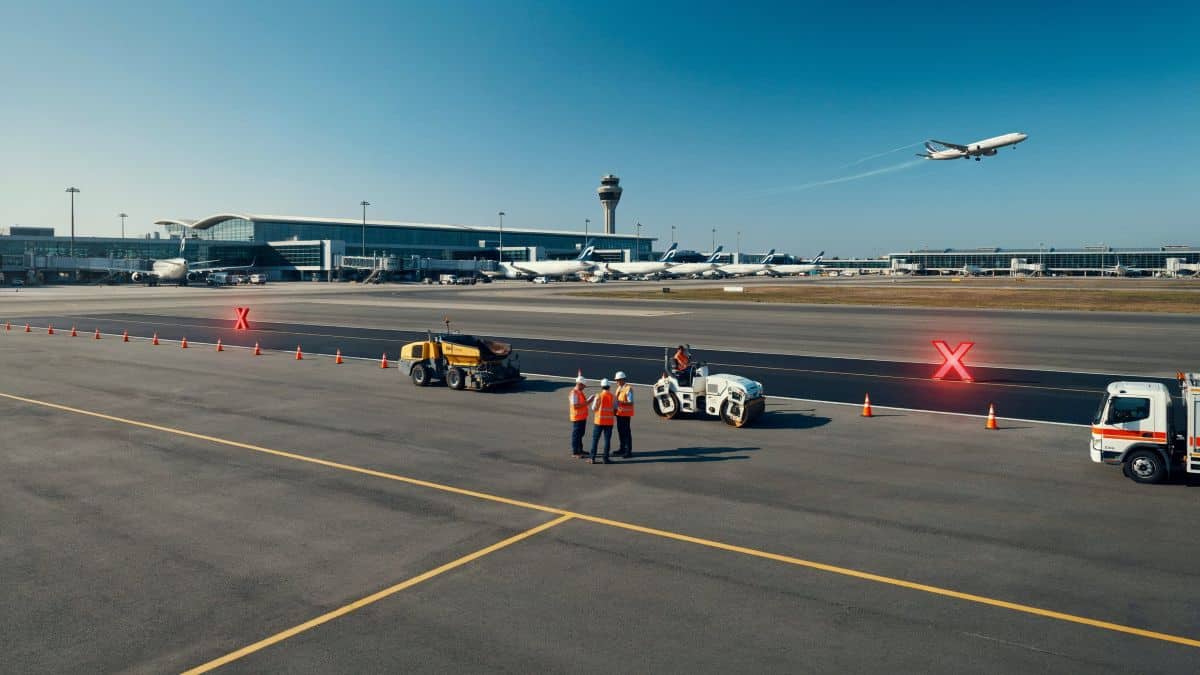
Image generated with Ai
Miami International Airport has joined Dallas Fort Worth and six other Major US Airports facing runway or taxiway restrictions. The construction does not close these airports, but it reduces the space available for aircraft movements. That could make flight schedules more vulnerable when bad weather, heavy demand or air traffic restrictions strike. The latest Federal Aviation Administration Current Operations Plan, issued at 09:01 UTC on 30 August 2026, lists infrastructure constraints at airports serving Miami, New York, Seattle, Denver, Baltimore, San Francisco, Houston and Dallas. Some restrictions end within days. Others will remain in place for months.
Travellers should not assume that every listed closure will cause disruption. At the latest FAA status check, all eight airports were reporting general arrival and departure delays of 15 minutes or less, with no destination-specific delay programmes active. However, conditions can change quickly during peak periods.
Advertisement
Advertisement
Why Runway Closures Can Squeeze Flight Capacity
A large airport can remain open while one runway or taxiway is unavailable. Aircraft can use other parts of the airfield, but controllers have fewer options for sequencing take-offs, landings and ground movements.
That loss of flexibility matters most when traffic builds or wind changes the safe runway direction. It can lead to longer taxi times, aircraft queues, revised arrival rates and possible flight delays. Airlines may also need to adjust schedules, gates or connections.
Advertisement
Advertisement
Eight Major US Airports Facing Restrictions
According to the FAA Current Operations Plan, the main constraints are:
Advertisement
Advertisement
- Miami International Airport: Taxiway closures are listed until 31 August 2026.
- LaGuardia Airport: Intermittent closures of Runway 04/22 continue at scheduled times until 1 September 2026.
- Seattle-Tacoma International Airport: High-speed Taxiway P remains closed until 2 September 2026.
- Denver International Airport: Taxiways EE and M are listed as closed until 9 September 2026.
- Baltimore/Washington International Thurgood Marshall Airport: The FAA plan lists construction affecting its runway system through 10 October 2026. Travellers should check the live FAA status because the operational scope may vary.
- San Francisco International Airport: Construction involving Runway 01R/19L and Taxiway W is listed until 15 November 2026. SFO separately expects its primary Runway 1R work to continue into early October.
- Houston Hobby Airport: Runway 04/22 is listed as closed until 31 December 2026, while Runway 13L/31R has a restriction extending to 9 January 2027.
- Dallas Fort Worth International Airport: Runway 18L/36R is scheduled to remain closed until 15 May 2027, giving DFW the longest listed restriction.
The pressure will not be equal at every airport. A taxiway closure may slow ground movements, while a runway closure can directly reduce arrival or departure options.
How Runway Closures Could Affect Travellers at Major US Airports
Runway Closures do not automatically mean cancelled flights. The eight airports remain open, and airlines continue to operate. The main risk is reduced Flight Capacity when another problem develops at the same time.
Bad weather can quickly increase pressure. Strong winds, thunderstorms, low clouds or poor visibility may force controllers to use fewer runways. Construction then leaves them with even fewer options for managing aircraft safely.
Travellers could potentially face:
- Longer arrival queues: Air traffic controllers may space approaching aircraft farther apart.
- Departure holds: Flights may remain at their gates or wait in taxi queues until take-off space becomes available.
- Possible flight delays: Busy travel periods can create delays when demand exceeds the airport’s temporary operating capacity.
- Missed connections: Even a short delay can affect passengers with tight domestic or international transfers.
- Gate changes: Airlines may move aircraft when arriving flights reach terminals later than planned.
- Longer taxi times: Taxiway restrictions can force aircraft to use less direct routes between runways and terminals.
- Knock-on disruption: A late inbound aircraft may delay its next departure, even at another airport.
The effect will differ across the eight Major US Airports. Miami’s taxiway restrictions may mainly influence ground movements, while runway work at Dallas Fort Worth, Houston Hobby and San Francisco could place greater pressure on aircraft arrival and departure patterns.
Advertisement
Advertisement
San Francisco International Airport has issued one of the clearest passenger warnings. The airport says reduced FAA arrival rates and runway construction could cause delays of at least 30 minutes for about 30% of arriving flights during affected periods. This estimate does not mean every SFO flight will be delayed.
Everything Travellers Need to Know Before Flying
Passengers should check their flight more than once. A service showing “on time” early in the day can change if weather or congestion reduces Flight Capacity later.
Before Leaving for the Airport
- Check the airline’s app, website and text alerts.
- Review the FAA’s live National Airspace System Status for airport-specific delays.
- Confirm the terminal, gate and departure time.
- Allow extra time for connections at affected airports.
- Keep medicines, documents, chargers and essential items in hand luggage.
- Avoid booking separate tickets with a short transfer between them.
During a Delay
Ask the airline whether the aircraft, crew or inbound service has been delayed. This can help passengers understand whether their flight is directly affected by Runway Closures or by disruption elsewhere.
Travellers with connections should contact the airline as soon as a delay appears. Early action can provide more rebooking choices before remaining seats fill.
Passengers should also check whether their travel insurance or payment card covers meals, accommodation or missed connections. Coverage varies, so receipts should be retained.
Advertisement
Advertisement
Airport-Specific Timing Matters
Short restrictions at Miami, LaGuardia, Seattle and Denver are scheduled to end first. Construction at Baltimore/Washington, San Francisco, Houston Hobby and Dallas Fort Worth extends deeper into 2026 or 2027.
These dates can change as work progresses. Travellers should treat the FAA plan as an operational snapshot and check live information on the day of travel..
In conclusion, Miami joins Dallas and six major US airports as runway closures squeeze flight capacity because construction removes operational flexibility without shutting the airports. The restrictions leave controllers with fewer options when storms, poor visibility or peak demand increase pressure. Travellers may face longer taxi times, arrival spacing and possible flight delays, although disruption is not guaranteed. Checking airline alerts, FAA updates and connection times remains essential while these temporary runway and taxiway restrictions continue.
Advertisement
