
Romania Takes the Crown Ahead of Switzerland, Latvia and More as Europe’s Top 20 Christmas Markets for 2026 Steal the Spotlight

Published
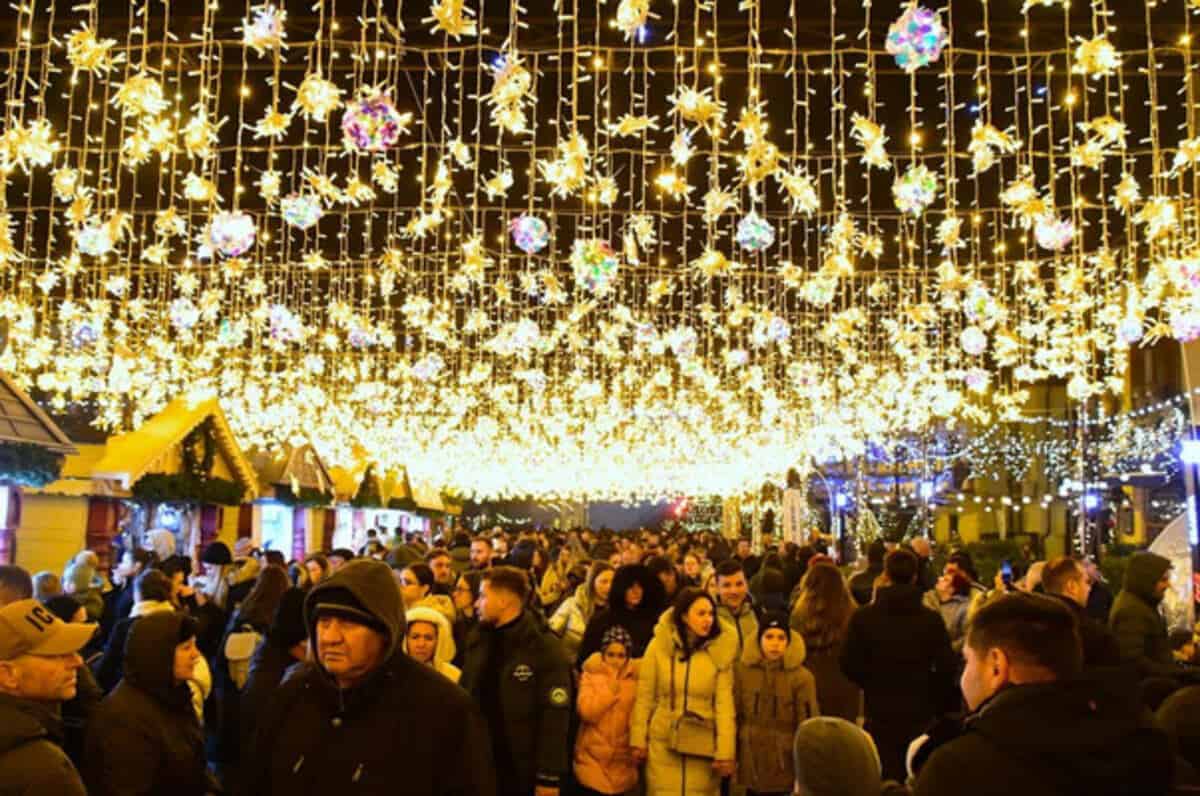
Romania, Switzerland, Latvia, Portugal and Hungary have emerged as Europe’s leading Christmas market destinations for 2026, with Craiova, Zurich, Riga, Lisbon and Debrecen securing the top five positions in a traveller-led ranking published by European Best Destinations. Based on more than 800,000 international traveller votes, the selection highlights 20 Christmas destinations across Europe as cities prepare for the November 2026 to January 2027 festive travel season. The results bring attention to changing visitor preferences, with large-scale themed attractions, historic city centres, traditional food, cultural performances and winter entertainment helping destinations attract international interest. While Romania’s Craiova takes first place, established Christmas destinations including Vienna, Prague, Dresden, Nuremberg and Cologne remain among the continent’s recognised seasonal attractions. The ranking also highlights opportunities for hotels, tour operators, restaurants, local retailers and destination marketing organisations seeking to attract visitors beyond Europe’s traditional summer tourism period.
Romania’s Craiova Takes First Place as a Giant Christmas Wonderland Captures International Attention
Craiova has taken the leading position in Europe’s Christmas market ranking, giving Romania a prominent place in the continent’s winter tourism landscape. The city has gained recognition for transforming a substantial part of its centre into a large festive destination, with celebrations extending across more than 280,000 square metres. Its Christmas programme brings together decorated public squares, hand-painted wooden chalets, illuminated streets and family entertainment. Major attractions associated with the market include a Ferris wheel, an ice rink, giant decorative sculptures and a flying Santa sleigh installation described as one of the highest in Eastern Europe.
The market’s culinary offering also extends beyond traditional Romanian food. Seasonal stalls feature dishes inspired by Armenia, Georgia, Greece, Bulgaria and Serbia, creating an international food experience alongside local festive specialities. The supplied ranking describes a Nutcracker-inspired festive setting. However, the Craiova municipality’s announced programme for the forthcoming edition identifies The Land of Elves as the 2026 theme. The market is scheduled to open on 13 November 2026 and continue until 3 January 2027. These dates provide a clear planning window for winter visitors and tourism businesses.
Craiova‘s success is significant because the destination competes with European cities that have established Christmas market reputations stretching back generations. Its approach places strong emphasis on entertainment, visual attractions and seasonal experiences. The recognition may also help promote the wider region by encouraging visitors to extend their stay beyond the market itself. Accommodation providers, restaurants, retailers and local tourism services stand to benefit if international interest translates into additional visits and spending.
Advertisement
Advertisement
Switzerland’s Zurich Ranks Second With Alpine Christmas Charm, Festive Dining and Illuminated Attractions
Zurich has secured second place, demonstrating the continuing strength of Switzerland’s winter tourism appeal. The city offers a Christmas experience built around traditional markets, historic architecture, seasonal food and contemporary light installations. One of its principal attractions is Zürcher Wienachtsdorf at Sechseläutenplatz, located near Zurich Opera House and Lake Zurich. The setting combines wooden market chalets with views of the surrounding urban landscape, creating an accessible festive experience within the city centre.
Visitors can explore stalls selling handmade gifts, decorations and seasonal products. Swiss food traditions are another important feature, with fondue, warming drinks and winter specialities contributing to the market’s atmosphere. Zurich’s wider Christmas programme includes Weihnachtsallee near the main railway station. The area is associated with festive dining experiences, including fondue and mulled wine attractions.
Advertisement
Advertisement
Illuminarium at the Swiss National Museum adds another dimension through light projections, music and visual displays. Its setting within the museum courtyard creates a contemporary seasonal attraction alongside the city’s more traditional Christmas markets. Zurich’s position highlights the value of offering several complementary winter experiences within one destination. Travellers can combine market visits with shopping, museums, restaurants and sightseeing without depending on a single event.
Latvia’s Riga Claims Third Place as Baltic Heritage and Fairy-Tale Christmas Traditions Attract Travellers
Riga occupies third place, bringing international attention to Latvia’s traditional Christmas celebrations and UNESCO-listed historic centre. The city’s main festive market takes place at Doma Square in the Old Town, surrounded by historic architecture and illuminated streets. Wooden stalls, traditional decorations and seasonal entertainment help create a setting associated with Baltic Christmas customs.
Advertisement
Advertisement
Local crafts are central to the experience. Market stalls offer woollen knitwear, amber jewellery, wooden products and handmade gifts. Food attractions include roasted almonds, festive pastries and warming seasonal drinks. Riga‘s celebrations extend beyond the main square into surrounding parks and public spaces. Bastejkalns and Kronvalda Park are associated with illuminated walking routes and seasonal displays inspired by Latvian fairy tales and folklore. These attractions encourage visitors to explore the historic centre and neighbouring areas rather than concentrating all activity around one market.
Riga’s high position demonstrates the appeal of destinations that preserve local traditions while introducing modern entertainment. Its Christmas programme offers an alternative to larger Central European markets, particularly for visitors interested in heritage, crafts and regional culture. The ranking also provides Latvia with an opportunity to strengthen its winter destination marketing. Greater international awareness may support demand for accommodation, restaurants and cultural attractions, although the voting results do not establish actual visitor growth.
Portugal’s Lisbon Takes Fourth Place as Wonderland Lisboa Offers Christmas Magic Without Harsh Winter Weather
Lisbon ranks fourth, showing that festive tourism is not restricted to Europe’s colder destinations. The Portuguese capital offers Christmas celebrations in a relatively mild Atlantic climate, allowing visitors to combine seasonal entertainment with sightseeing. Wonderland Lisboa at Parque Eduardo VII is the centrepiece of the city’s festive experience. The event features seasonal stalls, decorations, family entertainment and attractions such as a large Ferris wheel and carousel.
The Ferris wheel provides elevated views of Lisbon, while an ecological ice rink adds a traditional winter activity to a destination better known for its sunshine and coastal setting. Portuguese food is an important part of the experience. Seasonal stalls feature local dishes, pastries and regional products, allowing visitors to explore the country’s culinary traditions alongside Christmas entertainment.
Advertisement
Advertisement
The supplied programme describes the forthcoming edition as the eleventh, with the theme The Roots of Christmas. This theme has not been independently confirmed here through an official 2026 event announcement. Wonderland Lisboa has previously attracted substantial attendance, with the supplied material referring to more than 1.2 million visitors. That figure should be treated as a reported event attendance indicator rather than an independently verified forecast for 2026.
Lisbon’s fourth-place ranking highlights the appeal of combining festive activities with established city tourism attractions. Visitors can explore historic neighbourhoods, museums, restaurants and waterfront areas during the same holiday. For the travel trade, Lisbon offers a different seasonal proposition: a Christmas city break that does not depend on snow or Alpine scenery.
Hungary’s Debrecen Enters Europe’s Top Five With More Than 100 Cultural Events and Family Attractions
Debrecen completes the top five, reinforcing the growing international visibility of Hungary’s regional tourism destinations. The country’s second-largest city celebrates Christmas across pedestrian streets and public squares, including Kossuth Square near the Reformed Great Church. Wooden chalets, illuminated decorations and traditional food create a festive atmosphere.
The programme described in the supplied ranking features more than 100 cultural events involving over 200 performers. Music, traditional celebrations and family entertainment form important parts of the seasonal experience. Visitors can enjoy Hungarian specialities such as kürtőskalács, commonly known as chimney cake, alongside roasted chestnuts and mulled wine. The city’s family attractions include Fairytale Town, St Nicholas carriage events and activities associated with the Advent period. Traditional candle-lighting ceremonies provide a cultural and community element to the celebrations.
Debrecen’s recognition is particularly important because it draws attention to a destination outside Budapest, Hungary’s main international tourism centre. The ranking gives the city an opportunity to promote its historic attractions, cultural activities and local food alongside its Christmas programme. For regional tourism businesses, the event may encourage short winter breaks and additional spending in accommodation, restaurants and shops. Its high position also demonstrates how smaller cities can attract international attention through distinctive seasonal programmes.
Italy, the Netherlands, Austria and France Bring Distinctive Christmas Experiences Into the Top Ten
Italy, the Netherlands, Austria and France occupy the remaining positions in Europe’s top ten, highlighting the extraordinary variety of settings that attract festive travellers. Govone and Asti in Italy rank sixth with Il Magico Paese di Natale, a Christmas celebration linking Piedmont’s historic towns and wine-producing landscapes. The programme includes theatrical Santa performances at Govone’s Royal Castle and more than 130 artisan stalls in Asti, alongside regional products such as truffles, roasted hazelnuts and local wines. The event traditionally takes place on selected weekends between November and December, creating opportunities for cultural and gastronomic winter breaks.
Advertisement
Advertisement
Valkenburg in the Netherlands ranks seventh, standing apart through its Christmas markets inside illuminated marlstone caves. The Velvet Cave and Municipal Cave offer underground stalls and festive decorations, while parades and seasonal attractions extend the experience above ground. Vienna follows in eighth position with its celebrated Rathausplatz market and additional festive settings at Schönbrunn, Belvedere and Spittelberg. France secures ninth and tenth places through Montbéliard, recognised for its elaborate Christmas lights and Franche-Comté specialities, and Paris, where festive markets across La Villette, the Tuileries area and Saint-Germain-des-Prés complement the capital’s shopping, dining and cultural attractions.
Scotland, Spain, England, Czechia and Belgium Keep Historic Christmas Markets in the Spotlight
Edinburgh, Madrid, Winchester, Prague and Bruges occupy positions eleven to fifteen, confirming the continued importance of historic city centres in Europe’s festive tourism offering. Edinburgh ranks eleventh, with Christmas stalls, entertainment rides and seasonal attractions adding to Scotland’s capital city experience. Its Christmas celebrations also complement the wider winter calendar, including Hogmanay events around New Year. Madrid follows in twelfth place, with its traditional market at Plaza Mayor recognised for red wooden stalls selling Nativity figures, decorations, festive gifts and seasonal products. The market forms part of the Spanish capital’s wider programme of Christmas lighting and cultural activities.
Winchester takes thirteenth place, offering a Christmas market within the historic grounds of Winchester Cathedral. Artisan products, seasonal food and traditional wooden chalets provide a distinctly English festive experience. Prague ranks fourteenth, with Old Town Square combining Gothic architecture, illuminated decorations, Czech food and seasonal performances. Bruges completes this group in fifteenth position. Its Winter Glow celebrations bring Christmas markets, festive lighting and winter attractions into the Belgian city’s medieval streets and squares. These destinations demonstrate how architectural heritage and cultural identity remain powerful attractions for visitors planning winter city breaks.
Germany Secures Five Places as Traditional Christmas Markets Remain Major Winter Attractions
Germany has more entries than any other country in the top 20, occupying all five positions from sixteenth to twentieth. Dresden ranks sixteenth with its historic Striezelmarkt, whose origins date to 1434. The market is associated with Saxon Christmas traditions, including wooden decorations, carved nutcrackers, festive crafts and stollen. Nuremberg follows in seventeenth place with its Christkindlesmarkt, recognised for traditional decorations, gingerbread and regional sausages. Ravenna Gorge takes eighteenth position, offering an unusual Christmas experience beneath a railway viaduct in the Black Forest, where illuminated arches and woodland surroundings create a dramatic seasonal setting.
Frankfurt ranks nineteenth, with its Christmas market centred on the historic Römerberg square. Traditional stalls, festive decorations and local specialities such as spiced apple wine and Bethmännchen pastries contribute to the experience. Cologne completes the ranking in twentieth position, with its Christmas market beside Cologne Cathedral remaining a major seasonal attraction. Although Germany’s destinations appear below several emerging markets in this particular vote, their positions should not be interpreted as evidence of declining visitor numbers. The ranking reflects traveller preferences, not official attendance, accommodation or tourism revenue statistics.
Complete Ranking of Europe’s Top 20 Christmas Markets for 2026
The following table presents the full ranking supplied for the 2026 festive travel season, together with each destination’s principal attraction and the usual operating period. Except for Craiova’s confirmed dates, the seasonal windows are indicative rather than verified 2026 opening schedules.
Advertisement
Advertisement
| Rank | Destination | Country | Main festive attraction | Typical season |
|---|---|---|---|---|
| 1 | Craiova | Romania | Giant themed decorations, Ferris wheel and flying Santa sleigh | 13 Nov 2026–3 Jan 2027 |
| 2 | Zurich | Switzerland | Wienachtsdorf, fondue experiences and Illuminarium | Late Nov–23 Dec |
| 3 | Riga | Latvia | Doma Square, Baltic crafts and illuminated trails | Late Nov–early Jan |
| 4 | Lisbon | Portugal | Wonderland Lisboa, Ferris wheel and ecological ice rink | Late Nov–early Jan |
| 5 | Debrecen | Hungary | Cultural performances and family Advent celebrations | Late Nov–23 Dec |
| 6 | Govone and Asti | Italy | Royal Castle entertainment and artisan stalls | Selected Nov–Dec weekends |
| 7 | Valkenburg | Netherlands | Underground Christmas markets inside caves | Mid-Nov–late Dec |
| 8 | Vienna | Austria | Rathausplatz and historic palace markets | Mid-Nov–26 Dec |
| 9 | Montbéliard | France | Christmas illuminations and artisan crafts | Late Nov–24 Dec |
| 10 | Paris | France | Festive villages, shopping and seasonal food | Late Nov–early Jan |
| 11 | Edinburgh | Scotland, UK | Christmas entertainment and fairground attractions | Mid-Nov–early Jan |
| 12 | Madrid | Spain | Plaza Mayor Christmas market | Late Nov–31 Dec |
| 13 | Winchester | England, UK | Cathedral Christmas market | Mid-Nov–22 Dec |
| 14 | Prague | Czechia | Old Town Square and traditional Czech festivities | Late Nov–6 Jan |
| 15 | Bruges | Belgium | Winter Glow and medieval market squares | Late Nov–early Jan |
| 16 | Dresden | Germany | Historic Striezelmarkt and Saxon Christmas crafts | Late Nov–24 Dec |
| 17 | Nuremberg | Germany | Christkindlesmarkt and traditional gingerbread | Late Nov–24 Dec |
| 18 | Ravenna Gorge | Germany | Christmas market beneath Black Forest railway viaduct | Four Advent weekends |
| 19 | Frankfurt | Germany | Römerberg Christmas market | Late Nov–22 Dec |
| 20 | Cologne | Germany | Cathedral Christmas market and festive lights | Mid-Nov–23 Dec |
European Christmas Market Rankings Highlight New Opportunities for Winter Tourism
The ranking reveals an increasingly diverse European festive tourism landscape. Romania, Latvia and Hungary have secured leading positions alongside Switzerland and Portugal, demonstrating that regional destinations can attract international attention through distinctive Christmas experiences. The results also highlight the importance of attractions beyond traditional shopping stalls. Illuminated trails, theatrical performances, Ferris wheels, ice rinks, underground markets and elaborate decorations provide additional reasons for families and international visitors to choose particular destinations. Lisbon’s strong performance demonstrates another important distinction: Christmas holidays can appeal to travellers seeking milder weather as well as those looking for traditional cold-weather settings.
For tourism businesses, these differences create opportunities to develop more targeted winter holiday products. Hotels can promote festive city breaks, restaurants can introduce seasonal dining experiences, and tour operators can combine Christmas markets with cultural sightseeing and regional excursions. Local craftspeople and food producers can also benefit from increased visibility. However, the rankings do not measure actual economic impact, and no direct relationship between voting position and visitor spending can be established. Comparable data on arrivals, overnight stays, accommodation occupancy and tourism expenditure would be needed to assess which destinations achieve the greatest commercial benefit.
Europe’s Festive Tourism Season Moves Towards More Immersive and Culturally Distinctive Experiences
The top 20 selection demonstrates how Christmas markets are developing into wider seasonal tourism attractions. Historic architecture and traditional food remain central to their appeal, but destinations increasingly offer themed installations, entertainment programmes and experiences designed to encourage visitors to explore beyond the main market square. Craiova’s expansive celebrations, Zurich’s urban winter attractions, Riga’s Baltic heritage, Lisbon’s mild-weather festivities and Debrecen’s cultural programme illustrate the different approaches being used to build destination recognition. Meanwhile, Germany’s five entries underline the continuing relevance of long-established Christmas market traditions.
For international travellers, the 2026 selection provides a broad range of winter holiday choices across Europe. For tourism boards, accommodation providers and travel operators, it offers insight into the destinations attracting attention ahead of the festive season. The central development is not the replacement of traditional Christmas markets, but the expansion of Europe’s festive tourism offering to include more regional cities, distinctive cultural experiences and varied seasonal attractions. As destinations prepare for the November and December celebrations, the ranking places Christmas market tourism firmly within Europe’s wider winter travel economy.
Advertisement
