
France Travel Alert as UK Residents Urged to Check Visa Rules Before Booking a Holiday

Updated
Published
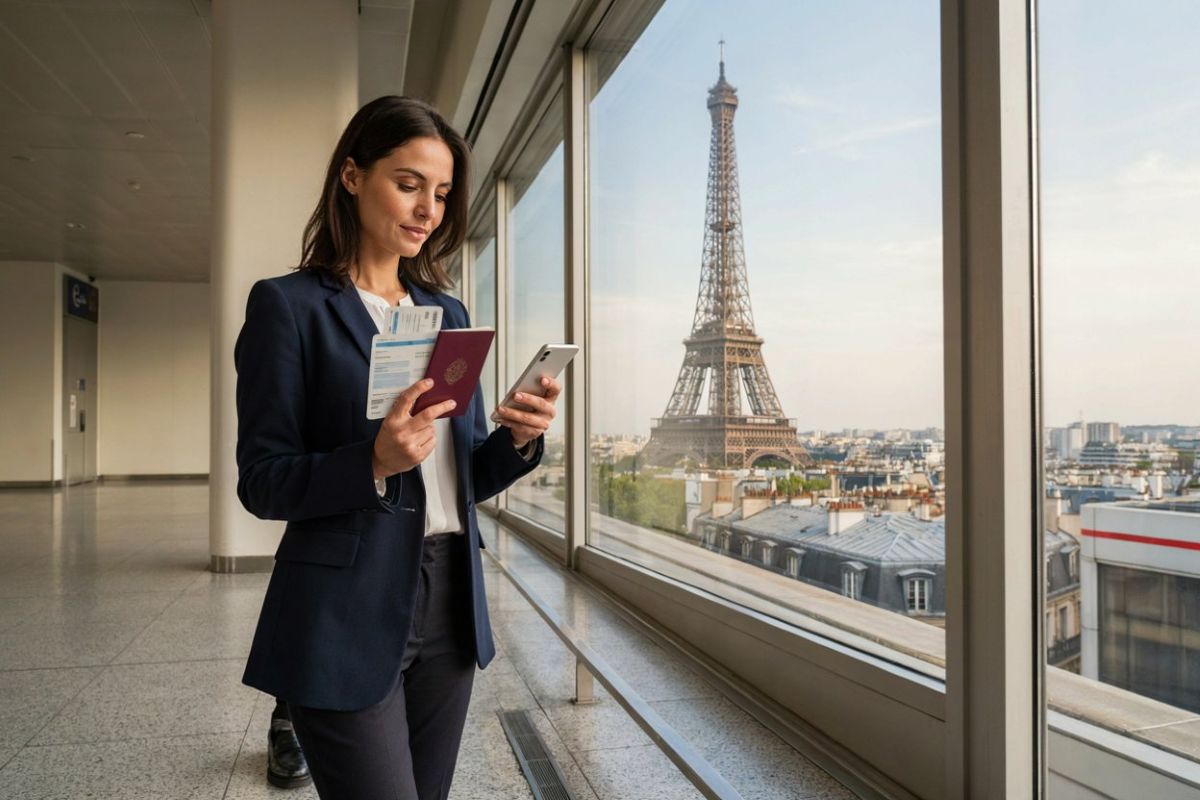
A holiday to Paris, a weekend on the French Riviera or a family trip across the Channel can take months of planning. But for international residents living in Britain, one important detail deserves attention before flights and hotels are booked: whether their passport allows them to enter France without a visa. The French government advises travellers to check their individual circumstances through its official France-Visas service before making travel arrangements.
France Visa Rules Depend on Nationality, Not Just UK Residence
Living in the United Kingdom does not automatically grant every foreign national visa-free access to France. The rules depend on factors including nationality, passport type, the purpose of the visit and the intended length of stay.
Advertisement
Advertisement
According to France-Visas, the French government’s official visa portal, visa exemptions depend on the traveller’s circumstances. Some nationalities can visit the Schengen Area for short stays without obtaining a visa, while others must secure one before departure. A British residence permit alone does not establish eligibility for visa-free entry
This distinction matters for international residents who plan holidays, business trips or visits to friends and relatives in France. Travellers should establish the requirements for their own passports rather than relying on the experiences of British friends or colleagues.
Advertisement
Advertisement
Official French Visa Checker Offers a Starting Point
Travellers can begin by using the which helps determine whether a visa is required and, where applicable, identifies the appropriate visa category.
Applicants are asked to provide information about their circumstances and travel plans. Depending on the answers, the service can explain the supporting documents required and the applicable visa fee.
Advertisement
Advertisement
The French government’s also recommends checking requirements before starting an application. Using the official portal can help travellers avoid confusion caused by outdated information or unofficial websites.
However, the online assessment should be treated as guidance rather than a guarantee of entry. French border authorities can still request evidence of the visit’s purpose, accommodation arrangements and sufficient financial resources.
Advertisement
Advertisement
How Visa Requirements Can Affect Holiday Plans
For tourists, checking entry requirements early can make a significant difference to the planning process. Travellers may need to coordinate visa appointments, prepare documents and allow time for a decision before their intended departure.
The consequences of leaving this task until the last minute can extend beyond paperwork. Flights, hotel bookings, rail tickets and prepaid tours may be difficult or expensive to change if travel documents are not ready in time.
This is particularly relevant during busy holiday periods, when appointment availability and demand for travel services can put additional pressure on schedules.
Travel agents and tour operators can also help by reminding customers that nationality and immigration status matter when assessing entry requirements. A checklist covering passports, visas, accommodation and travel dates can help reduce avoidable problems before departure.
Advertisement
Advertisement
Which Visa May Be Required for France?
For eligible tourism, business and family visits lasting no more than 90 days, travellers who require permission generally apply for a short-stay Schengen visa. The visa can cover travel within the Schengen Area, subject to its conditions and validity.
The standard short-stay limit is 90 days within any 180-day period. This is a cumulative limit across applicable Schengen stays, not an automatic allowance of 90 days in every country. Travellers planning longer visits should investigate the relevant national long-stay visa requirements.
The correct category depends on the trip and the applicant’s circumstances. The official explains the main rules and available exemptions.
Documents and Application Timing Need Attention
Where a visa is required, travellers should prepare the documents specified by the French authorities. Depending on the application, these may include a valid passport, photographs, accommodation details, evidence of financial resources and documents explaining the purpose of the visit.
Applicants should consult the for passport validity rules, supporting-document requirements and appointment procedures. They should also check the relevant application arrangements for their country of residence.
It is sensible to begin preparations well ahead of departure. Appointment availability, individual circumstances and additional document requests can affect how long the process takes. Travellers should avoid assuming that submitting an online form means a visa has been approved.
Advertisement
Advertisement
Check the Rules Before Travelling Across Europe
France is often included in wider European itineraries, with visitors combining Paris with destinations in Belgium, Spain, Italy or other Schengen countries. Travellers taking these routes should check the requirements for their complete itinerary, including any airport transit arrangements.
A visa issued by France may permit travel elsewhere in the Schengen Area, depending on its validity and conditions. However, travellers visiting several countries should also understand which country is responsible for processing their application. France-Visas explains that the main destination generally determines the competent country when a trip includes multiple Schengen states.
A Simple Check Can Help Protect Your Travel Plans
For anyone living in Britain and dreaming of a French getaway, checking visa requirements may not be the most exciting part of planning a holiday, but it can be one of the most important. A few minutes spent reviewing official guidance can help travellers understand what documents they need and whether they should apply before booking non-refundable arrangements.
The safest starting point is the French government’s. Travellers should verify their individual requirements, allow enough time for any application and carry the necessary documents. With the paperwork addressed early, they can concentrate on the more enjoyable parts of the journey, from exploring Parisian streets to discovering France’s coast, countryside and celebrated cuisine.
Advertisement
