
Cape Town Travel Data Shows Why Foreign Visitors Stay Longer While South African Holidaymakers Cut Back On Spend?

Published
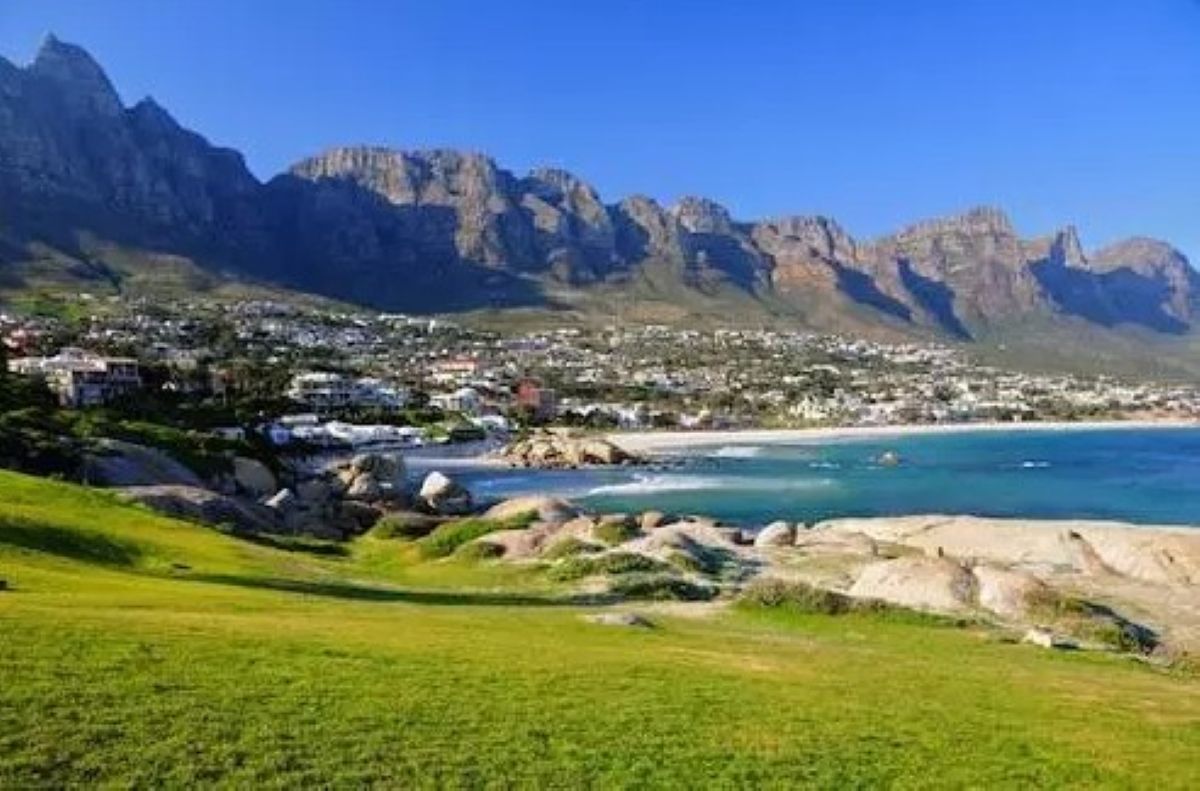
Travel is never about numbers on a page; it is about the real human stories, dreams and quiet moments that define our journeys. Every year millions arrive in Cape Town searching for something leaving behind memories while shaping the vibrant pulse of the city. Yet beneath the surface of bustling streets and quiet coastal roads a subtle shift is quietly unfolding. Recent data reveals two different travel worlds coexisting under the same African sky proving that how we travel is changing faster, than ever.
Global Effects on Travelers and Strategic Implications for the Regional Transport Sector
The structural realignment taking place across Cape Town reflects widespread shifts occurring within international travel networks across the globe. Foreign tourists originating from distant territories increasingly expect highly polished, seamless mobility solutions that connect every individual leg of their itinerary without friction. Typical multi-day journeys for these international guests routinely combine express arrival transit, luxury city accommodations, corporate engagements, scenic excursions along the iconic Cape Peninsula, and curated tasting itineraries throughout the Winelands.
On the other side of the spectrum, domestic vacationers increasingly seek flexible, modular options that prioritize strict budget control without compromising core travel experiences. Because long-distance foreign tourists spend significantly larger sums over prolonged periods, global service operators are re-engineering their core business models to offer highly customized options that precisely match distinct budgeting capabilities and logistical desires.
Advertisement
Advertisement
Ground transportation operates as the essential backbone underpinning this interconnected destination infrastructure throughout the Western Cape. Highly reliable transit systems serve to seamlessly bind Cape Town International Airport with urban lodging options, executive meeting facilities, culinary venues, and widely dispersed regional landmarks. Modern transit operators deploy adaptable fleet assets, including spacious premium multi-purpose vehicles such as the black Hyundai Staria Luxury, ensuring exceptionally high standards across widely varied itinerary requirements. By strategically tailoring commercial offerings to simultaneously accommodate lavish foreign visitors and price-aware domestic travelers, local enterprises throughout Cape Town can preserve uncompromised operational excellence while optimizing overall economic yield.
Macroeconomic Pressures and the Transformation of Global Traveler Behaviors
Advertisement
Advertisement
Looking at these developmental trends from a broader international perspective reveals how global economic variables fundamentally alter traveler behavior across both emerging and developed markets. Rising aviation fares, shifting exchange rates, and persistent inflation force consumers everywhere to evaluate the absolute utility of their leisure travel budgets. International long-haul travelers who possess higher discretionary incomes tend to consolidate their trips into longer, immersive stays, seeking multi-destination itineraries within a single trip to maximize the return on their long-distance flight investments. Conversely, short-haul domestic travelers facing localized economic headwinds naturally adapt by shortening trip durations, substituting commercial hotels for family accommodations, and opting for free or low-cost regional activities. This dual behavior observed in South Africa provides a clear blueprint for how destination managers globally must structure their pricing tiers and promotional campaigns moving forward.
Furthermore, the evolving balance between international spending power and domestic market participation creates complex operational realities for local hospitality businesses. Resorts, restaurants, and activity providers across Cape Town must avoid over-indexing on high-spending foreign visitors at the absolute expense of local patrons, as domestic travelers provide vital baseline demand during off-peak international seasons. When global travel markets experience unpredictable disruptions, a loyal domestic base remains the ultimate economic safety net for regional tourism ecosystems. Therefore, forward-thinking travel platforms across the Western Cape are developing tiered pricing architectures, seasonal local discounts, and flexible service packages. These strategic adaptations enable businesses to capture premium margins from international guests visiting the Cape Peninsula or the Winelands while maintaining steady, accessible engagement with domestic consumers.
Advertisement
Advertisement
The overarching takeaway for the global travel sector is that destination resilience depends entirely on subtle market segment understanding rather than aggregate visitor totals. While total passenger traffic at Cape Town International Airport reached 11.1 million, the underlying economic output varied dramatically based on origin, duration, and spending intent. Service providers, infrastructure planners, and transport networks that recognize these core distinctions will successfully future-proof their operations. By delivering uncompromised quality, exceptional punctuality, and tailor-made experiences to every guest profile, the broader travel industry can ensure sustainable economic expansion while continuing to showcase the world’s most breathtaking destinations to diverse global audiences.
Structural Evolution of Aviation and Air Route Connectivity Across the Western Cape
The strategic expansion of direct foreign flight routes and seat capacity at Cape Town International Airport serves as a foundational pillar for the regional visitor economy. During 2025, the airport recorded a total of 11.1 million two-way passenger movements, representing a 7% year-on-year increase. Among these figures, dedicated international transit movements reached 3.3 million. This expansion was powered by more than 30 direct weekly flights linking Cape Town to major aviation hubs across Europe and North America.
For the broader travel trade, expanded non-stop capacity minimizes physical transit friction and total travel time. This directly incentivizes high-yielding long-haul guests from origin markets like the United States, the United Kingdom, and Germany to select the Western Cape over multi-stop competing destinations. Internationally, travelers benefit from direct access points into Southern Africa, enabling corporate executives and luxury vacationers to establish Cape Town as their primary regional launchpad for broader continental itineraries.
Advertisement
Advertisement
Divergence in Commercial Lodging Occupancy and Non-Commercial Hospitality Preferences
Hospitality metrics across Cape Town reflected a clear structural division between foreign and domestic accommodation choices throughout 2025. Average commercial hotel occupancy stabilized at 56.2%. Overseas guests sustained strong demand for luxury commercial hotels, logging an extended average length of stay of 9.5 nights. Conversely, domestic stays contracted from 5.2 nights down to 4.4 nights, driving a sharp pivot toward non-commercial lodging options, including staying with friends and family.
This shifting preference requires commercial hotel groups and boutique lodges across Cape Town to adjust their yield management models. Industry operators are increasingly implementing flexible off-peak promotional rates for domestic travelers while bundling high-value experiential packages for international guests. Foreign travelers enjoy favorable exchange rates that make luxury hospitality accessible, whereas domestic vacationers rely on self-catering rentals and non-commercial stays to manage tight leisure budgets.
The Economic Value Chain in Sustaining Labor Absorption and Metropolitan Growth
The broader tourism framework across Cape Town acts as an economic driver for job creation and urban development. Data from 2025 confirms that the sector directly supported 106,358 jobs across the metropolitan area, generating R23 billion in Gross Value Added (GVA). This contribution accounted for 6.3% of the total gross domestic product of Cape Town, backed by an overall direct tourism spend of R24.5 billion.
Because tourism spans hospitality, retail, transportation, culinary services, and guided touring, it remains a reliable source of employment. Maintaining a balanced market mix between high-spending foreign visitors and high-volume local travelers helps buffer against seasonal layoffs. For international tourists, a well-funded and employment-backed tourism ecosystem ensures well-trained hospitality personnel, elevated service standards, and enhanced safety infrastructure across major sight-seeing corridors.
Advertisement
Advertisement
Geographic Dispersion of Tourism Revenue into Surrounding Western Cape Districts
Economic benefits generated within the urban core of Cape Town spill over into nearby regional districts. Primary attractions—including Table Mountain, the V&A Waterfront, Kirstenbosch Botanical Gardens, and Cape Point—documented quarterly peak volumes exceeding 676,000 visitors. Direct foreign spending across the broader Western Cape reached R25.9 billion in 2025, driven by an average foreign daily spend of R1,390.
This geographic dispersion distributes tourism revenue directly into regional economies, benefiting wineries, artisanal markets, and local vendors in outlying destinations like the Cape Winelands (Stellenbosch and Franschhoek) as well as coastal routes along the Cape Peninsula. International visitors increasingly structure their trips as regional journeys rather than static city breaks, blending luxury urban stays with rural cultural excursions, eco-tourism, and food-and-wine itineraries.
Strategic Marketing Initiatives Frameworks Bridging Local and Foreign Visitor Markets
Destination marketing organizations adjusted their strategic messaging in 2025 to address divergent consumer behaviors. To counteract domestic spending declines—which fell from R8 billion down to R5.5 billion—authorities introduced targeted local initiatives like “You Don’t Need a Holiday. You Need My Cape Town”. Simultaneously, international brand equity was reinforced through global promotional channels, including the “One Small World” campaign.
These dual marketing initiatives help balance the commercial gap between high-spending long-haul visitors and price-conscious domestic travelers. By maintaining engagement across both audiences, local travel operators protect year-round revenue stability. Global tourists receive customized messaging aligned with their specific travel expectations, whether searching for affordable urban micro-vacations or long-stay luxury retreats.
Advertisement
Advertisement
Regional African Travel Expansion and Cross-Border Network Integration
Intra-African travel networks represent an expanding market segment for Cape Town. Regional African tourist arrivals grew by 17% in 2025, supported by formal cross-border trade and tourism partnerships between South Africa, Namibia, and Zimbabwe.
Strengthening cross-border travel connections establishes a resilient mid-tier market that helps insulate the local tourism economy against fluctuations in traditional European or North American long-haul demand. African business and leisure travelers gain access to streamlined multi-country itineraries, simplified border transit protocols, and enhanced commercial synergy across Southern Africa.
Household Living Costs and Purchasing Power Dynamics in the Domestic Market
Macroeconomic inflation, elevated interest rates, and household budget pressures altered domestic travel habits across South Africa in 2025. Although domestic trip volume remained steady at 1.42 million visits (representing 98% of 2019 benchmarks), average daily domestic spending dropped to R882. This shift resulted in an overall contraction of R2.5 billion in direct domestic spending.
To maintain engagement with local consumers without diluting brand value, tourism businesses are re-evaluating their pricing structures. Operators are implementing resident discounts, off-peak day passes, and flexible booking terms. While foreign visitors leverage favorable currency conversions (such as the US Dollar or Euro against the South African Rand), domestic tourists face tighter discretionary limits, prompting regional destinations to adapt their pricing models accordingly.
Advertisement
Advertisement
Modern Ground Transportation and Logistics Supporting the End-to-End Visitor Journey
Ground transportation infrastructure serves as a connecting thread across the Western Cape’s visitor economy. Professional transfer networks link Cape Town International Airport directly to city hotels, conference venues, dining districts, and regional day-trip destinations. Transport fleets utilizing versatile vehicles, such as the black Hyundai Staria Luxury, cater to high-volume luggage demands and group transfers while maintaining consistent operational standards.
Efficient ground mobility eliminates transit friction across the destination, ensuring punctuality and comfort for both corporate delegates and leisure tour groups. Global travelers benefit from reliable transit logistics that connect airport terminals, metropolitan centers, and rural countryside excursions into a smooth, dependable travel experience.
The Final Verdict
Cape Town is not a set of numbers or economic data. It is a mix of real lives everyday stories and personal moments. For a visitor from away crossing oceans to see Table Mountain for the first time brings a deep sense of wonder. For a family a simple weekend trip can mean a chance to bond and make memories. Each journey, no matter how small has meaning. The future of travel in Cape Town should not be measured by how many people come. It should be, about making sure every visitor feels welcomed, treated with kindness and cared for. The goal is to create experiences that stay in people’s hearts long after they leave.
Advertisement
