
Southwest Airlines Flight SWA995, a Boeing 737 MAX 8 from Baltimore to Chicago Diverts to Grand Rapids Gerald R. Ford International Airport, United States on August 1: What You Need To Know

Published
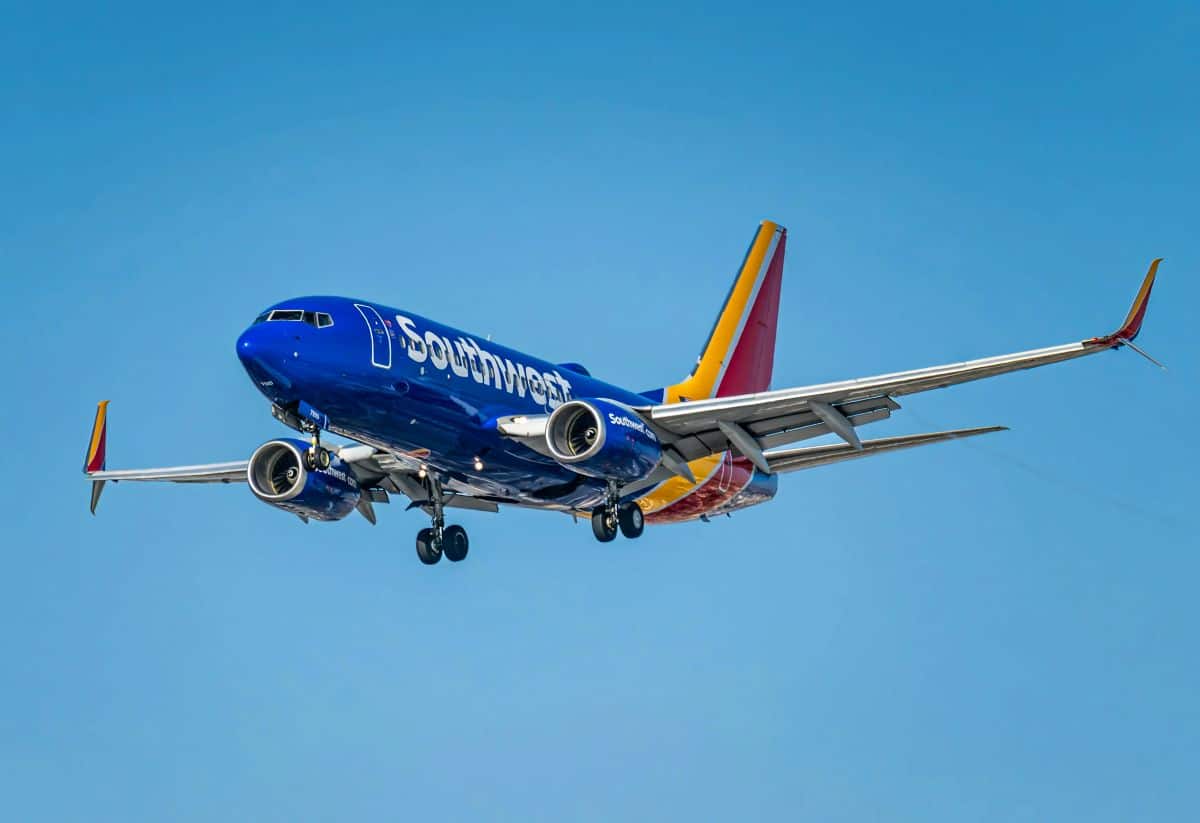
Image generated with Ai
Southwest Airlines Flight SWA995 on August 1, when a Boeing 737 MAX 8 flying from Baltimore to Chicago unexpectedly diverted to Grand Rapids Gerald R. Ford International Airport, United States. The Southwest Airlines Flight SWA995 diversion quickly raised questions among passengers, particularly because the Boeing 737 MAX 8 was travelling on a scheduled Baltimore to Chicago service. However, the exact reason for the diversion remains unclear. Meanwhile, the aircraft later continued towards Chicago. Therefore, Travel And Tour World urges readers to read the entire story for the latest confirmed details about Southwest Airlines, Flight SWA995, the Boeing 737 MAX 8, Baltimore, Chicago and Grand Rapids.
For passengers and aviation watchers, the diversion raises an obvious question: why did Southwest Airlines Flight SWA995 leave its planned route and head towards Grand Rapids? At present, the publicly available information does not establish a definitive cause, so claims involving mechanical trouble, weather, medical emergencies or other operational issues should not be presented as confirmed facts unless Southwest Airlines or an aviation authority provides further details.
Advertisement
Advertisement
What happened to Southwest Airlines Flight SWA995?
Southwest Airlines Flight SWA995 was scheduled to operate from Baltimore to Chicago on August 1, using a Boeing 737 MAX 8 registered as N8766T, according to the flight information associated with the service. Instead of completing the planned Baltimore-Chicago journey directly, the aircraft diverted towards Gerald R. Ford International Airport in Grand Rapids, creating an unexpected interruption for passengers travelling to Chicago.
The diversion is significant because Grand Rapids was not the scheduled destination for the flight, meaning the aircraft had to alter its planned operation during the journey. Available tracking information shows that the diversion was temporary, with the aircraft subsequently continuing towards Chicago Midway International Airport, indicating that the passengers and aircraft were ultimately able to resume the planned journey rather than treating Grand Rapids as the final destination.
Advertisement
Advertisement
Why was the Boeing 737 MAX 8 diverted to Grand Rapids?
The exact reason for the diversion remains unconfirmed in the publicly available information reviewed for this report, and that distinction is important because a diversion can occur for numerous operational reasons without necessarily indicating a serious problem with the aircraft. Airlines may redirect flights because of weather, airport conditions, passenger medical situations, technical concerns, air traffic restrictions, crew considerations or other operational circumstances, but none of these should automatically be attributed to SWA995 without official confirmation.
Advertisement
Advertisement
Grand Rapids provided a suitable alternative airport for the Boeing 737 MAX 8, allowing Southwest Airlines to manage the unexpected change in the flight’s operation. The aircraft’s subsequent continuation towards Chicago also provides useful context, although it does not itself reveal what prompted the original diversion, leaving the precise cause unresolved unless additional information is released by the airline or authorities.
What does the diversion mean for passengers?

Image generated with Ai
For passengers aboard Southwest Airlines Flight SWA995, the diversion would have represented an unexpected change to the planned Baltimore-Chicago journey, potentially affecting arrival times, onward travel arrangements and connections. A diversion does not necessarily mean that a flight has been cancelled, and in this case the available flight information indicates that the aircraft continued towards Chicago after the stop at Grand Rapids.
Travellers should therefore distinguish between a diversion and a permanent destination change, because the former can be a temporary operational decision designed to allow an aircraft to land safely or manage circumstances affecting the original destination. Passengers affected by such disruptions should rely on Southwest Airlines for individual information about arrival times, baggage, connections and any assistance available under the airline’s operational policies.
Could weather or another operational issue have caused the diversion?
Weather is one possible explanation for an unexpected diversion, particularly when thunderstorms, strong winds, reduced visibility or other conditions affect an airport’s ability to handle arriving aircraft, but there is currently no sufficiently reliable flight-specific evidence to state that weather caused the SWA995 diversion. Similarly, a mechanical issue, medical emergency or air-traffic restriction could theoretically result in a diversion, yet none should be described as the confirmed reason without supporting evidence.
The safest conclusion is therefore that Southwest Airlines Flight SWA995 experienced an operational diversion to Grand Rapids while travelling from Baltimore to Chicago, after which the aircraft continued towards its scheduled destination. This approach avoids speculation while preserving the key facts that passengers and aviation readers need to understand the incident.
Advertisement
Advertisement
What happened after SWA995 reached Grand Rapids?
Grand Rapids served as an intermediate point rather than the apparent final destination for the disrupted Southwest Airlines service, with available flight-tracking information indicating that the Boeing 737 MAX 8 later continued towards Chicago Midway. This suggests that the diversion did not permanently terminate the Baltimore-Chicago operation and that the aircraft was able to resume its journey after the unexpected stop.
The development also demonstrates why diversion information should be interpreted carefully, particularly when initial flight-tracking data provides limited context about the reason for a route change. Until Southwest Airlines or the relevant authorities provide a definitive explanation, the confirmed sequence remains straightforward: SWA995 departed Baltimore for Chicago, diverted to Grand Rapids, and subsequently continued towards Chicago.
What should travellers know about the SWA995 diversion?
The main takeaway for travellers is that Southwest Airlines Flight SWA995 experienced a diversion on August 1 while operating from Baltimore to Chicago aboard a Boeing 737 MAX 8. Gerald R. Ford International Airport in Grand Rapids became the unexpected diversion point, while the precise reason behind the change remains unconfirmed based on the available information.
For now, passengers should avoid relying on speculation about the cause and instead follow official Southwest Airlines updates for any information concerning delays, baggage, connections or passenger assistance. The incident highlights how quickly domestic flight plans can change and why travellers should allow flexibility when arranging onward journeys, particularly when an unexpected diversion affects the timing of arrival at the scheduled destination.
Advertisement
