
Jordan Joins Hands with Türkiye in Istanbul to Unlock New Tourism Growth, Revive Travel Confidence and Expand Global Connectivity in 2026

Published
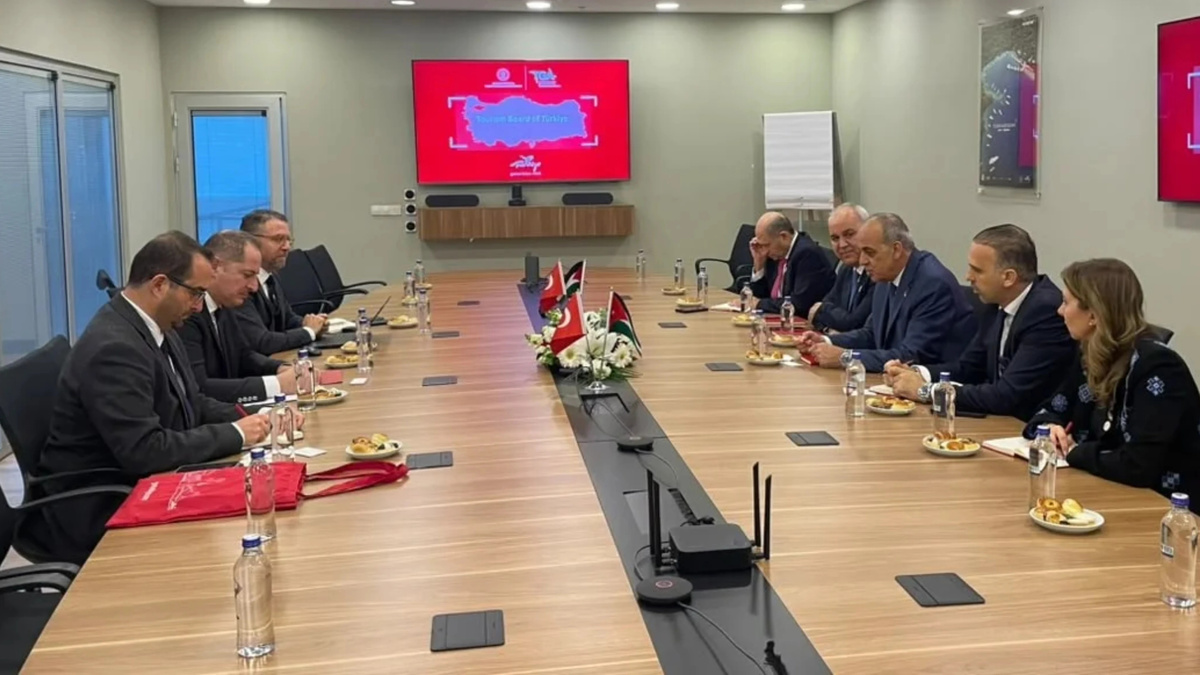
Jordan is stepping up efforts to revive international tourism and strengthen regional travel partnerships following high-level discussions with Türkiye in Istanbul on 22 October 2026. Jordan’s Minister of Tourism and Antiquities, Dr Emad Hijazeen, met Sinan Seha Türkseven, General Manager of the Türkiye Tourism Promotion and Development Agency (TGA), to explore stronger tourism cooperation, attract Turkish visitors and expand Jordan’s international market reach. The discussions come as regional geopolitical tensions continue to affect traveller confidence and create challenges for tourism businesses across the Middle East. The initiative also highlights Istanbul’s potential as an international gateway connecting Jordan with travellers from Europe, Asia and Africa.
The engagement reflects Jordan’s wider efforts to protect its tourism industry from the effects of regional uncertainty while identifying new opportunities for sustainable growth. The country is seeking to strengthen its appeal among travellers who value cultural heritage, religious history, desert adventures and distinctive leisure experiences. The meeting also highlighted the importance of private-sector participation in translating international tourism diplomacy into business opportunities. Representatives of Jordan’s hospitality and inbound travel industries participated in the discussions, reflecting the commercial importance of stronger destination promotion and market diversification.
Jordan and Türkiye Open a New Chapter in Tourism Cooperation Through Istanbul Discussions
The Istanbul meeting brought together representatives from Jordan’s government, diplomatic service and tourism industry to examine opportunities for closer cooperation with Türkiye. Jordan’s Ambassador to Türkiye, Hazem Al-Khatib Al-Tamimi, participated alongside representatives from the Jordan Hotel Association and the Jordan Inbound Tour Operators Association.
The involvement of these organisations is significant because hotels and tour operators play a central role in converting destination interest into actual bookings. The Türkiye Tourism Promotion and Development Agency is responsible for supporting the country’s international tourism promotion and destination marketing activities. Its official mandate includes strengthening Türkiye’s global tourism profile and supporting tourism development.
Advertisement
Advertisement
Regional Geopolitical Tensions Put Jordan’s Tourism Recovery Under Pressure
Jordan’s geographical position creates particular challenges for international tourism promotion during periods of instability in the Middle East. The country borders Israel, the West Bank, Syria, Iraq and Saudi Arabia. Developments involving neighbouring territories can influence how international travellers assess the wider region, even when particular destinations are not directly affected.
This creates a distinction between actual conditions at individual tourism sites and the broader perceptions formed through international news coverage. For Jordan’s tourism businesses, uncertainty can affect advance reservations, organised tours and international travel planning. Smaller operators may face particular difficulties because their revenue depends heavily on visitor arrivals and seasonal demand.
Advertisement
Advertisement
However, regional headlines alone cannot establish whether a destination is safe. Travellers and tour operators must continue to assess current official travel advice and local conditions before making decisions.
Why Türkiye Offers Jordan a Strategic Opportunity to Attract New International Visitors
Türkiye represents a potential growth market because of its geographical proximity, established regional relationships and historical connections with Jordan. The two countries share elements of cultural and religious heritage, including historical links dating to the Ottoman period. These connections could provide opportunities to develop travel experiences focusing on archaeology, religious heritage, cultural exploration and regional history.
Advertisement
Advertisement
Turkish visitors familiar with the wider Middle East may also represent an audience for more targeted destination marketing. However, cultural familiarity does not necessarily mean travellers will disregard security concerns. Travel decisions still depend on affordability, accessibility, official advice and personal preferences. For Jordan, expanding tourism promotion in Türkiye could help diversify demand without reducing its commitment to traditional markets such as Germany and North America.
Istanbul’s International Aviation Network Could Strengthen Jordan’s Global Tourism Reach
Istanbul’s international connectivity provides an important commercial dimension to Jordan’s tourism strategy. The city serves as a major aviation gateway between Europe, Asia and Africa, making it a potential connecting point for international visitors travelling onwards to Jordan.
This creates opportunities for airlines, tour operators and destination management companies to develop multi-destination itineraries. Travellers could combine experiences in Istanbul with visits to Amman, Petra, Wadi Rum or the Dead Sea, subject to suitable transport arrangements and travel conditions. Turkish Airlines and other carriers could support future connectivity initiatives where commercial demand exists. Nevertheless, the October discussions have not produced any confirmed announcement concerning additional flights, new routes or increased seat capacity.
Petra, Wadi Rum and the Dead Sea Could Benefit from Stronger Turkish Tourism Demand
Jordan’s established tourism attractions provide a foundation for developing travel packages targeting Turkish and international visitors. The official Jordan Tourism Board promotes Petra, Wadi Rum, the Dead Sea, the Baptism Site and the Jordan Trail among the country’s principal tourism experiences.
Advertisement
Advertisement
Each destination appeals to different visitor interests, allowing tourism operators to create itineraries combining cultural discovery, relaxation, adventure and religious heritage.
| Jordanian destination | Principal tourism appeal | Potential opportunity |
|---|---|---|
| Petra | Archaeology and ancient architecture | Cultural and historical tours |
| Wadi Rum | Desert scenery and outdoor adventures | Guided desert experiences and overnight stays |
| Dead Sea | Wellness and relaxation | Spa holidays and leisure packages |
| Amman | Urban heritage, dining and culture | City breaks and cultural itineraries |
| Bethany Beyond the Jordan | Christian religious heritage | Pilgrimage and faith-based travel |
| Aqaba | Red Sea leisure and marine activities | Coastal holidays and recreational tourism |
These attractions could support diversified travel packages designed for families, cultural visitors, religious groups and leisure travellers. However, no specific Turkish-market itineraries or new tourism products have been formally announced as outcomes of the Istanbul meeting.
Türkiye’s Tourism Success Provides Important Context for Jordan’s International Ambitions
Türkiye’s established international tourism industry provides useful context for the potential partnership. According to the country’s official tourism promotion platform, Türkiye recorded approximately 64 million visitors in 2025 and generated US$65.231 billion in tourism revenue. The Turkish government also announced a tourism revenue target of US$68 billion for 2026. This is a target rather than a confirmed annual result.
These figures demonstrate the scale of Türkiye’s tourism industry and the importance of its international destination marketing network. For Jordan, closer engagement with Turkish tourism institutions could create opportunities to exchange promotional expertise and strengthen industry relationships. However, Türkiye’s national tourism performance does not establish the number of Turkish travellers likely to visit Jordan or the commercial value of any future cooperation.
Jordan’s Tourism Strategy for 2026–2029 Reinforces the Need for New Markets
The Istanbul discussions align with Jordan’s broader tourism development priorities. Jordan’s Ministry of Tourism and Antiquities has been consulting public and private-sector stakeholders on its draft Tourism Strategy for 2026–2029. The ministry identifies tourism product development, marketing, market connectivity, training, digital transformation and regulatory reform among the principal areas under consideration.
The strategy also emphasises cooperation with hospitality businesses and tourism organisations to strengthen competitiveness and support sustainable development. This policy direction provides a wider framework for understanding the potential importance of closer engagement with Türkiye. A diversified visitor base could help Jordan reduce its dependence on individual source markets and respond more effectively to changes in international travel demand.
Advertisement
Advertisement
Hotels, Tour Operators and Local Businesses Could Gain from Stronger Tourism Partnerships
The commercial importance of the Istanbul initiative extends beyond government tourism promotion. Jordan’s hotels, restaurants, transport providers, travel agencies and local tourism businesses depend on international demand to support employment and revenue. Smaller businesses operating around Petra, Wadi Rum and other visitor destinations may benefit if stronger promotion eventually produces additional bookings.
For inbound operators, cooperation with Turkish travel companies could create new distribution opportunities and help introduce Jordanian itineraries to different customer groups. Hotels could benefit from increased overnight stays, while guides and transport companies could gain from greater demand for organised excursions. These outcomes, however, remain conditional on commercial agreements, effective marketing and measurable growth in visitor demand.
Tourism Diplomacy Must Deliver Bookings, Air Connectivity and Visitor Spending
The success of the Jordan–Türkiye tourism dialogue will ultimately depend on whether the discussions lead to measurable commercial results. Potential next steps include joint destination marketing, travel trade cooperation, specialised tour packages and stronger airline partnerships.
For the tourism industry, progress can be assessed through several indicators.
| Key tourism indicator | Why it matters | Status following the meeting |
|---|---|---|
| Turkish visitor arrivals | Measures growth from the targeted source market | No numerical target announced |
| Airline connectivity | Supports access and international travel demand | No new services confirmed |
| Joint marketing campaigns | Could strengthen Jordan’s visibility | No specific campaign announced |
| Hotel overnight stays | Indicates accommodation demand | No additional bed-night target announced |
| Tourism expenditure | Measures economic benefits from visitors | No spending target announced |
| Travel trade agreements | Supports commercial partnerships | No binding agreements confirmed |
The absence of confirmed targets does not diminish the potential value of the discussions, but it means the initiative should be assessed as an early stage of cooperation. Future announcements concerning airline schedules, marketing commitments and tourism business agreements will provide clearer evidence of commercial progress.
Jordan Looks Towards a More Resilient Tourism Future Through Regional Cooperation
Jordan’s latest engagement with Türkiye reflects a wider need for tourism destinations to strengthen market diversification and adapt to changing international travel conditions. The country’s cultural attractions, religious heritage and established hospitality industry provide a strong foundation for attracting visitors from different markets.
Advertisement
Advertisement
Türkiye offers an additional opportunity through its regional relationships, international tourism expertise and Istanbul’s global connectivity. Jordan’s tourism authorities have also emphasised the value of regional cooperation, integrated travel routes and stronger connectivity as ways to reduce seasonality and improve tourism resilience. The Istanbul discussions could therefore contribute to a longer-term strategy focused on restoring travel confidence, expanding international visibility and supporting tourism businesses. For Jordan’s travel industry, the next priority will be transforming diplomatic engagement into practical partnerships that generate sustainable visitor demand, longer stays and greater tourism expenditure.
Advertisement
