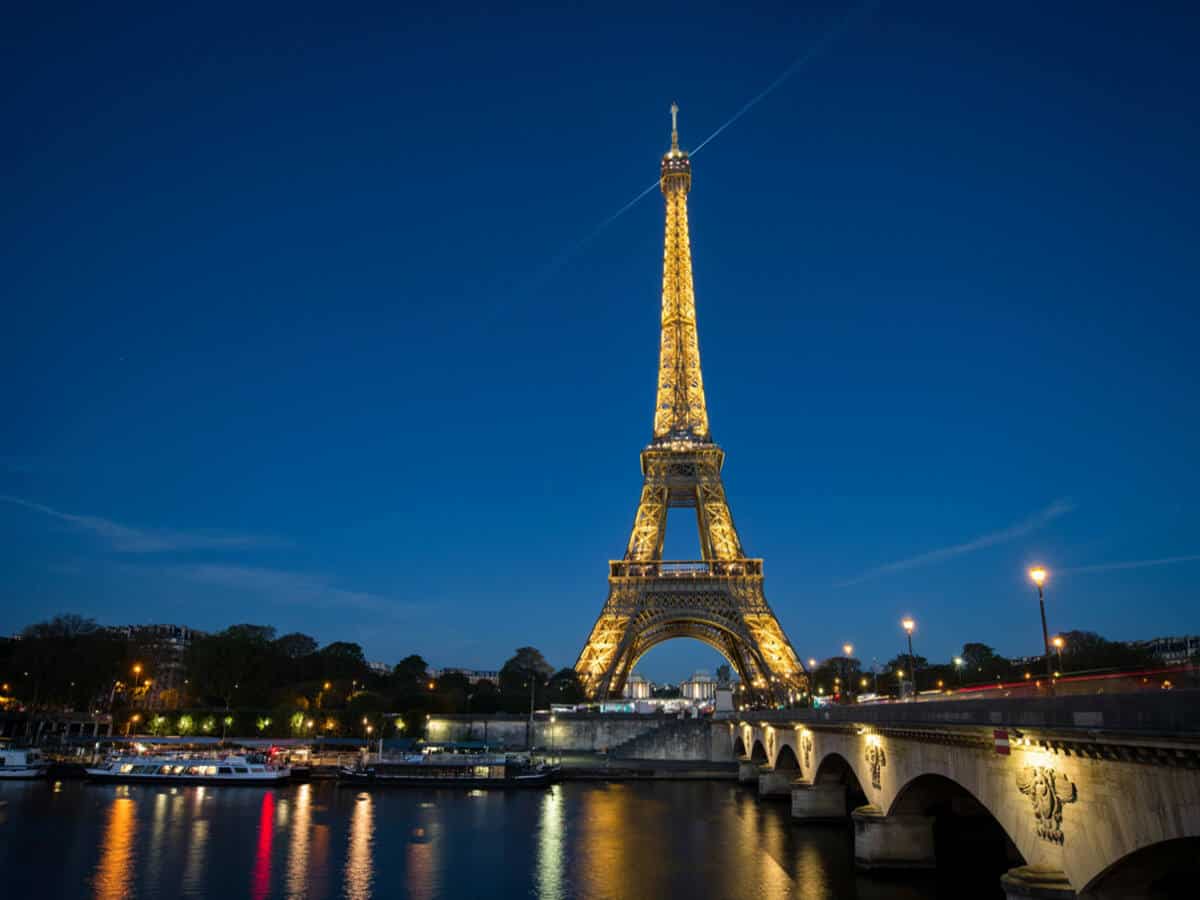
Image generated with Ai
France teams up with Monaco, the Maldives and more as 15 billionaire vacation destinations emerge for the ultimate ultra-luxury escape. Together, these billionaire vacation destinations are attracting travellers seeking privacy, prestige and extraordinary experiences. Moreover, France and Monaco continue to showcase iconic luxury, while the Maldives offers secluded island retreats. As a result, these destinations are reshaping the meaning of an ultimate ultra-luxury escape. Meanwhile, global travellers are watching how billionaire vacation destinations combine exclusive resorts, spectacular scenery and personalised experiences. Travel And Tour World urges readers to read the entire story to discover the 15 destinations, their tourism appeal and what makes each escape truly exceptional.
A deeper review of official tourism statistics shows why these destinations continue to attract premium travellers. However, there is no single official database publishing monthly visitor figures for all 15 destinations for every month from 2021–2025. Visitor definitions also differ between countries, with some reporting arrivals, some hotel guests and others tourist trips.
Advertisement
To avoid inventing statistics, the expanded list below separates verified government data from destinations included as a luxury-travel extension. The original report identifies 10 destinations; the additional five are comparable ultra-luxury markets rather than claimed additions to that original ranking.
| Destination | Region | 2025/Latest verified tourism indicator | Luxury-travel appeal |
|---|---|---|---|
| French Riviera | France | Regional statistics vary by destination | Riviera resorts, yachts, gastronomy |
| Monaco | Monaco | Official statistics reported separately | Monte-Carlo, yachts, luxury hotels |
| Miami | USA | Miami-Dade/Florida statistics | Beach, hotels, dining, aviation |
| Hamptons | USA | No standalone billionaire-tourism count | Private estates, beaches |
| Amalfi Coast | Italy | Campania tourism statistics | Coastal resorts, villas |
| Bali | Indonesia | 7.05m international + ~9.3m domestic | Villas, wellness, culture |
| Courchevel | France | No separate billionaire count | Alpine resorts, skiing |
| Mallorca | Spain | Balearic government monthly statistics | Yachting, beaches, villas |
| Maldives | Maldives | 2,246,516 visitors | Private-island resorts |
| Capri | Italy | Island-specific data varies | Luxury hotels, yachts |
| Dubai | UAE | 19.59m international overnight visitors | Luxury shopping, resorts |
| Seychelles | Seychelles | National tourism arrival statistics | Private islands, beaches |
| St Barts | Caribbean | No comprehensive billionaire count | Villas, yachts, privacy |
| Ibiza | Spain | Balearic government statistics | Villas, beaches, yachting |
| Aspen | USA | Local visitor estimates, not billionaire counts | Skiing, estates, luxury hospitality |
The table deliberately avoids presenting unavailable destination-level figures as official statistics.
Advertisement
Advertisement
The French Riviera remains one of the world’s strongest luxury tourism clusters. Its advantage is geographical variety. Travellers can combine Nice, Cannes, Antibes and Saint-Tropez with beaches, gastronomy, cultural attractions and yacht experiences.
Rather than treating the entire Riviera as one tourism unit, travellers should examine individual municipal and regional statistics because visitor volumes differ considerably between destinations.
Monaco offers an unusually concentrated luxury experience. Monte-Carlo, the marina, premium hotels and major events create a destination where high-end travel infrastructure occupies a very small territory.
Official Monaco statistics are particularly useful because the principality publishes tourism and accommodation indicators separately from neighbouring France.
Miami remains a major luxury gateway for international travellers. Its combination of beaches, upscale accommodation, restaurants, shopping and private aviation gives wealthy visitors multiple ways to structure a short stay.
Florida and Miami-Dade statistics should be used rather than attempting to estimate a separate “billionaire visitor” population.
The Hamptons represent a different luxury model. Private residences, beaches, restaurants and seasonal travel dominate rather than large-scale international resort tourism.
Consequently, there is no reliable official monthly statistic identifying billionaire visitors. Any such number would be speculative.
The Amalfi Coast combines premium accommodation with dramatic coastal landscapes and historic settlements. Positano, Amalfi and Ravello are among the most recognisable locations.
Italy’s national and regional statistics provide broader accommodation and arrival measurements rather than a specific billionaire-traveller count.
Bali provides one of the strongest statistical examples in this expanded list.
Official Bali government data recorded 7.05 million international visitors and approximately 9.3 million domestic tourist visits in 2025, producing roughly 16.3 million total visits.
The government tourism statistics also show substantial monthly variation. Domestic visits reached 1,127,649 in April 2025, compared with 633,380 in March and 652,753 in October.Bali domestic visits 2023 2024 2025 January 720,164 774,529 902,688 April 900,880 1,124,781 1,127,649 July 898,260 926,975 800,121 October 813,745 828,647 652,753 December 1,204,902 941,137 879,181 Annual total 9,877,911 10,120,786 9,612,511
These figures are domestic visits, not international arrivals, and therefore should not be combined with international statistics without qualification.
Courchevel adds winter luxury to the destination mix. Its appeal comes from alpine scenery, skiing, premium accommodation and proximity to other French mountain resorts.
Its tourism statistics should be interpreted through France’s wider mountain-tourism and accommodation datasets.
Mallorca offers luxury through Mediterranean space. Beaches, marinas, historic towns, mountain landscapes and private villas allow visitors to build very different itineraries.
The Balearic government publishes monthly tourism data, including separate reports for January through December 2025.
The Maldives provides the clearest evidence of sustained luxury-island demand.
The destination welcomed 2,246,516 visitors in 2025, representing 9.8% year-on-year growth. December produced a record 224,455 arrivals, while January 2026 recorded 224,788.Maldives indicator Latest figure 2025 arrivals 2,246,516 2025 annual growth 9.8% December 2025 224,455 January 2026 224,788 2025 bed nights 13.67 million Average beds in operation 64,377 Tourism receipts, 2025 More than $5.4bn projected Tourism receipts growth 15.8%
The country’s tourism receipts ultimately exceeded $5.57 billion in 2025, according to Visit Maldives.
Capri combines compact geography with exceptional scenery and established luxury hospitality. Visitors can pair the island with Naples, Sorrento and the wider Campania coast.
Its visitor statistics are generally incorporated into broader Italian and Campania tourism datasets.
Dubai belongs naturally in an expanded ultra-luxury guide because of its five-star accommodation, shopping, private aviation, desert experiences and high-end resorts.
Its government tourism authority publishes detailed international visitor statistics, allowing travellers to distinguish overnight visitors from other forms of tourism activity.
Seychelles offers a fundamentally different luxury proposition. Instead of urban glamour, it focuses on islands, marine environments, beaches and secluded accommodation.
National tourism statistics provide annual and periodic international-arrival data, although they do not identify visitors according to wealth.
St Barts is strongly associated with private villas, yachts and premium Caribbean travel. Its small scale makes privacy a major part of the visitor experience.
However, a five-year monthly billionaire-arrival series does not exist publicly, so precise billionaire visitor numbers should not be published as fact.
Ibiza combines luxury accommodation, beaches, sailing and internationally recognised nightlife. The Balearic government provides official tourism statistics, making it possible to analyse broader visitor demand.
Travellers seeking privacy can look beyond the busiest nightlife areas towards rural and coastal accommodation.
Aspen extends the luxury map into the United States’ mountain resorts. Skiing, private residences, upscale hospitality and year-round outdoor recreation support its premium positioning.
Like the Hamptons, Aspen does not publish a standard government series counting “billionaire visitors”.
A genuine 15-destination × 60-month dataset would require 900 destination-month observations. The available government datasets do not provide a consistent definition for all 900 observations.Data requirement Availability 15 destinations Possible 2021–2025 period Possible 12 months each year Available for some destinations Comparable visitor definition No Billionaire-specific visitors No Luxury-hotel visitors Limited International arrivals Widely available Domestic visits Available for selected destinations Accommodation nights Available for selected destinations
This distinction matters. Tourist arrivals are not the same as billionaire arrivals, and luxury-hotel stays cannot automatically be interpreted as billionaire travel.
For example, Bali’s government statistics show 9.61 million domestic visits in 2025, while the Maldives recorded 2.25 million total tourist arrivals. These figures measure different tourism systems and should not be ranked directly.
The data reveals a broader trend. Ultra-luxury destinations are not defined only by hotel prices. They combine accessibility, privacy, distinctive landscapes, premium accommodation and specialised experiences.
The Maldives demonstrates how quickly luxury-island demand can scale, while Bali shows the enormous volume that can exist alongside an extensive premium-villa market. Mallorca provides another example of a destination where government authorities track tourism throughout the year.
For travellers, the useful lesson is simple: privacy can often be found without copying billionaire spending habits. Choosing quieter travel periods, smaller properties, private excursions and less crowded areas can deliver much of the same sense of exclusivity.
Advertisement
Advertisement
Advertisement













Friday, September 4, 2026

Friday, September 4, 2026

Friday, September 4, 2026

Thursday, September 3, 2026

Wednesday, September 2, 2026

Friday, September 4, 2026

Friday, September 4, 2026