

US Aligns With Other Countries To Counter Airline Passenger Declines And Rising Jet Fuel Costs

Published
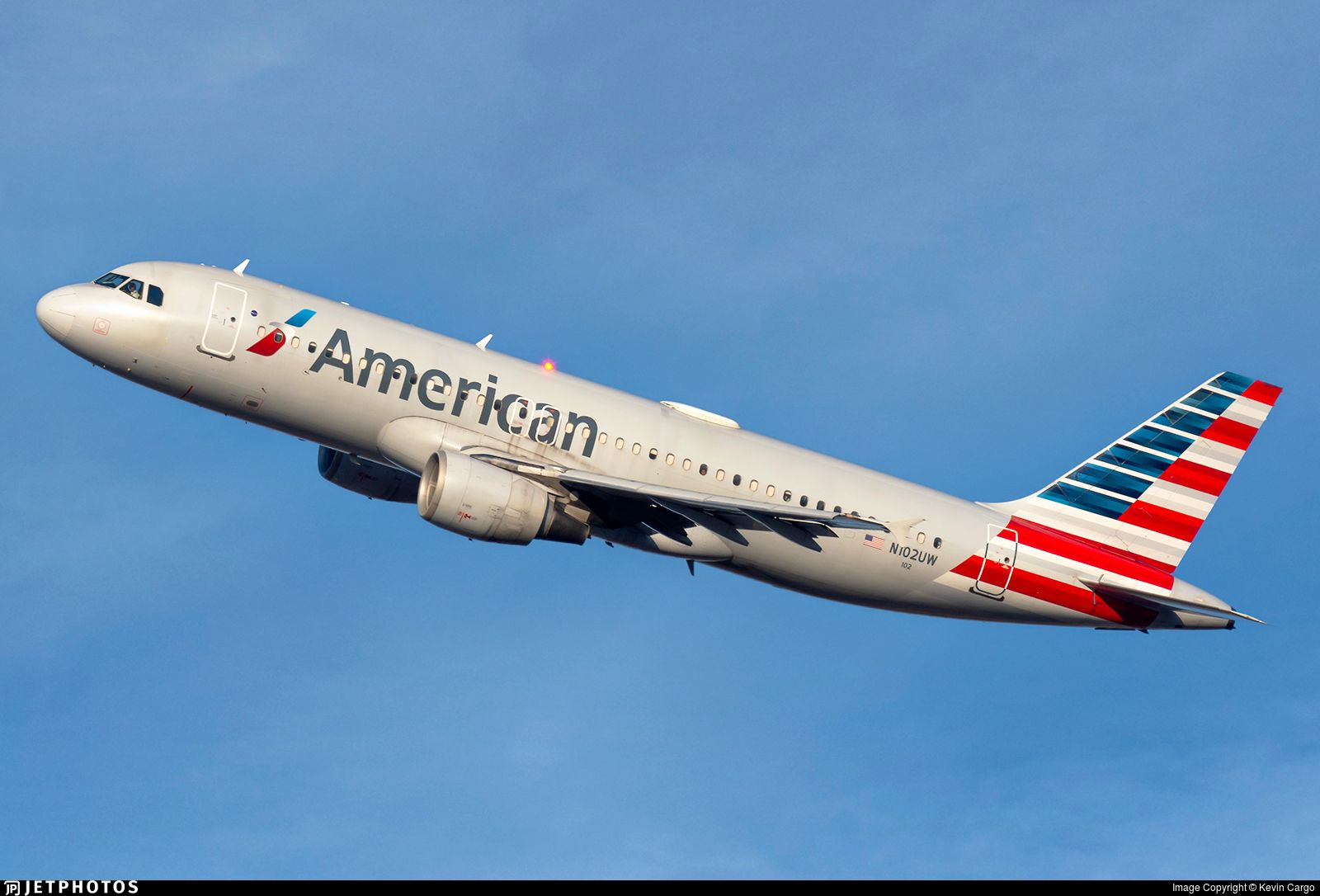
Global aviation is experiencing a turbulent period as the US joins the bandwagon of other countries that are confronting a serious challenge. The passenger traffic is on the decline, and the expensive jet fuel is putting enormous pressure on major international carriers. This development necessitates that measures be taken to avert the deteriorating situation, which requires cooperation at a global level to tackle the deteriorating scenario.
Major international carriers are facing colossal challenges as the number of passengers decreases in many countries. The combination of macroeconomic conditions and soaring jet fuel prices has tremendously affected the profits of commercial airlines. As such, it requires that industry players cooperate to address the problems that have beset the industry, putting their transport operations at risk.
Advertisement
Advertisement
Global commercial aviation is witnessing turbulence as passenger numbers fall and demand comes down in key international markets. While overall connectivity is on a path of post-pandemic resurgence, macroeconomic headwinds and supply chains issues have created headwinds for airlines.
Why Are Passenger Volumes Falling Across International Aviation Markets?
Global passenger demand has contracted significantly in specific territories due to a combination of escalating operational costs, supply chain bottlenecks, and persistent geopolitical instability. Major carriers are prioritizing yield management and capacity discipline over volume growth, which directly impacts ticket availability and passenger numbers. This strategic shift has left key regional markets grappling with persistent contractions that defy broader post-pandemic recovery trends.
Advertisement
Advertisement
How Are Economic Pressures Impacting United States Domestic Travel?
The United States has recorded noticeable softening in domestic and international traffic, with domestic demand registering consecutive year-on-year drops in recent reporting cycles. Major airlines have faced continuous cost pressures regarding high jet fuel expenses, forcing them to tighten capacity management rather than pursue aggressive volume growth. Consequently, increased ticket pricing has caused discretionary leisure travelers to pull back or reconsider travel plans, slowing overall passenger throughput.
What Factors Drive The Contractions In Indian Domestic Aviation?
India has experienced notable contractions in domestic passenger traffic, with IATA metrics highlighting sharp year-on-year dips across several key operational months. High domestic airfares, driven by elevated crude oil prices and currency fluctuations, have forced domestic carriers to prioritize yield protection over passenger volume expansion. Furthermore, fleet expansion has remained heavily constrained by delayed aircraft deliveries from major manufacturers like Boeing, alongside cumulative regional disruptions impacting consumer confidence.
Advertisement
Advertisement
What Is Causing The Slowdown In Japan’s Domestic Market?
Japan has encountered localized contractions in domestic passenger traffic, with recent figures reflecting steady year-on-year declines in domestic demand. Domestic travel trends have stabilized following post-pandemic surges, but local carriers now face headwinds from consumer spending adjustments amid domestic inflationary pressures. Currency fluctuations have also altered travel patterns within the country, as rising living costs prompt residents to reevaluate discretionary travel expenditures.
How Do Geopolitical Conflicts Disrupt Middle Eastern Transit Hubs?
Middle Eastern carriers have faced the sharpest regional demand drops globally, with transit passenger counts plunging significantly across major connecting mega-hubs. Persistent regional geopolitical conflicts, airspace closures, and safety rerouting have severely disrupted traditional flight paths, leading to cancelled routes and lower passenger volumes. These operational bottlenecks have fundamentally altered long-haul transit economics, forcing airlines to deploy alternative corridors that increase fuel burn and reduce route profitability.
Advertisement
Advertisement
| Country / Region | Passenger Trend | Key Operational Drivers | Fleet & Network Strategy Adjustments |
| United States | Domestic demand softening (~2.9% drop year-on-year) | High jet fuel expenses and rising ticket prices deterring discretionary leisure travel | Tightening capacity management and protecting yields |
| India | Notable domestic contractions (approx. 7.5% drop in IATA metrics) | Elevated crude oil prices, currency shifts, and Boeing delivery delays | Prioritizing yield protection over volume expansion |
| Japan | Steady domestic demand decline (~2% year-on-year) | Inflationary pressures, currency fluctuations, and consumer spending shifts | Reevaluating domestic route profitability and capacity |
| Middle East Hubs | Sharpest regional demand drops (over 14% plunge) | Geopolitical conflicts, airspace closures, and safety rerouting | Deploying alternative, fuel-intensive long-haul corridors |
Global commercial aviation is currently facing a complex financial and operational squeeze, driven by escalating jet fuel expenses, ongoing supply chain bottlenecks, and persistent aircraft delivery delays. To protect operating margins, carriers worldwide are actively redesigning their fleet deployment and schedule networks. These strategic adjustments help mitigate the impact of reduced aircraft availability and volatile fuel expenditures.
How Are Airlines Maximizing Fleet Utilization Amid Severe Delivery Backlogs?
Carriers are keeping older, legacy aircraft in active service much longer than originally planned to bridge persistent capacity gaps. This asset extension strategy helps offset massive production backlogs at major manufacturers like Boeing and Airbus. Furthermore, airlines are heavily investing in cabin retrofits and interior overhauls to maintain customer experience standards while waiting for delayed new-generation deliveries. By sweating existing assets, operators can secure necessary seat capacity without depending on slow-moving factory pipelines.
“This coordinated international approach highlights how modern commercial aviation is fundamentally interconnected, requiring unified policy strategies to stabilize volatile fuel costs, restore profitability, and rebuild consumer confidence across fragile global passenger markets.”
— Anup Kumar Keshan, Founder and Editor-in-Chief, Travel And Tour World
Advertisement
Advertisement
In What Ways Are Network Planners Redesigning Route Schedules?
Network planners are ruthlessly cutting high-frequency, low-margin short-haul routes that bleed cash during periods of extreme fuel volatility. Airlines are redirecting available aircraft toward high-yield long-haul international corridors where passenger demand remains resilient enough to absorb elevated ticket prices. This network pruning ensures that every deployed airframe generates maximum revenue per available seat kilometer. Consequently, regional connectivity is shifting toward consolidated, high-density hubs that optimize overall operational efficiency.
Find official global aviation data and regulatory updates via the International Civil Aviation Organization (ICAO).
Why Are Maintenance Turnaround Times Driving Operational Decisions?
Severe maintenance, repair, and overhaul bottlenecks have forced airlines to prioritize component pooling and strategic spare parts management. Operators are establishing tighter partnerships with engine manufacturers to accelerate servicing cycles and reduce aircraft-on-ground downtime. Managing technical logistics proactively prevents unexpected schedule disruptions that amplify financial losses during peak travel periods. Technical reliability has thus become a core competitive advantage for maintaining profitable flight schedules.
How Do Fleet Leasing Strategies Mitigate Macroeconomic Uncertainty?
Airlines use flexible lease agreements and short-term wet-leases to scale up and down as needed. This helps airlines save money as they don’t have to buy as many planes as they would otherwise if they had long-term leases that committed them to a set amount of planes regardless of the state of the economy. Lessors and operators are also working together to move aircraft between international markets where demand is high. This will offset the effect of any geopolitical disruptions as well as any rises in operating costs in a specific region.
The general idea is that they will make specific adjustments in the market and cooperate internationally to offset the loss of capacity. They are sharing the information on a regional level, as countries try to cushion the blow to the airline industry, caused by the energy price hikes. The harmonization of regulations will help to prevent further decreases in passenger numbers and restore the confidence of investors.
Overall, the international approach to the problem is focused on countering the leading issue affecting the industry. The increasing costs of fuel have made some routes unprofitable unless the carriers received the support from other countries. This shows why the coordinated approach is in the industry’s best interest for the long-term viability of commercial aviation.
Advertisement
