
Spain Joins Portugal And More In Inspiring Island Escapes With Diverse Travel Experiences

Published
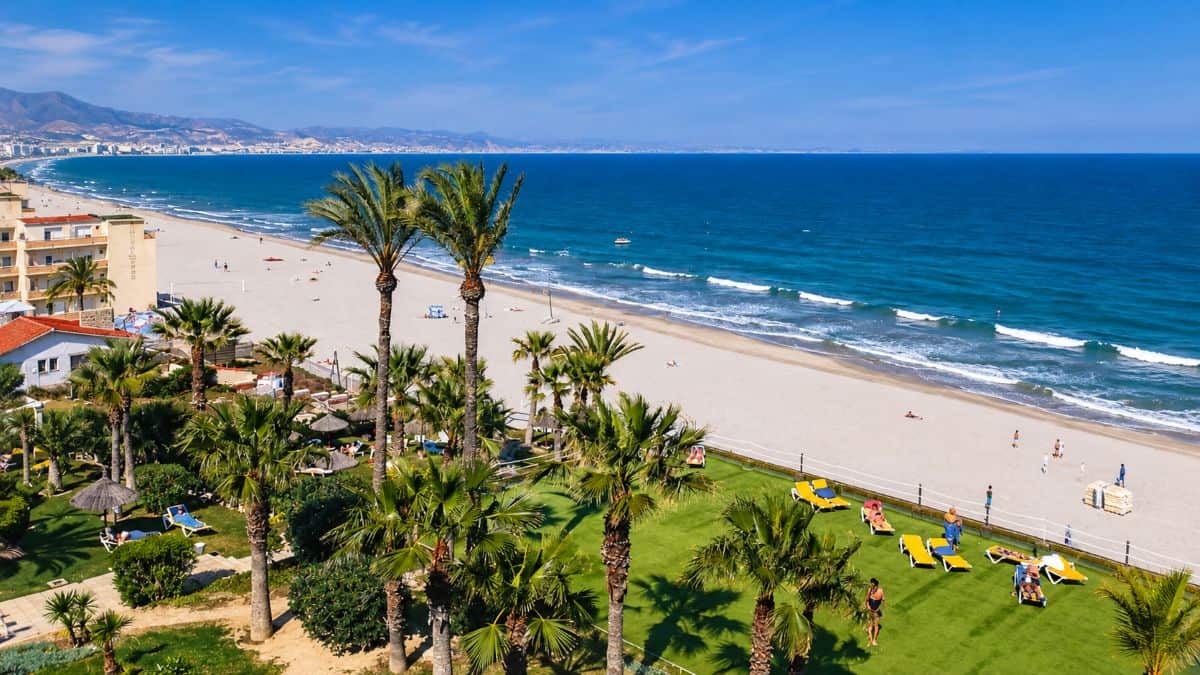
Spain continues to attract travellers with its distinctive island landscapes, coastal communities and varied holiday experiences. From the lively atmosphere of Ibiza and Mallorca to the quieter environments of El Hierro and La Gomera, the country’s islands offer opportunities for beach holidays, outdoor adventures, cultural exploration and wellness retreats. A recent travel feature published on 22 September 2026 highlights 14 Spanish islands, bringing attention to both established destinations and lesser-known locations.
The selection illustrates how Spanish island travel extends beyond conventional seaside holidays. Visitors can explore volcanic scenery in the Canary Islands, discover marine ecosystems around Menorca, enjoy walking routes in Galicia and experience the relaxed atmosphere of Formentera. Accommodation options range from boutique hotels and historic properties to campsites and private retreats. Together, these destinations demonstrate the variety available to travellers planning a Spanish island getaway.
Spanish Islands Combine Beaches Nature And Cultural Experiences
Spain’s islands appeal to different types of travellers because of their contrasting geographical features and local traditions. Some destinations are recognised for water sports, while others emphasise hiking, heritage, gastronomy or peaceful surroundings.
The following table summarises the main travel characteristics described in the source material.
Advertisement
Advertisement
| Spanish Island | Key Travel Experience | Notable Attraction |
|---|---|---|
| Fuerteventura | Adventure and water sports | Cofete Beach and Corralejo Dunes |
| Menorca | Marine nature and tranquillity | Biosphere Reserve and Camí de Cavalls |
| La Graciosa | Wild island escape | Volcanic trails and Montaña Amarilla |
| Ibiza | Wellness and coastal lifestyle | Beaches and countryside dining |
| La Gomera | Slow travel and hiking | Garajonay National Park |
| Gran Canaria | Diverse landscapes | Maspalomas and Tejeda |
| Mallorca | Leisure and exploration | Beaches, vineyards and Palma |
| La Palma | Nature and stargazing | Volcano Route and Roque de los Muchachos |
| El Hierro | Heritage and preserved landscapes | Natural pools and Valverde |
| Lanzarote | Architecture and wine tourism | César Manrique’s designs and La Geria |
| Ons Islands | Off-grid travel | Coastal walks and seafood |
| Tenerife | Repeat visits and local experiences | Mount Teide and Anaga |
| Cíes Islands | Camping and coastal scenery | Beaches and protected landscapes |
| Formentera | Quiet Mediterranean escape | Ses Salines Natural Park |
The destinations and experiences in this table are drawn from the supplied travel feature.
Fuerteventura And Menorca Highlight Contrasting Island Landscapes
Fuerteventura stands out for its volcanic terrain, extensive beaches and opportunities for windsurfing and kitesurfing. The island’s desert-like scenery creates a distinctive setting, while destinations such as Cofete, Sotavento and the Corralejo Dunes provide opportunities for coastal exploration. Travellers seeking a combination of outdoor activities and relaxation can consider the island’s growing range of accommodation, including larger resorts and smaller village retreats.
Advertisement
Advertisement
Menorca presents a different travel experience, centred on marine conservation, natural scenery and tranquillity. Its marine Biosphere Reserve and turquoise waters contribute to its appeal, while locations such as Cala Algaiarens, Cala Morell and the S’Albufera Natural Park offer opportunities for exploring the island’s coastal and ecological character.
The island also has cultural attractions, including Mahón’s historic streets and Monte Toro, its highest point. Visitors can combine nature-based activities with local heritage and accommodation inspired by the Menorcan lifestyle.
Canary Islands Present Volcanic Scenery And Outdoor Adventure
The Canary Islands feature prominently in the selection, with La Graciosa, La Gomera, Gran Canaria, La Palma, El Hierro, Lanzarote and Tenerife offering different approaches to island tourism.
La Graciosa appeals to travellers interested in a more remote environment. Its unpaved streets, volcanic trails and coastal scenery provide a setting for walking and cycling. The island’s limited accommodation and protected natural surroundings make responsible travel planning important, particularly during busy periods.
La Gomera offers a slower pace, with hiking through Garajonay National Park, coastal activities and traditional food experiences. Its small communities and rugged landscapes create opportunities for travellers who prefer nature and quieter surroundings.
Gran Canaria provides greater variety, combining beaches, mountains, cultural attractions and urban experiences. Travellers can explore Vegueta in Las Palmas, visit Maspalomas, travel inland to Tejeda or discover the coastal town of Agaete. The island’s varied terrain makes road travel an option for exploring different areas.
Advertisement
Advertisement
Mallorca Ibiza And Formentera Expand Mediterranean Holiday Choices
The Balearic Islands offer a combination of coastal scenery, hospitality, food and leisure activities. Mallorca is suited to travellers looking for varied experiences, from beaches and vineyards to historic streets and cultural attractions in Palma. The island also offers opportunities for countryside stays and quieter travel outside peak summer periods.
Ibiza is widely associated with nightlife, but the source also highlights its quieter side. Visitors can explore beaches, countryside restaurants and wellness-focused experiences. The island’s accommodation options include luxury hotels and boutique properties, offering different styles of coastal and rural stays.
Formentera provides a more relaxed alternative, with beaches, cycling routes and a bohemian atmosphere. The island has no clubs comparable to Ibiza’s nightlife scene, while boutique accommodation has expanded in recent years. Travellers can explore Ses Salines Natural Park and enjoy the island’s coastal environment, particularly outside the busiest periods.
Galicia’s Islands Promote Protected Coastal Tourism
Spain’s Atlantic coastline offers a different island experience through the Ons and Cíes Islands in Galicia. These destinations are associated with natural scenery, limited visitor capacity and a slower style of travel.
The Cíes Islands have become increasingly recognised, leading to visitor management measures during the high season. The source notes a maximum daily visitor capacity of 1,800 during June to September. Accommodation is limited, with camping available rather than conventional luxury hotels.
Ons Island provides an off-grid experience, with limited mobile connectivity and an emphasis on walking, coastal scenery and local seafood. Visitors should plan accommodation carefully because the island does not have conventional hotels.
Advertisement
Advertisement
Accommodation Choices Reflect Changing Island Travel Preferences
The source identifies a broad range of accommodation across Spain’s islands. Travellers can choose between luxury resorts, boutique hotels, historic properties, campsites and private rentals, depending on their destination and preferred travel style.
| Accommodation Style | Suitable Travel Preference |
|---|---|
| Luxury resorts | Wellness and premium beach holidays |
| Boutique hotels | Personalised stays and design-focused travel |
| Historic properties | Heritage and cultural experiences |
| Campsites | Outdoor travel and nature exploration |
| Private rentals | Independent and flexible holidays |
Accommodation availability, pricing and seasonal operating periods should be confirmed before booking. The source provides examples of properties but does not establish current availability or rates for every destination.
Practical Planning Considerations For Spanish Island Holidays
Travellers should consider the season, transport connections, local regulations and accommodation availability when planning an island holiday. Some destinations have limited visitor capacity or fewer lodging options, making advance planning particularly relevant.
Outdoor activities may also require attention to local conditions. Coastal walks, water sports and volcanic trails can involve changing weather and terrain. Visitors should follow local safety guidance and respect protected natural areas.
The diversity of Spain’s islands means that travellers can select destinations according to their interests rather than following a single holiday model. Beach-focused trips, hiking holidays, cultural breaks and quiet retreats are all represented in the source selection.
Spanish Islands Offer Varied Experiences For International Travellers
The 14-island selection presents Spain as a destination with substantial geographical and cultural variety. Fuerteventura’s adventure opportunities, Menorca’s marine environment, Mallorca’s broad leisure offering and the quieter character of islands such as El Hierro and Ons demonstrate the different experiences available.
Advertisement
Advertisement
For travellers considering a future Spanish holiday, the central consideration is matching the island’s character with personal interests, available time and travel requirements. Responsible planning can help visitors enjoy the islands while supporting the preservation of their natural and cultural environments.
Frequently Asked Questions About Spanish Islands
1. How many Spanish islands are featured in the travel selection?
The supplied source features 14 Spanish islands and island groups.
2. Which Spanish island is known for windsurfing and kitesurfing?
Fuerteventura is highlighted for its windsurfing and kitesurfing opportunities.
3. Which Spanish island is associated with marine conservation?
Advertisement
Advertisement
Menorca is highlighted for its marine Biosphere Reserve and seagrass ecosystems.
4. Is Ibiza only suitable for nightlife holidays?
No. The source also highlights Ibiza’s beaches, countryside dining and wellness experiences.
5. Which island offers a quieter alternative to Ibiza?
Formentera is presented as a slower-paced destination with beaches and a relaxed atmosphere.
6. Can travellers go camping in the Cíes Islands?
Advertisement
Advertisement
Yes. The source identifies a campsite as an accommodation option during Easter and the summer season.
7. Which Spanish island is known for volcanic landscapes and design?
Lanzarote is highlighted for its volcanic scenery, architectural designs and wine tourism.
8. What type of holiday does La Gomera offer?
La Gomera is presented as a destination for slower travel, hiking, nature and local food experiences.
9. Are hotels available on the Ons Islands?
Advertisement
Advertisement
The source states that Ons does not have conventional hotels and recommends accommodation on the mainland.
10. What should travellers consider before visiting Spanish islands?
Travellers should consider seasonal conditions, transport, accommodation availability, visitor restrictions and local environmental guidelines.
Advertisement
