
Spain Elevates Cervantes Week in Alcalá de Henares as International Tourist Interest Festival Celebrating Literary Heritage

Published
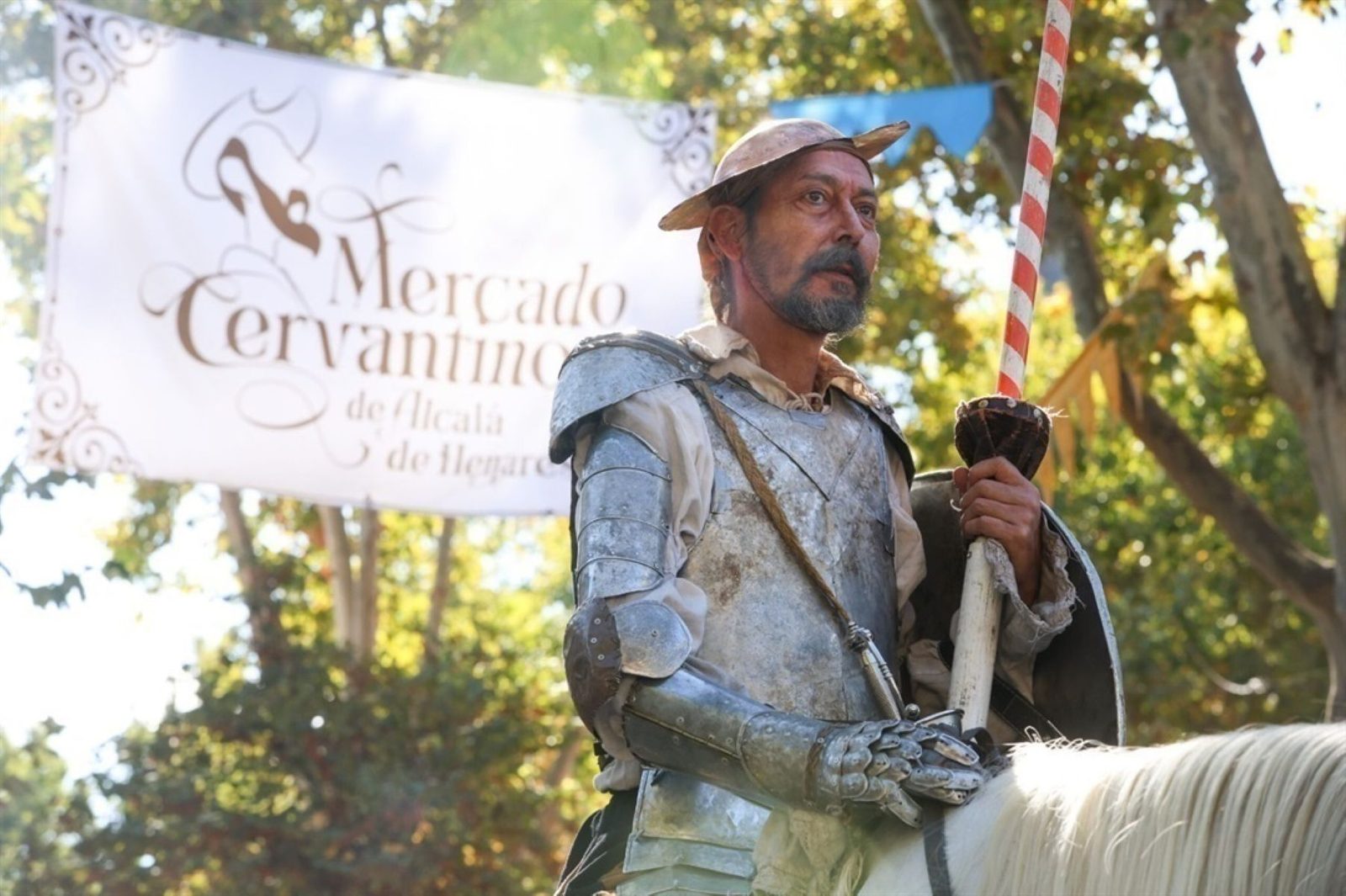
Spain elevates Cervantes Week in Alcalá de Henares as an International Tourist Interest Festival, celebrating literary heritage and strengthening the country’s cultural tourism appeal. This honor exemplifies the connection between Miguel de Cervantes and his works and the character of his hometown. Every October, there is Cervantes Week and it brings together literature, history, gastronomy, theatre, music and the Golden Age traditions in the historic center of Alcalá de Henares. With the new international status, the older recognition gives the celebration the opportunity to be known by travelers of culture beyond the country.
Why has Spain recognised Cervantes Week Alcalá de Henares as an International Tourist Interest Festival?
Spain has strengthened its cultural tourism identity by granting Cervantes Week Alcalá de Henares the prestigious status of a Festival of International Tourist Interest. The recognition, awarded by the Ministry of Industry and Tourism through the State Secretariat for Tourism, highlights the festival’s unique connection with Miguel de Cervantes, Spanish literature and the historic heritage of his birthplace.
The annual celebration held in October has become one of Spain’s most important literary tourism events. It combines historical traditions, cultural performances and heritage experiences, transforming Alcalá de Henares into an international destination for visitors interested in literature, history and Spanish culture.
The new distinction represents a major milestone after Cervantes Week previously achieved Festival of National Tourist Interest status in 2018. The international recognition places the celebration among Spain’s leading cultural festivals with global tourism potential.
Advertisement
Advertisement
Key highlights of the recognition
- Awarded by Spain’s Ministry of Industry and Tourism.
- Recognises the cultural and historical importance of Cervantes Week.
- Promotes Alcalá de Henares as a literary tourism destination.
- Connects Spanish heritage with international visitors.
- Strengthens the global visibility of Miguel de Cervantes’ legacy.
| Category | Details |
|---|---|
| Festival | Cervantes Week Alcalá de Henares |
| New Recognition | Festival of International Tourist Interest |
| Country | Spain |
| Location | Alcalá de Henares, Community of Madrid |
| Main Theme | Miguel de Cervantes, literature and heritage |
| Previous Recognition | Festival of National Tourist Interest (2018) |
How does Cervantes Week Alcalá de Henares celebrate Spain’s literary heritage?
Cervantes Week is a cultural celebration dedicated to Miguel de Cervantes, the globally recognised author of Don Quixote. The festival takes place every October in Alcalá de Henares, the city closely linked with the writer’s early life and historical identity. The celebration coincides with the anniversary of Cervantes’ baptism, which was recorded in Alcalá de Henares on 9 October 1547.
The festival uses the city’s historic centre as a cultural stage where visitors can explore Spain’s Golden Age traditions through theatre, music, literature, gastronomy and historical recreation. The event creates a direct connection between Cervantes’ work and the streets, monuments and heritage spaces of his hometown.
Advertisement
Advertisement
Main cultural elements of Cervantes Week
- Tribute to Miguel de Cervantes and Don Quixote.
- Celebration of Spanish Golden Age culture.
- Historical performances and literary activities.
- Heritage-based tourism experiences.
- Cultural programming across Alcalá de Henares.
| Cultural Feature | Tourism Importance |
|---|---|
| Cervantes legacy | Promotes international literary tourism |
| Historic city centre | Provides heritage experience |
| Literary activities | Connects visitors with Spanish culture |
| Theatre and music | Expands cultural engagement |
| Traditional events | Preserves historical identity |
What makes Alcalá de Henares an important destination for cultural tourism?
Alcalá de Henares has developed its international tourism profile through its connection with literature, architecture and historical heritage. The city is recognised as a UNESCO World Heritage Site, making it one of Spain’s key destinations for visitors seeking cultural experiences.
The recognition of Cervantes Week further strengthens the city’s position as a destination where tourism is built around living heritage. Visitors are not only introduced to Cervantes’ literary achievements but also experience the historic environment that shaped the cultural identity of the city.
Advertisement
Advertisement
The festival adds value to Alcalá de Henares’ existing heritage attractions by creating a seasonal event that combines education, entertainment and historical interpretation.
Why Alcalá de Henares attracts cultural travellers
- UNESCO World Heritage recognition.
- Strong association with Miguel de Cervantes.
- Historic streets and monuments.
- Literary and educational tourism opportunities.
- International cultural appeal.
| Destination Asset | Role in Tourism |
|---|---|
| Cervantes birthplace connection | Builds literary tourism demand |
| UNESCO heritage status | Supports international recognition |
| Historic centre | Provides cultural experiences |
| Traditional festivals | Encourages visitor engagement |
| Museums and heritage sites | Expands tourism activities |
How does the Cervantes Market transform Alcalá de Henares during the festival?
The Cervantes Market is one of the most recognised attractions during Cervantes Week. The event recreates the atmosphere of Spain’s Golden Age and transforms the historic centre of Alcalá de Henares into a large cultural environment inspired by the period associated with Cervantes.
Visitors can experience traditional crafts, performances, music, theatre and gastronomy while exploring streets decorated to reflect historical Spain. The market creates an immersive tourism experience by combining entertainment with cultural education.
Rather than being only a commercial event, the Cervantes Market supports the broader objective of preserving and promoting Spain’s literary and historical identity.
Advertisement
Advertisement
Main attractions of the Cervantes Market
- Golden Age-inspired atmosphere.
- Traditional craftsmanship displays.
- Street theatre performances.
- Cultural music programmes.
- Historic gastronomy experiences.
| Activity | Visitor Experience |
|---|---|
| Crafts | Discover traditional skills |
| Theatre | Experience historical storytelling |
| Music | Enjoy cultural performances |
| Food | Explore Spanish traditions |
| Market spaces | Walk through recreated heritage settings |
Why are Cervantes’ baptism procession and Don Quixote reading important events?
Two of the most symbolic moments of Cervantes Week are the civic procession featuring Cervantes’ baptismal certificate and the public reading of Don Quixote. These activities highlight the historical relationship between the writer and Alcalá de Henares.
The civic procession carries the baptismal record of Miguel de Cervantes from the City Hall to the chapel where he was baptised. The event provides visitors with a direct connection to one of Spain’s most influential literary figures.
The popular reading of Don Quixote at the historic Corral de Comedias celebrates a work considered one of the greatest achievements in world literature.
Important traditional events
- Civic procession of Cervantes’ baptismal record.
- Public reading of Don Quixote.
- Literary celebrations.
- Heritage storytelling.
- Historical remembrance.
| Event | Cultural Meaning |
|---|---|
| Baptism certificate procession | Connects visitors with Cervantes’ origins |
| Don Quixote reading | Celebrates global literature |
| Historic venues | Strengthen heritage tourism |
| Public participation | Creates community involvement |
| Literary activities | Promotes Spanish culture internationally |
What additional experiences make Cervantes Week a complete cultural festival?
Beyond its main events, Cervantes Week offers a wide programme focused on literature, gastronomy and performing arts. The festival includes Cervantine Gastronomic Days, antique and second-hand book fairs, theatre performances and music activities linked to Cervantes and Spain’s Golden Age.
These experiences expand the festival beyond a single literary celebration and create a broader tourism product. Visitors can explore different aspects of Spanish culture while discovering the historic atmosphere of Alcalá de Henares.
The combination of heritage, entertainment and education makes Cervantes Week an example of how cultural festivals can support destination promotion.
Advertisement
Advertisement
Additional festival programmes
- Cervantine Gastronomic Days.
- Antique and second-hand book fair.
- Theatre performances.
- Music events.
- Literary activities.
| Programme | Tourism Value |
|---|---|
| Gastronomic events | Promotes Spanish cuisine |
| Book fairs | Encourages literary tourism |
| Theatre | Highlights cultural traditions |
| Music | Adds entertainment value |
| Workshops and activities | Supports visitor participation |
How will international recognition strengthen Spain’s cultural tourism strategy?
The international recognition of Cervantes Week Alcalá de Henares increases the visibility of Spain’s literary heritage on the global tourism map. The distinction demonstrates the importance of cultural festivals in promoting destinations beyond traditional attractions.
By highlighting Miguel de Cervantes, Alcalá de Henares presents a tourism model based on history, creativity and heritage preservation. The festival offers international visitors an opportunity to experience Spanish culture through authentic local traditions.
The recognition also reinforces the importance of literary tourism, where destinations connected with writers and historic figures become meaningful travel experiences.
Impact of the new international status
- Greater global awareness of Alcalá de Henares.
- Stronger literary tourism opportunities.
- Promotion of Spanish cultural heritage.
- Increased international festival visibility.
- Recognition of historic traditions.
| Impact Area | Expected Contribution |
|---|---|
| Cultural tourism | Expands Spain’s heritage offering |
| Literary tourism | Promotes Cervantes worldwide |
| Destination branding | Strengthens Alcalá de Henares identity |
| International appeal | Attracts global cultural travellers |
| Heritage preservation | Supports historic traditions |
What does the Cervantes Week recognition mean for Spain’s tourism future?
The declaration of Cervantes Week Alcalá de Henares as a Festival of International Tourist Interest marks a significant achievement for Spain’s cultural tourism sector. It confirms the importance of combining literature, history and heritage to create internationally attractive tourism experiences.
The festival represents more than a celebration of one writer. It reflects Spain’s broader commitment to protecting cultural identity while sharing its heritage with visitors worldwide.
With its connection to Miguel de Cervantes, UNESCO heritage surroundings and unique cultural programme, Cervantes Week strengthens Alcalá de Henares’ role as one of Spain’s leading literary tourism destinations. (Spain.info)
| Final Recognition Facts | Details |
|---|---|
| Festival Status | International Tourist Interest |
| Main Destination | Alcalá de Henares, Spain |
| Cultural Symbol | Miguel de Cervantes |
| Main Literary Work | Don Quixote |
| Previous Status | National Tourist Interest since 2018 |
| Tourism Focus | Literature, heritage and history |
Conclusion
Spain elevates Cervantes Week in Alcalá de Henares as an International Tourist Interest Festival, celebrating literary heritage through an experience rooted in literature, history and local identity. This honor answers the question of what makes this celebration important beyond the town: it links travelers with Miguel de Cervantes and brings the traditions of the past into a contemporary setting that is accessible to culture. Cervantes Week combines activities of literature, heritage, performing arts and cuisine together with the community and strengthens the cultural offerings for the city. For Alcalá de Henares, this distinction brings more international focus and for Spain, it strengthens literary and heritage tourism as key segments of its diverse economy.
Advertisement
