

Emirates Joins Qatar, Etihad, flydubai, Saudia, Turkish, and Other Airlines Faces Over 23,000 Flight Cancelations and Around Twenty Billion Dollars Losses in Air Travel Market Due Increased Fuel Prices and Airspace Closures amid Middle East Crisis: Everything You Need To Know

Published
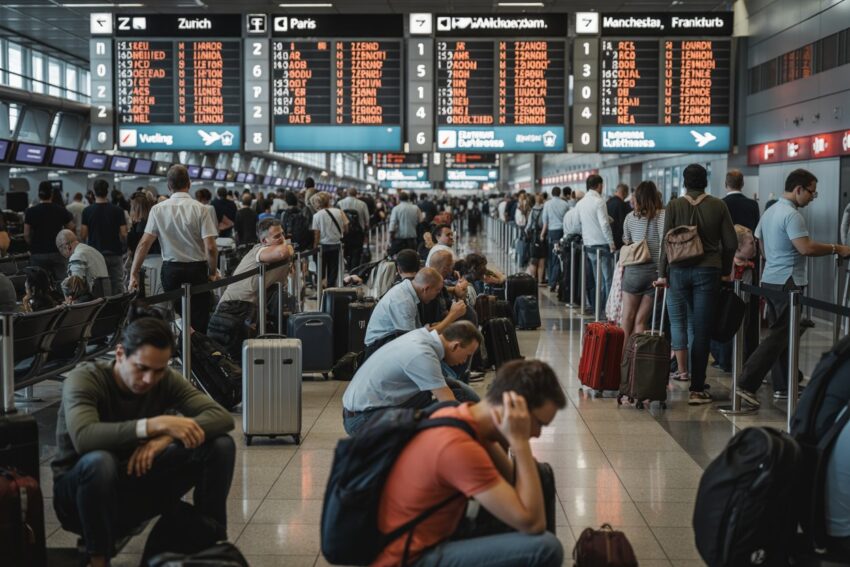 Image generated with Ai
The ongoing Middle East crisis has thrown the global aviation industry into chaos, with major airlines like Emirates, Qatar Airways, Etihad Airways, flydubai, Saudia, Turkish Airlines, and other key carriers facing unprecedented disruptions. Over 23,000 flights have been cancelled, leading to an estimated loss of around twenty billion dollars in the air travel market. These staggering losses are a direct result of several factors, including sharp increases in fuel prices and airspace closures throughout the Middle East. As tensions escalate, airlines are being forced to reroute flights around conflict zones, leading to massive operational inefficiencies and soaring operational costs. The combination of these challenges has placed immense strain on airlines’ profitability and their ability to operate at full capacity. In this article, we’ll break down everything you need to know about the ongoing crisis and its far-reaching effects on the aviation sector, including how key players like Emirates and Qatar are struggling with these severe disruptions.
Middle East Aviation Faces Devastating Losses Amid Ongoing Conflict
The ongoing Iran-Israel-U.S. conflict has caused the most significant aviation disruption in the Middle East since the COVID-19 pandemic. Since the escalation in February 2026, over 23,000 flights have been cancelled, leading to staggering financial losses. On the first day of the conflict alone, Arab airlines lost nearly $1 billion, and the industry’s cumulative losses reached approximately $50 billion within just three days. The ongoing disruptions have also wiped out $23 billion in market value for global airline stocks. Airlines that remain operational are facing sky-high operational costs, with some carriers incurring an additional $6,000–$8,000 per hour due to massive flight rerouting around airspaces closed in Iran, Iraq, Jordan, and the UAE. These ongoing challenges reflect the immense financial and operational toll that the conflict is having on the aviation sector, with no immediate end in sight.
Emirates (UAE): Major Losses Amid Massive Fleet Grounding
Emirates, the world’s largest international airline, has been hit hardest by the ongoing conflict. With its hub in Dubai directly targeted by drone and missile interceptions, the airline was forced to ground nearly 250 wide-body aircraft. The loss of high-yield transit traffic between Europe and Asia significantly contributed to the overall financial strain. The grounding of its A380 fleet created a multibillion-dollar revenue hole. Emirates, dependent on international connections, faces a sharp decline in tourism and cargo revenue, with operations suspended through March 7 and only limited relief flights available. This disruption could further erode Emirates’ market share and profitability, potentially delaying recovery for months.
Qatar Airways (Qatar): Grounded Operations and Stranded Passengers
Qatar Airways has experienced substantial operational disruptions since March 2, 2026, when Qatari airspace was closed due to escalating conflict. With Hamad International Airport shutting down, Qatar Airways had to cancel thousands of flights, stranding millions of passengers. The airline’s reliance on connecting flights through its hub has severely impacted revenue generation. Additionally, Qatar Airways is absorbing the cost of accommodating stranded passengers in third-country hotels. Despite efforts to operate limited relief flights through Muscat and Riyadh, the prolonged airspace restrictions and rising costs have undermined the airline’s financial stability. The potential loss of premium passengers from Asia and Europe is a significant blow.
Advertisement
Advertisement
Etihad Airways (Abu Dhabi): Operational Costs Soar Amid Conflict
Etihad Airways has faced considerable setbacks due to the conflict, with its Zayed International Airport hub hit by drone debris on March 1, leading to the suspension of operations. The massive rerouting of flights around Iran and Iraq is incurring extra operational costs of $8,000 per hour. Etihad’s heavy reliance on regional routes, now disrupted by the escalating conflict, has left it vulnerable. While the airline gradually restarts operations, the reduced flight frequency and increased fuel consumption have significantly impacted profitability. With much of its business travel and regional tourism on hold, Etihad’s future earnings look uncertain, especially with ongoing instability in the region.
flydubai (UAE): Severe Disruption to Regional Network
flydubai, a major regional narrow-body operator, is heavily affected by the ongoing airspace shutdowns and security risks in the Middle East. The airline, known for short-haul frequency, had to scrap nearly its entire network overnight as key airspaces in Jordan, Iraq, and Iran closed. This disruption has caused a sharp decline in ticket revenues and led to massive refund liabilities. With limited operations—less than 10 flights per day—flydubai’s financial losses are escalating, particularly as it can no longer rely on high-frequency feeder routes for Emirates. The airline now faces severe challenges in regaining profitability, given the regional instability and dwindling travel demand.
Advertisement
Advertisement
Saudi Arabian Airlines (Saudia): Increased Fuel Costs and Declining Pilgrimage Traffic
Saudi Arabian Airlines (Saudia), though operating within a relatively stable airspace, has been heavily impacted by the ongoing conflict. Missile threats and Houthi drone strikes on energy infrastructure have complicated travel in the region, leading to flight rerouting and increased fuel consumption. This surge in fuel costs, combined with the decline in pilgrimage traffic to Mecca and Medina, has compounded the airline’s financial losses. The suspension of lucrative Umrah traffic during the busy Ramadan season has led to a drastic decrease in religious tourism. While Saudia remains operational, the extreme delays and congestion from rerouted flights have led to a sharp decline in profits and a potential drop in market share.
Turkish Airlines (Turkey): Rising Fuel Costs Amid Missed Opportunities
Turkish Airlines has also been severely affected by the escalating conflict, particularly by the sharp increase in global jet fuel prices, which surged 30% since the conflict began. While the airline has benefited from an increase in emergency bookings from passengers fleeing the Gulf, it has also suffered due to the loss of its Middle Eastern network, a crucial market for long-haul flights. Despite the influx of diverted passengers, the fuel cost surge has significantly impacted the profitability of Turkish Airlines’ vast long-haul network. Flights to the Levant and Gulf remain largely suspended or delayed, reducing capacity and revenue potential from those regions. The airline now faces a tough financial road ahead, balancing the high fuel costs with a dip in tourism demand.
Advertisement
Advertisement
Summary of Financial Impact on Middle Eastern Airlines
| Factor | Financial Impact |
|---|---|
| Cancelled Flights | Over 23,000 flights cancelled, disrupting revenue. |
| Fuel Costs | Increased fuel prices adding $6,000–$8,000 per flight hour. |
| Market Value | $23 billion lost in airline market capitalization. |
| Revenue Loss | Airlines facing substantial revenue losses from flight cancellations and decreased tourism. |
Amid the ongoing Middle East crisis, Emirates, Qatar Airways, Etihad, flydubai, Saudia, Turkish Airlines, and others face over 23,000 flight cancellations and around $20 billion in losses. Fuel price hikes and airspace closures are major factors contributing to this turmoil.
In conclusion, the Middle East crisis has severely impacted Emirates, Qatar Airways, Etihad, flydubai, Saudia, Turkish Airlines, and other major carriers, resulting in over 23,000 flight cancellations and around twenty billion dollars in losses. Increased fuel prices and airspace closures have compounded these challenges, forcing airlines to reroute flights and incur significant operational costs. As the situation continues, the aviation industry will likely face further turbulence, with recovery expected to take months or even years. The financial and operational strain on these airlines underscores the broader impact of geopolitical instability on global air travel.
Advertisement
