
How Are United Kingdom Inbound Travel Dynamics Driving Comprehensive Tourism Initiatives Across Scotland, Wales, And Neighboring Regions, Find Out Now

Updated
Published
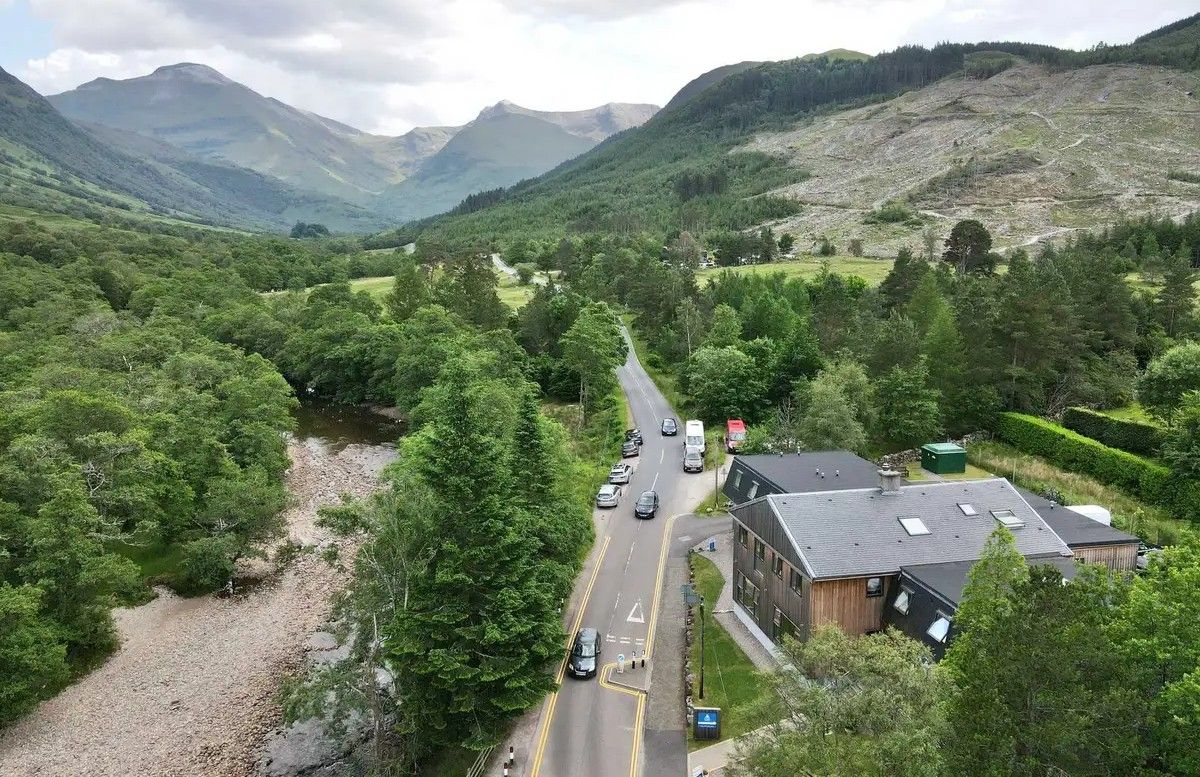
We all felt that sudden, sinking dread when the travel world came to a halt. It was as if everything stopped overnight. The cobblestone streets we loved the coastal spots where time seemed to stand still. They were suddenly empty. It wasn’t just quiet. It was heartbreak. For months people stayed away.. Then came the numbers. A 20% drop in visitors. That hit hard. Local businesses struggled. Shops closed. Restaurants didn’t fill up. The lifeblood of our communities began to slow down. But here’s the thing. We didn’t give up. We found strength in each other. People started thinking. They started creating. They started dreaming. From the museum halls of England to the mist-covered hills of Scotland from the wild trails of Wales to the dramatic coastlines of Northern Ireland change took hold.
Communities pulled together. Events returned. New ideas flourished. It’s not about numbers anymore. It’s about feeling alive. It’s about laughter echoing in town squares guests arriving with smiles and stories being told at cafes and car parks. Our nation is healing. Not by going to how things were but by becoming better. Stronger. More open. More real. This is more than recovery. This is rebirth. Let’s take a look at how it’s happening. One step, one story, one sunrise, at a time.
Advertisement
Advertisement
Urgent 20% United Kingdom Visitor Drop Triggers Massive Tourism Recovery Push
The United Kingdom travel and tourism sector encompassing England, Scotland, Wales, and Northern Ireland has historically served as a critical pillar of the national economy, contributing roughly 9% to 10% of total gross domestic product and supporting millions of vital jobs. Following historical contractions, including dramatic visitor drops during global travel restrictions where international arrivals plummeted by over 50% to 90%, the UK tourism sector faced persistent recovery challenges. While aggregate figures showed a progressive bounce-back toward pre-pandemic baselines, a startling 20% United Kingdom visitor drop triggered a massive tourism recovery push across the entire nation. Specific localized visitor drop triggers such as shifting economic pressures, international flight capacity constraints, inflationary cost-of-living impacts, and changes in consumer behavior prompted coordinated national and regional recovery pushes.
Advertisement
Advertisement
Why Did England Suffer Severe Slowdowns in Corporate Business Travel and MICE Events Across London?
England faced heavy dependency on high-spending international long-haul markets, particularly the United States and parts of Asia, leaving its capital vulnerable to sudden shifts. London, in particular, which captures over half of all Great Britain inbound visits, suffered from slower initial returns of corporate business travel and Meetings, Incentives, Conferences, and Exhibitions (MICE) events.
Advertisement
Advertisement
Recovery efforts focused intensely on re-attracting high-value tourists, boosting regional heritage tourism outside of London, and leveraging major cultural institutions. Iconic landmarks such as the Natural History Museum and the British Museum recorded tens of millions of visits, acting as magnetic anchors for incoming travelers across English cities and towns like Oxford, Bath, and York.
How Did Scotland Overcome Rural Staffing Shortages and Accommodation Capacity Caps in the Highlands?
Advertisement
Advertisement
Scotland demonstrated a relatively resilient recovery path driven by its strong global brand in outdoor adventure and heritage. However, rural tourism nodes, such as the Highlands and Islands, faced acute hospitality staffing shortages and strict accommodation capacity caps during peak summer windows.
Strategic initiatives successfully expanded off-peak shoulder-season travel, exemplified by notable growth recorded in the Cairngorms National Park and the Isle of Skye. International marketing campaigns pivoted heavily toward highlighting sustainable, nature-based tourism to distribute visitor traffic more evenly across the Scottish countryside throughout the entire year.
What Caused Localized Dips in Overnight Leisure Trips and Staycation Momentum Across Wales?
Wales historically recorded lower international inbound volume compared to its neighbors, resulting in a heavy reliance on domestic UK staycations. Fluctuations in domestic disposable income directly triggered localized dips in overnight leisure trips as consumer spending tightened under broader cost-of-living impacts across coastal and rural destinations like Pembrokeshire and Ceredigion.
Advertisement
Advertisement
To combat this, regional authorities focused on enhancing local infrastructure and promoting thriving adventure tourism clusters, notably in Eryri National Park (Snowdonia) and North Wales. Aggressive domestic marketing campaigns were deployed across the nation to retain staycation momentum, promote short-break getaways, and support local hospitality providers.
Why Did Northern Ireland Rely on Screen Tourism and Belfast-Dublin Corridors to Rebuild Visitor Flow?
Northern Ireland navigated unique cross-border dynamics and specific regional air connectivity constraints that directly influenced its visitor flow. Adjustments in statistical measurement methodologies by agencies like NISRA highlighted the absolute necessity for precise tracking of overseas arrivals entering via regional and neighboring hubs.
Regional planners brilliantly showcased screen tourism by leveraging major cinematic and television backdrops, such as the iconic Causeway Coast, across the countryside. Simultaneously, they bolstered Belfast’s cultural economy and reinforced strategic Belfast-Dublin tourism corridors to attract cross-border travelers landing on the island.
How Did Government Initiatives and the Tourism Recovery Plan Drive Sustainable Long-Term Growth?
To counter visitor drop triggers and stimulate sustainable long-term growth, official bodies led by the UK Government (Department for Culture, Media and Sport – DCMS) deployed structured initiatives. They worked alongside national tourism agencies like VisitBritain, VisitScotland, Visit Wales, and Tourism Northern Ireland to execute the official Tourism Recovery Plan.
Advertisement
Advertisement
These coordinated frameworks aimed to accelerate domestic and international recovery targets ahead of independent forecasts. Policies focused on dispersing visitor spend evenly across all regions and nations, encouraging extended stays, and raising off-season accommodation occupancy rates across England, Scotland, Wales, and Northern Ireland.
What Role Did Data Analytics, Green Transitions, and Accessibility Play in the National Comeback?
Accessibility and inclusivity pushes targeted making the UK visitor ecosystem exceptionally accessible for disabled travelers to widen the addressable market across public transportation and heritage sites. Meanwhile, sustainability policies aligned recovery frameworks with the UK’s net-zero commitments to preserve natural and historic heritage for future generations.
Data-driven infrastructure investments leveraged enhanced analytics and passenger arrival metrics monitored via the Office for National Statistics (ONS) International Passenger Survey. These insights allowed authorities to rapidly pivot marketing spend toward high-yield source markets like the United States, which accounts for over 20% of total UK inbound visitor spending.
How Do Macro-Economic GDP Contributions and Direct Employment Metrics Drive National Policy?
The travel and tourism sector functions as an indispensable macroeconomic engine, generating £286 billion in gross value added and sustaining up to 4.2 million direct and indirect jobs across every region. Because hospitality, retail, and leisure act as fundamental employment hubs, any contraction in international footfall immediately threatens local livelihoods across both metropolitan centers and rural territories. Consequently, when national visitor numbers drop significantly, government bodies like the Department for Culture, Media and Sport (DCMS) step in to protect baseline economic output and prevent widespread structural unemployment.
Advertisement
Advertisement
To counter these economic downturns, official recovery frameworks prioritize protecting baseline employment while deploying targeted fiscal incentives across the broader hospitality ecosystem. By channeling strategic investments into regional tourism boards and national marketing bodies like VisitBritain, policymakers aim to rapidly restore incoming tourist volume and safeguard total gross value added output. Modernizing public transport links and funding cultural sector initiatives further ensures that the economic benefits of tourism remain evenly distributed across all four devolved nations.
Why Do High-Yield Visitor Spending Dynamics and United States Market Dominance Matter Most?
International inbound expenditure is heavily weighted toward high-yielding long-haul source markets, with North America representing the single most lucrative demographic for the United Kingdom. American travellers generate over 22% of total inbound visitor spending, contributing more than £7 billion annually to local businesses, historic sites, and luxury accommodation networks. In practice, nearly £1 out of every £5 spent by international tourists within the UK originates directly from American visitors, making this demographic vital for long-term financial stability.
Recognizing this economic reality, national destination marketing organizations have pivoted their international promotional campaigns to protect and expand their market share in North America. By running high-impact marketing initiatives across key American metropolitan areas, tourism authorities successfully offset lower spending volumes from shorter-haul European routes. Capturing high-spending international travellers allows regional hospitality providers, luxury retailers, and cultural attractions to maintain solid profit margins even during broader global economic fluctuations.
How Does London’s Urban Tourism Concentration Affect Accommodation Occupancy Thresholds?
London continues to command an extraordinary proportion of the nation’s total visitor economy, capturing over 53% of all inbound visits to Great Britain and nearly 55% of total visitor expenditure. Capital hotel performance reflects this immense concentration, maintaining average occupancy rates of 82.5% with average daily room rates reaching £253, while regional UK cities average around 75.7% occupancy. While this high demand underscores London’s global appeal, it simultaneously creates significant urban bottleneck effects and places intense pressure on local metropolitan infrastructure.
Advertisement
Advertisement
To alleviate capital congestion and foster balanced national growth, national recovery strategies actively encourage incoming international travellers to venture beyond London’s traditional city boundaries. Strategic promotional campaigns highlight accessible regional heritage hubs, such as Oxford, Bath, York, and Cambridge, which offer world-class historic experiences just a short train journey away. By establishing efficient regional travel itineraries and multi-destination transport passes, tourism boards successfully redistribute high-spending international visitors into regional towns and countryside communities.
What Role Do Cultural Anchor Performance and Museum Attendance Records Play in Recovery?
The United Kingdom’s world-renowned, free-to-enter national museums and galleries serve as vital economic magnets that stabilize footfall across major urban centers. In recent performance cycles, flagship institutions achieved exceptional visitations, led by the Natural History Museum capturing a record 7.12 million visits and the British Museum drawing 6.44 million visits. Together, these iconic cultural landmarks contributed to an impressive Association of Leading Visitor Attractions (ALVA) overall network total of 165 million visits across the country.
Government-backed tourism frameworks intentionally leverage these cultural assets as primary anchors to attract hesitant international leisure travellers back to UK cities. Major temporary exhibitions, international marketing partnerships, and enhanced visitor facilities ensure that landmark cultural sites remain primary motivators for international bookings. The steady footfall generated by these institutionally protected attractions creates positive economic spillover effects for surrounding restaurants, transport operators, and regional hotel sectors.
How Are Rural Capacity Constraints and Shoulder-Season Growth Managed in Scotland?
Scotland’s global reputation for dramatic landscapes and outdoor adventure generated over 4.3 million international visits, but rapid summer influxes highlighted severe infrastructure limitations in remote areas. Key rural nodes across the Highlands and Islands faced acute hospitality staffing shortages and strict accommodation capacity caps during traditional peak travel months. These localized bottlenecks created operational pressures for local communities and risked compromising the visitor experience across delicate natural ecosystems.
Advertisement
Advertisement
To resolve these rural capacity constraints without limiting total revenue, Scottish tourism authorities implemented aggressive off-peak shoulder-season marketing strategies. Places like the Cairngorms National Park and the Isle of Skye featured prominently in autumn, winter, and spring travel campaigns designed to distribute visitor arrivals evenly across twelve months. By encouraging extended-season travel and investing in sustainable local infrastructure, Scotland successfully protects fragile rural environments while ensuring year-round commercial viability for local businesses.
What Triggered Domestic Staycation Volatility and Infrastructure Pushes in Wales?
Wales maintains a distinct tourism model characterized by a heavy reliance on domestic British staycation traffic rather than high volumes of international arrivals. Consequently, when inflationary cost-of-living pressures and fluctuating household disposable incomes impacted domestic budgets, Welsh coastal resorts and rural guest houses experienced immediate dips in overnight leisure bookings. Discretionary consumer spending cuts forced many domestic families to shorten holiday durations or opt for day trips rather than extended hotel stays.
To protect regional hospitality providers, Welsh tourism authorities re-engineered their marketing campaigns to emphasize high-value short breaks and premier outdoor activity centers. Substantial infrastructure investments were directed into adventure tourism hubs around Eryri National Park (Snowdonia) and the North Wales coast to position the region as an unmissable destination for active travellers. Promoting world-class coasteering, hiking, and zip-lining experiences helped Wales retain domestic market loyalty and mitigate broader inflationary pressures across local economies.
How Do Screen Tourism, Cross-Border Corridors, and Air Connectivity Drive Northern Ireland?
Northern Ireland successfully navigated distinct regional recovery challenges arising from limited direct long-haul flight connectivity into local airports like Belfast. To accurately capture visitor footfall arriving via indirect routes, agencies such as NISRA introduced enhanced statistical tracking systems to monitor overseas arrivals entering through neighbouring transport hubs. Leveraging these precise analytics allowed destination marketers to design targeted initiatives that capture international travellers landing across the island.
Advertisement
Advertisement
To rebuild steady visitor traffic, Northern Ireland capitalized on global screen tourism trends by showcasing famous cinematic and television backdrops located along its scenic coastline. Key attractions, including the Causeway Coast and Game of Thrones filming locations, drew large volumes of international pop-culture enthusiasts. Concurrently, regional planners reinforced strategic Belfast-Dublin tourism corridors through joint marketing agreements, encouraging international visitors landing in Dublin to seamlessly extend their travel itineraries northward.
How Will Data-Driven Inbound Forecasting and Net-Zero Green Transitions Shape the Future?
Modernizing national tourism infrastructure relies heavily on real-time data analytics and progressive environmental sustainability frameworks overseen by the Department for Culture, Media and Sport (DCMS). Utilizing comprehensive passenger arrival metrics monitored via the Office for National Statistics (ONS) International Passenger Survey, authorities continuously track shifting source market preferences. These detailed analytics allow marketing teams to rapidly adjust promotional spending toward high-yield global demographics and emerging travel trends.
Looking ahead, the United Kingdom has established ambitious long-term targets aimed at attracting 50 million annual international visitors by 2030 while fully aligning recovery frameworks with net-zero carbon mandates. Government policies actively support hospitality businesses in adopting eco-accreditation schemes, energy-efficient operations, and sustainable transport integrations. By combining advanced data analytics with a strict commitment to environmental preservation, the UK is building a resilient, future-proofed visitor economy capable of sustaining long-term international growth.
The Final Verdict
We all felt a lingering heartbreak when our favorite travel spots became quiet and empty making local businesses struggle in the silence. That sudden 20 percent drop could have broken us. Instead it sparked something extraordinary across Britain. From the bustling streets of England to the hills of Scotland from the breathtaking peaks of Wales to the magic of Northern Ireland we rolled up our sleeves and fought back. This is not a recovery—it is a testament, to our unbreakable spirit. Our beloved country is alive, vibrant and waiting for you to fall in love over again.
Advertisement
Advertisement
Frequently Asked Questions
What caused the 20% visitor drop in the United Kingdom?
The visitor drop was triggered by shifting economic pressures, international flight capacity constraints, inflationary cost-of-living impacts, and changes in consumer behavior across global markets.
How did England tackle its tourism slump in London?
England focused on re-attracting high-value tourists, boosting regional heritage tourism outside of London, and leveraging major cultural attractions like the British Museum.
What strategies did Scotland use for tourism recovery?
Advertisement
Advertisement
Scotland expanded off-peak shoulder-season travel in locations like the Cairngorms National Park and promoted sustainable, nature-based tourism to ease rural capacity caps.
Why is travel and tourism important to the UK economy?
The sector historically contributes roughly 9% to 10% of total national GDP and supports millions of jobs across England, Scotland, Wales, and Northern Ireland.
Advertisement
