
Vancouver to Anchorage Alaska Cruise: Princess Cruises Unveils Epic USA Voyage – All You Need To Know

Published
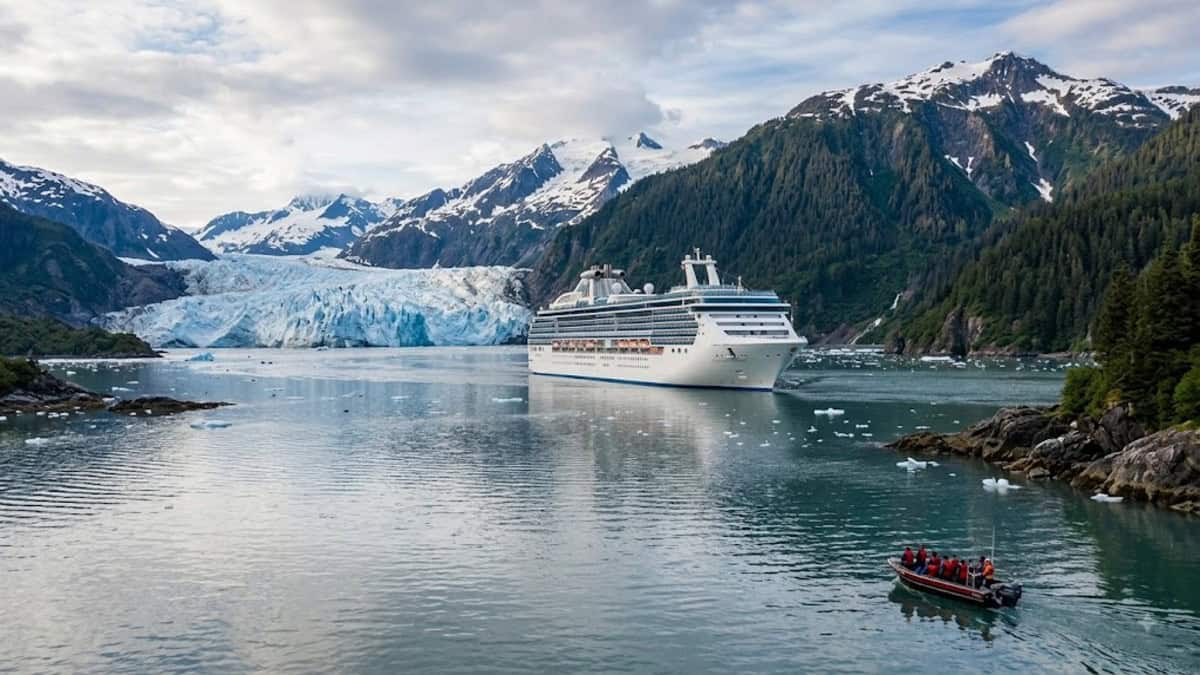
Travelers are discovering inspiration on the open sea once more. A beautiful ocean journey links Canada and the USA. This famous trip brings economic help to remote northern ports. Reports from the U.S. Maritime Administration show that cruise travel is still a support for isolated Pacific towns. Marine travel brings millions of visitors to northern areas. Cruise tourism gives money to local workers every summer. Small coastal businesses rely on these ship visits. Local craft stores and family tour operators do well during the season.
Princess Cruises runs this seven-night trip on the Island Princess. The ship moves through known natural waterways. It visits ports in Southeast Alaska. Each stop brings people who spend money in shops. Restaurants serve fish to thousands of hungry guests. Local guides take visitors through ancient rain forests. This increase, in spending helps long-term community projects. Harbor towns get money for public docks, parks and roads.
Advertisement
Advertisement
+-----+-----------+-----------------------------------+-----------------+
| Day | Day       | Location / Port of Call           | Activity        |
+-----+-----------+-----------------------------------+-----------------+
| 1   | Wednesday | Vancouver, BC, Canada             | Departure       |
| 2   | Thursday  | At Sea                            | Cruising        |
| 3   | Friday    | Ketchikan, Alaska, USA            | Port Visit      |
| 4   | Saturday  | Juneau, Alaska, USA               | Port Visit      |
| 5   | Sunday    | Skagway, Alaska, USA              | Port Visit      |
| 6   | Monday    | Glacier Bay National Park, USA    | Scenic Cruising |
| 7   | Tuesday   | College Fjord, Alaska, USA        | Scenic Cruising |
| 8   | Wednesday | Anchorage (Whittier), Alaska, USA | Arrival         |
+-----+-----------+-----------------------------------+-----------------+
Preserving Wilderness While Expanding Northern Reach
Sustainable ocean travel keeps these wild ecosystems healthy and safe. The U.S. Forest Service manages the vast Tongass National Forest. Federal guidelines limit ship noise and waste around marine wildlife. Marine officials monitor air quality near huge tidewater glaciers. U.S. Fish and Wildlife Service reports confirm that careful management protects salmon streams. Managed visitor access safeguards fragile bear habitats along coastal shorelines. Responsible travel lets guests see wild animals in natural habitats.
Glacier Bay National Park remains a premier international eco-tourism park. National Park Service rangers board ships to deliver live educational talks. They explain how glaciers shape dynamic coastal fjords over centuries. Rangers point out rare seabirds on isolated rocky islands. Passengers gain a deeper respect for wild northern landscapes. Environmental education creates dedicated advocates for global nature conservation. Maritime tourism directly supports ongoing field research across protected marine areas.
Advertisement
Advertisement
+——————+———-+———–+———-+———-+ | Departure Date | Interior | Oceanview | Balcony | Suite | +——————+———-+———–+———-+———-+ | Sept 02, 2026 | $46 | $46 | $528 | $888 | | June 09, 2027 | $174 | $186 | $936 | $1,317 | | July 05, 2028 | $340 | $449 | $1,474 | $1,890 | +——————+———-+———–+———-+———-+
Historic Coastal Ports Strengthen Local Hospitality
Local history shines brightly in gold rush towns like Skagway. Travelers stroll along historic wooden boardwalks built in the past. Excursion trains take excited guests up steep scenic mountain passes. In Ketchikan, native heritage enriches curious travelers. Local artists carve tall totem poles out of native cedar logs. State historic sites preserve these ancient art forms for future generations.
Advertisement
Advertisement
State economic development studies confirm maritime travel powers regional job creation. Dock operators, harbor workers, and bus drivers secure steady seasonal work. Small northern towns construct modern facilities using passenger fee revenue. This continuous trade keeps small remote economies strong throughout the year. Coastal towns build lasting friendships with international vacationers.
Strengthening Regional Logistics and Coastal Infrastructure
Major port investments ensure safe operations for large ocean ships. The U.S. Coast Guard maintains strict maritime safety standards. State transportation agencies upgrade dock structures to accommodate modern passenger needs. Enhanced pier safety allows smooth transfers for thousands of daily guests. Efficient dock logistics minimize transit delays in busy narrow harbors.
Advertisement
Advertisement
Port infrastructure upgrades create sustainable construction jobs for local contractors. Modern utilities power docked vessels efficiently while reducing emissions. Environmental standards require clean energy practices in every northern harbor. Local municipalities invest passenger revenue back into waterfront clean-up initiatives. Sustainable harbor planning protects aquatic life near busy shipping lanes.
Tourism boards work closely with municipal leaders to balance visitor volume. Community managers arrange structured walking routes to avoid city crowding. Local police departments maintain safe pedestrian zones near main shopping districts. Clear directional signage guides walking tourists toward public transit stops. Orderly urban movement enhances the travel experience for every visiting guest.
Fostering Long-Term Economic Resilience and Future Growth
Cruises act as key economic drivers across remote northern territories. State tourism records indicate cruise passengers generate vital municipal sales tax. Local sales taxes fund public schools, emergency services, and health clinics. Small seasonal businesses stay solvent through steady summer revenue streams. Ocean tourism ensures long-term economic stability for isolated coastal families.
Regional suppliers gain consistent contracts for fresh food and ship services. Local farms supply regional bakeries and markets with fresh northern produce. Seafood suppliers deliver wild ocean catches directly to ship dining rooms. Commercial partnerships support local fishing families throughout the summer season. Interconnected supply chains spread tourism income across inland farming regions.
Guests finish their voyage feeling deeply inspired by magnificent wild spaces. Unforgettable marine sights leave lasting memories for families traveling together. Visitors return home with renewed appreciation for grand protected ecosystems. Strong public-private partnerships will protect these pristine ocean waters for future generations.
Advertisement
